


Table of Contents
Few Korean foods are as simple, satisfying, or deeply beloved as pajeon. This thin, crispy, scallion-packed savory pancake has been a Korean staple for centuries, eaten as a snack, side dish, and rainy-day comfort food. Whether you know it from a Korean restaurant, a street market stall, or your favorite Korean drama, pajeon is one of those dishes that is impossible not to love.
What Is Pajeon?
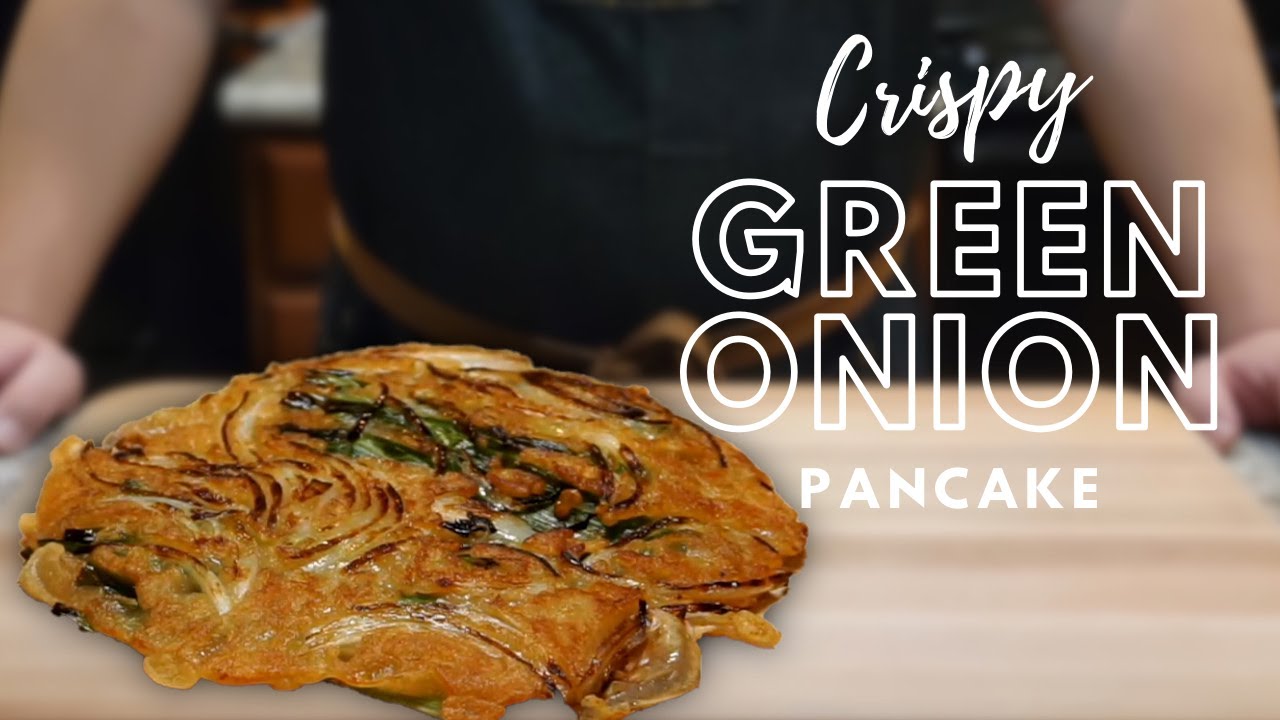
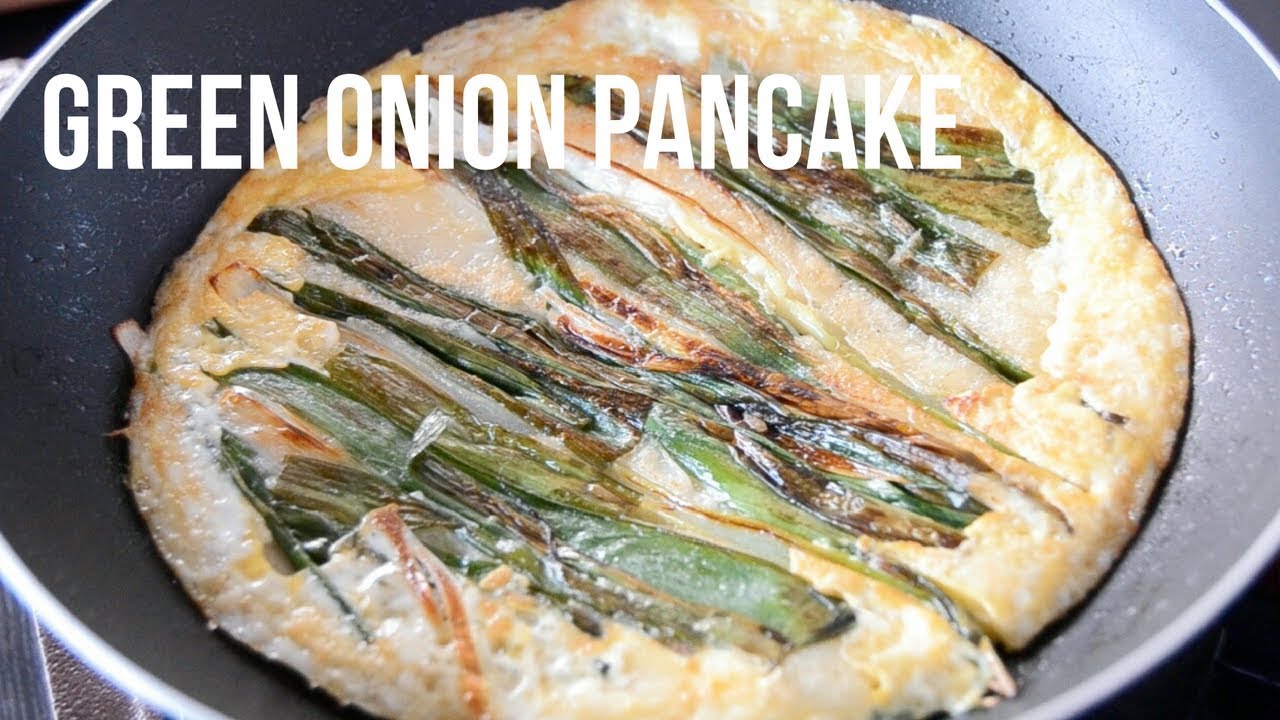
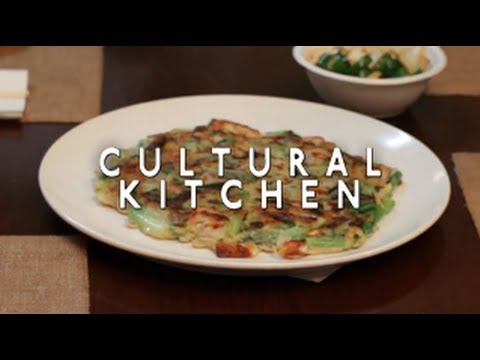
Pajeon (파전) is a Korean savory pancake made primarily with green onions (pa, 파) and a simple batter. The word jeon (전) refers to a broad category of pan-fried Korean foods coated or mixed with batter, which includes everything from zucchini fritters to stuffed peppers. Pajeon is the scallion-forward member of this family, featuring whole green onions or large pieces of scallion pressed into a thin batter and fried in oil until crispy on the outside and slightly chewy within. The pancake is typically round, cooked in one large piece or divided into smaller portions, and served with a soy-based dipping sauce. What makes pajeon special is its simplicity: the fresh, sharp flavor of the scallions comes through beautifully, and the contrast between the crispy edges and soft interior makes every bite deeply satisfying.
Korea's Rainy Day Tradition
In Korea, pajeon has a strong association with rainy weather. The tradition of eating pajeon on rainy days is thought to come from the sound of the pancake sizzling on the griddle, which many Koreans say sounds just like rain falling on a rooftop. On gloomy, wet days, the warm, savory aroma of pajeon cooking in oil is considered the ultimate comfort. Korean culture pairs pajeon almost inseparably with makgeolli, a milky, slightly sweet rice wine. The combination of crispy, savory pancake and mildly fizzy, earthy rice wine is so iconic that it has its own cultural nickname. Even today, when rain begins to fall, Koreans often reach for pajeon ingredients as naturally as others might reach for hot chocolate or soup on a cold day.
Ingredients and the Secret to Crispiness
Traditional pajeon batter is made with all-purpose flour, water, an egg, and salt. Many modern recipes add a portion of rice flour or potato starch to boost crispiness, since these starches create a lighter, cracklier crust than wheat flour alone. Some cooks swear by ice-cold water or sparkling water in the batter, which keeps the gluten from overdeveloping and results in a delicate, lacy texture rather than a dense, chewy one. The scallions can be left in long whole pieces, roughly chopped, or halved lengthwise, depending on preference. A generous amount of oil in the pan is non-negotiable: pajeon should fry, not steam. The key is to resist flipping too early. Let the bottom set and turn deeply golden before flipping, then press down gently and allow the other side to crisp up as well.
The Classic Dipping Sauce
No pajeon is complete without its dipping sauce. The classic version is a soy-based mix that balances salty, sour, and spicy notes in one small bowl. The base is soy sauce and rice vinegar, to which most cooks add a drizzle of sesame oil, a pinch of sugar, gochugaru (Korean red pepper flakes), thinly sliced green onion, and toasted sesame seeds. Some versions include minced garlic for extra depth. The sauce is light but punchy, cutting through the richness of the fried pancake and adding brightness to each bite. You can adjust the ratio of soy to vinegar to suit your taste, leaning sour for a sharper contrast or sweeter if you prefer a gentler dip.
Popular Pajeon Variations
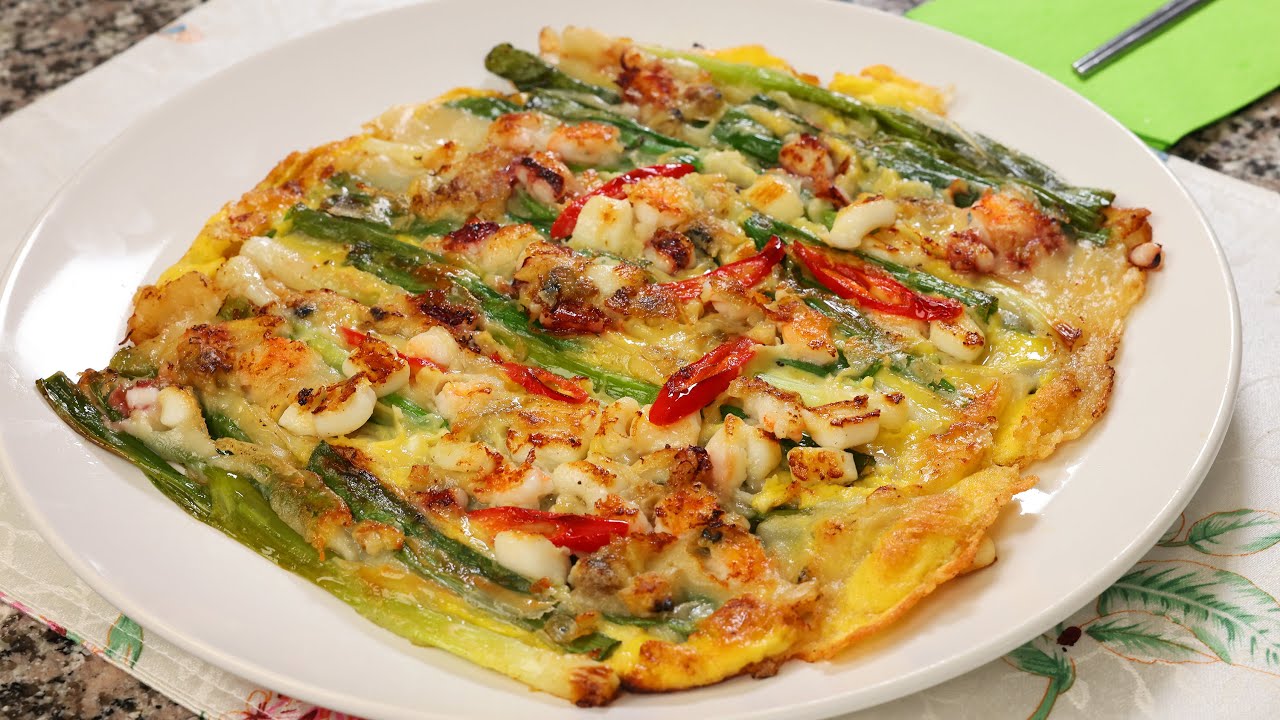
While plain scallion pajeon is the classic, there are many delicious variations to explore. Haemul pajeon (해물파전) is perhaps the most celebrated: it adds a mix of seafood (typically squid, shrimp, oysters, or clams) to the scallion batter, creating a heartier and more luxurious pancake that is a staple at pojangmacha (Korean street food tents) across the country. Kimchi pajeon (kimchi-jeon) folds in chopped kimchi for a tangy, spicy variation that uses up old kimchi perfectly. Dongnae pajeon is a regional specialty from Busan, made with a thicker batter and layered with beef, green onions, and other vegetables for a richer, more filling result. Hobak pajeon incorporates shredded zucchini, while gochujang pajeon adds fermented chili paste to the batter for heat lovers.
Explore Korean Snacks with Daebak
Love Korean food? Get authentic Korean snacks and ramen delivered straight to your door with the SnackFever Box by Daebak.


