


Table of Contents
If you walk through Hongdae or Itaewon on a weekend, you might notice something striking: nearly every other passerby is pushing a stroller, but inside is not a baby. It is a tiny Pomeranian wearing a knit sweater, or a calm Maltese poking its head out for a sniff. This is modern Korea, where pets have moved from the backyard to the heart of the family, and where the word for them has officially shifted from the casual 애완동물 (aewan dongmul, pet) to the more loving 반려동물 (banryeo dongmul, companion animal).
Korea's Pet Boom by the Numbers
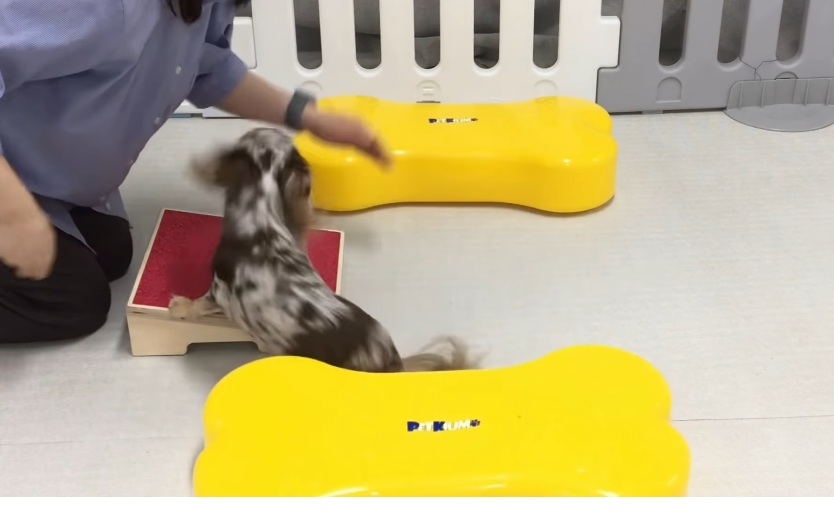
Korea's pet ownership has scaled to a level that surprises even longtime residents. According to government data, roughly 1 in 4 Korean households lives with a companion animal, with pet-owning households totaling about 5.91 million as of 2024. As of the end of 2024, around 15.46 million people in Korea had pets, accounting for nearly 30 percent of the population. Dogs lead the pack with about 75 percent share, followed by cats, then small mammals and fish. The market itself is projected to grow toward 15 trillion won (roughly $11.5 billion) by 2027, driven by single-person households, delayed marriages, and a deep cultural shift toward treating pets as family members.
From 'Aewan' to 'Banryeo': A Language Shift That Says Everything
The most telling change in Korean pet culture is linguistic. The older word 애완동물 (aewan dongmul) literally translates to something closer to "pet for play," carrying overtones of an object or accessory. In its place, Koreans now use 반려동물 (banryeo dongmul), which means "companion animal," a partner in life. You will also hear breezy fan terms like petfam (pet family) or 댕댕이 (daengdaengi), a playful internet pun on 멍멍이 (the word for puppy). The shift is not just trendy slang. It reflects policy changes too, including expanded animal welfare laws, mandatory pet registration, and the Ministry of Agriculture explicitly using 반려동물 in official communications.
Seoul's Most Famous Animal Cafes
Korea practically invented the animal cafe phenomenon, and Seoul remains the global capital of the genre. Bauhaus (바우하우스) in Hongdae was one of the original dog cafes, packed with twenty different breeds from golden retrievers to wolf-like Samoyeds for visitors to play with over a coffee. Just a short walk away sits Thanks Nature Cafe, the world's first sheep cafe, where two fluffy sheep live in an enclosure next to the seating area and visitors snack on banana waffles while saying hello. Cat Cafe Bau Bau in Itaewon caters to expats and locals who want quiet feline company, while Meerkat Friends in Hongdae lets visitors meet not only meerkats but also raccoons, kangaroos, and wallabies. Each cafe usually charges only the price of one drink, around 8,000 to 10,000 won.

Korean Pet Fashion: Howlpot, Olarla, and Babitalk
Pet fashion is one of the fastest growing categories within Korea's pet economy. Seoul-based Howlpot has become a global cult favorite for its design-led harnesses, leashes, and dog beds. The HowlGo Basic Harness and Adventure Harness combine genuine Italian leather with modern Korean minimalism, sold everywhere from MoMA Design Store to high-end pet boutiques in Tokyo and New York. Olarla focuses on knitwear and seasonal apparel for small breeds, while Babitalk leads the home goods category with ceramic feeding bowls and stylish carriers. These brands treat pets the way Korean fashion brands treat humans, with collections that drop seasonally and sell out within hours.
K-pop Idols and Their Furry Co-stars
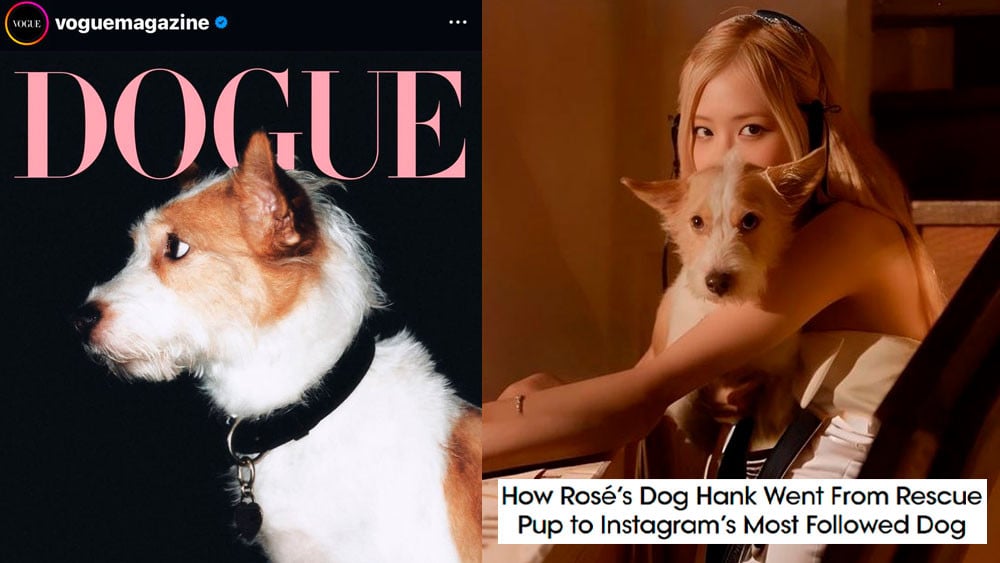
No conversation about Korean pet culture is complete without idols. The late BTS V's beloved Pomeranian Yeontan (also called Tannie) was practically a member of the group, appearing in vlogs and earning his own fandom before his passing in 2024. BLACKPINK Rosé's mixed-breed rescue Hank has become the most-followed dog on Instagram, recently landing the first ever cover of Vogue's celebrity dog spinoff Dogue. TWICE Nayeon's white Pomeranian Tubbo (Bbosong) regularly trends after appearances on her lives, and BIGBANG G-Dragon's three dogs frequently fuel adoption awareness campaigns. The result is a phenomenon Vogue itself has dubbed K-Pups, a celebrity-driven push that has normalized rescue adoption and made designer pet wear a status item.
Pet Food and Wellness: Pongee, Petsbe, and Hill's Korea
The pet food aisle in any Korean E-Mart or Coupang search reveals just how premium the category has gone. Local startups like Pongee deliver fresh, human-grade meals tailored to a dog's age and weight, while Petsbe offers customized supplements based on AI health analysis. Global giant Hill's Korea remains the prescription diet leader, and Olive Young (Korea's K-beauty drugstore chain) has even rolled out a dedicated pet care section featuring shampoos, paw balms, and dental sticks. Pet wellness goes far beyond food: pet acupuncture is offered at major animal hospitals, pet psychologists are listed on Naver Maps, and pet hotels in Gangnam come with playrooms and webcams that owners can check from their phones.

Pet Funerals and Saying Goodbye
The depth of the bond between Koreans and their pets is reflected, too, in how Koreans say goodbye. Pet funeral facilities nearly doubled from 44 in 2019 to 83 in 2025, and services have evolved from basic cremation to elaborate memorials. Companies like Four Paws offer AI-generated letters that respond in a deceased pet's voice. Pet Forest creates Lucette memorial gemstones made from a pet's ashes, and 21 Gram provides soundproof private rooms with calming wood-tone interiors. Mobile services like PETMUN bring a smokeless cremation vehicle right to a home in Seoul. In 2025, MyBrown launched as Korea's first dedicated pet insurer, sealing the idea that pets are family for whom you plan everything, including the end.
Pet-Friendly Travel and Hotels
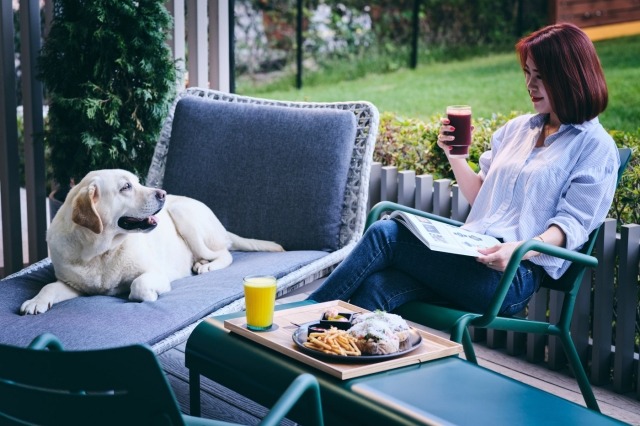
Hotel chains have caught on quickly. L7 by Lotte in Haeundae and Shilla Stay in Busanjin now offer designated pet rooms with pet beds, feeding bowls, and welcome snacks. Local pensions along Korea's coast advertise themselves as 반려동물 환영 (pet welcome), and Jeju has become a pet vacation hotspot with cafes like Monsant de Aewol and trails along Hyeopjae Beach. In cities, the Banjuk Taxi app lets owners book pet-friendly rides, and the KTX even allows small pets in carriers. Whether you are walking your dog along Seoul's Han River or hiking Hwangnyeongsan with a pup in tow, the message is the same: Korea now plans its public spaces around pets too.
Explore More of Korea with Daebak
Want to bring a little piece of Korea into your life? The Daebak Box is packed with the best Korean snacks, ramen, and cultural goodies delivered monthly to your door.


