


Table of Contents
For travelers seeking a quieter side of Korea, a templestay (템플스테이) offers something the cities cannot: silence, mountain air, vegetarian meals served in lacquered bowls, and the steady rhythm of monastic life. Launched in 2002 to host visitors during the FIFA World Cup, the program has since grown into a network of about 158 Buddhist temples nationwide, welcoming hundreds of thousands of Koreans and foreign guests each year.
What Is a Templestay?
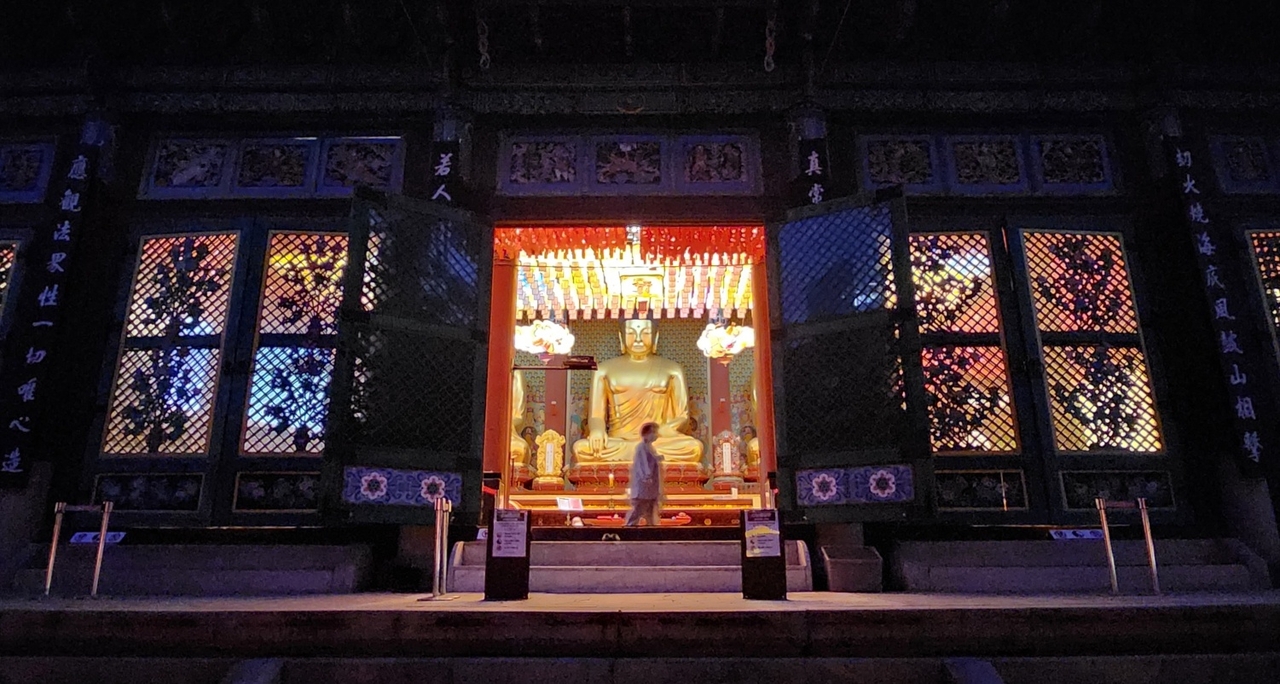
A templestay is an overnight stay at a working Korean Buddhist temple, where guests follow a simplified version of the monastic schedule. Participants change into loose gray robes called suryeonbok (수련복), share meals with resident monks and nuns, and join services that begin before dawn. The program is run by the Cultural Corps of Korean Buddhism under the Jogye Order, the country's largest Buddhist sect, and is offered in English at more than 30 temples.
Templestay was created in 2002 as a hospitality project for international tourists arriving for the World Cup. It has since outgrown its tourism roots. As of 2024, the Cultural Corps of Korean Buddhism reported that roughly 78,000 non-Koreans had taken part in the previous year alone, with cumulative participation surpassing six million since the program began.
Types of Templestay Programs
Temples generally offer three formats. The Experience type (체험형) is the most popular: a one-night, two-day program packed with meditation, 108 prostrations, a tea ceremony, and an introduction to Buddhist etiquette. The Rest type (휴식형) is more flexible, designed as a retreat for guests who want unstructured quiet time with optional services. The Free Training type (수련형) is the most intense, often running several days and built around long sessions of Seon (Zen) meditation.
In 2025, the Jogye Order rolled out a dedicated Seon meditation track at 13 of its templestay temples, including Jogyesa in Seoul, aimed at younger visitors looking for tools to manage anxiety and burnout. A 2023 Gallup Korea survey commissioned by the Cultural Corps found that 74.2 percent of foreign participants said the experience reduced their stress.

A Day in the Life: The Templestay Schedule
The day starts early. A monk walks the corridors at around 4 a.m., striking a wooden percussion instrument called the moktak to wake guests. The morning service, or yebul (예불), is held in the main hall, where participants chant mantras and bow before the seated Sakyamuni Buddha. The pre-dawn ritual at the Beomjongnu bell pavilion involves four instruments: a leather drum, a fish-shaped wooden drum, a cloud-shaped bronze plate, and the temple bell, each believed to liberate a different class of beings from suffering.
Other core activities include chamseon (참선), or seated Seon meditation; the 108 prostrations, a repenting ritual repeated 108 times to symbolize the release of human defilements; baru gongyang (발우공양), the formal monastic meal taken in stacked lacquered bowls; and ulleok (울력), a short period of communal labor such as sweeping the courtyard. Lights are out by 9 p.m.
Top Temples for a First-Time Stay
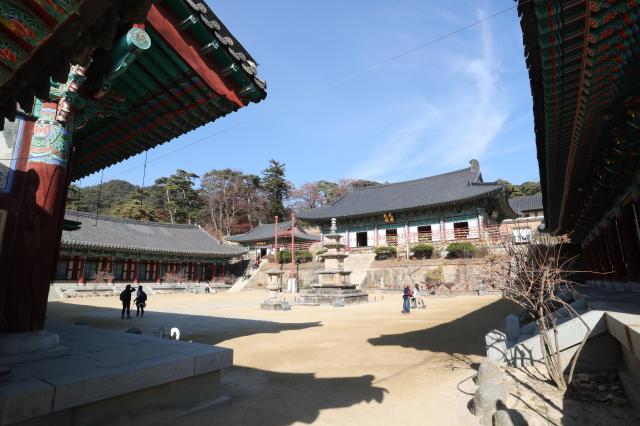
Korea's most celebrated templestay sites are spread across the peninsula. Haeinsa (해인사) in Hapcheon, South Gyeongsang Province, houses the Tripitaka Koreana, an 81,258-block woodblock canon of Buddhist scriptures carved in the 13th century and inscribed on the UNESCO Memory of the World register. Beopjusa (법주사) in Boeun, North Chungcheong Province, sits inside Songnisan National Park and is part of the UNESCO-listed Sansa cluster of Korean mountain monasteries.
Songgwangsa (송광사) in Suncheon is the headquarters of the Jogye Order's Seon tradition. Magoksa (마곡사) in Gongju, also a UNESCO Sansa site, is famous for its springtime cherry blossoms. Bulguksa (불국사) in Gyeongju, a separate UNESCO World Heritage site, runs a two-day Journey into Mind program. For visitors short on time, Beomeosa (범어사) in Busan and Hwagyesa (화계사) in northern Seoul are reachable by city transit.
Sachal Eumsik: Korean Temple Cuisine
Meals are a highlight of nearly every templestay. Korean temple cuisine, known as sachal eumsik (사찰음식), is strictly vegetarian and avoids the five pungent vegetables, called osinchae: garlic, green onion, chives, wild leek, and asafoetida-like rocambole. Buddhist teaching holds that these ingredients stimulate the body and cloud the mind, both unwelcome conditions during meditation.
The tradition gained global attention through Venerable Jeong Kwan of Baekyangsa, profiled on Netflix's Chef's Table in 2017 and later honored at the James Beard Awards. In May 2025, the Korea Heritage Service formally designated Korean Buddhist temple food as a National Intangible Cultural Heritage, paving the way for a future UNESCO bid. At a templestay, guests typically eat seasonal banchan, soybean-based stews, and grain-based rice bowls served in the formal baru gongyang style, in which no food may be left uneaten.
What to Wear, What to Bring
Temples provide the gray suryeonbok robes guests wear throughout the stay, so casual travel clothes for arrival and departure are enough. Bring socks, since shoes are removed inside all halls, and pack a warm layer year-round: most temples sit at elevation, and pre-dawn services can be cold even in summer. Cellphones and other electronics are left in the rooms during sessions, and the Korea Herald notes that many programs require devices to be set aside completely. There is no alcohol, no meat, and no smoking on temple grounds.

How Much It Costs and How to Book
Most templestay programs cost between 70,000 and 150,000 Korean won (roughly USD 50 to 110) per night, including accommodation, robes, and all meals. The Cultural Corps of Korean Buddhism periodically offers discounted rates for foreign residents and visitors. In late 2025, the agency lowered the foreigner rate at 21 popular temples, including Jogyesa, Beomeosa, Magoksa, and Hwagyesa, to 30,000 won per night.
Bookings are made through the official templestay portal at eng.templestay.com, where each temple lists program types, dates, and English availability. Popular sessions, especially weekends at Haeinsa and Baekyangsa, fill within days of opening, so booking weeks in advance is advisable.
Who Goes on Templestay
The program now draws a mixed crowd. Korean office workers use it as a digital detox, foreign tourists treat it as a cultural deep dive, and high-profile Koreans including the actor Jung Yu-mi and BTS leader RM have publicly spoken about templestay visits as a way to reset. In one notable case in 2023, eight participants from a German scouting delegation who had attended the World Scout Jamboree in Saemangeum extended their trip to take part in a Beopjusa templestay, with several asking the monks to shave their heads at the end of the stay.

What to Expect Before You Go
Templestay is not a spa break. The schedule is demanding, the food is plain, and the silence can feel uncomfortable to first-time visitors. But guests routinely describe the experience as the calmest 24 hours of their trip to Korea. Whether you choose UNESCO-listed Haeinsa for the Tripitaka Koreana, urban-accessible Hwagyesa in Seoul, or coastal Beomeosa above Busan, the through-line is the same: a brief, structured pause inside a tradition that has been refined over more than a millennium.
Explore More of Korea with Daebak
Want to bring a little piece of Korea into your life? The Daebak Box is packed with the best Korean snacks, ramen, and cultural goodies delivered monthly to your door.


