


Table of Contents
We've all seen the results of Western food beginning to make impressions on Korean food, or Korean-Chinese food, but have you thought about what happens when Korean flavors do the same in the West? Deliciousness happens. Here are 5 Korean fusion foods happening in the Western world.

Korean-Mexican: Bulgogi Tacos and Roy Choi's Kogi BBQ
A mash-up kickstarted by a very talented chef named Roy Choi, I believe this to be, hands down, the best Korean food fusion. Korean tacos, burritos, enchiladas, chilaquiles, any Mexican dish you can think of, you can add some Korean flare. By default, I love Korean-Mexican bowls, which are part bibimbap, part taco salad, but a photo of kimchi and chicken Korean tacos makes me rethink my decision every time. The classic Kogi short rib taco, with double-caramelized bulgogi, salsa roja, and chili soy slaw on griddled corn tortillas, is the dish that started it all.
Korean-Italian: Kimchi Carbonara and Pasta with a Punch
After Korea released their fire noodles as a carbonara variation, I became intrigued. Can my love of pasta meet my love of Korean food? Of course, it can. Apparently, I wasn't the only one to think of it from the looks of Instagram. Pastas are the most prevalent because of the versatility, but you can find bulgogi, kimchi, pork belly, and so much more added to Italian dishes. Pictured here is a kimchi carbonara, a Western take on those classic carbonara noodles where the tangy, spicy kimchi interweaves with glossy, cheesy spaghetti.

Korean-Southern Comfort: Edward Lee's Gochujang Fried Chicken and Kimchi Burger
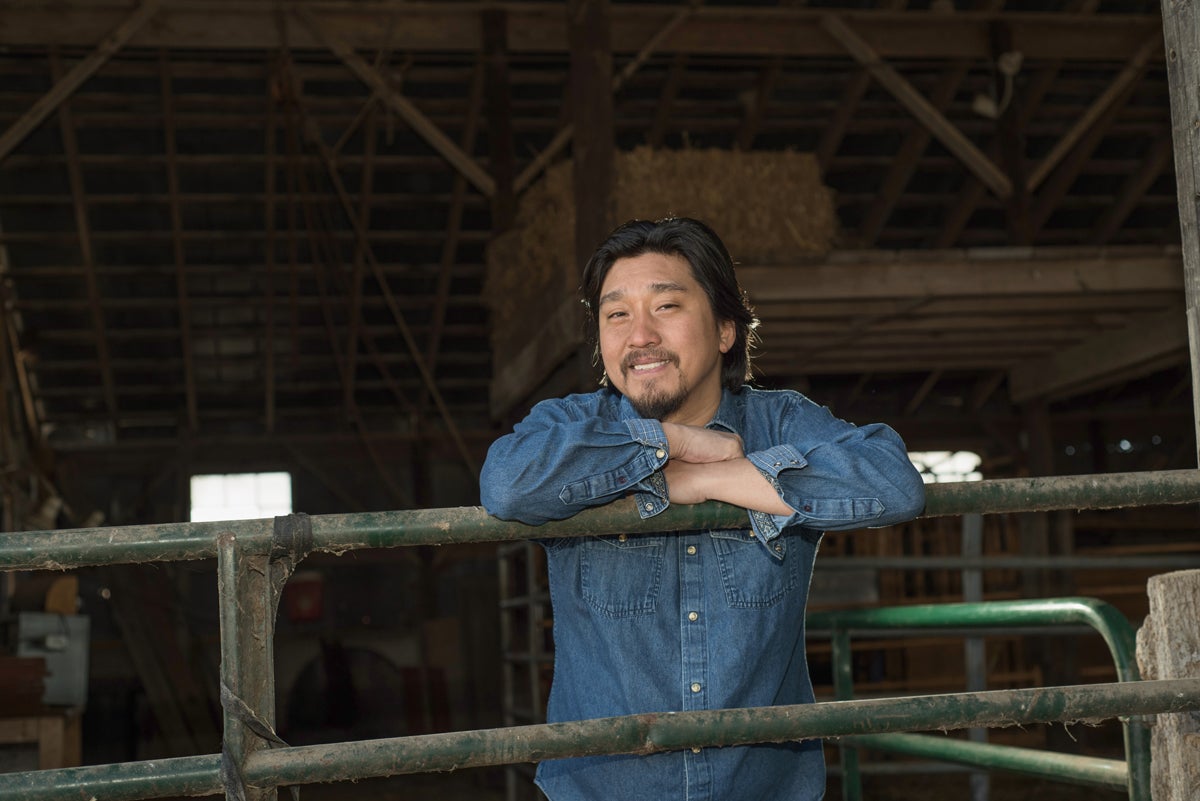
This is probably the best gem I have ever found in my own city. In a basement restaurant, Chef Edward Lee brings two very different worlds together beautifully both visually and in flavor. As a huge fan of this chef, I jumped at the chance to try such a creation. Collards and kimchi? Gochujang fried chicken and waffles? Take my money. Sadly, I didn't get to try the chicken that night, but the burger with kimchi was just amazing. I'll be back for that chicken, though. At 610 Magnolia in Louisville, Lee infuses Southern staples like grits, collard greens, and country ham with gochujang, soy, and kimchi, and the result is a flavor language all its own.
Korean-Japanese: Kimchi-Cheese Tonkatsu
No surprise here that Korean and Japanese fusion foods exist. They're so close together, they have many similar foods that can easily translate, and it's just tasty. Out of all the possible fusions, I find tonkatsu, breaded deep fried pork cutlet, to be my favorite dish for them to use as a medium for fusing these two cuisines. You would think tonkatsu couldn't get any better as it is, but have you tried it stuffed with kimchi and cheese? The Korean cheese katsu has chewy mozzarella tucked inside the crispy cutlet, and when you cut into it the cheese pulls into long ropes that turn an already-perfect dish into something completely irresistible.

Korean-Greek: Bulgogi Gyros and Greek Salad
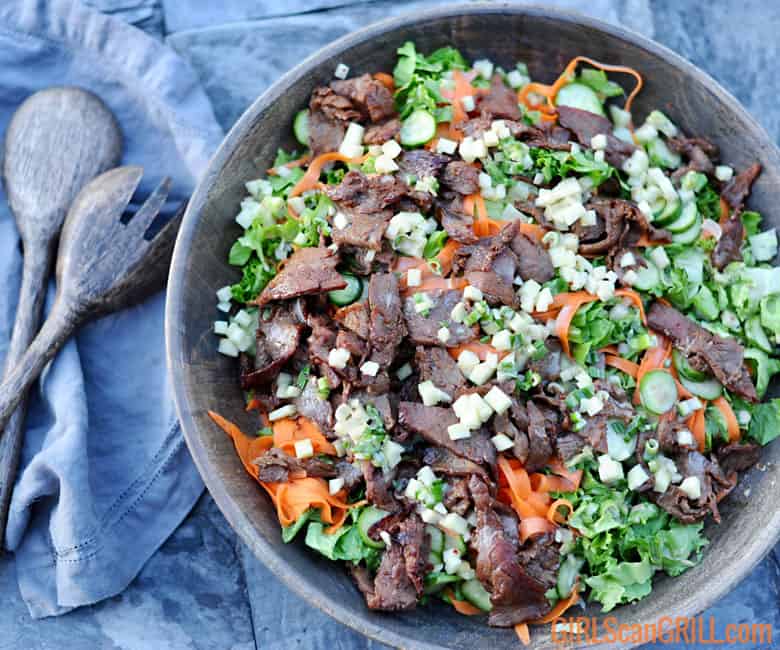
Greek cuisine is truly colorful like you expect Mediterranean food to be, and with the unique taste it possesses from so many other culinary influences, I was surprised at how well these two worked. Bulgogi Greek salad was my first shot at this fusion, and it didn't disappoint with the bright flavors pairing so well with the dark and savory marinated meat. But the gyros, the gyros is where it is at. Either spicy chicken or bulgogi tastes great nestled in a folded piece of pita bread and topped with red onions, tomatoes, and a drizzle of tzatziki sauce.
It's no doubt that Korean food is continuing to make its way around the world, and the possibilities grow along with it. I'm looking forward to trying Jamaican-Korean mash-ups next. How about you? What are some cuisines you would like to see fused with Korean flavors in the future?
Explore Korean Snacks with Daebak
Love Korean food? Get authentic Korean snacks and ramen delivered straight to your door with the SnackFever Box by Daebak.


