


Table of Contents
A jjimjilbang (찜질방) is a Korean 24-hour bathhouse and sauna complex, and it is one of the most enjoyable cultural experiences in Korea once you get past the awkward first ten minutes. It is part spa, part sauna, part snack bar, part communal lounge, and part overnight crash pad, all rolled into one giant building that locals visit alone, with friends, on dates, after a long shift, or after missing the last train home.
If you are visiting Korea for the first time, a jjimjilbang is one of the best 10,000 to 15,000 won you will spend on the trip. This guide walks you through what to expect, how the etiquette works, which sauna rooms are worth your time, what to eat inside, and the most famous jjimjilbangs in Seoul and Busan.
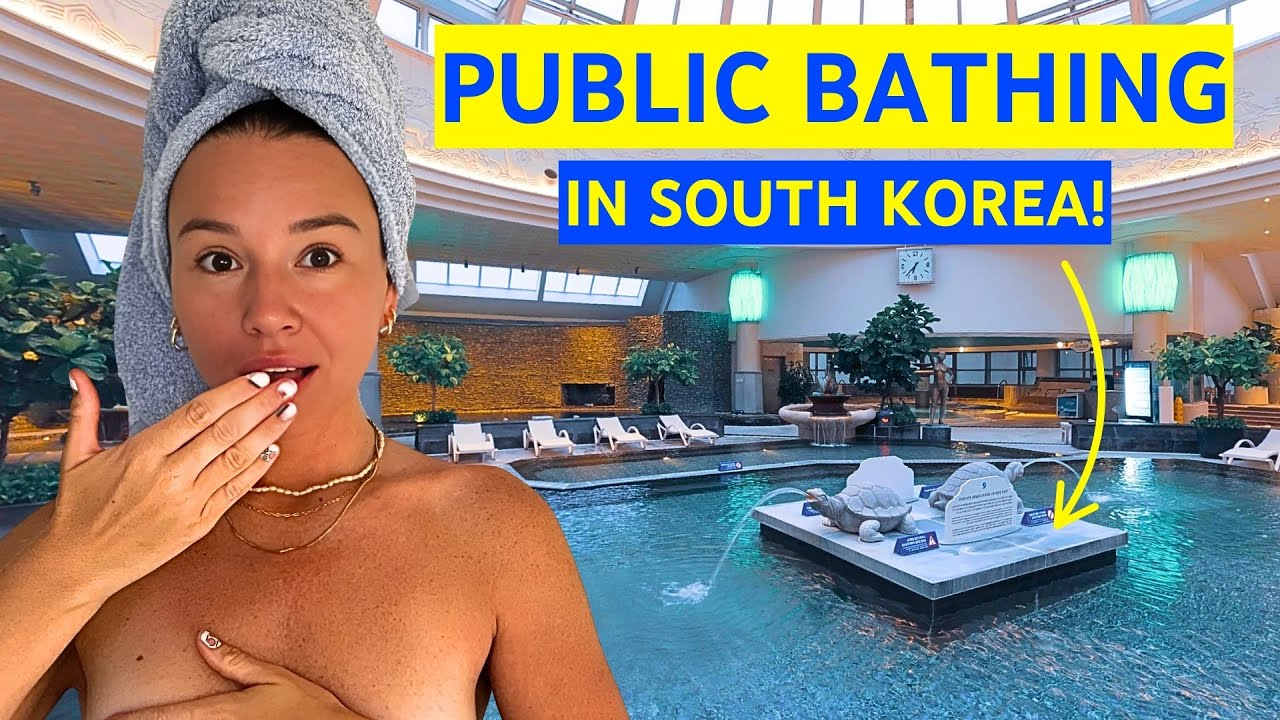
What Is a Jjimjilbang?
A jjimjilbang is a large, multi-floor Korean wellness complex that operates around the clock. The structure is consistent across the country: gender-separated bathhouses on the bottom floors, communal sauna and lounge floors above, and food stalls, sleeping rooms, PC rooms, and sometimes karaoke or massage chairs tucked into the upper levels. You pay a single flat entry fee, usually between 8,000 and 15,000 won (roughly seven to thirteen US dollars), and you can stay anywhere from an hour to a full overnight.
The word itself comes from jjimjil (heating up) and bang (room), and the core idea is to cycle between hot baths, themed saunas, cold plunges, and rest. Koreans treat jjimjilbangs the way some cultures treat cafes or libraries: a third place to relax, study, nap, recover from drinking, or simply spend a long quiet afternoon.
The Korean Jjimjilbang Workflow
The flow is almost identical at every jjimjilbang in the country, which makes the first visit much less intimidating once you know the script. At the front desk, pay the entry fee and receive a wristband (it tracks your locker and any food purchases inside) along with a uniform top and shorts in the standard pink or yellow colors.
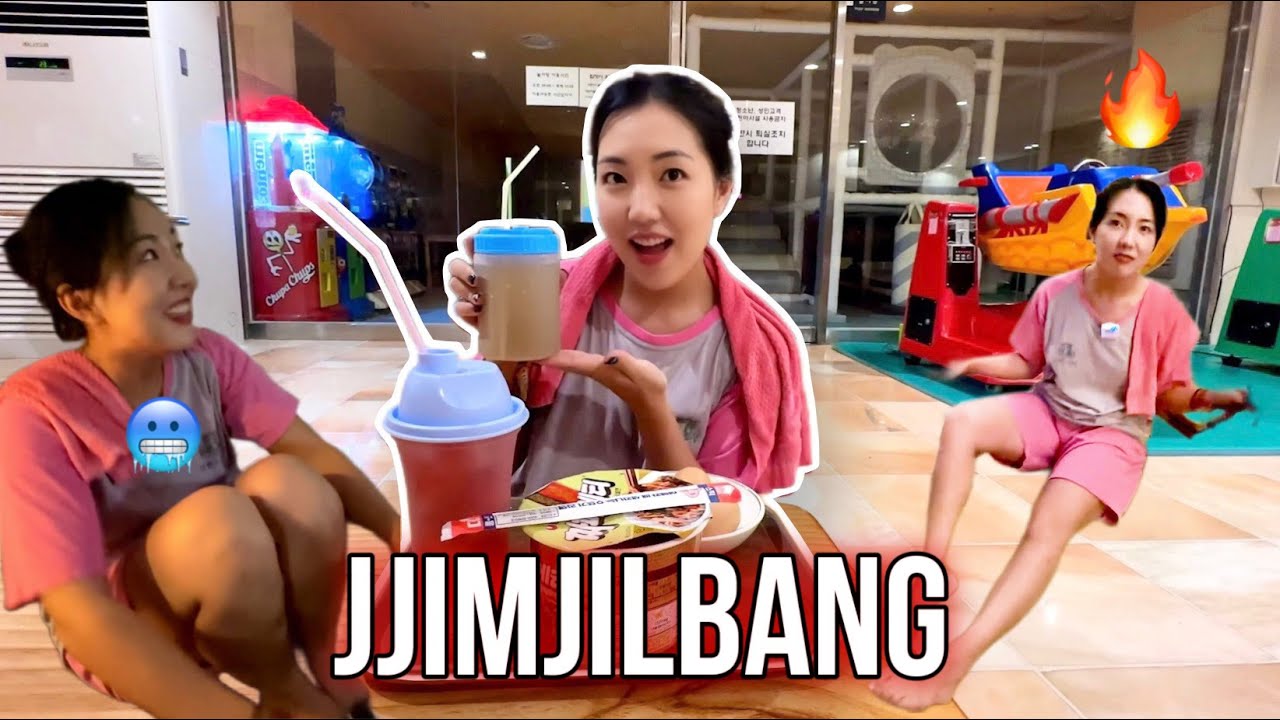
Head to the gender-separated locker room, undress completely, and enter the bathhouse area for a full shower and a soak in the hot pools. After bathing, dry off, put on the uniform, and head upstairs to the communal sauna floors. From there, the rules dissolve: cycle through saunas at your own pace, snack, sleep, repeat. Most first-timers spend three to five hours on their first visit, and many return for an overnight stay after they get the hang of it.
The Themed Sauna Rooms
The communal area is where each jjimjilbang shows its personality. Most have a rotation of themed rooms heated to different temperatures with different mineral-rich walls. The classic ones to know are the salt room (소금방), the charcoal room (참술방), the jade room (옥방), the yellow earth room (황토방), and the ice room (얼음방), which is freezing rather than hot and acts as a palate cleanser after a heavy sweat.
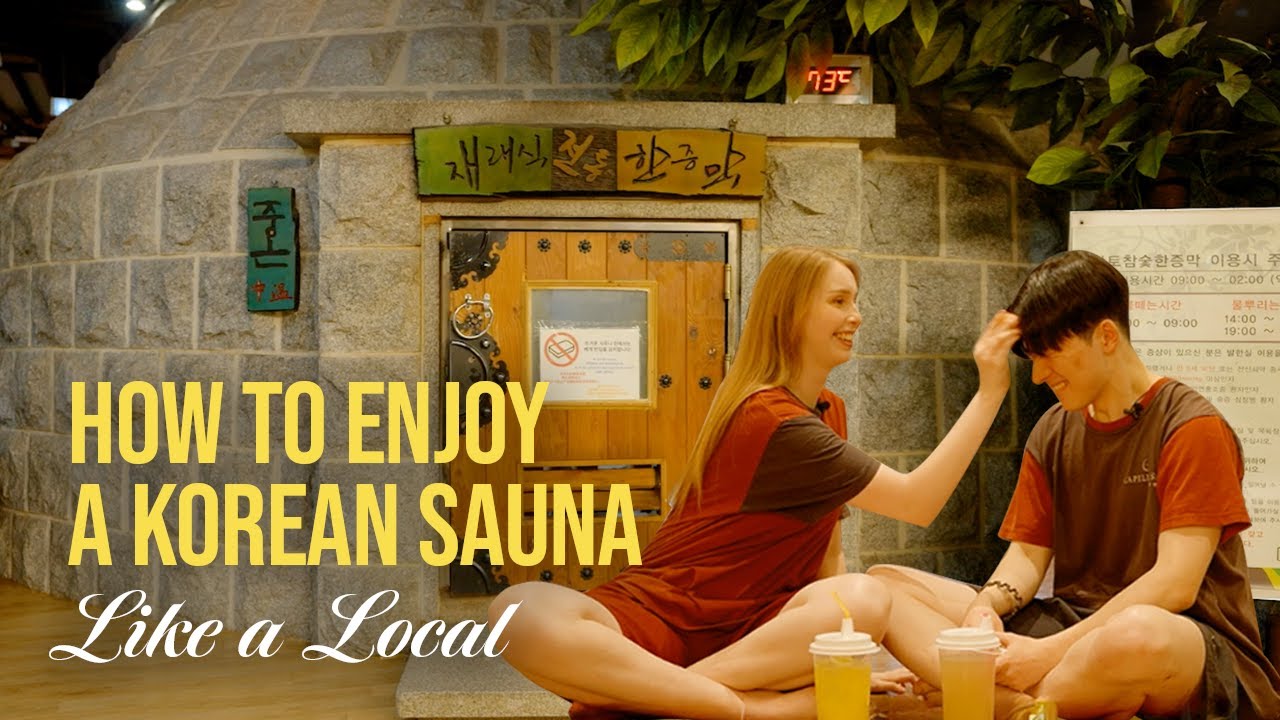
The hottest rooms, often labeled bulgama (불가마), can run between 70 and 90 degrees Celsius and are meant for short five-to-ten-minute sessions. Each room posts a sign with its recommended temperature and a suggested health benefit, ranging from skin care to improved circulation. The best approach is to do shorter sessions in multiple rooms instead of a long stretch in any single one.
What to Eat Inside a Jjimjilbang
Jjimjilbang food is its own subculture. The most iconic order is a peeled maekbanseok gyeran (sauna-baked egg), which is slow-baked in the sauna for hours until the white turns light brown and slightly nutty. The eggs come in pairs and are practically required by tradition.

Pair the eggs with a small bottle of Binggrae banana milk or a cup of sikhye, a sweet fermented rice drink served chilled. For a bigger meal, most jjimjilbangs serve patbingsu (Korean shaved ice with red bean), ramyeon, kimbap, and full Korean BBQ-style menus in the larger complexes. The portions are generous and the prices are extremely reasonable.
Jjimjilbang Etiquette
The unwritten rules are simple and worth following. In the bath area, you must be fully nude (swimsuits are not allowed in the pools or saunas). Always shower thoroughly before entering any hot pool. Keep your voice down, do not stare, and avoid taking your phone into the bath area at all. In the communal sauna floors, the uniform is required, public displays of affection are discouraged, and quiet is the default mode, especially on overnight floors.
If you are sharing a sauna room, leave a comfortable distance between yourself and other guests, and use the wooden head rests and bamboo mats provided. Most jjimjilbangs also have specific quiet sleeping rooms with thinner cushions and dim lighting, and these are strictly silent. Common-sense respect is the through line: this is a shared resting space for hundreds of people at once.
Famous Jjimjilbangs in Korea
The most famous jjimjilbang in Seoul is Dragon Hill Spa in Yongsan, a seven-story 24-hour complex that has become a tourist staple thanks to its size, English signage, and proximity to the central train station. Another classic Seoul pick is Siloam Sauna near Seoul Station, popular among travelers for its overnight floor.
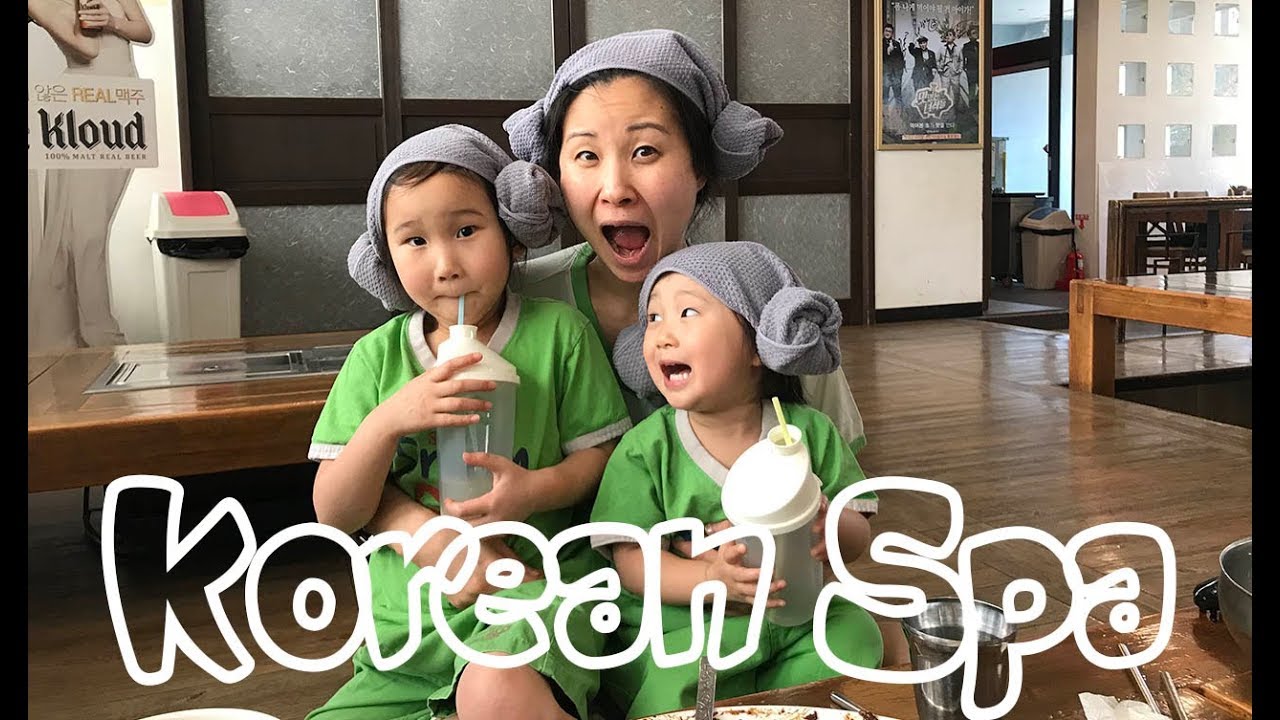
In Busan, the standout is Spa Land inside Centum City, a high-end and very polished jjimjilbang with seawater baths and dozens of themed rooms. For something more local and less touristed, neighborhood jjimjilbangs run by long-time owners in areas like Hongdae, Mapo, or Suyu are often cheaper, quieter, and feel more like the everyday version of the experience. Most of these accept walk-ins, no reservations needed.
Explore More of Korea with Daebak
Want to bring a little piece of Korea into your life? The Daebak Box is packed with the best Korean snacks, ramen, and cultural goodies delivered monthly to your door.


