


Table of Contents
Anyone who has fallen down the K-drama rabbit hole knows the feeling. You start an episode at midnight, swear you will only watch one, and twenty minutes later you are searching for the nearest Korean restaurant because the characters on screen are slurping ramyeon, ripping shared pieces of fried chicken, or pouring soju around a smoking grill. K-drama food scenes are not just background dressing. They have become one of the most powerful engines behind the global rise of Korean cuisine.
From Squid Game's dalgona to Crash Landing on You's army stew, certain dishes have gone from local comfort food to international obsessions almost overnight. This guide breaks down the most iconic on-screen meals, the shows that made them famous, and how K-drama food fueled the worldwide spread of K-food.
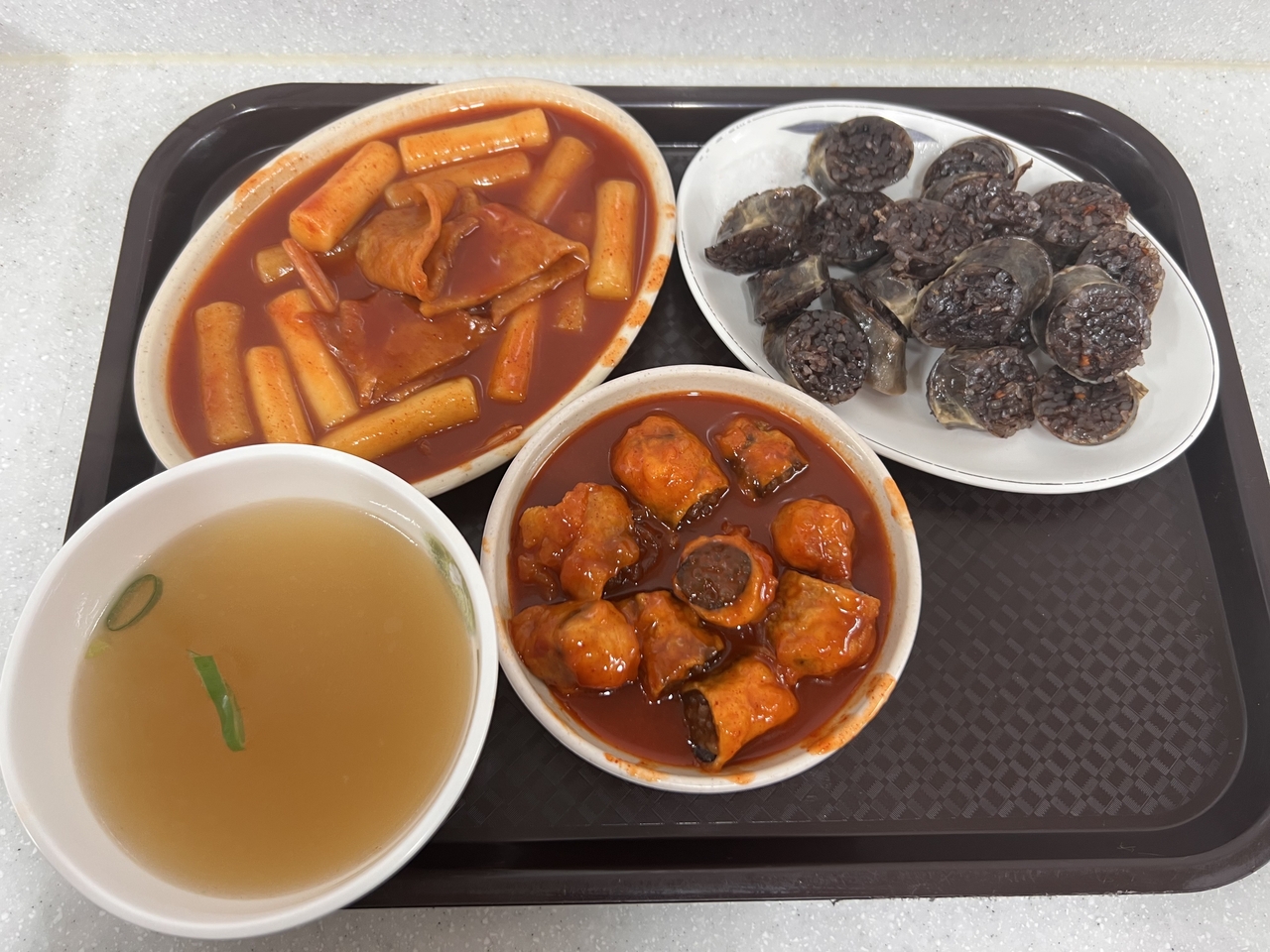
Crash Landing on You: Budae Jjigae Brings Two Koreas Together
When Hyun Bin's stoic North Korean officer Ri Jeong Hyeok sat down for a bubbling pot of budae jjigae, Korean army stew, the dish suddenly had a global audience. Crash Landing on You set a tvN cable record with a 21.7 percent final episode rating and became one of Netflix's most watched Korean titles internationally. Viewers loved how budae jjigae, born in postwar Uijeongbu when locals mixed leftover Spam and sausage from US bases with kimchi and gochujang, captured Korea's resilient, improvised spirit. The annual Uijeongbu Budae Jjigae Festival now draws crowds celebrating the dish as one of the city's most representative cultural exports.
Itaewon Class: Sundubu Jjigae and the Dan Bam Dream
Park Seo Joon's stubborn underdog Park Sae Roy ran a small Itaewon pojangmacha called Dan Bam, where soft tofu stew and other humble Korean staples became symbols of his dream. The 2020 JTBC hit caused what Korea Tourism Organization called a Park Saeroyi syndrome, and fans began making pilgrimages to the real Itaewon location, now operating under the name Seoul Bam, where you can taste the dishes featured in the series. Sundubu jjigae, a bubbling earthenware pot of silky tofu, anchovy broth, gochugaru, and a raw egg cracked on top, became the ultimate K-drama comfort food, simple, fierce, and full of heart.
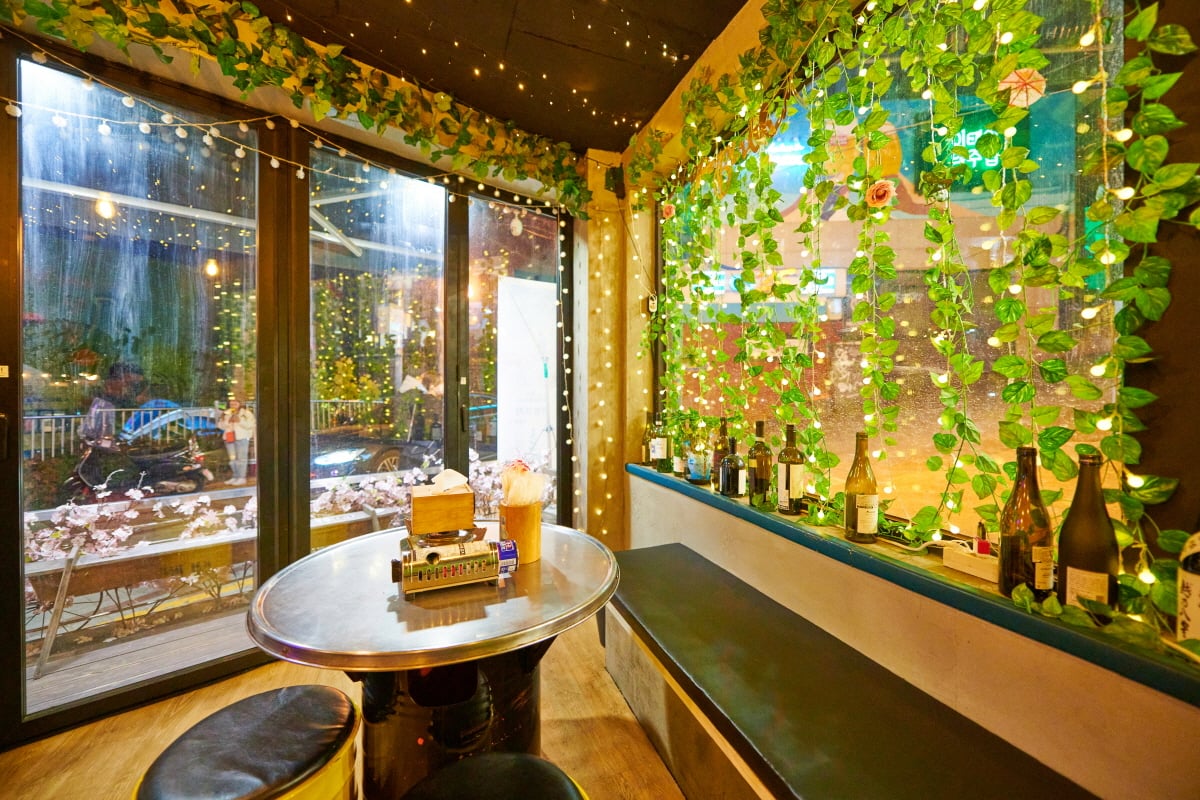
Goblin and the Eternal Power of Chimaek
Gong Yoo's Goblin is full of poetic suffering, but it is also full of fried chicken. The grim reaper played by Lee Dong Wook ends up in a sweetly absurd romance with Sunny, the owner of a chicken-and-beer pub, cementing chimaek, a portmanteau of chicken and maekju (beer), as the K-drama snack pairing of the decade. The 2014 hit My Love from the Star started the global chimaek wave in China, but Goblin, along with countless other dramas, kept it on screen. Daegu, the southern city often called the mecca of Korean fried chicken, now hosts the annual Daegu Chimac Festival drawing more than a million visitors, and the word chimaek was officially added to the Oxford Dictionary in 2021.

Reply 1988: Tteokbokki, Ramyeon, and Retro Comfort
Few dramas treat food with as much warmth as Reply 1988. The neighborhood kids of Ssangmun-dong share endless bowls of tteokbokki and ramyeon, often combined into rabokki, the chewy rice cake and instant noodle mashup that defined Korean adolescence in the 1980s. The drama's tenth anniversary special in 2025 brought Park Bo Gum, Hyeri, and the cast back to relive those same food rituals. Tteokbokki, spicy rice cakes simmered in red pepper paste with fish cakes and boiled eggs, has since become a global street food star, central to the K-food export wave that pushed Korean instant noodle exports past one trillion won in 2025.
Squid Game: Dalgona Becomes a Worldwide Obsession
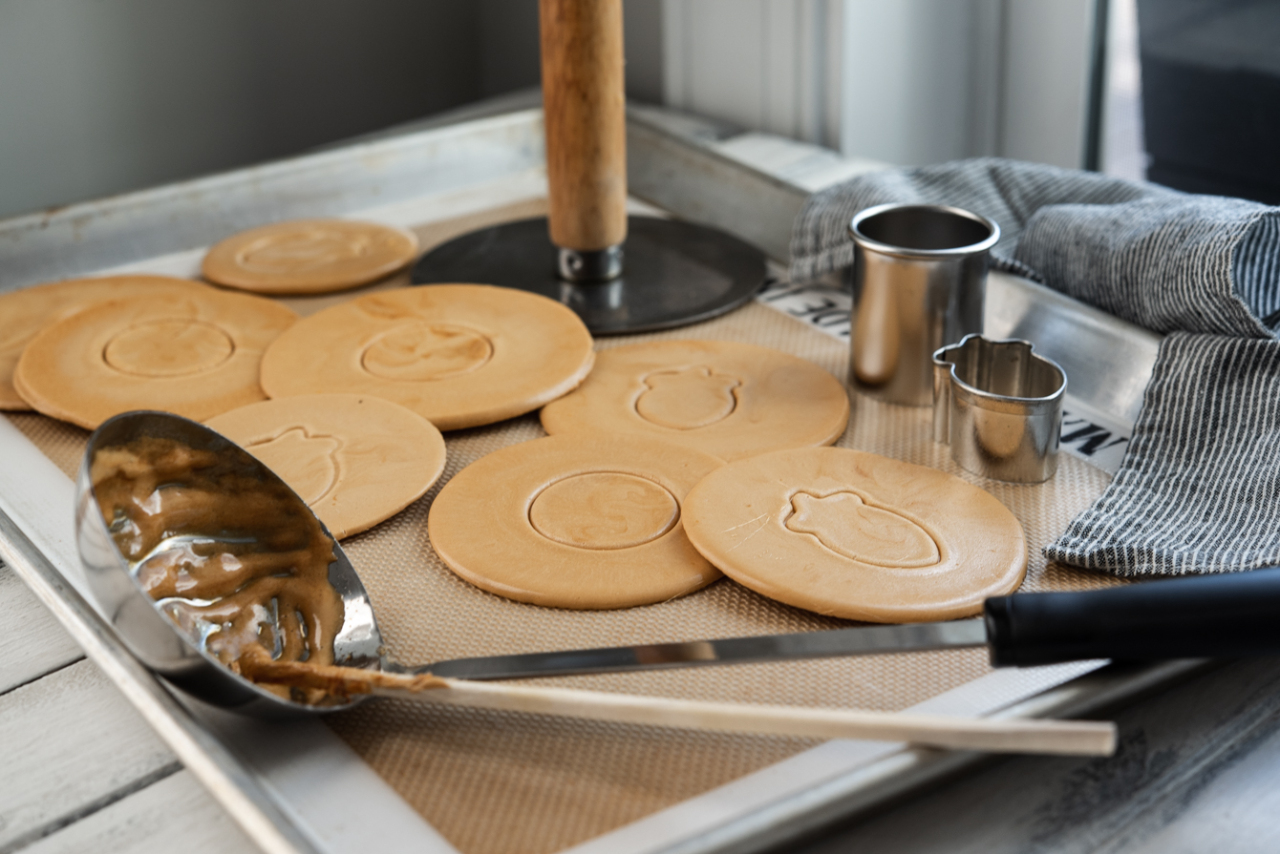
No K-drama food moment has gone more viral than the dalgona challenge in Squid Game. Within weeks of the show's 2021 premiere, TikTokkers everywhere were torching sugar in spoons, stirring in baking soda, and trying to carve out triangles and umbrellas without cracking the wafer. Korean convenience store chain CU exported 10,000 dalgona to Mongolia and Malaysia after the candy became an overnight sensation. The 2024 sequel doubled down on traditional Korean games, sparking a renewed global craze for ppopgi, the actual original name for the candy. Korean fish cake skewers, also frequently spotted in Squid Game street scenes, rode the same wave.
Vincenzo: Korean Fried Chicken Meets Pizza Mafia Style
tvN's Vincenzo, starring Song Joong Ki as a Korean Italian mafia consigliere, gave fried chicken and pizza a stylish reboot. The drama featured countless eating scenes that paired upscale Italian cuisine with neighborhood Korean staples like fried chicken, kimbap, and tteokbokki, capturing the cross-cultural appeal of modern Korean food. Vincenzo's 2021 run boosted streaming interest in Korean fried chicken franchises overseas, with Daegu-born brand Kyochon now operating in 15 foreign countries including the United States, Thailand, and Indonesia. The drama proved that K-food on screen no longer needs to be exotic to be aspirational.
Hometown Cha-Cha-Cha: Gobchang, Naengmyeon, and Seaside Feasts
The 2021 hit Hometown Cha-Cha-Cha turned the fictional coastal village of Gongjin into a foodie destination. Kim Seon Ho's Chief Hong and Shin Min-a's Yoon Hye Jin shared smoky grilled gobchang (beef intestines) and cool bowls of naengmyeon, Korean cold buckwheat noodles in icy broth. Naengmyeon has long been a summer rite of passage in Korea, but the drama elevated it for international viewers who suddenly wanted to know why Koreans cut their noodles with scissors and pour vinegar into the broth. Gobchang, once a niche local specialty, also saw a clear bump in foreign curiosity after the show.
Extraordinary Attorney Woo: Kimbap as a Love Language
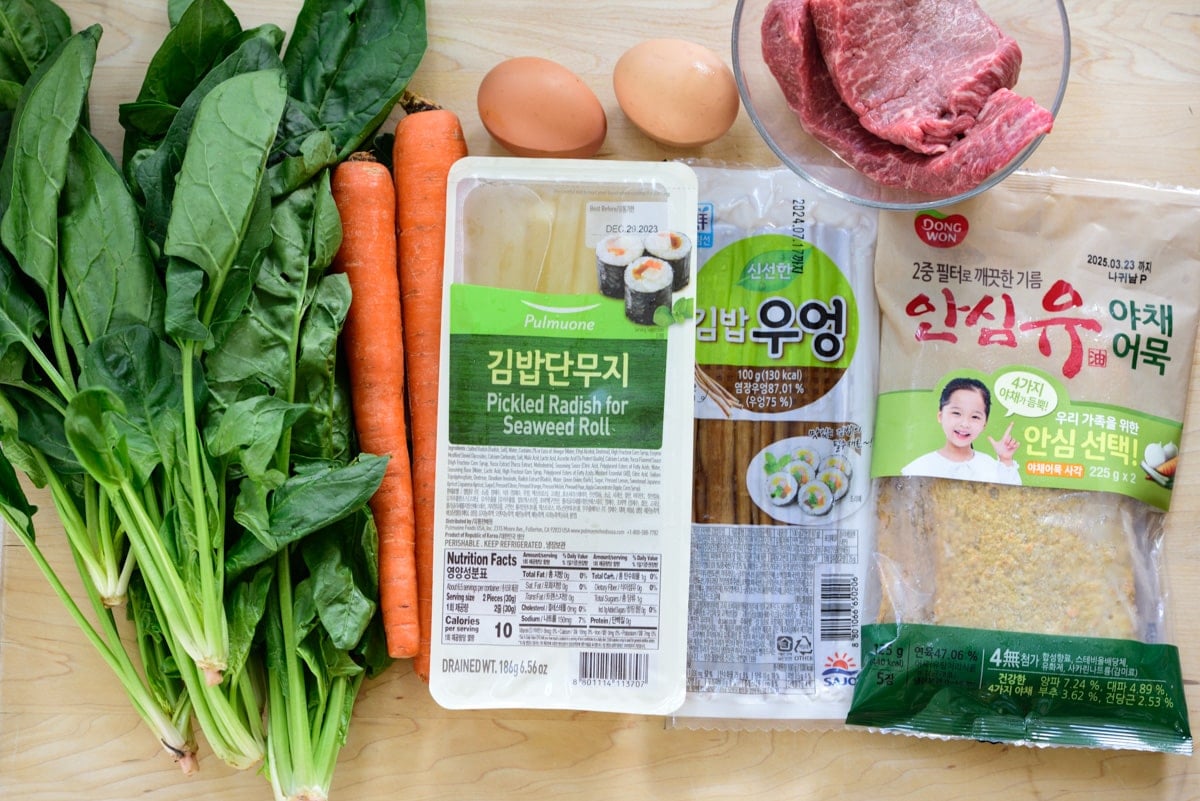
Woo Young Woo, the brilliant attorney with autism played by Park Eun Bin, famously loves kimbap because she can see every ingredient at a glance. There are no surprises in texture or taste, she explains. The 2022 ENA mega-hit turned kimbap, Korea's classic seaweed-and-rice roll filled with pickled radish, spinach, carrot, egg, and beef or ham, into a worldwide trend. A local franchise called Seoho Gimbap continued the show's gimbap shop storyline, packing in fans daily after the finale aired. Woo Young Woo kimbap, the no-beef version with ham and crab sticks her father makes for her, became a recipe that Korean food blogs around the world raced to publish.
Sweet Home: Instant Noodles in the Apocalypse
Even in a monster-infested apartment complex, Korean characters reach for ramyeon. Netflix's Sweet Home turned instant noodles into a quiet symbol of normalcy and survival, with characters bonding over shared cups of spicy broth between battles. The show is part of a broader pattern in Korean thrillers where ramyeon represents both nostalgia and resilience. According to the Ministry of Culture's Global Hallyu Trends report, Buldak Ramen and other Korean instant noodles fueled massive K-food coverage in North America in 2024, with kimchi, Korean fried chicken, and Buldak emerging as the most discussed Korean foods overseas.
The Korean BBQ Scene: A K-Drama Tradition
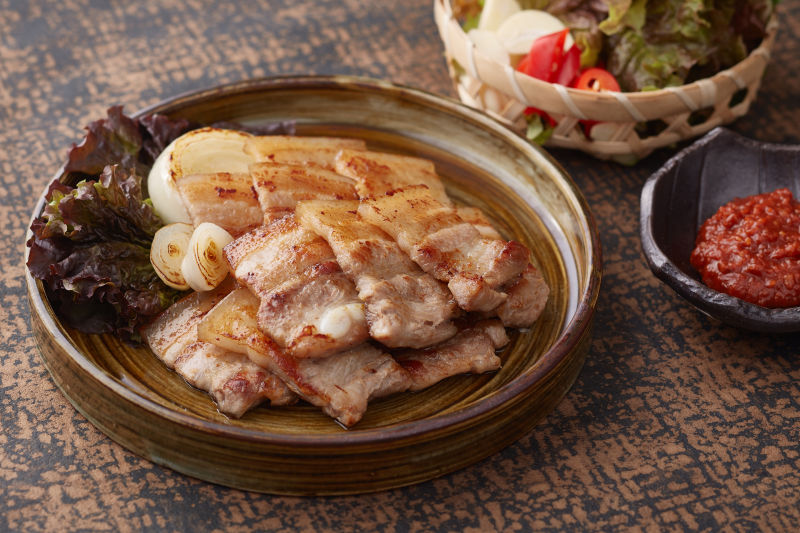
Across genres, from romance to crime to fantasy, almost every K-drama eventually arrives at a Korean barbecue table. Characters tear lettuce leaves, grill samgyeopsal (pork belly), wrap them with ssamjang and garlic, and pour soju shots while delivering emotional monologues. The samgyeopsal scene has become almost a ritual, a moment where conflicts are resolved, confessions are made, and friendships are sealed. VisitKorea calls grilled pork belly one of the favorite pork cuts among Koreans and a popular choice for company get-togethers, exactly the dynamic K-dramas reproduce so well.
How K-Drama Food Drove K-Food Global Expansion
The numbers tell the story. Korea's Ministry of Culture, Sports and Tourism reported that in North America, K-food drew more interest than even K-pop in 2024, accounting for 26.7 percent of Hallyu media coverage. Korean ramen exports surpassed one trillion won in 2025, with kimbap, tteokbokki, ramyeon, and Korean BBQ named the four categories driving growth. Korean fried chicken topped a 2025 global survey as the most loved Korean food, edging out kimchi. None of this happened in a vacuum. K-dramas planted these dishes in living rooms from Manila to Mexico City, made them aspirational, and turned every late-night eating scene into a soft-power campaign more effective than any tourism ad.
Explore More of Korea with Daebak
Want to bring a little piece of Korea into your life? The Daebak Box is packed with the best Korean snacks, ramen, and cultural goodies delivered monthly to your door.


