


Table of Contents
Seollal (설날) is the single most important holiday in the South Korean calendar. Celebrated on the first day of the lunar new year, usually falling between late January and mid-February, Seollal is a time for family reunions, ancestral rites, traditional foods, and customs that have been practiced on the Korean peninsula for over a thousand years. If you want to understand Korean culture at its deepest level, understanding Seollal is the place to start.
When Is Seollal?
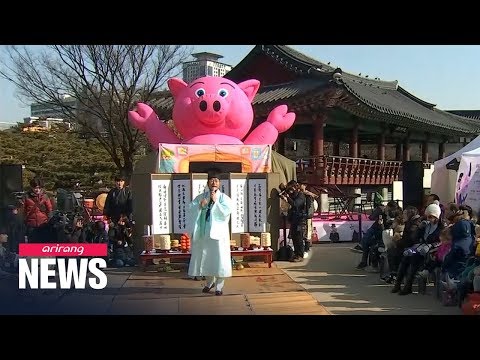
Seollal falls on the first day of the first month of the Korean lunar calendar, meaning its Gregorian date shifts each year. In recent years, Seollal has fallen in late January or February. The official holiday in South Korea spans three days: the day before Seollal, Seollal itself, and the day after. During this period, South Korea essentially shuts down as tens of millions of people travel to their hometowns in what is one of the largest annual human migrations in the world. Roads and trains sell out weeks in advance.
Charye: The Ancestral Memorial Rite
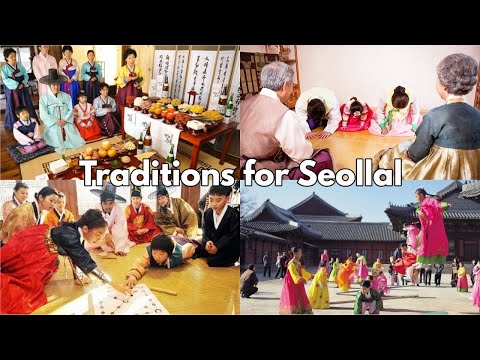
The heart of Seollal morning is charye (차례), a memorial rite performed to honor the spirits of deceased ancestors. Families arrange a ritual table, called a jesa table, loaded with specific foods including rice, soup, fish, meat, vegetables, and fresh fruit, all arranged according to strict traditional rules that differ slightly by region and family. Incense is burned, bows are performed toward the table, and the family shares the food together after the ritual. Charye reinforces the Confucian values of filial piety and respect for elders that are fundamental to Korean culture.
Sebae: The New Year Bow
After charye, children perform sebae (세배), a deep ceremonial bow made to parents, grandparents, and other elders in the family. The bow, called a keun jeol (큰절), involves kneeling and pressing the forehead to the hands on the floor. In return, elders offer words of wisdom and blessings for the new year, along with sebaedon (세백돈), traditional New Year money given in white envelopes. For children, sebaedon is one of the most anticipated parts of the holiday.
Seollal Foods: What Koreans Eat
No Seollal is complete without tteokguk (딽국), a soup made with thinly sliced oval rice cakes simmered in a clear beef broth, topped with egg strips, dried seaweed, and green onion. Eating tteokguk on Seollal morning is how Koreans traditionally mark turning a year older. There is a common saying that you are not fully a year older until you have eaten your bowl of tteokguk on Seollal.
Alongside tteokguk, Seollal tables feature japchae (glass noodles stir-fried with vegetables and beef), jeon (savory pancakes filled with kimchi, vegetables, or seafood), galbijjim (braised short ribs), sikhye (a sweet rice punch), and a wide array of hangwa (traditional Korean confectionery) including yakgwa (honey cookies) and dasik (pressed tea cakes).
Traditional Seollal Games
After the morning rites and meal, families gather for traditional games. Yutnori (유놀놀이) is the most beloved Seollal game, played with four wooden sticks used as dice. Teams compete to move their pieces around a board, and the game can get surprisingly intense and competitive. Yeon naligi (kite flying) is another classic Seollal activity, as is neolttwigi (a traditional seesaw where players stand on each end and launch each other into the air) and jegichagi (a hacky sack-like game played with a feathered shuttlecock).
What to Wear for Seollal
Wearing hanbok (한복), Korea's traditional clothing, is one of the defining features of Seollal. Hanbok consists of a jeogori (a short jacket) and chima (a full skirt) for women, and a jeogori and baji (trousers) for men, typically made in bright, saturated colors with subtle patterns. While everyday hanbok has given way to modern clothing for most of the year, Seollal remains one of the few occasions when Koreans of all ages dress in traditional attire. Many families have custom hanbok made or passed down through generations.
Seollal Gifts and Giving
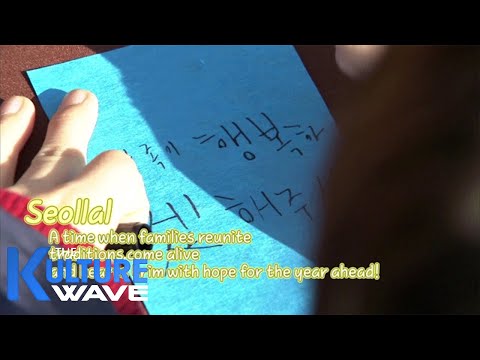
Gift-giving is an important part of Seollal culture. Traditional Seollal gifts include premium food sets (spam gift sets are genuinely popular and considered thoughtful), health supplements, high-quality fruit, traditional sweets, and cash. Department stores and markets launch major Seollal gift promotions weeks in advance. In corporate culture, it is common for companies to give employees special Seollal bonuses or gift sets.
Want to experience a taste of Korean culture throughout the year? The Daebak Box is a monthly subscription delivering authentic Korean snacks, K-beauty products, and cultural favorites to your door, wherever you are in the world. It is the perfect way to stay connected to the Korea you love all year round.


