


Table of Contents
A Korean dosirak (도시락) is the Korean lunchbox, and it is one of the most quietly important food traditions in Korean culture. The word itself dates back to the Joseon dynasty, and the modern dosirak still carries the same idea: a portable, balanced, compact meal that travels well, looks beautiful when opened, and feels personal in a way few restaurant meals can match. Every Korean adult has a strong dosirak memory, usually from school, the military, or a long-distance KTX train ride.
This guide walks through everything worth knowing about Korean dosirak: what makes a dosirak distinct from a Japanese bento, the famous shake-and-eat retro tin lunchbox, the modern convenience store dosirak boom, the most popular dosirak components, and how to build one at home.
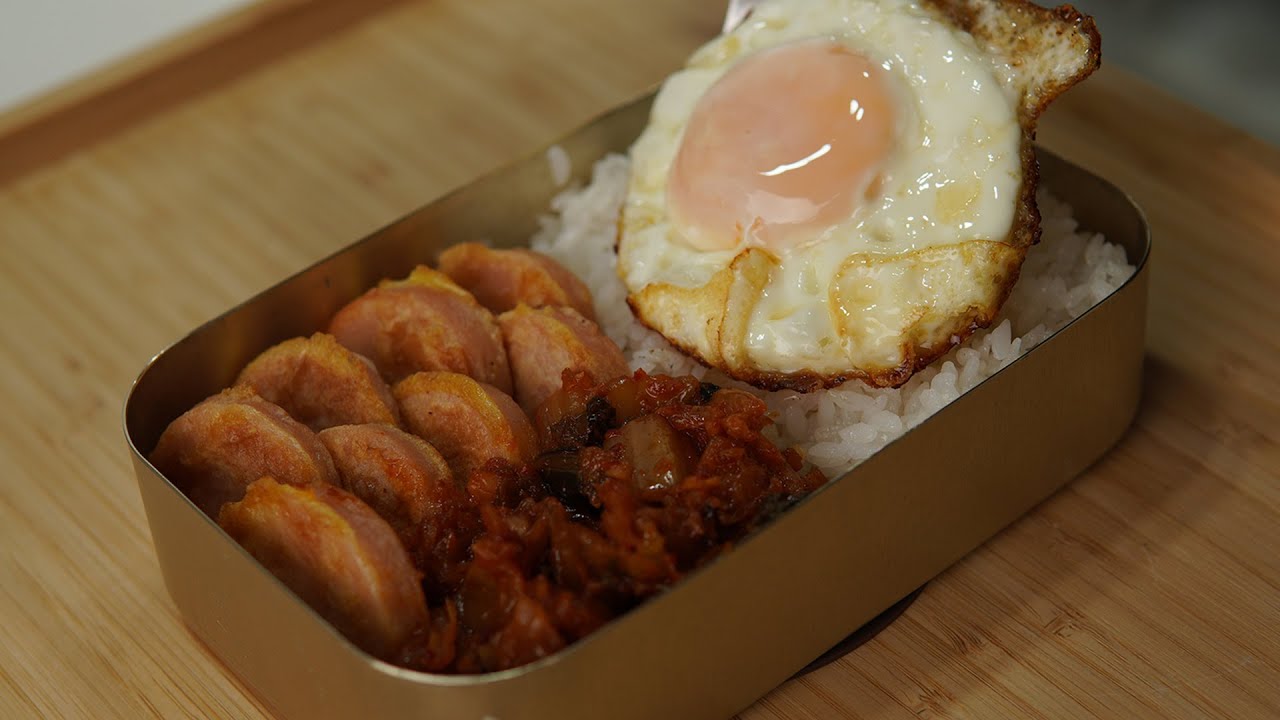
What Is a Korean Dosirak?
A dosirak is a Korean lunchbox: a single-serving portable meal usually containing rice, one or two main protein dishes (bulgogi, fried egg, sausage, fish), and three to five small banchan (kimchi, namul, japchae, jangjorim, or pickled vegetables). The components are arranged in separate compartments or sectioned containers so the flavors stay distinct and the visual presentation remains crisp.
Modern dosirak containers come in three main formats: traditional rectangular plastic or stainless-steel boxes with multiple compartments, square retro-style tin lunchboxes from the 1970s and 1980s, and the disposable plastic-and-cardboard dosirak sold at Korean convenience stores. All three are still in active daily use across Korean homes, schools, and offices.
Dosirak vs Bento: Korean and Japanese Lunchbox Differences
Korean dosirak and Japanese bento look superficially similar but follow different aesthetic and culinary logic. A bento prioritizes visual artistry, with carefully shaped rice, decorated fruit, and a careful color-balancing principle (Japanese tradition calls for five colors and five flavors in every bento). A dosirak prioritizes practical balance, with bigger portions, heartier protein, and Korean staples like kimchi that introduce strong, savory, fermented notes that would feel out of place in a Japanese bento.
The visual presentation also differs. Japanese bento tends toward delicate, precise arrangement. Korean dosirak tends toward generous, colorful, slightly chaotic abundance. A Korean dosirak is more likely to have a fried egg directly on top of rice (often with a yolk that breaks when stirred), while a Japanese bento would typically keep the egg as a separate, neat element.
The Retro Shake-and-Eat Dosirak
The single most famous dosirak in Korean culture is the 1970s and 1980s school lunchbox, served in a thin rectangular tin with a tight-fitting lid. Korean students would pack the box with white rice, a fried egg, kimchi, sausage, and a little fish sausage. The box was meant to be shaken vigorously before eating, mixing the rice with the kimchi juice, egg, and toppings into a kind of improvised bibimbap.
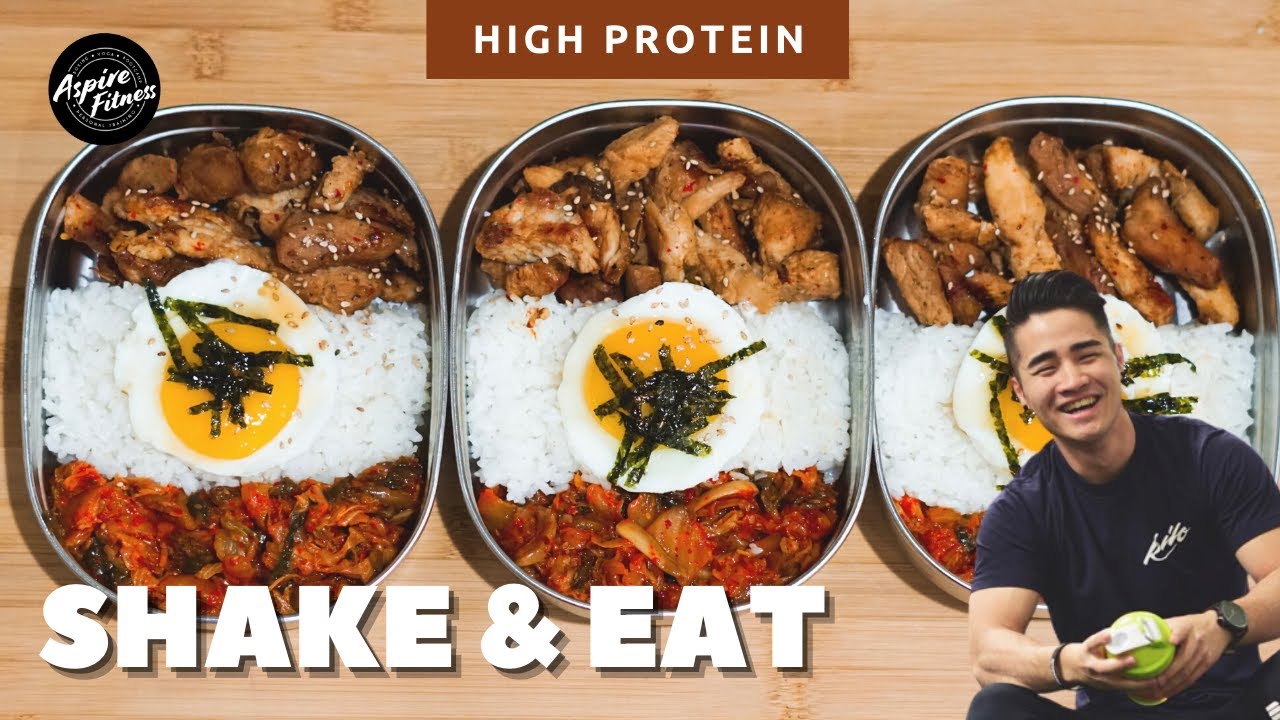
The shake step had a practical origin. Korean students often ate cold lunches on radiator-heated classroom floors, and the shake helped redistribute warmth and mixed flavors into a single bite. Today, the retro tin dosirak has become a nostalgic novelty: Korean cafes and themed restaurants serve modern versions, and many Korean YouTubers feature the shake ritual as comfort content.
The 1970s Korean School Dosirak
The classic Korean school dosirak from the 1970s typically contained: a layer of white rice on the bottom, half a fried egg or rolled omelet on one side, a handful of kimchi or sliced kkakdugi, a square of pink-and-white fish sausage (the chewy Korean version of bologna), and sometimes a small heap of seasoned bean sprouts (kongnamul) or stir-fried sausage with ketchup.
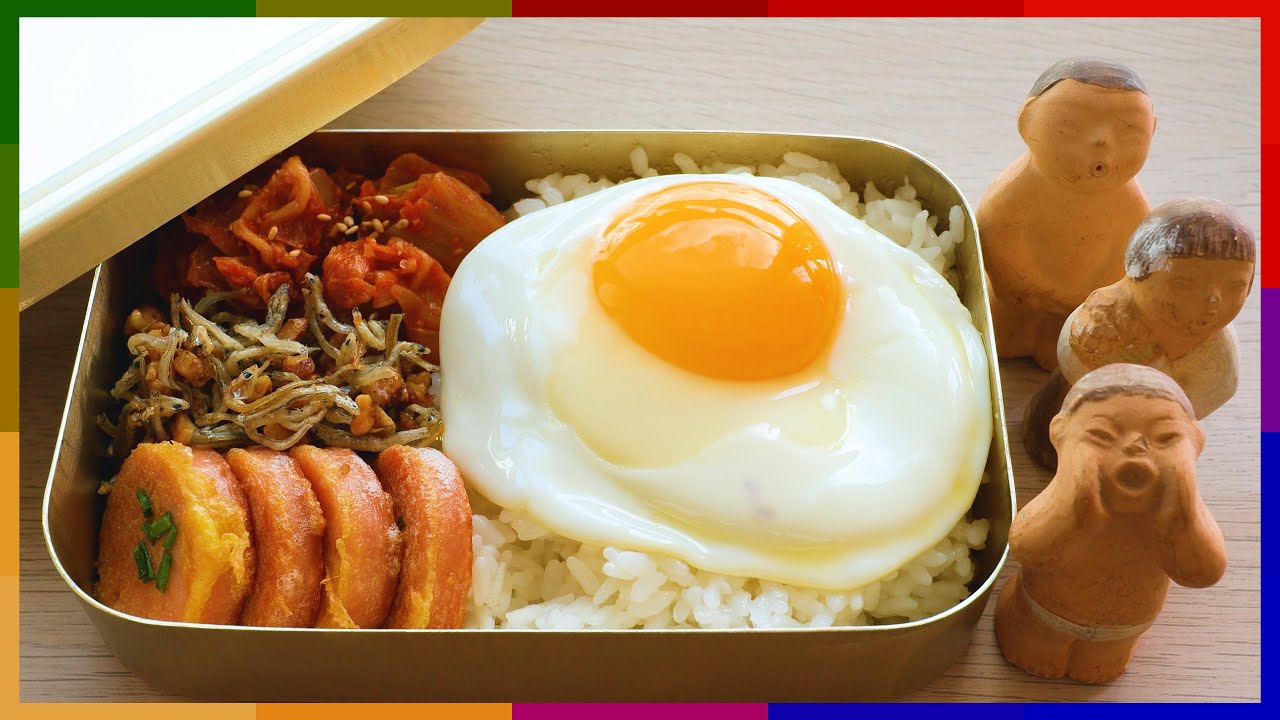
For Korean adults who grew up in this era, the dosirak carries deep emotional weight. Many describe it as the strongest taste memory of their childhood. Korean restaurants now play on this nostalgia by offering "school dosirak" sets at retro Korean diners, complete with the original tin lunchbox and a wooden classroom-style desk to eat at.
The Modern Convenience Store Dosirak Boom
The most significant evolution of the dosirak over the past 20 years has been the rise of convenience-store dosirak. Korean chains like GS25, CU, 7-Eleven Korea, and Emart24 now sell ready-to-eat dosirak meals with full rice, protein, multiple banchan, and even mini desserts, all for around 3,500 to 6,500 won. The quality is significantly higher than typical Western convenience-store food, and Korean office workers often eat convenience-store dosirak for lunch several times a week.
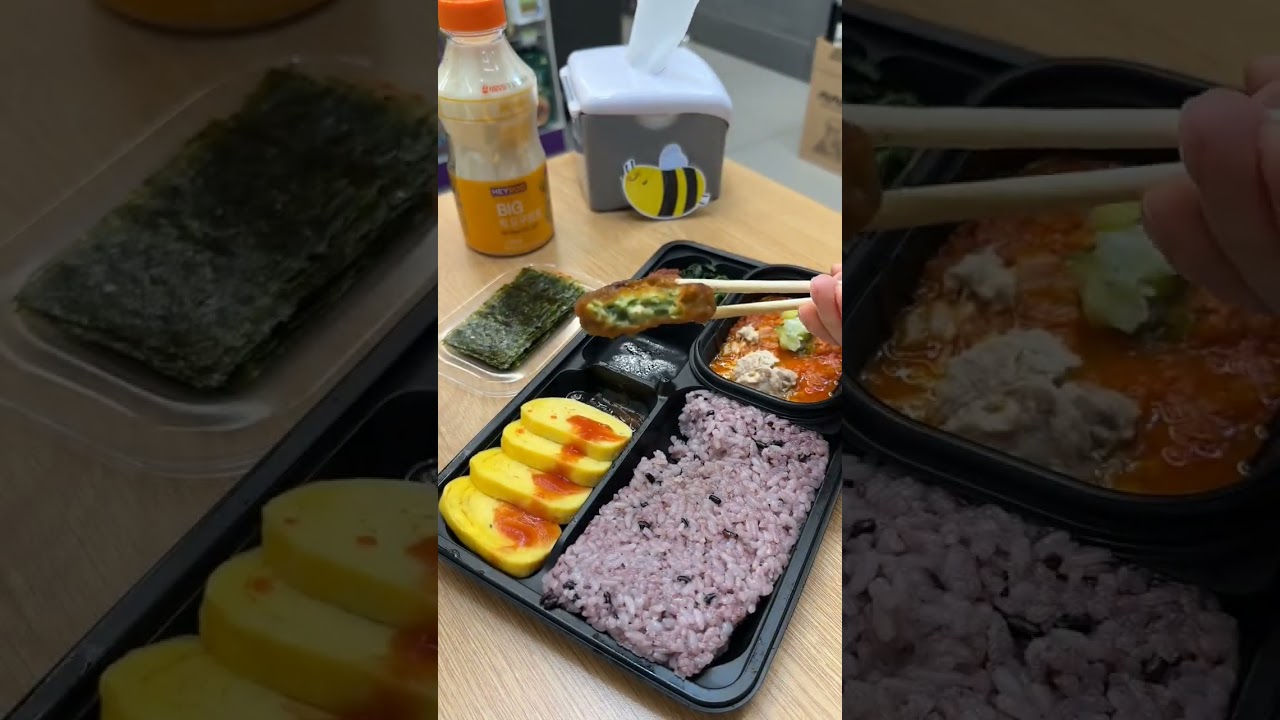
Each major chain has signature dosirak lines: GS25 partners with Korean celebrities (Hyesung Lim, Heechul, BTS) to release themed dosirak that fans collect, CU runs a long-running affordable hero meal at 3,500 won, and Emart24 specializes in premium versions with seafood and rare side dishes. The dosirak section is now one of the busiest parts of every Korean convenience store at lunch time.
K-drama Dosirak Moments
Dosirak shows up constantly in K-dramas, usually as a signal of effort, care, or romance. A Korean character making a dosirak for someone else is essentially shorthand for "I am thinking about you." The most famous example in recent K-drama history is the Squid Game dosirak scenes, where the lunchboxes serve a specific narrative role.
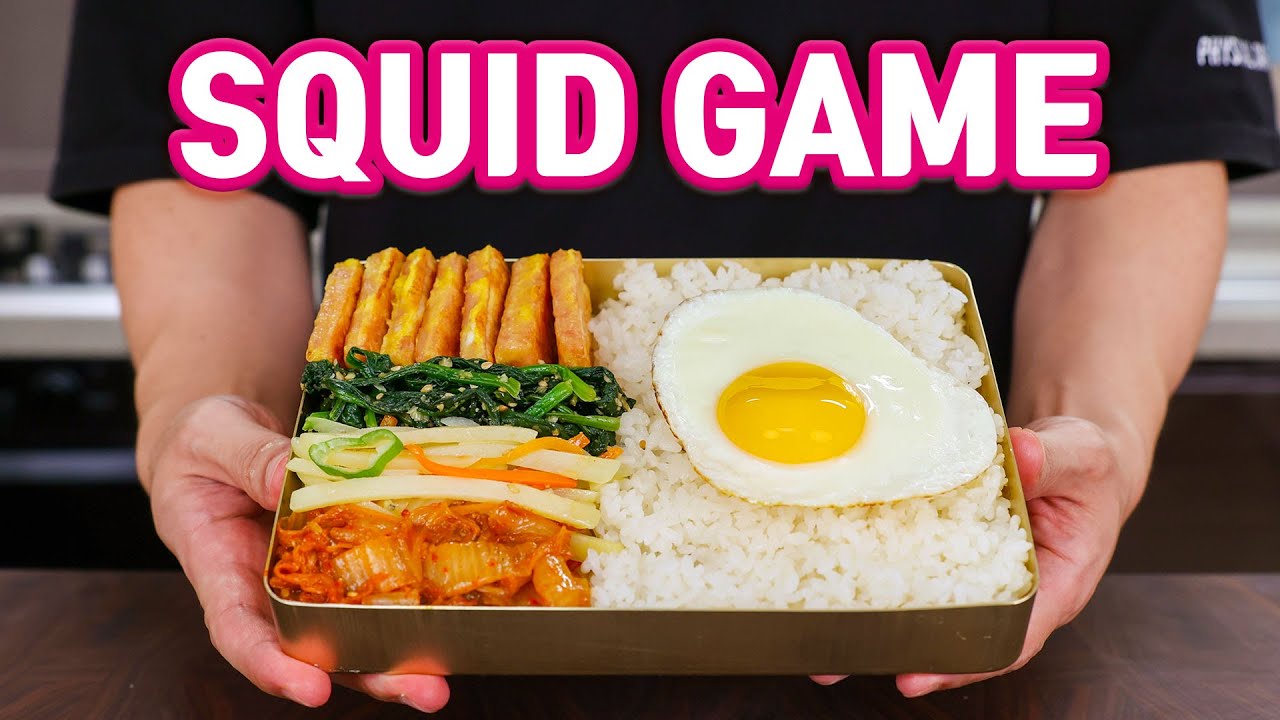
Other notable K-drama dosirak moments include the Reply 1988 school lunches, Crash Landing on You's hand-prepared romance dosirak, and the Hospital Playlist hospital-cafeteria dosirak that the doctors share between cases. International K-drama fans often try to recreate these specific lunchboxes at home, which has boosted Korean dosirak culture's global recognition.
How to Build a Korean Dosirak at Home
Building a Korean dosirak at home is more about balance than recipes. Start with a compartmentalized container, plastic or stainless steel, with at least three sections. Fill the largest section with short-grain Korean rice, ideally pressed flat. Add one main protein dish: bulgogi, japchae, fried fish, gyeran-mari (rolled omelet), or pan-fried sausages. Then add three banchan: one kimchi, one fresh namul (seasoned vegetables), and one pickled or savory side like jangjorim or jjajang.
The visual presentation matters as much as the flavor. Aim for color contrast (red kimchi, yellow omelet, green namul, white rice), keep the proteins on one side, and avoid letting any wet item leak across the other compartments. A small dab of gochujang or a sprinkle of sesame seeds on the rice elevates a simple dosirak into something that feels personal and intentional.
Explore Korean Snacks with Daebak
Love Korean food? Get authentic Korean snacks and ramen delivered straight to your door with the SnackFever Box by Daebak.


