


Table of Contents
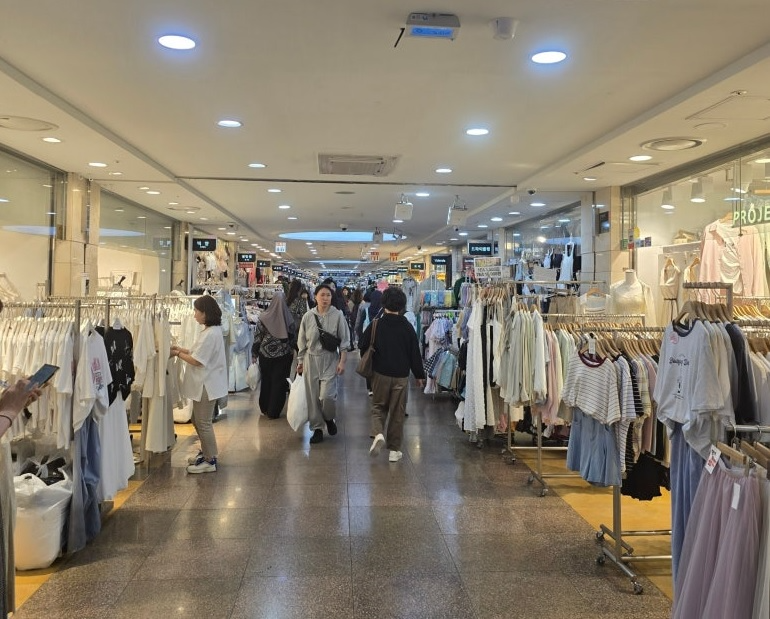
Beneath Seoul's busiest subway hubs lies a parallel retail city. Korea's underground shopping malls, called jihasangga (지하상가), stretch for kilometers under intersections and transfer stations, packed with discount fashion vendors, accessory stalls, flower shops, snack carts and cosmetics counters. They are climate-controlled, air-raid-rated, and often dramatically cheaper than the boutiques above ground.
This guide covers the largest jihasangga across Seoul and Incheon, what to buy, how to bargain, and the underground food culture that keeps commuters fed between transfers.
Why Korea built so many underground malls
Seoul's underground commercial network traces back to the rapid urbanization of the 1970s and 1980s. Many of the original tunnels were dug as Cold War civil defense shelters, designed to evacuate downtown crowds in the event of conflict with North Korea. As land prices soared and surface space disappeared, city planners and Seoul Metro began leasing the corridors to retailers.
According to Cho Won-chul, professor emeritus of civil engineering at Yonsei University, while Tokyo, New York and London developed underground spaces mainly for transit or emergency use, Seoul prioritized commercial development to keep pace with its economic boom. Today the malls help offset Seoul Metro's mounting deficits, which reached 724.1 billion won at the end of 2024.
Goto Mall: the legendary bargain mecca
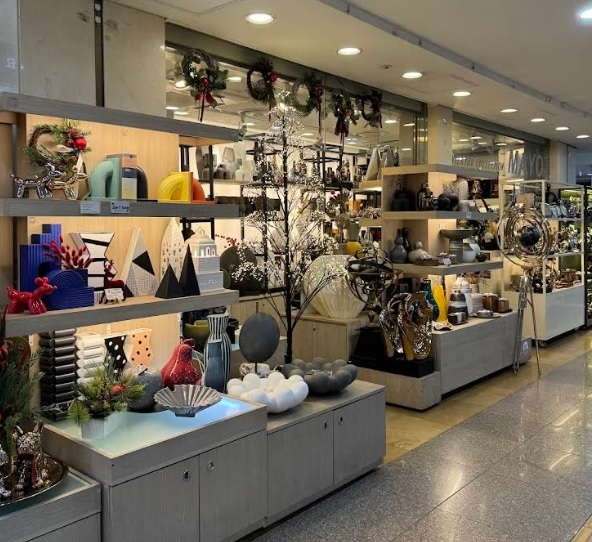
Goto Mall (고투몰), officially the Gangnam Terminal Underground Shopping Center, is the most famous jihasangga in Korea. Located beneath Express Bus Terminal Station, a major transfer hub for Seoul Subway Lines 3, 7 and 9, it runs 880 meters in two parallel corridors with roughly 630 stores. The selection covers clothing, shoes, accessories, cosmetics, home decor and a vast flower market at the eastern end.
Goto Mall is known for prices that undercut Myeongdong or Garosu-gil by 40 to 70 percent. Many women's dresses sell for 5,000 to 15,000 won, and basic tops can be found from 5,000 won. Operating hours run 10:00 to 22:00, and the mall is closed on Lunar New Year and Chuseok. Enter through Exit 8-1.
Gangnam Station Underground Shopping Center
One subway stop away on Line 2, the Gangnam Station Underground Shopping Center spreads like a spider's web beneath Gangnam-daero. The main customers are female college students and young office workers from the surrounding offices, so most stalls target trend-driven fashion, makeup and accessories. Hot items appear within days of going viral on Korean social media.
Hours run 09:00 to 22:00 daily, accessed from Gangnam Station Exit 8. Prices sit slightly above Goto Mall but the assortment skews newer and more K-pop-influenced. The corridor also functions as a free escape from Gangnam's brutal summer humidity.
Yeongdeungpo and City Hall underground arcades
Yeongdeungpo Underground Shopping Center, beneath Yeongdeungpo Station on Line 1, is a long-running working-class jihasangga known for modestly priced casual wear, school uniforms and bags. It links directly to Times Square mall and Lotte Department Store, offering a price ladder from underground bargain to surface luxury within a single block.
The City Hall (시청역) underground network connects Seoul City Hall, Deoksugung Palace, the Plaza Hotel and the Sogong-dong arcade, eventually merging with the Myeongdong Underground Shopping Center. The Sogong-dong section dates to 1978 and remains popular for menswear, leather goods and tailored shirts.
Bupyeong Modoo Mall: the world record holder
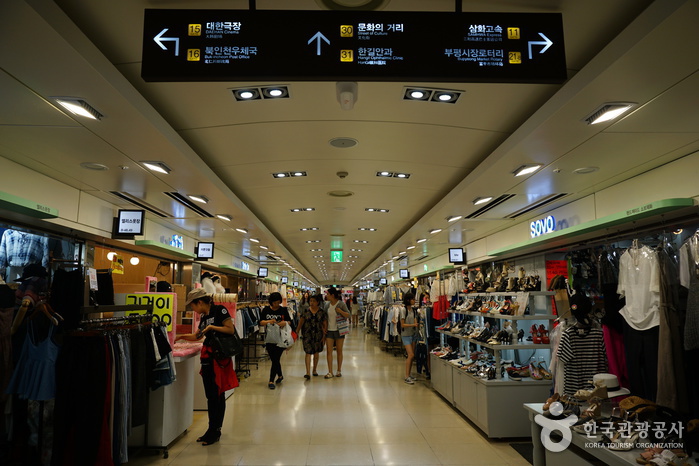
Incheon's Bupyeong Station underground arcade, branded Bupyeong Modoo Mall, holds the Guinness World Record set in 2014 for the largest number of shops in a single underground mall. The complex spans nearly 31,700 square meters and houses more than 1,400 stores divided into seven color-coded zones from A to G, serving up to 130,000 subway commuters a day.
Opened in 1989 and renovated multiple times, the mall offers leaflets and on-site interpretation in English and Chinese. The floor is marked with red, green, blue and orange trails to help shoppers navigate. Bupyeong Station Underground Mall and Sinbupyeong Underground Mall close on the first and third Tuesdays of each month.
COEX Mall: Asia's largest underground complex
COEX Mall in Samseong-dong is the largest underground shopping complex in Asia. Most of its roughly 154,000 square meters sit on a single underground floor housing more than 260 stores, plus the Megabox Cineplex with 17 screens, the Kimchi Museum, the COEX Aquarium and the convention center. Shinsegae Property has operated the mall since 2016 and added the photogenic Starfield Library, a 2,800-square-meter atrium with 13-meter bookshelves holding around 70,000 books.
COEX is accessed from Samseong Station Exit 5 or 6 on Line 2 and Bongeunsa Station Exit 7 on Line 9. Unlike Goto Mall or Bupyeong, COEX is dominated by international brands and franchise restaurants, so it functions more like an above-ground mall that happens to be underground.
Pricing, bargaining and payment culture
Underground prices typically run from 5,000 to 30,000 won for fashion items, sometimes lower for end-of-season clearance. Vendors at Goto Mall, Bupyeong and Yeongdeungpo expect light bargaining, particularly when buying multiple items. The standard approach is to ask politely whether a small discount, called "kkak-a-juseyo" (깎아주세요), is possible after picking two or more pieces.
Cash remains the preferred currency in older jihasangga. While most shops now accept Korean credit cards, foreign cards may be declined and many vendors offer a 5 to 10 percent discount for cash. ATMs sit near each main entrance. COEX, by contrast, accepts every major card and foreign payment app.
Best categories to buy underground
Goto Mall and Bupyeong are strongest for women's dresses, knit sweaters, costume jewelry and bags. Gangnam Station and Sinchon-style arcades lean toward K-pop-influenced casual wear and unofficial idol merchandise such as photocard sleeves, group-themed phone cases and lightstick accessories. Sogong-dong and the City Hall underground remain the best stop for tailored shirts, formal wear and leather belts.
Cosmetics counters in jihasangga often sell domestic K-beauty brands at duty-free-comparable prices, particularly sheet masks sold in 10-piece bundles. Insadong's Ssamzigil-adjacent underground passage adds traditional crafts, hanji paper goods and souvenir character merchandise to the mix.
Underground food: takoyaki, hotteok and Deli Manjoo
Every major jihasangga doubles as a casual food court. Common stalls include Deli Manjoo corn-shaped custard cakes, takoyaki, hotteok sweet pancakes, tteokbokki, kimbap, gimbap rolls and jjajangmyeon. The first Deli Manjoo store, operating since 1998 inside Myeongdong Station on Line 4, is famous for making all dough and filling on-site.
Larger malls such as Goto Mall and Central City include sit-down Korean restaurants, while COEX hosts an extensive food court with Korean, Japanese and Western chains. Standing tables at smaller franchise restaurants accommodate the fast-paced lifestyle of commuting Seoulites.

How to shop like a Korean ajumma
Experienced Korean shoppers, often middle-aged women known as ajumma, follow a predictable underground routine. They arrive shortly after the 10:00 opening to beat both crowds and humidity, walk an entire corridor end to end before buying anything, then circle back to the two or three stalls with the best prices. Trying clothes on is limited, so ajumma often hold items against their body, photograph the tag and check sizing later.
Weekday afternoons between 14:00 and 17:00 are the calmest shopping windows. Lunar New Year, Chuseok and major rainy spells push traffic up sharply because the corridors are sheltered.
Tips for tourists with no Korean
Most underground stalls have no English signs and vendors speak limited English, but transactions are simple. Translation apps such as Papago handle short questions, and most prices are posted on tags or stickers. Carry small bills, since many vendors cannot break 50,000-won notes early in the day.
Photography is allowed in the corridors but discouraged inside individual stalls. Sizing tends to run small by Western standards, especially in Goto Mall, so checking measurements rather than letter sizes is safer. Returns are generally not accepted, so confirm fit before paying.
Planning your underground shopping day
A practical Seoul itinerary pairs Goto Mall in the morning with Gangnam Station Underground in the early afternoon, ending at COEX for dinner and the Starfield Library. Travelers based near Incheon Airport can prioritize Bupyeong Modoo Mall, which sits about 30 minutes from the airport on Airport Railroad and Line 1. Sogong-dong and Myeongdong Underground work well as evening stops near Seoul's main tourist hotels.
All five networks accept T-money cards for subway access, and most have luggage lockers near the main exits. Carrying a foldable shopping bag is recommended, since vendors charge for plastic bags under Korea's single-use waste rules.
Explore More of Korea with Daebak
Want to bring a little piece of Korea into your life? The Daebak Box is packed with the best Korean snacks, ramen, and cultural goodies delivered monthly to your door.


