


Table of Contents
Solo K-pop has never felt more powerful. While groups still dominate the charts, a new wave of soloists is rewriting what a single performer can do, filling stadiums, dropping global hits, and shaping pop culture conversations from Seoul to New York. If you want to know where solo K-pop is heading next, these three artists are essential listening.
From a generational singer-actress who just made stadium history, to a sharp-tongued rapper turned variety-show queen, to a Bangtan member chasing one Billboard record after another, these soloists prove that going solo can be just as electric as fronting a group.
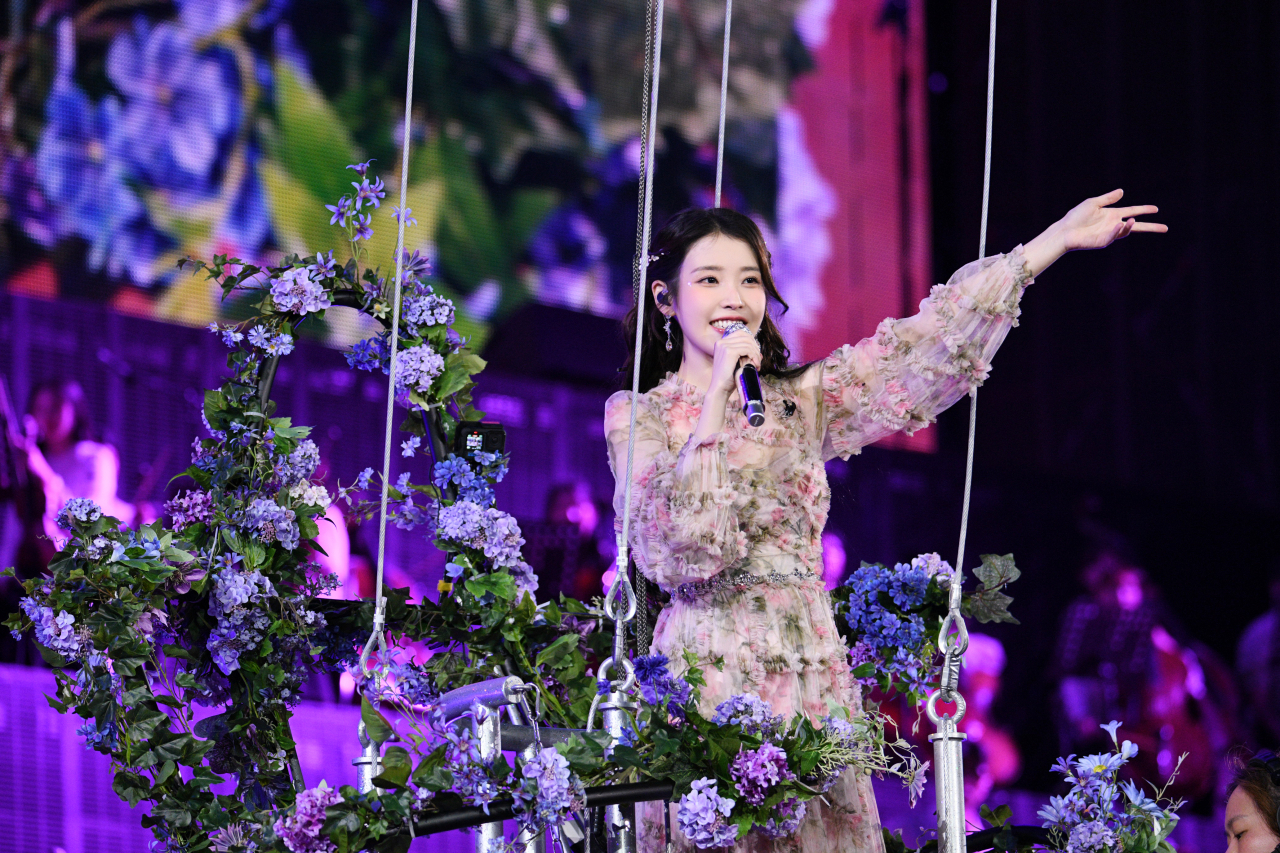
1. IU: The Solo Queen Who Made Stadium History
IU (Lee Ji-eun) is the artist every other soloist in Korea is measured against. With 16 years in the industry, she has built a catalogue that runs from the dreamy "Through the Night" and "Strawberry Moon" to the sharper "Celebrity" and "Holssi," each release feeding a fanbase that turns up in numbers most groups would envy.
In September 2024, she closed her HEREH world tour with two nights at Seoul World Cup Stadium, drawing roughly 100,000 fans across the weekend and becoming the first woman musician to headline the country's largest venue, following PSY, G-Dragon, and SEVENTEEN. The encore show, billed THE WINNING, doubled as her 100th solo concert, an internal milestone that quietly speaks to how relentless her live schedule has been.

Keep an eye on IU for two reasons. First, her acting career keeps climbing, with My Mister, Hotel del Luna, and the 2023 film Dream cementing her as a true double threat. Second, she is openly mapping out a longer career arc, talking about pacing herself for "the next 14 years," which signals more world tours, more collaborations, and more genre experiments to come.
2. Lee Young-ji: Generation MZ's Sharpest Solo Voice
Lee Young-ji broke through by winning Mnet's High School Rapper 3 in 2019 at 16, then took the top spot on Show Me The Money 11, the first woman to do so. From there she pivoted into variety, becoming a fixture on shows like Earth Arcade and Hangout with Yoo, and turning her YouTube mukbang series My Alcohol Diary into a cultural touchstone with hundreds of millions of cumulative views.

Her solo music finally caught up to her fame in 2024 with 16 Fantasy, her first EP in five years. Lead single "Small Girl," featuring EXO's D.O., topped Melon's daily chart, swept Inkigayo, Show! Music Core, and M Countdown, and peaked at No. 38 on Billboard's Global 200. The song deliberately swerves from her hardcore hip-hop roots into easy-listening R&B and pop-rap, signalling a new artistic direction.

Watch for Lee Young-ji's next moves carefully. Critics describe her as the "President of Generation MZ" for a reason, and producers like Na Young-seok credit her with fluidly switching between celebrity and creator identities. Expect more crossover hits, deeper variety work, and a steady push into the global market through collabs with K-pop idols.
3. Jungkook: BTS's Solo Record-Breaker
Within BTS, Jungkook (Jeon Jung-kook) was always the "golden maknae," but his solo era has reframed him as one of the most commercially powerful Korean artists of the streaming age. His 2023 debut album Golden carried 11 English-language tracks, led by "Standing Next to You," with prior singles "Seven" featuring Latto and "3D" already global hits.
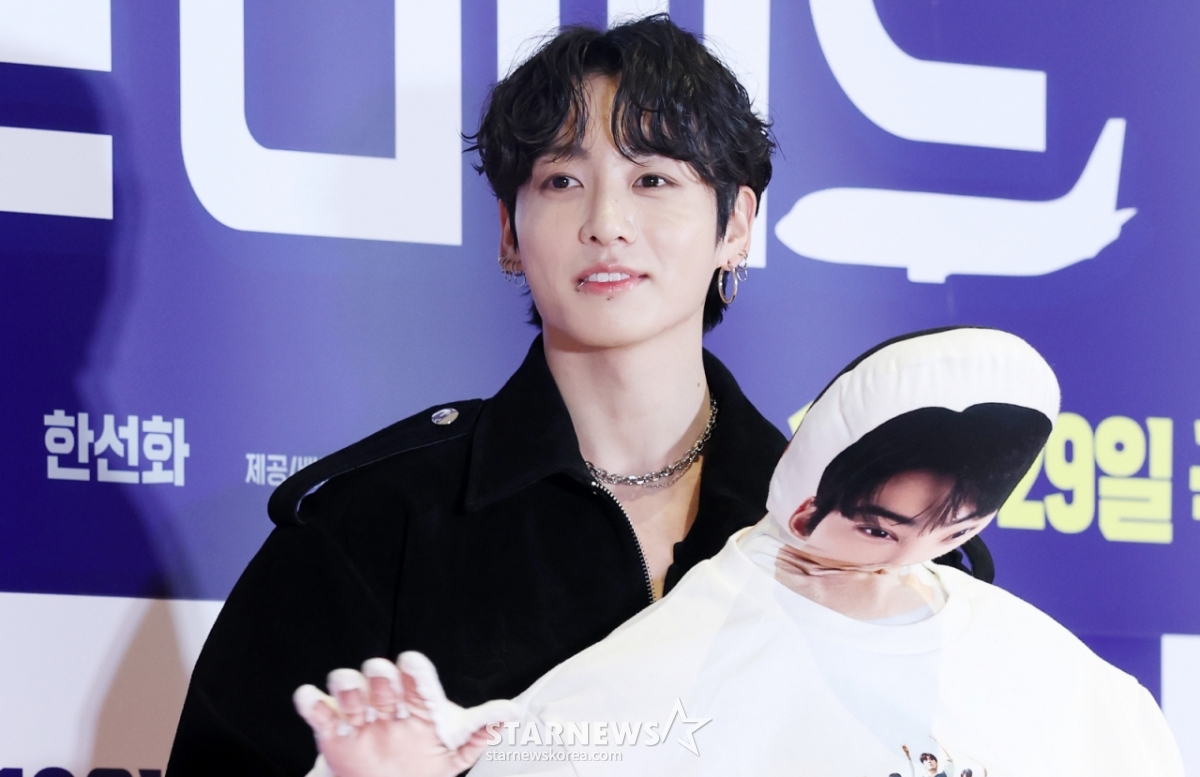
The numbers tell the story. Golden became the first album by a Korean solo artist to sell three million copies, debuted at No. 2 on the Billboard 200, and stayed on the main albums chart for a record 25 weeks. By early 2026, "Seven" had charted for 133 weeks on Spotify's Weekly Top Song Global and Golden for 117 weeks on the Weekly Top Album Global, both firsts and the longest runs for any Asian solo artist.
Why watch Jungkook now? With BTS's group activities restarting after their military service, Jungkook's solo catalogue continues to grow on streaming charts week after week. Whatever he releases next, whether a Korean-language follow-up to Golden or new collaborations, lands on a fanbase already trained to push it to record levels.
Why These Three Soloists Matter
Each of these artists answers a different question about what solo K-pop can be. IU shows that one voice and a strong song catalogue can fill the biggest stadium in Korea. Lee Young-ji proves that the line between musician, rapper, host, and content creator is gone, and that authenticity travels further than genre purity. Jungkook demonstrates that a soloist from an idol group can rewrite global streaming records once given the right release strategy.
Together they map out three pathways for the next generation of K-pop soloists: legacy artistry, multi-platform charisma, and global pop scale. Keep an eye on what they release next, and you will see where the rest of the industry is heading.
Explore More of Korea with Daebak
Want to bring a little piece of Korea into your life? The Daebak Box is packed with the best Korean snacks, ramen, and cultural goodies delivered monthly to your door.


