


Table of Contents
If there is one food that defines Korean cuisine, it is kimchi. This pungent, spicy, deeply flavorful fermented vegetable dish is present at nearly every Korean meal, served as a side dish, cooked into stews and pancakes, and eaten morning to night. With over 200 recognized varieties and a history spanning more than a thousand years, kimchi is far more than a condiment. It is a living symbol of Korean culture.
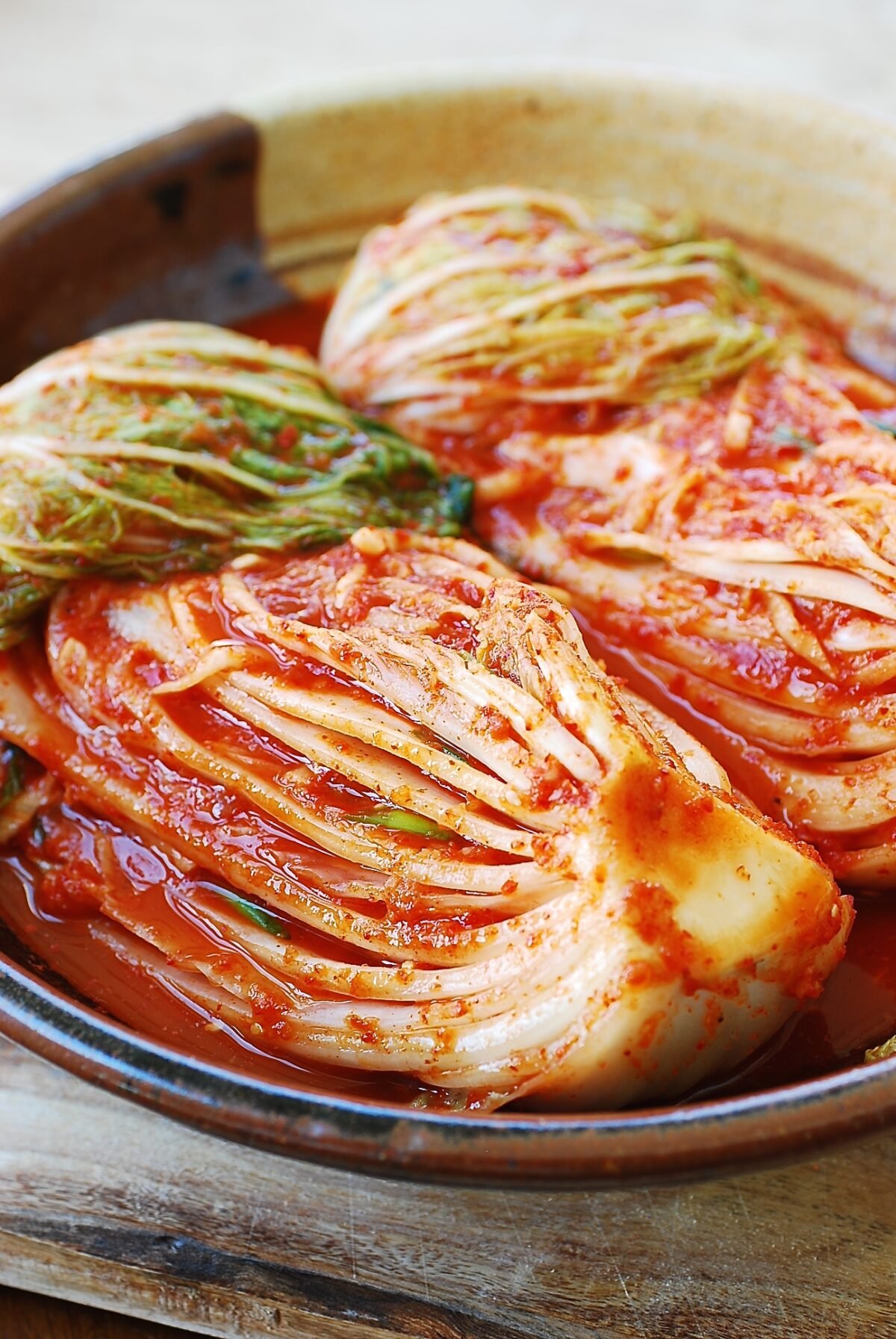
What Is Kimchi?
At its most basic, kimchi is salted and fermented vegetables seasoned with a paste of chili flakes (gochugaru), garlic, ginger, fish sauce or salted shrimp, and green onions. The most common version is baechu-kimchi, made with napa cabbage. But the kimchi family extends far beyond that: radish, cucumber, green onion, perilla leaf, and even water-based kimchi (mul-kimchi) are all beloved varieties. The fermentation process transforms fresh vegetables into something complex, sour, and deeply umami, with a characteristic tang that deepens the longer it ferments.
A Brief History of Kimchi
Koreans have been fermenting vegetables for over 2,000 years, though early kimchi bore little resemblance to today's version. Before chili peppers arrived in Korea via Portuguese traders in the 16th century, kimchi was made with salt, garlic, and ginger but without any heat. It was the addition of gochugaru that created the fiery red kimchi the world now recognizes. By the Joseon Dynasty (1392-1897), kimchi had become deeply embedded in Korean food culture, and kimjang, the communal tradition of making large batches of kimchi in late autumn, was a cornerstone of village life. In 2013, kimjang was inscribed on UNESCO's Intangible Cultural Heritage list.
Popular Types of Kimchi
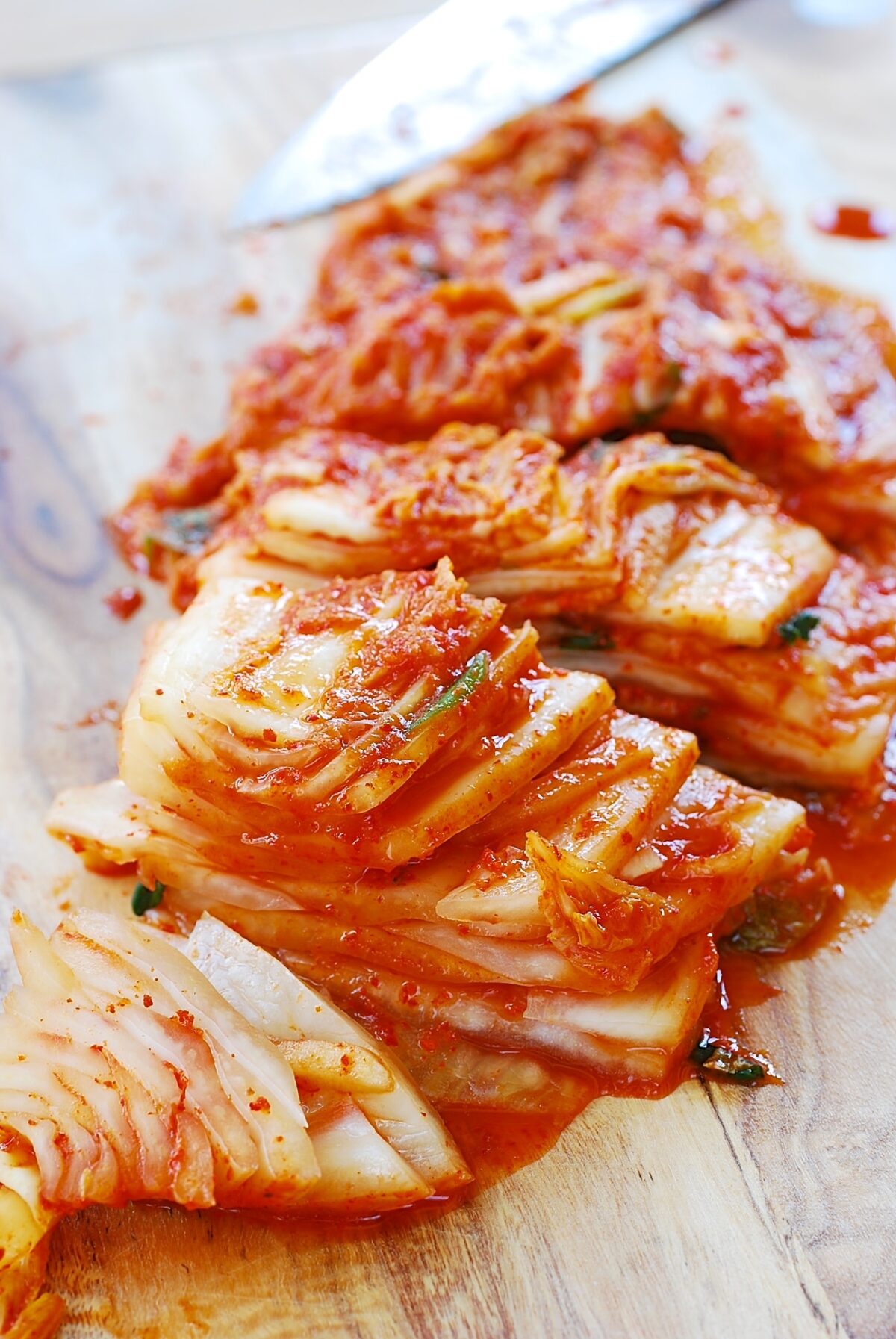
While baechu-kimchi is the most recognized, Korea's kimchi landscape is remarkably diverse. Kkakdugi is a cubed radish kimchi with a satisfying crunch, often served alongside ox bone soup. Oi-sobagi is a stuffed cucumber kimchi that is light, refreshing, and perfect for summer. Nabak-kimchi is a mild, watery kimchi with a delicate broth ideal for those who cannot handle heat. Gat-kimchi, made from mustard leaves, has a pungent, slightly bitter flavor beloved in Jeolla province. Each region of Korea has its own kimchi traditions, with variations in spice level, ingredients, and fermentation time.
The Health Benefits of Kimchi
Kimchi has gained global attention as a superfood, and for good reason. The fermentation process produces beneficial lactic acid bacteria (probiotics) that support gut health and immunity. Kimchi is rich in vitamins A, B, and C, and the garlic, ginger, and chili it contains have well-documented anti-inflammatory and antioxidant properties. Studies have linked regular kimchi consumption to improved digestion, lower cholesterol, and even reduced risk of certain cancers. It is also low in calories, making it a nutritious addition to almost any diet.
How to Make Kimchi at Home
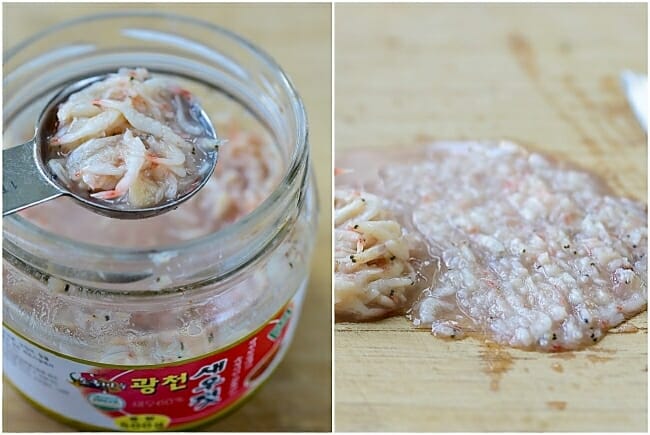
Making kimchi at home is a rewarding project that requires a few key ingredients. Start with a large napa cabbage, salted overnight to draw out moisture and soften the leaves. The heart of the recipe is the kimchi paste: mix gochugaru, fish sauce or soy sauce for a vegan version, minced garlic, fresh ginger, and salted shrimp if using. Coat every leaf of the cabbage thoroughly, pack tightly into a jar, and leave at room temperature for one to two days to begin fermentation before moving to the fridge. The kimchi will continue developing flavor over weeks. Many Koreans prefer aged kimchi (mukeunji) that has fermented for months, which develops an even deeper, more complex sour flavor perfect for cooking.
How Koreans Eat Kimchi
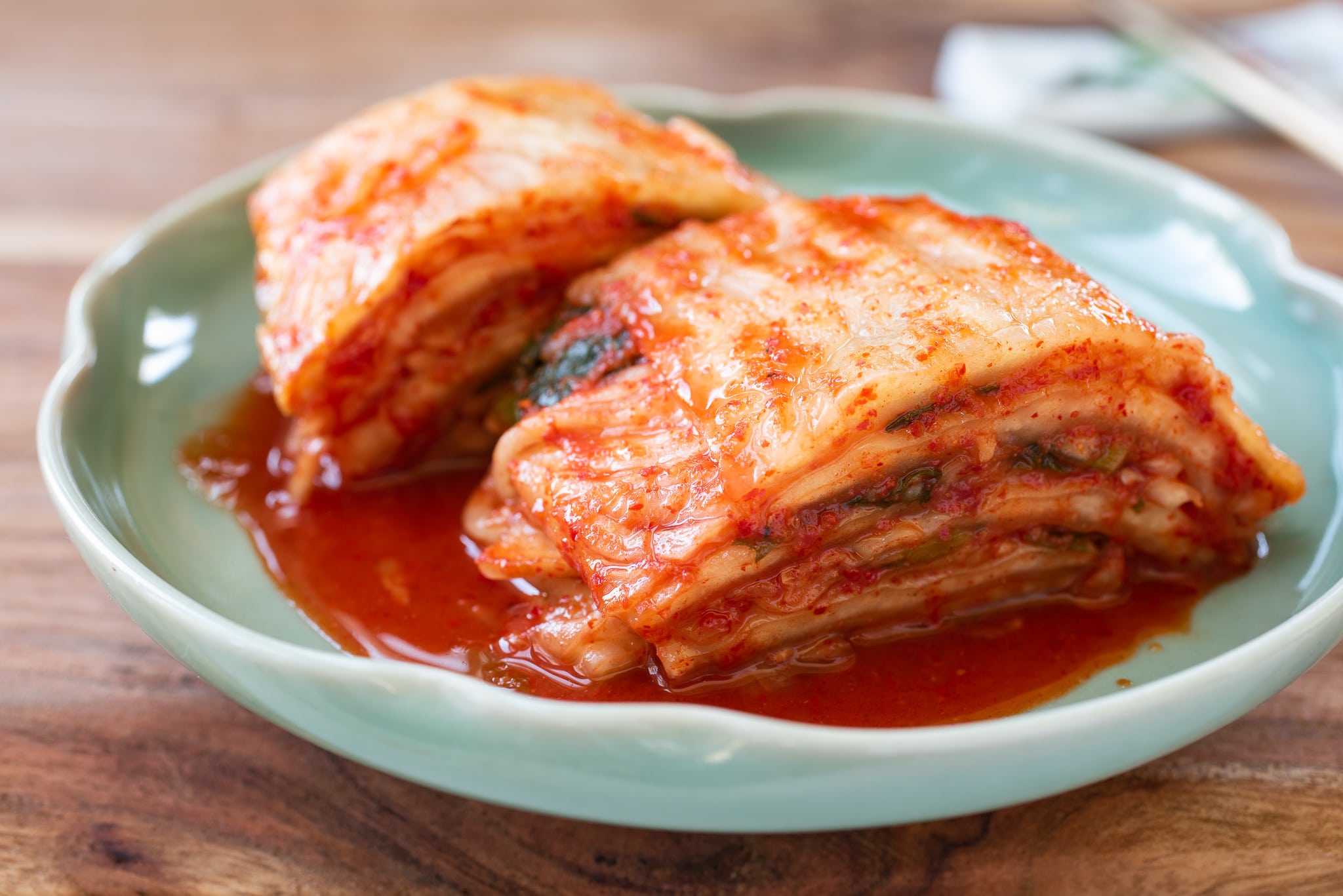
Kimchi is eaten at breakfast, lunch, and dinner in Korea, almost always as part of a spread of banchan (side dishes). But it also plays a starring role as a cooking ingredient. Kimchi jjigae (kimchi stew) is one of Korea's most comforting dishes, made by simmering aged kimchi with pork belly and tofu. Kimchi fried rice (kimchi bokkeumbap) is a quick weeknight staple. Kimchi pancakes (kimchijeon) are crispy, savory treats perfect with makgeolli rice wine. Even kimchi grilled cheese and kimchi quesadillas have become popular internationally as the ingredient crosses culinary borders.
Explore Korean Snacks with Daebak
Love Korean food? Get authentic Korean snacks and ramen delivered straight to your door with the SnackFever Box by Daebak.


