


Table of Contents
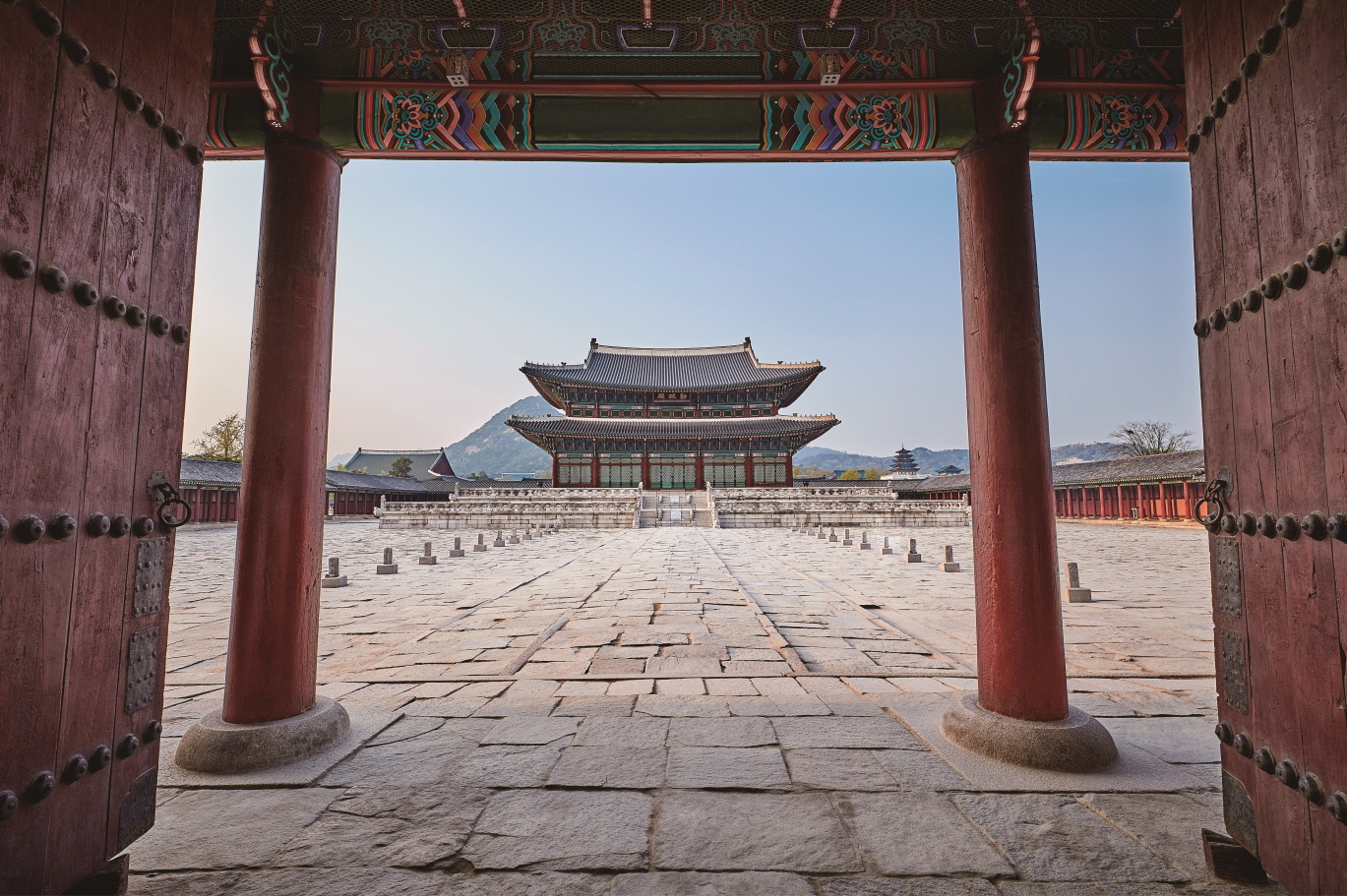
Walk through the eaves of Gyeongbokgung Palace or look up under a Buddhist temple roof in Korea, and you will see an explosion of red, blue, green, yellow, white, and black geometric patterns dancing across every beam. This is dancheong (단청), the 1,500-year-old Korean tradition of decorative architectural painting that turns wooden buildings into living color fields. More than ornament, dancheong protects timber, communicates a building's spiritual or royal status, and encodes ancient cosmology in pigment.
What Is Dancheong?
The word dancheong literally means red (dan) and blue-green (cheong), the two dominant tones of the palette. It refers to the elaborate multicolored patterns painted onto the wooden surfaces of temples, palaces, gates, pavilions, and other traditional Korean architecture. The art form traces back to murals in Goguryeo-era tombs from the Three Kingdoms period, and was refined over the Goryeo and Joseon dynasties into the highly codified visual language seen today on national treasures across the country.
The Five Obangsaek Colors
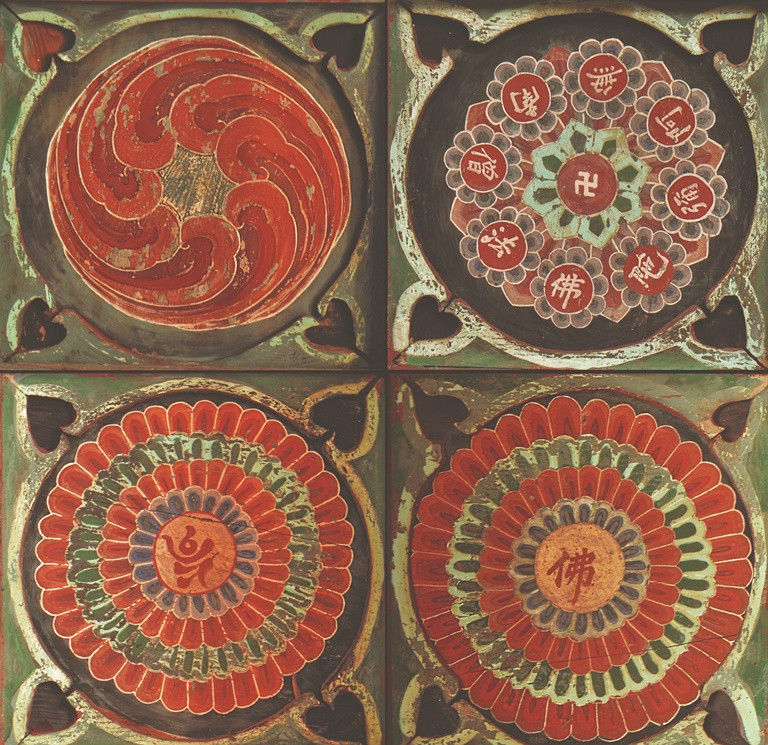
Dancheong is built on obangsaek, the five cardinal colors of Korean cosmology, each tied to a direction, season, and natural element. Cheong (blue) represents the east and wood, jeok (red) the south and fire, hwang (yellow) the center and earth, baek (white) the west and metal, and heuk (black) the north and water. These five tones, mixed and layered into more than twenty secondary hues, give dancheong its instantly recognizable harmony of bold primaries balanced by cool greens and deep blacks.
Practical and Spiritual Purposes
Dancheong was never purely decorative. The mineral pigments mixed with agyo (animal-hide glue) sealed wooden timbers against moisture, insects, and rot, extending the lifespan of structures that would otherwise crack in Korea's humid summers and cold winters. At the same time, dancheong served spiritual and social functions. Patterns of lotus blossoms, dragons, cranes, and clouds warded off evil, invited blessings, and signaled exactly what kind of building a viewer was looking at: a royal throne hall, a Buddhist sanctuary, or a Confucian shrine.
The Six Categories of Dancheong
Traditional dancheong is classified into six grades of increasing complexity. Gachil dancheong is a plain monochrome base coat. Geutgi dancheong adds simple linear borders. Moro dancheong concentrates color only on the ends of beams. Geummoro dancheong adds gold accents in those corner areas. Geum dancheong, the most elaborate everyday grade, covers the entire surface with rich patterns. Byeolhwa dancheong adds special figurative scenes like dragons, birds, or Buddhist deities painted within the patterned fields, and is reserved for the most sacred or status-laden buildings.
Where to See Famous Dancheong
Seoul's palaces are an open-air dancheong museum. Geunjeongjeon at Gyeongbokgung, Injeongjeon at Changdeokgung, and the gates of Jongmyo Royal Shrine all carry royal-grade painting. For temple dancheong, head to Bulguksa and Haeinsa in Gyeongsangnam-do, Tongdosa near Yangsan, Beomeosa in Busan, and Beopjusa in Songnisan National Park. Tip: Gyeongbokgung opens its gates free of charge on certain evenings, and the low golden light makes the dancheong glow against the dark eaves better than any midday photo.

Dancheongjang: The Master Painters
A dancheongjang is a master of the craft, and the art was designated as Important Intangible Cultural Property No. 48 in 1972 to safeguard a discipline that takes at least a decade to master. Each painter traditionally works in only one color, so a single temple beam requires a team of artisans moving in sequence. Living National Treasure holders train apprentices through years of stencil work, pigment grinding, and brush practice, while the Korea Heritage Service maintains supplies of traditional materials and documents fading patterns before they are lost.
Sungnyemun and Modern Restoration
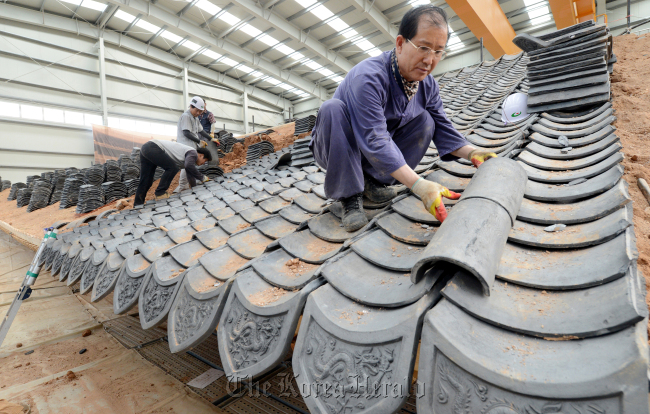
Dancheong made national headlines in 2008 when Sungnyemun, the 14th-century gate known as Korea's National Treasure No. 1, was destroyed by arson. The five-year, 22.5-billion-won restoration unveiled in 2013 included a full re-application of dancheong using traditional mineral pigments. The repainting drew sharp public debate when paint began flaking within months, exposing how rare authentic Korean pigments had become and accelerating the search for domestic alternatives. Ongoing restoration work at Gyeongbokgung continues to refine those techniques today.
Dancheong vs Japanese and Chinese Decoration
Korean dancheong is often compared with Chinese caihua and Japanese architectural color, but the differences are clear. Chinese palace painting tends toward bold red and gold with simpler patterning. Japanese architecture leans on natural wood grain accented with restrained black and vermilion. Korean dancheong sits in the middle, dense and intricate like Chinese work but cooler and more layered, with the distinctive green-on-top, red-on-bottom layout that mirrors a tree and helps the building blend into the surrounding mountains.
Dancheong in Modern Fashion, K-pop, and Design
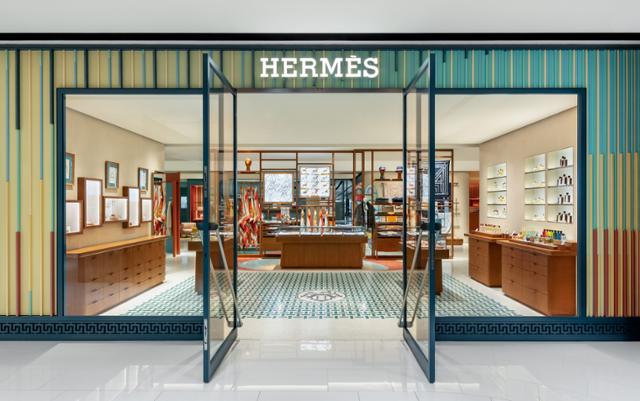
Far from being a museum piece, dancheong now lives in K-pop visuals, fashion, and luxury retail. BTS used a dancheong-painted temple sequence in the Idol music video, NewJeans referenced traditional Korean color palettes in their Get Up era visuals, and concert posters for global tours by artists like Maroon 5 borrow obangsaek contrasts directly. In 2025, Hermès reopened its expanded Hanwha Galleria flagship in Seoul wrapped in an anodised-metal facade explicitly inspired by dancheong patterning, a sign that the tradition has moved firmly into contemporary global design.
Discover Korean Craft with SULSUL
Bring home a piece of Korea's living craft tradition with the SULSUL Box by Daebak, featuring handcrafted norigae, a dragonfly brooch, and a DIY knotted bracelet kit that celebrate traditional Korean artistry.


