


Table of Contents
Just over an hour north of Seoul lies one of the most surreal places on earth, the Korean Demilitarized Zone. Created when the Korean War ended in an armistice in 1953, this 250-kilometer strip of land has separated North and South Korea for more than seven decades and turned into a strange mix of Cold War history, military tension, and accidental wildlife paradise. For travelers, it is one of Korea's most fascinating day trips.
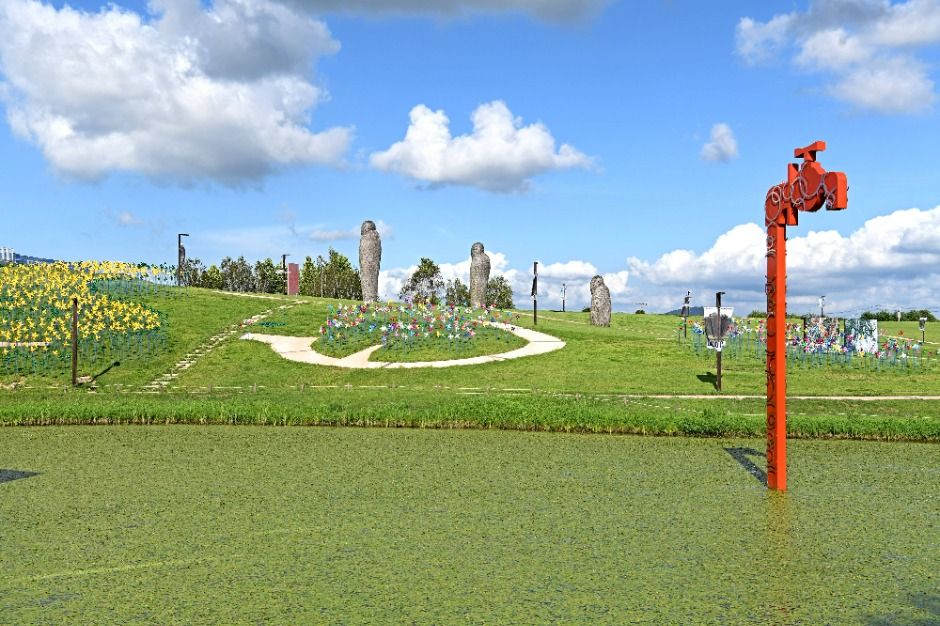
What Is the DMZ?
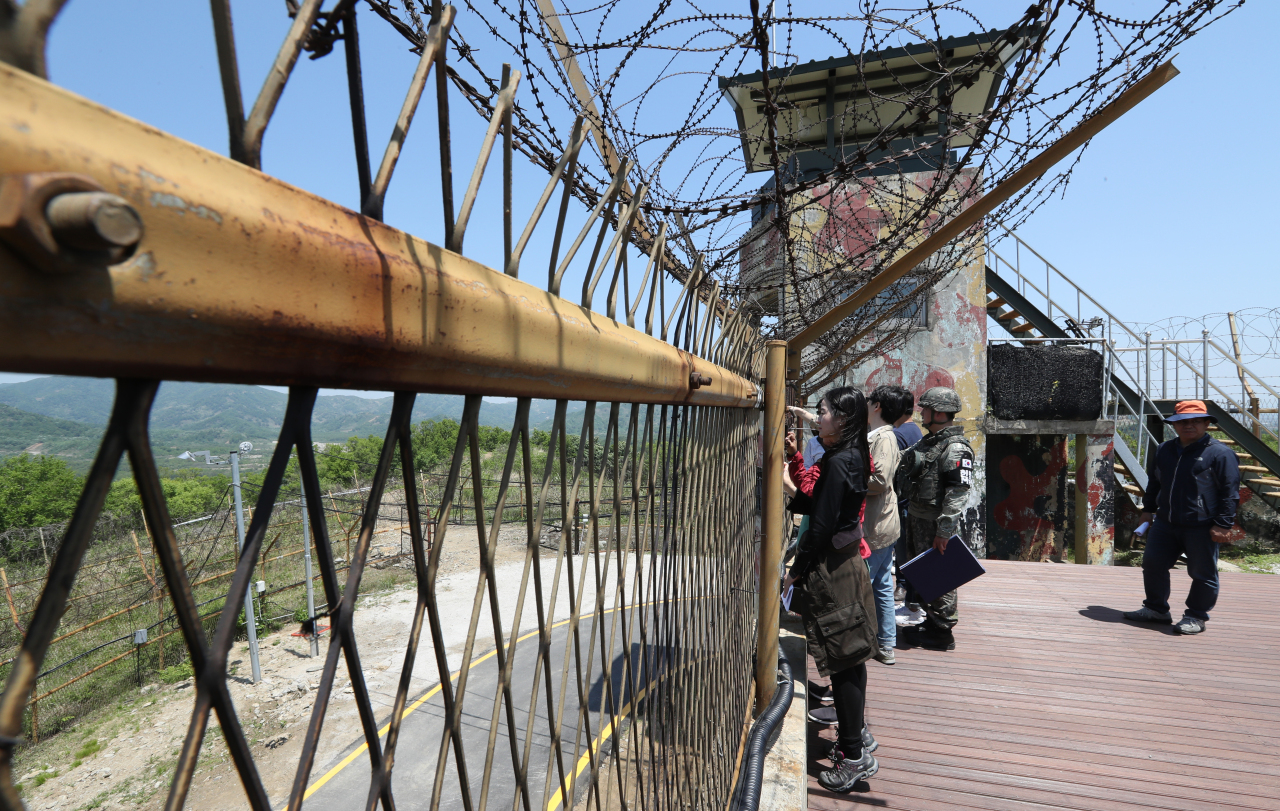
The Demilitarized Zone is a buffer strip about 250 kilometers long and 4 kilometers wide, running roughly along the 38th parallel. It was established by the Korean Armistice Agreement signed at Panmunjom on July 27, 1953, when the Korean War paused in a ceasefire rather than a formal peace treaty. Technically, the two Koreas are still at war. Inside the zone are barbed wire, watchtowers, landmines, and a Military Demarcation Line dividing North from South. Yet because civilians have been kept out for so long, parts of the DMZ have become an unintentional nature reserve, home to species you cannot easily see anywhere else on the peninsula.
The Top DMZ Tour Spots
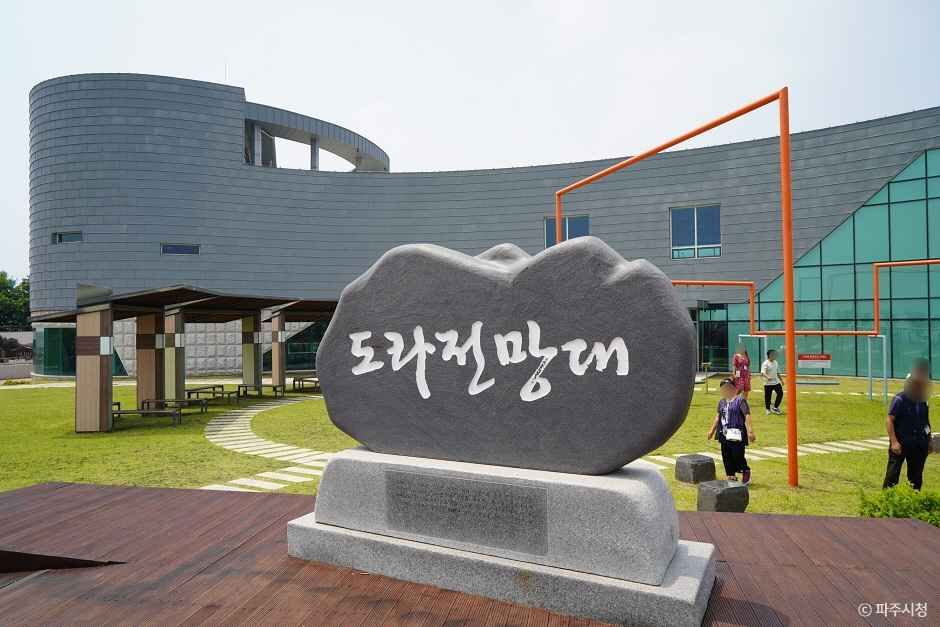
Most DMZ day tours run from Seoul up to Paju in Gyeonggi Province. The classic itinerary includes Imjingak Park, a memorial complex built in 1972 for families separated by the war and now a peaceful park with monuments, a rusted steam locomotive, and the famous Mangbaedan altar. From there visitors usually move to the Freedom Bridge, where about 12,773 prisoners of war returned to the South after the armistice. Deeper into the controlled zone, the 3rd Infiltration Tunnel, discovered in 1978, lets you walk underground into a passage North Korea dug toward Seoul. The Dora Observatory, perched on Mount Dora, offers binocular views into the North Korean propaganda village of Kijong-dong and the city of Kaesong. Many tours also pass through Dorasan Station, the symbolic last train stop before North Korea, and some longer routes add the DMZ Train from Seoul Station or Odusan Unification Observatory at the confluence of the Han and Imjin rivers.
Panmunjom JSA: What Is Currently Visitable
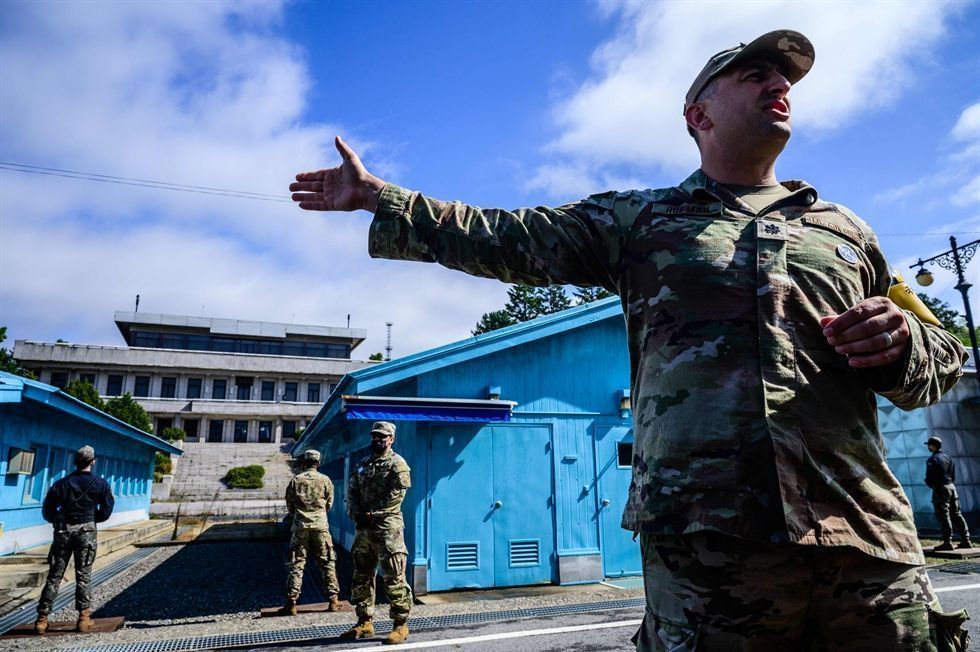
The headline attraction of the DMZ has always been Panmunjom, the Joint Security Area (JSA), where North and South Korean soldiers stand face to face across a concrete slab inside iconic blue conference huts. This is where the 1953 Armistice was signed and where Donald Trump briefly stepped into North Korea in 2019. However, JSA tours for civilian tourists have been suspended since July 18, 2023, after a US Army private crossed the Military Demarcation Line into the North during a tour. Through 2024 and into 2025, only small policy and veteran groups were allowed in, and Korea Times reported further short-term suspensions tied to incidents involving armed North Korean troops near the line. As of 2025 and 2026, JSA tours have begun a phased reopening but remain limited to select operators and dates, and the blue conference room interior is often still off-limits. Always check the latest status with your tour operator before booking.
How to Book a DMZ Tour from Seoul
You cannot visit the DMZ on your own. All visits require a guided tour through a certified Korean operator with prior security clearance. Most travelers book a half-day or full-day bus tour from Seoul through licensed operators such as those approved by the Korea Tourism Organization, or through hotel concierges and platforms like Trazy and Klook. Prices typically range from 50,000 to 130,000 won depending on whether the tour includes the JSA, lunch, and additional stops. US military and UN Command personnel stationed in Korea can join the free ROK Cultural Immersion Program sponsored by ROK-US Combined Forces Command, which Stripes Korea highlights as a popular three-day route that includes Seoul and the DMZ. Whichever option you pick, you must book at least 3 to 5 business days in advance because passport details are sent to the military for screening.
.jpg/alternates/LANDSCAPE_910/7.%20DMZ%201.jpg)
What to Bring and What to Wear
A few rules are non-negotiable. Your passport is mandatory for every DMZ tour and is checked at military checkpoints. Foreign residents in Korea must bring their Alien Registration Card. There is a strict dress code, especially for tours that get close to the controlled zone. Avoid ripped jeans, sleeveless tops, short shorts, military-style camouflage, athletic sandals, and flip-flops. Closed shoes and modest clothing are required. Children under a certain age, usually 11, may be restricted from some stops like the JSA. Photography is allowed in some areas such as Imjingak and the Freedom Bridge but is heavily restricted or banned at Dora Observatory's lower zones and inside the 3rd Tunnel. Always follow your guide's instructions.
The DMZ's Surprising Wildlife
Because humans have largely stayed out since 1953, the DMZ has quietly become one of Asia's most important wildlife refuges. Surveys have logged about 6,168 species across the zone, and 102 of South Korea's 267 endangered species have been recorded inside it. Around 80 percent of South Korea's officially designated natural monuments can be found here, according to guides quoted in Korea Herald. Long-tailed gorals and Asiatic black bears roam the rocky mountains. Each winter roughly 5,000 red-crowned cranes, plus white-naped cranes, settle along the Cheorwon basin and the Han-Imjin estuary, making the DMZ one of the world's most important crane wintering grounds.
The DMZ in Korean Culture and K-Drama
The DMZ has lodged itself deep in Korean pop culture. Park Chan-wook's 2000 film Joint Security Area set the visual template, but the most globally beloved DMZ-adjacent story is the Netflix and tvN hit Crash Landing on You (2019), in which heiress Yoon Se-ri paraglides off course and lands in North Korea, falling for an officer played by Hyun Bin. The series became the highest-rated drama in tvN history with a 21.7 percent finale rating. Funny enough, the show's iconic DMZ landing scene was not filmed at the actual border. Director Lee Jung-hyo shot it among the volcanic oreum of Jeju Island and used Mongolia to substitute for Pyongyang and Kaesong, since the real DMZ did not match the fantasy aesthetic.
Reunification Hopes and What's Changing
The DMZ remains a barometer of inter-Korean relations. After the 2018 Panmunjom Declaration, South Korea launched the DMZ Peace Trail system, a set of guided walking routes near the border in Paju, Cheorwon, and Goseong. The Korea Herald reports that all 12 sections of the Peace Trail are reopening in 2026 from April 17 through November 30, though three previously proposed routes that would have entered the DMZ itself remain closed pending UN Command approval. Dorasan Station still keeps a quiet platform marked "To Pyongyang," a reminder that the line is built, just waiting for a train that has not yet come.
Alternatives if the JSA Is Closed
If the JSA is suspended during your trip, the DMZ is still worth visiting. The standard Paju route (Imjingak, Freedom Bridge, 3rd Tunnel, Dora Observatory) gives you the full historical and visual experience. Further east, the Cheorwon DMZ Peace Trail in Gangwon Province offers a 15-kilometer hike up to the Cheorwon guard post between the Southern Limit Line and the Military Demarcation Line, plus the Second Infiltration Tunnel and the eerie ruins of the old Workers' Party Office. On the east coast, the Goseong Unification Observatory looks out over the Sea of Japan toward Mount Kumgang in North Korea. For wildlife lovers, the Cheorwon basin between November and February is one of the best crane-watching destinations in Asia.
Final Tips for Visiting the DMZ
The DMZ is unlike any other tourist site in Korea. It is moving, sobering, and at times surreal, especially when you realize the empty fields you are looking at have not been farmed since 1953. Go in with an open mind, listen carefully to your guide, and remember that beyond the souvenir shops and observation decks, this is still an active military zone where the Korean War never officially ended. Whether you visit for the Cold War history, the cranes, or just because you watched Crash Landing on You one too many times, the Korean DMZ deserves a full day on any serious Korea itinerary.
Explore More of Korea with Daebak
Want to bring a little piece of Korea into your life? The Daebak Box is packed with the best Korean snacks, ramen, and cultural goodies delivered monthly to your door.


