


Table of Contents
Valentine's Day belongs to couples. White Day belongs to couples. Christmas Eve in Korea? Also couples. But there is one day on the Korean calendar that belongs entirely to single people, and it comes with a bowl of glossy black noodles and a sense of humor. Welcome to Black Day, Korea's unofficial holiday for the unattached.

What Is Black Day?
Black Day (블랙데이) falls on April 14 each year, exactly two months after Valentine's Day and one month after White Day. On Valentine's Day in Korea, women give chocolates to men. On White Day, men return the favor with candy or gifts to women. Anyone who walked away empty-handed from both holidays gets their own day, a slightly self-deprecating, slightly celebratory ritual where singles dress in black and eat a bowl of jjajangmyeon together.
The name is straightforward. The dress code is black. The food is black. The mood ranges from melodramatic moping to genuinely fun group hangouts, depending on the company. As Korean Bapsang puts it, jjajangmyeon has become a "symbolic dish that single people eat with their friends on Black Day to commiserate with each other over black noodles for lacking a romantic relationship."
The Star of the Day: Jjajangmyeon
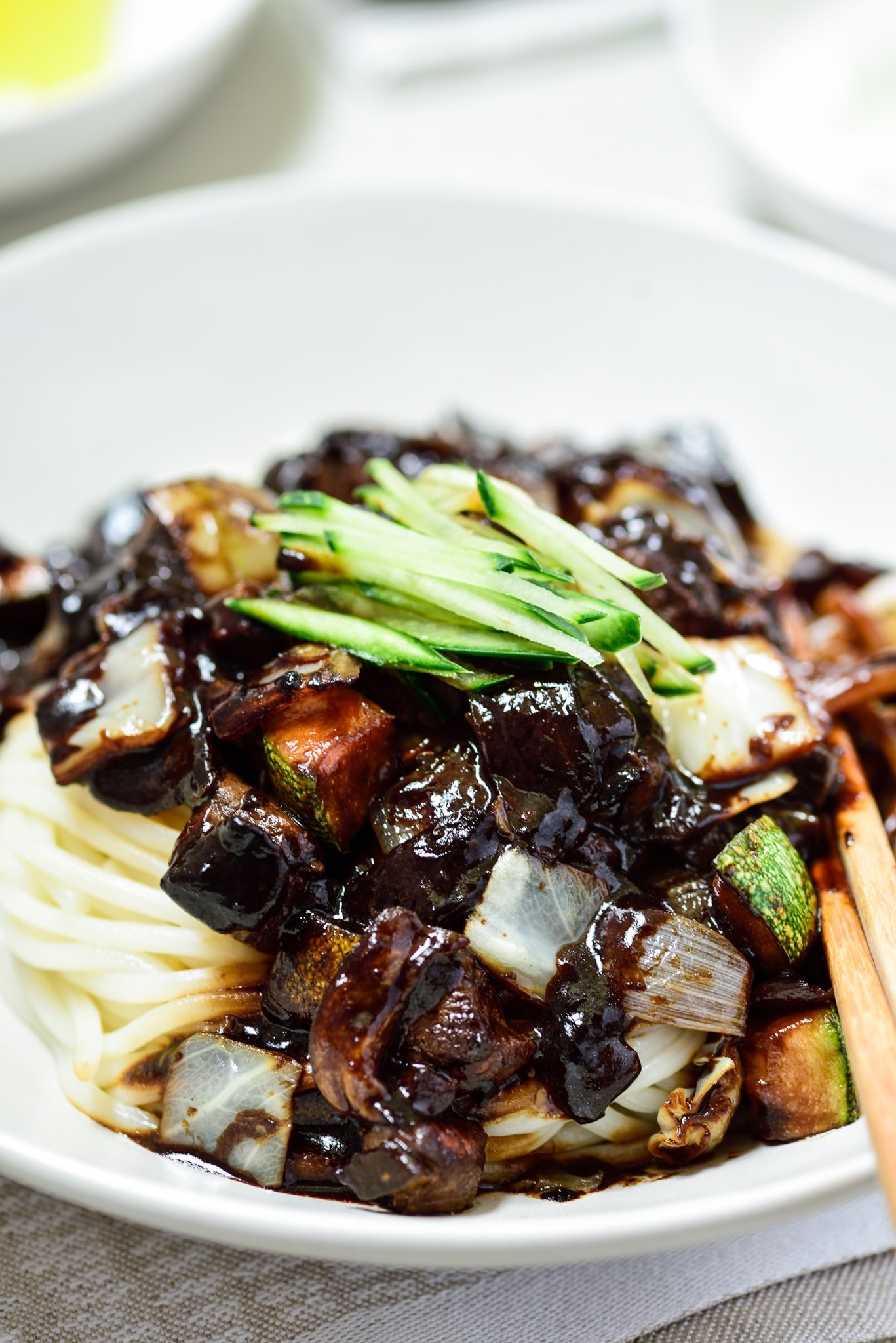
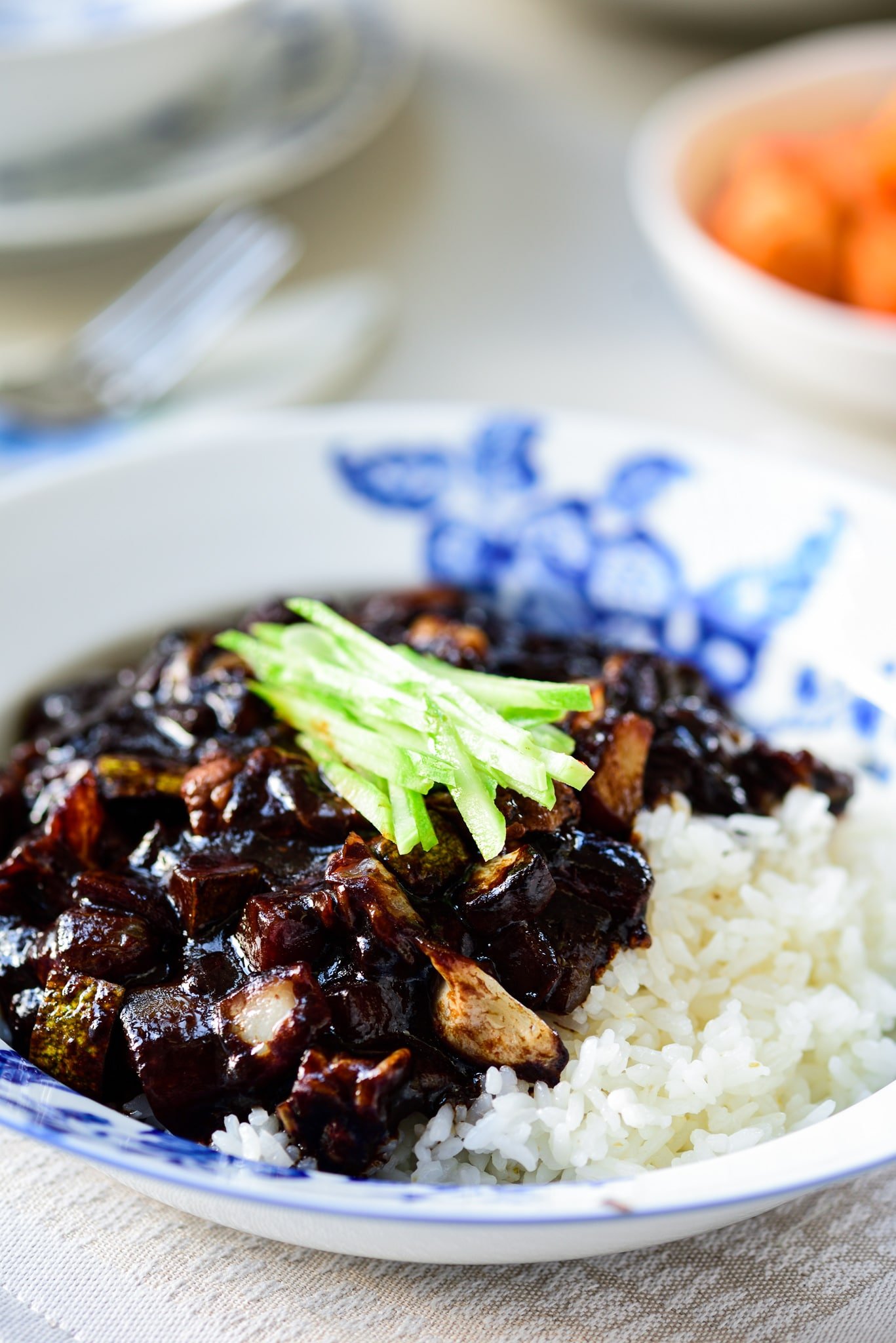
Jjajangmyeon (짜장면) is a bowl of thick, chewy wheat noodles draped in a rich, savory sauce made from chunjang, a Korean-style fermented black bean paste. The sauce is usually cooked down with diced pork, onion, zucchini, potato, and cabbage until it turns glossy and almost caramel-like. A tangle of cucumber matchsticks goes on top, and a side of yellow pickled radish (danmuji) is non-negotiable.
According to My Korean Kitchen, the first known jjajangmyeon was served at Gonghwachun (공화춘), a restaurant in Incheon's Chinatown that opened in 1905. It was introduced by Chinese merchants from Shandong Province, but the flavor evolved to suit Korean tastes, eventually becoming one of the most-ordered delivery dishes in the country. Pizza wishes it had jjajangmyeon's reach in Korea.

Why Black Food on a Single's Holiday?
The color black has long carried associations with mourning and loneliness, so the joke essentially writes itself: if you spent Valentine's and White Day alone, you may as well lean into the aesthetic. Black clothes, black coffee, black noodles. As Atlas Obscura describes it, "lonely South Korean singles are encouraged to dress in black and commiserate over steaming bowls of noodles in black bean sauce."
It is more tongue-in-cheek than truly sad. Many Koreans treat Black Day as a low-stakes excuse to gather friends who happen to be single, eat comfort food, and maybe complain about dating apps. Some restaurants run jjajangmyeon eating contests. Some bars throw singles mixers. Cafes promote black-themed desserts and squid ink lattes. The holiday is unofficial, but the marketing around it is very much official.
How Koreans Celebrate Black Day
On April 14, the most common ritual is meeting up with friends, all wearing black, at a Korean Chinese restaurant for a shared meal of jjajangmyeon and tangsuyuk (sweet and sour pork). Some take it further with squid ink pasta, black sesame ice cream, or black bean lattes. Office workers order jjajangmyeon delivery for the whole team. Students gather at university cafeterias.
Beyond the food, the holiday has spawned a small economy of its own. Singles meetup events, speed dating parties, and themed parties pop up in Seoul's Hongdae and Itaewon neighborhoods. Some couples even celebrate Black Day ironically, just because jjajangmyeon is delicious any day of the year.
Make Jjajangmyeon at Home
You do not need to be in Seoul, or single, to celebrate Black Day. Jjajangmyeon is surprisingly approachable at home as long as you have chunjang, which most Korean grocery stores carry. Maangchi's classic recipe walks through frying the chunjang in oil first to mellow its bitter edge, then building the sauce with pork belly, radish, potato, onion, and zucchini. Stir-fry, simmer, thicken with a potato starch slurry, and pour over a freshly boiled tangle of jjajangmyeon noodles.
My Korean Kitchen offers a slightly different take with lard, mushrooms, and cabbage for extra depth. Korean Bapsang's version leans on green cabbage and oyster sauce for a richer body. The Woks of Life adapts the dish with daikon radish and pork belly for a Korean Chinese fusion approach. All of these end the same way: with a bowl of glossy black noodles that is comforting whether you are throwing a pity party for one or a Black Day dinner for ten.

Korea's Calendar of Love and Singlehood
Black Day is part of a larger Korean tradition of marking the 14th of every month with a love-related theme. February 14 is Valentine's Day. March 14 is White Day. April 14 is Black Day. There is also Rose Day in May, Kiss Day in June, Silver Day in July, all the way through Hug Day in December. Most are commercial inventions backed by candy and gift companies, but Black Day stands out as the one holiday that genuinely belongs to people who opted out of the romantic calendar entirely.
That ironic charm is exactly why the holiday has outlasted other commercial dates and even spread beyond Korea. Restaurants in Korean diaspora cities from Los Angeles to Sydney now run Black Day specials every April 14. The noodles travel well, and so does the joke.
Single, Not Sorry
What makes Black Day uniquely Korean is the way it turns being single into something to share rather than something to hide. Instead of pretending February and March did not happen, Korean singles take over April 14 and make a small feast out of it. There is no shame in the bowl, no apology in the outfit. Just thick noodles, thick sauce, and the kind of friendship that shows up wearing matching black hoodies and orders an extra serving of tangsuyuk.
So whether April 14 catches you single, dating, married, or just hungry, do as Koreans do: put on something black, find some friends, and dig into a bowl of jjajangmyeon. Some of the best Korean traditions are the ones that started as jokes.
Explore More of Korea with Daebak
Want to bring a little piece of Korea into your life? The Daebak Box is packed with the best Korean snacks, ramen, and cultural goodies delivered monthly to your door.


