


Table of Contents
A 캐릭터 카페 (character cafe) in Korea is not a cafe with character-themed wallpaper. It's a vertically integrated retail experience where the coffee menu, the merchandise wall, the photo zones, and the seasonal IP cycle are all designed to extract maximum margin from a single building. After more than a decade tracking how Korean entertainment and consumer brands monetize IP, I can tell you the format Korea has perfected here is one of the more interesting case studies in modern licensing, and it's worth walking into one of these places knowing what you're actually looking at.
The economics that make Seoul's character cafes work don't exist in Los Angeles or Tokyo in the same form. You have cafe-culture density (Seoul has more cafes per capita than any city on earth), you have the 굿즈 (goods) collection psychology that Korean Millennials and Gen Z built around K-pop fandoms and ported to character IP, and you have flagship-store real estate that doubles as Instagram backdrops, which is its own customer-acquisition channel. The result is a triple revenue stream per location: IP licensing fees on every item sold, F&B operating margin, and retail merchandise margin. Kakao Friends' Gangnam flagship clears roughly $50 million a year in combined revenue, and that's a single building. Here's the field guide I send to friends planning a 캐릭터 카페 itinerary in Seoul.
The Korean Character Cafe Business Model, Briefly Explained
Three things drive this category. First, the licensing math. A Korean character IP like Ryan or Brown can be licensed across cafe ware, fashion goods, stationery, beauty, and food packaging simultaneously, and Korean retail operators have built supply chains around fast 콜라보 (collaboration) cycles, where a new product line launches every six to eight weeks. Second, the retail format is engineered for foot traffic conversion. The 한정판 (limited edition) drop strategy, copied from K-pop album release tactics, manufactures urgency that pulls customers through the door on launch days. Third, Korean MD (merchandise) culture among Gen Z treats character goods the way collectors treat trading cards. The cafe visit is the ticket of admission to the limited 굿즈, not the other way around.
The harder truth, which most listicles skip, is that the half-life of a Korean character cafe is shorter than a non-themed cafe in the same neighborhood. Industry data suggests the typical character pop-up cafe cycle is 12 to 18 months before traffic normalizes, after which the operator needs an IP refresh or seasonal pivot to keep the doors open. The flagship stores that survive (Kakao Gangnam, Line Itaewon at its peak) treat the cafe as a loss leader for the merchandise floors above it, not a profit center on its own. That's the lens to look through when you walk into any of these venues.
Kakao Friends Gangnam: The Flagship That Defined the Format
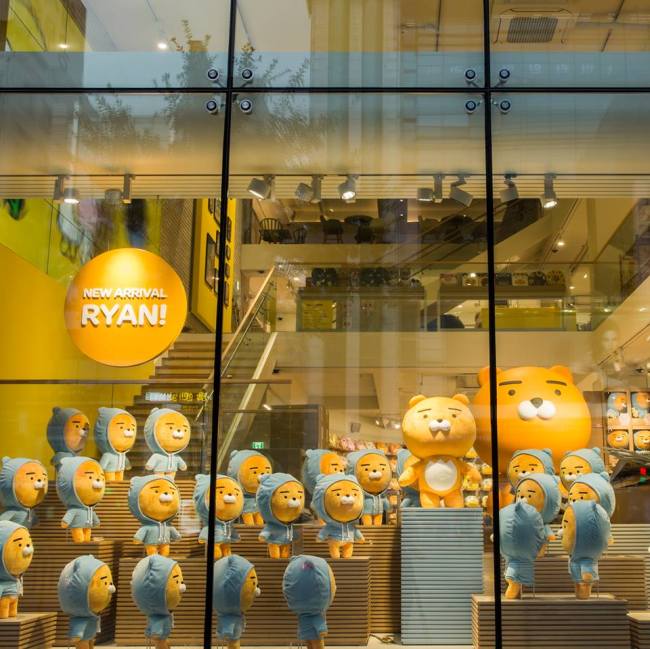
Kakao Friends' Gangnam flagship opened July 2, 2016, at 429 Gangnam-daero in Seocho-gu, and it's still the textbook example of how to build a character cafe as a retail anchor. Three floors, with the first two given over to stationery, fashion, kitchenware, and home goods, and the third floor running as Ryan Cafe with about 100 seats and a rooftop terrace. The mistake international visitors make is treating the cafe as the destination. The cafe is the buffer zone, designed to extend the average visitor session past the merchandise floors so the conversion rate on impulse buys climbs. Kakao Friends gets the same logic Disney uses with theme park dining: serve coffee at a sustainable cost so the guest stays long enough to drop $80 on a Ryan plushie.
The appeal point that Korean Gen Z gets and Western audiences underrate is that Kakao Friends isn't trying to compete with Disney on storytelling. The IP is built on KakaoTalk emoticons, which means every Korean already has a daily emotional relationship with these characters before they ever walk into the store. Ryan, the lazy maned lion, became the breakout because he carries a specific kind of dry, defeatist humor that resonates with Korean salaryman culture. That's why the merchandise sells: it's not just cute. It's a character system Koreans use to express how they feel at work. After the Gangnam flagship's success, Kakao opened a five-floor Hongdae megastore complete with a Concept Museum on the basement levels, and the playbook has since been exported to Tokyo and Bangkok.
Line Friends and BT21: The HYBE-Adjacent IP Gold Mine
Line Friends is technically a Naver-owned IP (originally Line Plus, now spun off as IPX), but functionally the BT21 sub-line is where Korean entertainment IP economics get interesting. BT21 launched in 2017 as a 콜라보 between Line Friends and BTS, with the seven characters (RJ for Jin, Shooky for Suga, Mang for J-Hope, Koya for RM, Chimmy for Jimin, Tata for V, Cooky for Jungkook, plus Van for the ARMY fandom) actually sketched by the BTS members themselves. That's the part that matters: BT21 isn't a label-controlled merchandise drop. It's a music studio creating its own evergreen character IP from scratch, the same generational pivot Disney made when it started co-creating Pixar IP rather than licensing.
The Line Friends Itaewon store, which at its peak ran three floors with a dedicated BT21 cafe on the top floor, was the global ARMY pilgrimage stop from 2017 through 2020. The cafe served Line character macarons, BT21 themed lattes, and individual member-coded desserts. Itaewon closed in April 2020 as Line Friends consolidated locations during COVID, but Hongdae and Myeong-dong flagships still anchor the BT21 cafe experience, and the Hongdae location now sits inside the K-Pop Square complex with a giant Brown statue at the entrance and a BRAUND cafe in the basement. The lesson Korean labels learned watching BT21's revenue: build your own character IP from your roster, license it through a separate corporate entity, and you have an asset that keeps producing income through enlistments, contract renegotiations, and group hiatuses. HYBE has been quietly copying this playbook with TinyTAN.
Hello Kitty and Sanrio in Korea: The Nostalgia Trade

Hello Kitty is the only foreign character IP that competes head-to-head with Korea's homegrown brands in the Seoul cafe market, and the reason is generational. Korean Millennials grew up with Sanrio characters in their school 문구 (stationery) and lunchbox decor, so the demand isn't a discovery purchase. It's a nostalgia trade. The Hello Kitty Apple Cafe that opened in Myeongdong in February 2025 nails this with a three-floor format: ground and second floor as cafe with apple-themed signature drinks, third floor as the merchandise floor. The exterior is gingham-red and pink, designed for Instagram from 30 meters away.
Sanrio's strategic move in Korea, that other Western IP holders have missed entirely, is the 콜라보 cadence. Daewoong Pharmaceutical released a Cinnamoroll edition of its Easyderm pimple patch in 2024. The K League launched a Sanrio-character uniform that sold out in 30 minutes on pre-order. Korean game studio Nexon ran a Sanrio crossover in KartRider Rush+. According to Korea Creative Content Agency data, Sanrio ranked top five in favorite character preferences across multiple Korean age cohorts in 2024. Pochacco overtook Cinnamoroll as the most popular Sanrio character in Korea that year, which tells you the Korean market is paying attention to the long tail of Sanrio's roster, not just Hello Kitty. The Hello Kitty 50th Anniversary exhibit at DDP that ran through August 2024 was the largest Hello Kitty exhibition ever held in Korea, and it cemented Sanrio's MZ pivot in this market.
Pokemon Town at Lotte: The Korean Master Class in IP Activation
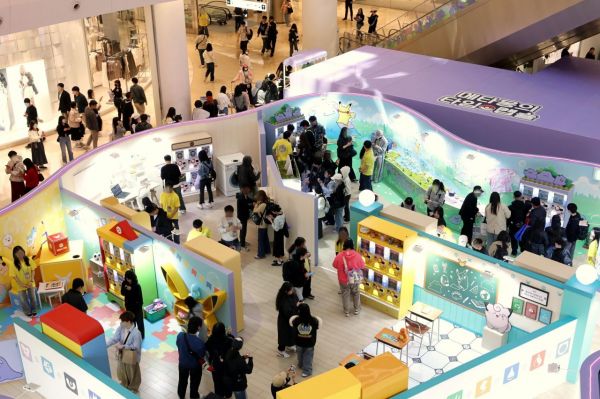
Pokemon Town at Lotte is the cleanest case study for how Korean retail operators do IP activation at scale. The 2024 edition drew over 4 million visitors during a three-week run. The 2025 follow-up, themed around Metamong (Korean name for Ditto) and built across Seokchon Lake and Lotte World Mall, drew over 5 million visitors in 24 days. A 16-meter Ditto-as-Lapras balloon floated above Seokchon Lake with a Ditto-as-Pikachu perched on top. About 100 Metamong sculptures scattered across the lawn behind Lotte World Mall as photo zones, free entry, QR queueing. This is what an IP activation at Korean operator scale looks like.
The appeal point, and the part that makes this specifically Korean, is the integration depth. Pokemon Town isn't a pop-up sitting next to Lotte World Mall. It's Lotte Duty Free, Lotte Mart, Lotte Department Store, Samlip Bakery (Pokemon Bread), and Kakao (Soft and Squishy Metamong emoticon set) coordinating their merchandise drops across the same weekend. The April pop-up cleared more than 4,000 visitors in line per day at opening, which is the same throughput Korean cafes hit on K-pop fan signing days. The Korean retail playbook treats a global character IP like an album release: stagger drops, run scarcity through 한정판 capsule toys, and use foot-traffic data from one Pokemon weekend to recalibrate the next. Western mall operators that license Pokemon for a pop-up book one weekend of merchandise sales. Lotte books a six-week campaign and ends up with a recurring annual franchise.
Studio Ghibli in Seoul: Dotori, Koriko, and the Indie-Cafe Variant
Studio Ghibli in Korea operates differently from the flagship-driven cafes above. There's no Donguri Republic flagship building (Korea has three small Donguri merchandise stores, not destination cafes). Instead, Korea's Ghibli cafes are independent operators running unofficial homage venues, which gives them a different feel and a different economic model. Dotori Garden in Anguk near Jongno is the best known: a renovated hanok house with garden seating, Totoro-decor cues throughout, and a menu built around acorn-shaped (dotori means acorn in Korean) madeleine and Greek yogurt bowls. Koriko Cafe in Yeonnam-dong (Mapo-gu) themes itself around Kiki's Delivery Service, with a small Ghibli merchandise shop that imports goods directly from Japan.
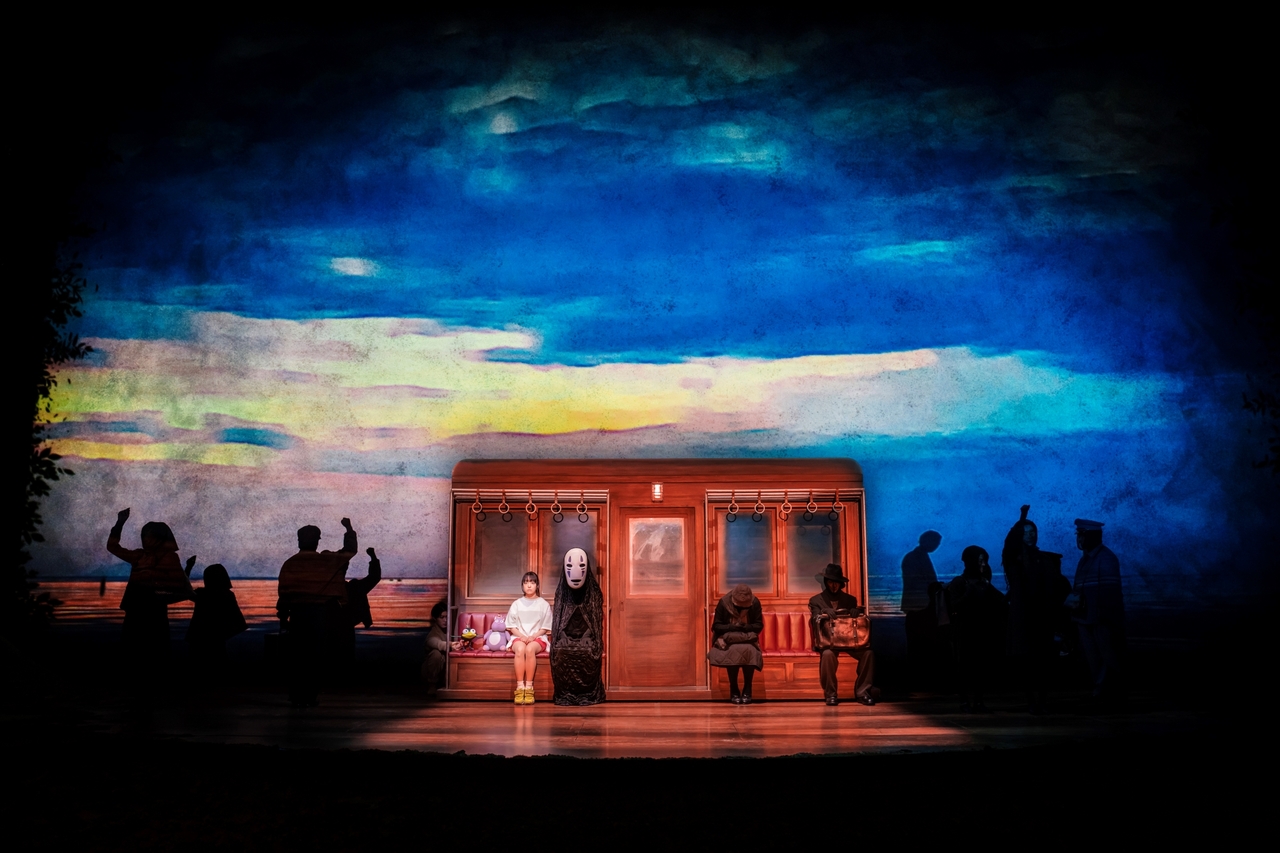
The interesting industry mechanic here is that these venues thrive on a kind of fan-economy loophole. Studio Ghibli is famously protective of its IP, but unofficial homage cafes that don't copy art or use trademarked names directly tend to fly under the legal radar, especially when they create their own original menu items in the Ghibli aesthetic. Korean indie cafe owners have figured out that the Ghibli mood (warm wood, hand-drawn menus, slow service, vintage textiles) is what fans actually want to buy, not licensed merchandise. The Spirited Away stage production landing at Seoul Arts Center in January 2026 confirmed Ghibli's standing in Korean cultural rotation: Korean fans will pay premium prices for any verified Ghibli experience, and the indie cafes capture the residual demand from anyone who can't get a stage ticket. Look at this as the longest-tail revenue model of any character IP in Korea.
How to Actually Visit a Korean Character Cafe
Three operating tips for getting the real experience instead of the wait-in-line tourist version. First, go on weekday afternoons. The flagship character cafes (Kakao Gangnam, Line Hongdae) hit their queue limits on weekend mornings, and the photo zones get crowded enough that you'll spend more time waiting than enjoying. Tuesday or Wednesday between 2 and 5 pm is the operator-recommended window. Second, treat the cafe as an extension of the merchandise floor. The signature drinks are usually fine but not destination-worthy. The reason to go is the 한정판 capsule items, the seasonal MD drops, and the photo zones that change every six to eight weeks. Plan around what's currently in rotation.
Third, pay attention to the IP cycle. The character cafes that survive past 18 months are the ones tied to evergreen IP (Kakao Friends, Line Friends BT21 surviving on Hello Kitty-style nostalgia in 5 to 10 years). The pop-ups that draw lines today (Pokemon Town, Sanrio takeovers) operate on a different model: they're event-driven, they refresh every season, and you visit them once for the photos. Knowing which category you're walking into changes how much time you should allocate. Spend an afternoon at Kakao Gangnam. Spend an hour at a Sanrio pop-up. Save your Studio Ghibli cafe stop for after a long Bukchon walk, when the slower indie-cafe pace is what you actually want. The 캐릭터 카페 ecosystem rewards visitors who treat it like a curated retail itinerary, not a single cafe stop.
More Korea Cafe and Culture Guides
- Korean Themed Cafes Guide: Animal, Character, K-Drama and Hanok Cafes
- BT21 Universe Guide: Meet BTS's 8 Character Universe
Explore More of Korea with Daebak
Want to bring a little piece of Korea into your life? The Daebak Box is packed with the best Korean snacks, ramen, and cultural goodies delivered monthly to your door.


