


Table of Contents
Twenty-plus years in the K-drama industry teaches you which actors are marketed as glamorous, and which ones are actually beloved for the opposite reason. Hwang Jung-eum (황정음) sits squarely in the second camp. She debuted as the lead vocalist of the girl group Sugar back in 2002, pivoted into acting with Endless Love, then anchored two of the biggest MBC hits of the mid-2010s, Kill Me Heal Me (2015) and She Was Pretty (2015). Along the way, she built a food identity that is very specifically un-idol: comfort stews, working-actor bowls, and the kind of variety-show eating that made her a Korean auntie favorite long before her divorce coverage put her back in the headlines.

Why Hwang Jung-eum's Food Image Reads Different From Other K-Drama Leads
Sitting close to K-drama casting rooms for over a decade, you notice this pattern: leading actresses under 35 are usually pushed into a specific food aesthetic. Café brunches, salad shots for Instagram, wine glasses. It sells CF (commercial film) deals with luxury coffee brands and F&B chains. Hwang Jung-eum broke that mold on purpose. Her Instagram, back when she was more active in the late 2010s (@jungeum84), leaned into 삼겹살, cheesy 떡볶이, fruit bowls, and 편의점 desserts. Not aspirational, just recognizably Korean.
That off-brand food image is why She Was Pretty landed so hard for her. Kim Hye-jin, the "before glow-up" magazine editor she played, was a character whose lunches mattered to the plot. When Choi Siwon's Kim Shin-hyuk teases her by opening his mouth wide asking her to feed him 단무지 pickled daikon and she flicks it at him, that scene became one of the drama's most GIF-ed moments because Hwang Jung-eum sold it. She looked like someone who has genuinely thrown food at a co-worker before, which for a Korean audience conditioned on polished romcom leads was refreshing.
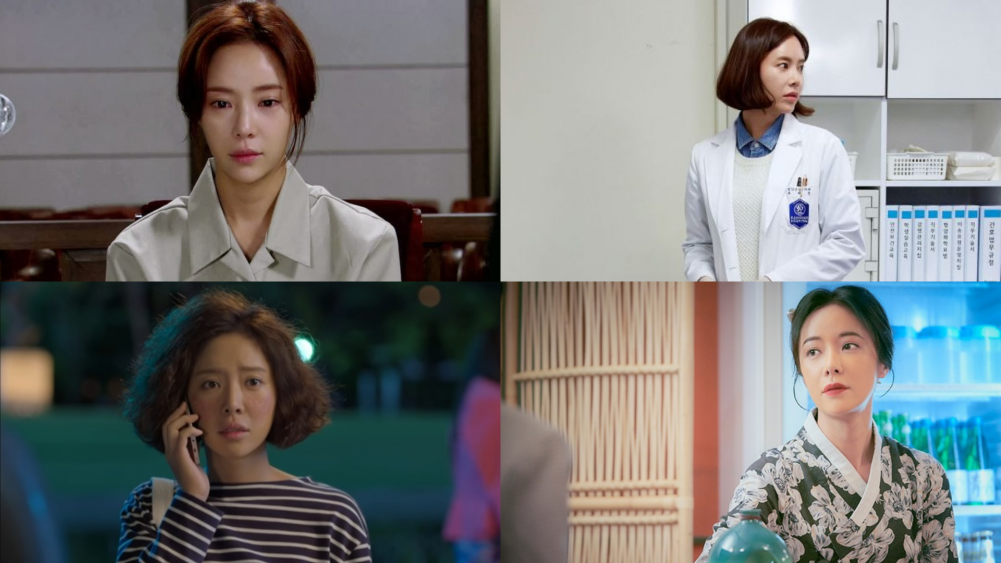
김치찌개 and the Working-Actor Comfort Meal
Any actor who has spent 16-hour days at Sangam or Ilsan drama studios will tell you what actually fuels the grind: 김치찌개 with a fried egg and rice. Hwang Jung-eum has referenced this on Radio Star and My Little Old Boy multiple times, usually as the meal her mother made her between scandals, ratings pressure, and the crush of promotional press. It is the K-drama actress meal equivalent of what BTS members call 이모 (auntie) food. Cheap, hot, unfashionable, honest.
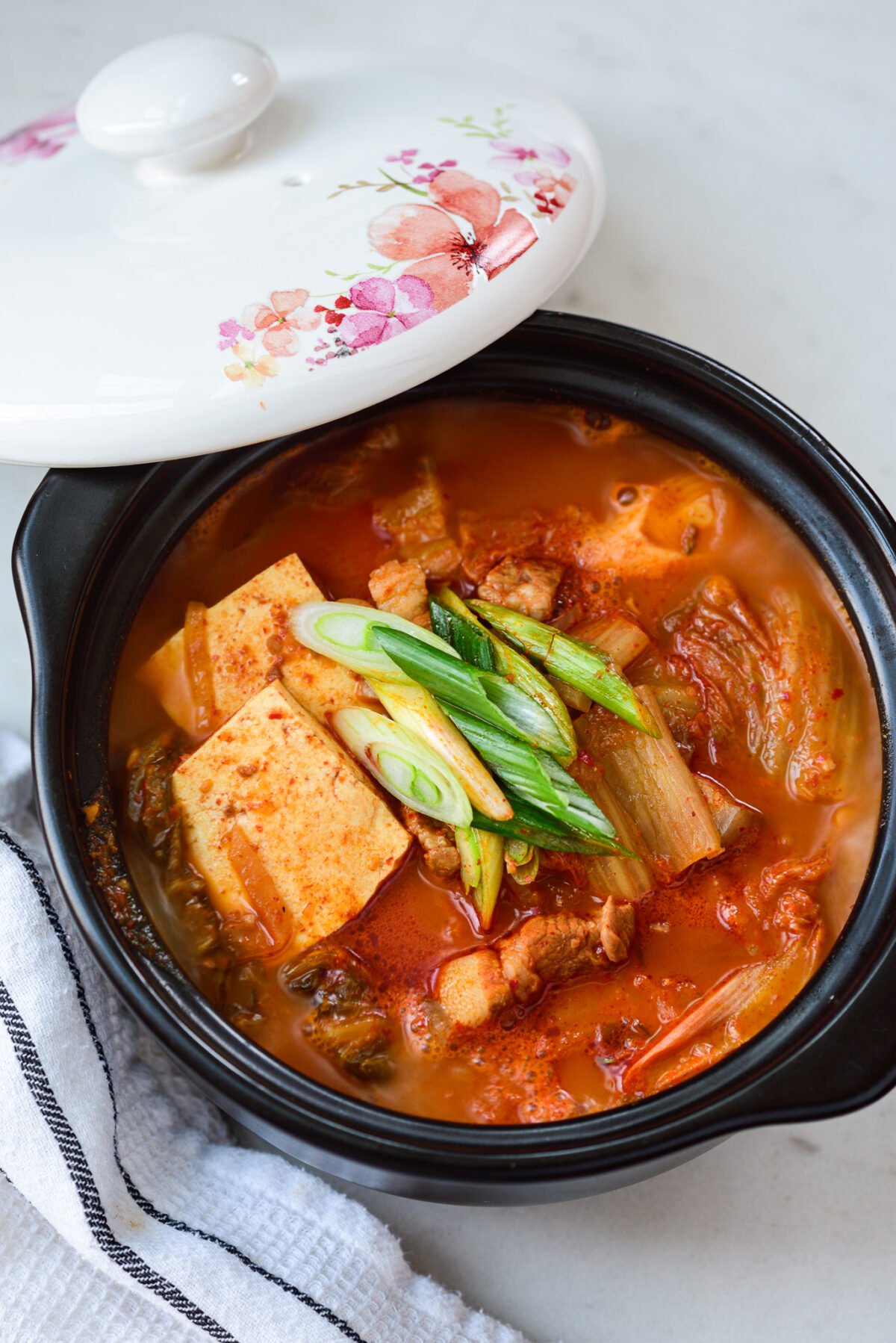
The appeal here, honestly, is class-legibility. A young Korean actress publicly loving 김치찌개 signals that she still remembers what she ate before she could afford Michelin sushi in Cheongdam. That signal matters in the domestic market, where fan-actress trust often hinges on 소탈함 (unpretentiousness). It is why so much of her post-2020 comeback press has been anchored around home-cooking scenes rather than luxury pictorials.
삼계탕 and the Cast-and-Crew Summer Tradition
Every summer during 초복, 중복, and 말복 (the three hottest days on the Korean lunar calendar), K-drama and K-pop production sets do something the Western industry does not really do: the lead actor or the top idol on the show pays for 삼계탕 delivery for the entire crew. Ji Sung famously did this for the Kill Me Heal Me and She Was Pretty crews. Hwang Jung-eum has publicly said 삼계탕 is one of her three "must" dishes each summer, and she has continued the same 밥차 (food-truck) tradition on her own sets when she was carrying a drama as female lead.
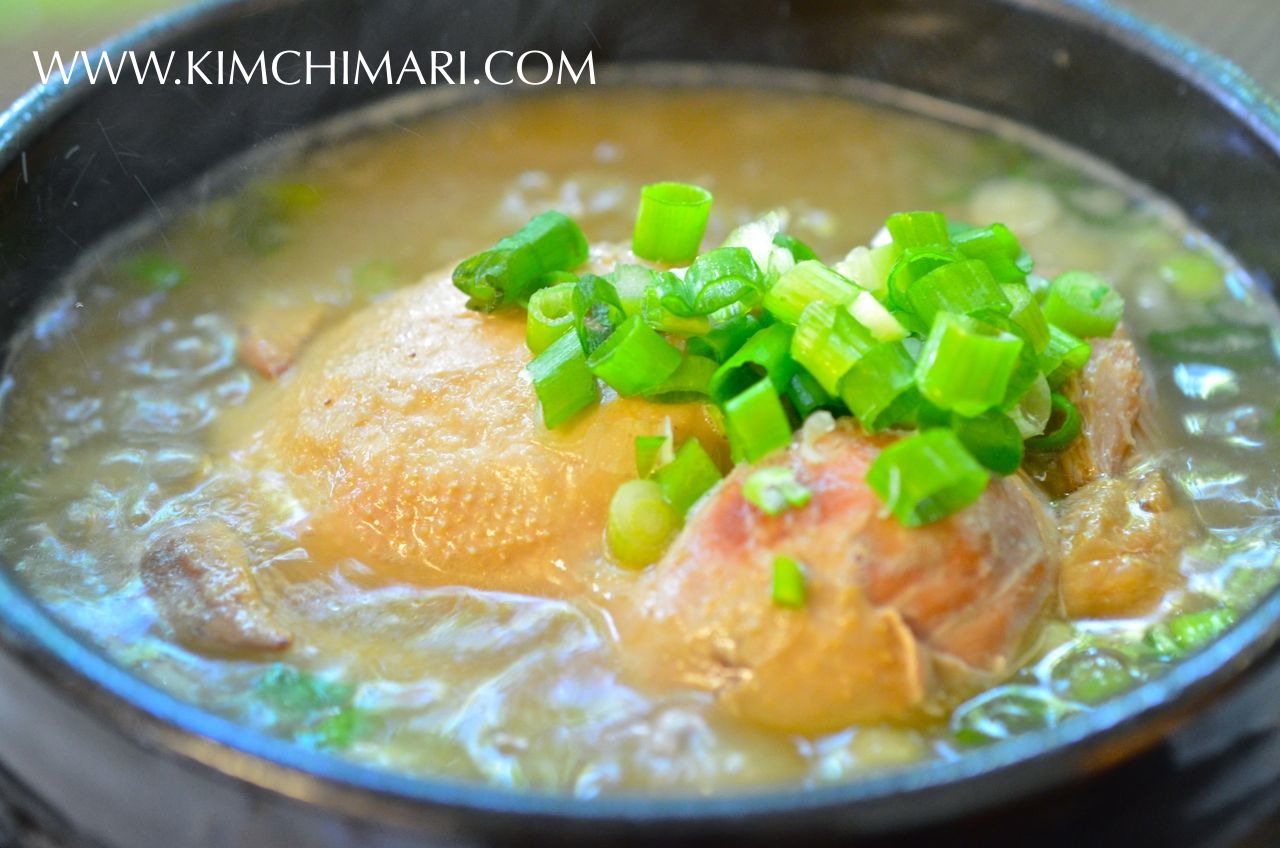
This is more than a food anecdote. In the K-drama production ecosystem, feeding your crew properly is how leading actors buy loyalty and how directors decide whether to cast you again. The industry saying is 밥값 하는 배우, roughly "an actor who is worth the meal money." Hwang Jung-eum has consistently been on the flattering side of that phrase, and 삼계탕 season is where that reputation gets built or torn down.
파스타, 편의점, and the Post-Divorce Instagram Era
Between 2016 and 2020, Hwang Jung-eum was tabloid property in a way few Korean actresses have been. Marriage, divorce filing, reconciliation, second child, refiling. Through most of it, her Instagram stayed heavy on food. Not defensive influencer content, just cream 파스타 in Hannam-dong, 편의점 김밥 during travel, fruit bowls at 2am. If you look at the engagement math, those food posts consistently pulled higher likes than anything drama-promotional. Her fans were, essentially, following her through the storm one meal at a time.
The industry read on that period is interesting. Some PR firms would have told her to go dark. She did the opposite, and it worked, because Korean fans read the sustained food-posting as a kind of quiet resilience. She was still eating well. She was still herself. That is the reason her 2020 to 2024 comeback slate (Mystic Pop-Up Bar, The Escape of the Seven) was received with unusual warmth rather than the cold shoulder the tabloid press often reserves for post-divorce actresses.
Variety-Show Comebacks Are Built Around Food, Not Interviews
When Korean actresses want to rebuild public image after private controversy, the playbook is not a scripted TV interview. It is a food-driven variety spot. I Live Alone if you want to look approachable and lonely-relatable. My Little Old Boy if you want to look family-friendly. Radio Star if you want to look self-deprecating. Hwang Jung-eum has cycled through all three, and the recurring visual is her eating something homely on camera. A bowl of 국밥 at a Gwangjang market stall. Steamed 만두 from a hole-in-the-wall in Yeonnam-dong. 매운 라면 alone in her apartment.
The industry logic behind this is simple. Korean viewers forgive personal controversy faster when the celebrity performs relatability through eating. It is a cultural muscle memory tied to 정 (jeong, deep affection through shared meals). Watching Hwang Jung-eum slurp 국밥 from a plastic table at a market feels like eating with someone you already know. That is the affective bridge her PR built, and it worked well enough that by 2023 she was back opening major dramas.
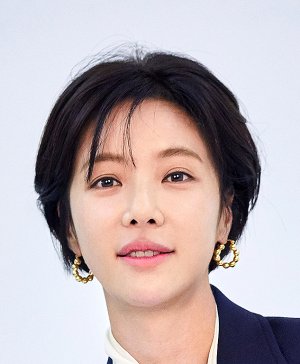
Why Fans Actually Keep Watching
The through-line for Hwang Jung-eum's fandom, and the reason her food image works so much better than a curated CF-actress food image would, is that she reads honest. Her 김치찌개 love is not styled. Her 삼계탕 season posts are not paid. Her market 국밥 scenes are not blocked out by a food-styling team. Korean viewers can smell manufactured food content from a mile away, and Hwang Jung-eum's has never triggered that alarm.
Middle-tier K-drama actress food-preference content pulls hundreds of thousands of monthly searches for a reason. It is the closest thing global fans have to eating with the actress they follow. And in Hwang Jung-eum's case, the meal you would share with her is unglamorous, hot, spicy, and probably delivered in a stainless-steel bowl from a place with plastic chairs. Which, if you know Korea, is the highest compliment you can pay.
Explore Korean Snacks with Daebak
Love Korean food? Get authentic Korean snacks and ramen delivered straight to your door with the SnackFever Box by Daebak.


