


Table of Contents
Korean traditional dance is a living archive of ritual, court ceremony, folk humor, and shamanic prayer, shaped over more than a thousand years of dynastic history. Today you can still watch these forms in palaces, national theaters, and even in the choreography of K-pop megahits. This guide walks through the major styles, from buchaechum to talchum, and points you toward the best places to experience them in Seoul.
Buchaechum: The Fan Dance of Spring
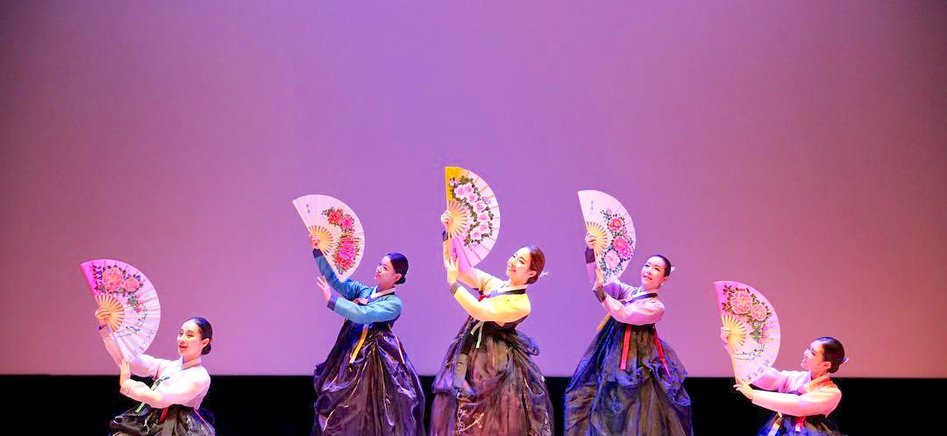
Buchaechum, the Korean fan dance, is probably the first form most foreign audiences encounter. It was choreographed in 1954 by Kim Baek-bong, who drew on shamanic and court-dance vocabulary to create something new for the stage. Female dancers in bright silk hanbok hold large folding fans painted with pink peony blossoms, opening and closing them in formations that suggest butterflies, waves, blooming flowers, and rolling clouds. Though relatively modern, buchaechum has become a global symbol of Korean elegance, performed at diplomatic events from Seoul to Los Angeles.
Talchum: Korea's UNESCO-Listed Mask Dance
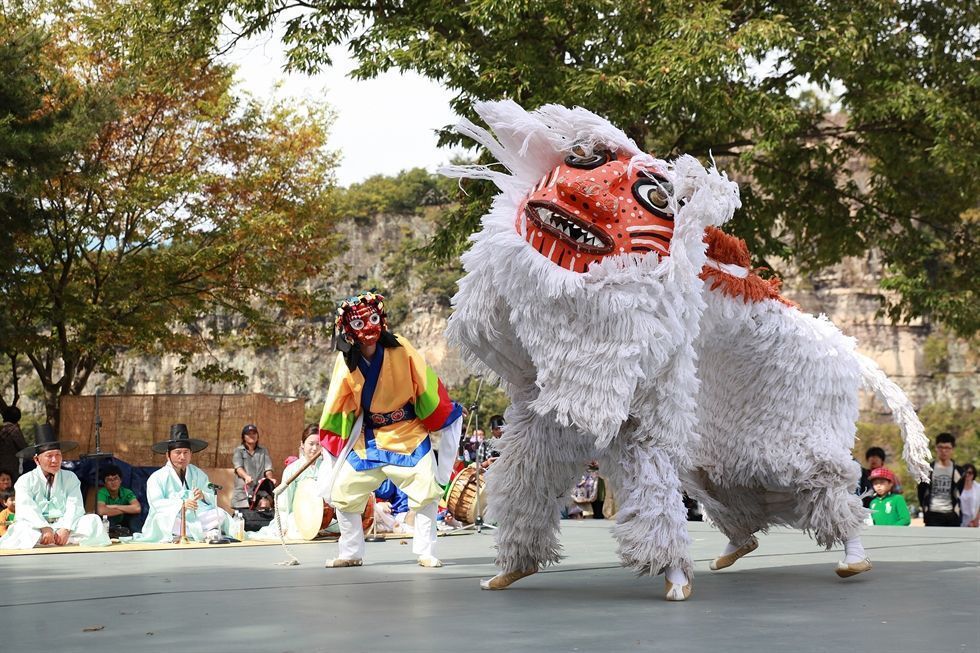
Talchum, Korean mask dance drama, blends dance, music, and theater. Six to ten musicians accompany masked actors who sing, mime, and interact with the audience, often ridiculing corrupt aristocrats, hypocritical monks, and unfair social hierarchies. In November 2022, talchum was inscribed on the UNESCO Representative List of the Intangible Cultural Heritage of Humanity, becoming Korea's 22nd UNESCO-listed heritage element. There are 18 regional variants, including Bongsan Talchum, Gangnyeong Talchum, and Tongyeong Ogwangdae, each with distinct masks, music, and storylines.
Salpuri: The Dance That Releases Pain
Salpuri-chum is one of the oldest preserved Korean dances, designated as Important Intangible Cultural Heritage No. 97. Traditionally performed by a solo female dancer dressed entirely in white and holding a long white silk scarf, it grew out of shamanistic rituals meant to cleanse evil or misfortune. The choreography starts almost imperceptibly, with tiny shifts of weight, before slowly building until the scarf swirls and snaps through the air, symbolizing the release of grudges, sorrow, and the deeply Korean emotion known as han. Because so much depth must be expressed through minimal movement, salpuri is considered one of the most technically demanding forms in the entire repertoire.
Seungmu: The Buddhist Monk Dance
Seungmu, designated Important Intangible Cultural Heritage No. 27 in 1969, is the so-called monk dance. The dancer wears a white jangsam robe with extraordinarily long sleeves and a peaked white gokkal hood, evoking a Buddhist monk in meditation. The choreography balances stillness with sudden bursts of motion, climaxing in a passage where the dancer strikes a beopgo drum in increasingly complex rhythms. Although the dance carries Buddhist symbolism of overcoming worldly desire, contemporary seungmu has evolved into a refined stage art that even non-Buddhist audiences can read as a meditation on inner discipline.

Court Dance: Hallyangmu and the Royal Repertoire
Joseon-era royal court dance, or jeongjae, was performed for kings, queens, and foreign envoys inside palaces such as Gyeongbokgung and Changdeokgung. Hallyangmu portrays a hallyang, a lower-ranking noble or playboy figure, and is sometimes paired with the satirical Buddhist nun he flirts with, blending court refinement with folk humor. Other court pieces such as Cheoyongmu (the dance of the legendary figure Cheoyong, also UNESCO-listed) and Taepyeongmu, the great peace dance once performed to wish prosperity for the country, share slow, expansive movements and richly embroidered gwanbok costumes. They remain a staple of the National Gugak Center and palace performances during Seollal and Chuseok.
Pansori and Its Sister Dances
Pansori, the UNESCO-listed solo vocal storytelling tradition, is not a dance itself, but it sits at the heart of many dance pieces. Changgeuk, an opera form developed from pansori, layers narrative singing with choreographed movement, while drum dances such as sogomu and beopgomu often share the same percussive vocabulary as pansori accompaniment. At venues like Korea House and the National Theater, you may see a pansori singer perform Shim Cheong-ga or Chunhyang-ga before a dance troupe takes the same story onto its feet.
Modern and Fusion Korean Dance in the Hallyu Era
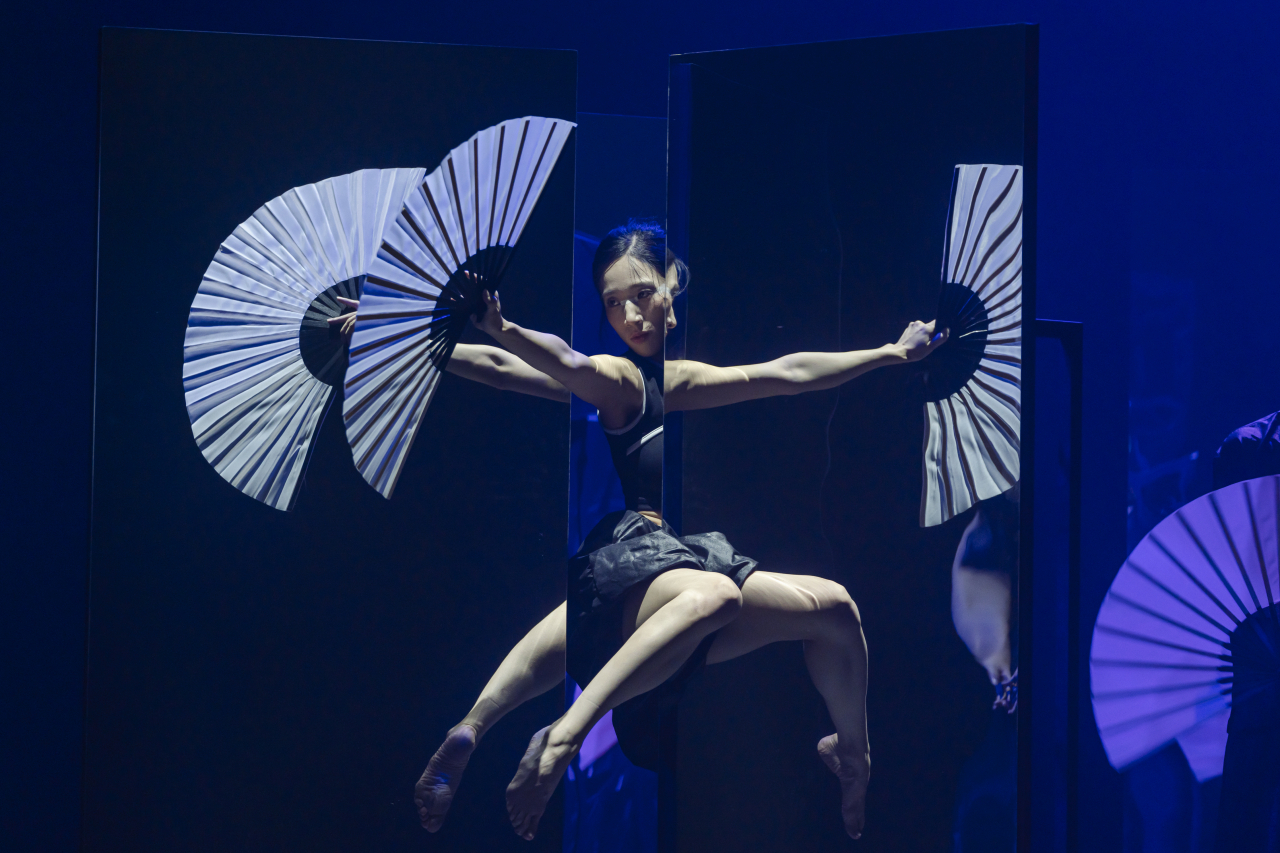
Contemporary Korean choreographers have made it their mission to push traditional vocabulary into modern theaters. The National Dance Company of Korea premieres reinterpretations like Mongyudowonmu and Mask Off, while choreographer Choi Jong-in (also known online as Suncapboi) reimagines Korean dance with mirrors, LED masks, and short-form internet aesthetics. The forthcoming Korean Traditional Dance Festival at the National Theater brings together ten national and regional dance companies in a single program, a sign that traditional dance has become a recognized pillar of K-culture alongside K-pop and K-drama.
Where to Watch Traditional Korean Dance in Seoul
For travelers, Seoul offers several reliable venues. The National Theater of Korea in Jung-gu hosts the National Dance Company, the National Changgeuk Company, and the National Orchestra of Korea, with a packed season of new works each year. Korea House, located near Chungmuro Station, runs a one-hour evening program featuring eight traditional acts including buchaechum, talchum, sanjo, and sogomu, often paired with a royal-cuisine dinner. Sejong Center for the Performing Arts in Gwanghwamun and the National Gugak Center in Seocho-gu both program traditional dance throughout the year. During Seollal (Lunar New Year) and Chuseok (Korean Thanksgiving), Gyeongbokgung, Changdeokgung, and Deoksugung palaces host free outdoor performances of court and folk dance that are well worth planning a trip around.
How Korean Dance Shapes K-pop Choreography
Modern K-pop choreography is more than hip-hop and street dance. Many group routines, from BTS's IDOL with its buchaechum-style fans and talchum-inspired motifs, to LE SSERAFIM, aespa, and SEVENTEEN performances that quote shoulder bounces, sleeve-flicks, and circular formations, draw directly from Korean traditional dance. Choreographers studied at conservatories that teach salpuri, seungmu, and court dance, and that vocabulary keeps surfacing in stadium shows. The next time you watch a K-pop performance, look for the soft wrist movements, the sleeve-extending arm lines, and the formation circles. You're seeing a centuries-old dance tradition still very much alive.
Explore More of Korea with Daebak
Want to bring a little piece of Korea into your life? The Daebak Box is packed with the best Korean snacks, ramen, and cultural goodies delivered monthly to your door.


