


Table of Contents
South Korea has become one of the most popular destinations in East Asia for native English speakers who want to teach abroad. The country invests heavily in English education, both inside public schools and through private academies known as hagwons, and that demand creates real opportunities for people who arrive prepared. This guide walks through what to know before you go, the main programs that hire foreign teachers, the pay and benefits you can expect, and the everyday ups and downs of life as an English teacher in Korea.

How to Prepare for Teaching in Korea
Before you start packing for South Korea, the paperwork begins at home. You will need a valid passport, an E-2 conversational language instructor visa or work permit, and a clean national criminal background check. The visa process usually takes two to four weeks after your employer issues the contract and notice of appointment. The most common visa for foreign English teachers is the E-2, originally launched in 1993 to recruit conversational language instructors from seven major English-speaking countries.
You will also need a four-year bachelor's degree from one of the recognized English-speaking countries, plus a TEFL, TESOL, or CELTA certificate if your degree is not in English or Education. A 100 to 120-hour TEFL course is now the baseline for both EPIK and most hagwons, and a higher-hour course can lift your pay scale. Check the CDC website for any recommended vaccinations, since many of them are out-of-pocket expenses you should plan for in advance.
What to Know About the Main Programs
You do not need to speak Korean to teach English in Korea, but a few basics from resources like Talk To Me In Korean or Eggbun go a long way. The main pathways into the classroom are EPIK, GEPIK, TaLK, SMOE, and direct hagwon hires.
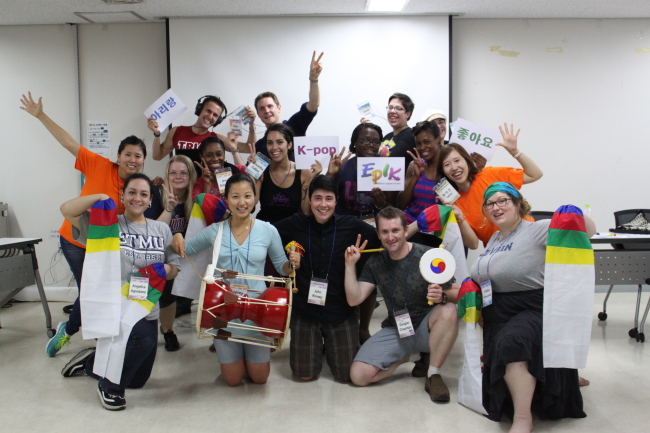
EPIK, the English Program in Korea, is the country's largest government-sponsored public school program, run by the National Institute for International Education under the Ministry of Education. EPIK places native English speakers in elementary, middle, and high schools across all 17 provinces and metropolitan cities. GEPIK is the Gyeonggi-Province version of the same idea, SMOE covers Seoul, and TaLK (Teach and Learn in Korea) places teachers and college student volunteers in rural elementary schools. Your placement and salary depend on your degree, your TEFL hours, and your prior teaching experience, with big cities like Seoul, Busan, and Daegu being the most competitive postings.
Salary, Housing, and Benefits
One of the biggest attractions of teaching English in Korea is the benefits package. EPIK pays a starting salary of about 2.1 million won per month for a first-year teacher with a bachelor's degree, rising to roughly 2.7 to 3.0 million won for experienced teachers with strong qualifications. Hagwon salaries typically run from 2.3 to 3.0 million won per month, sometimes a little higher than entry-level public school pay because hagwons want to attract teachers quickly.
On top of monthly pay, schools almost always provide a furnished apartment or a housing allowance, 50 percent national health insurance, a settlement allowance on arrival, airfare reimbursement, and an end-of-contract bonus equal to one month's salary. Public school teachers also get around 18 to 26 paid vacation days, while hagwon teachers usually receive 10 or 11. Contracts run for one year, and the longer you stay at the same school, the better the renewal benefits become.
Public Schools vs. Hagwons
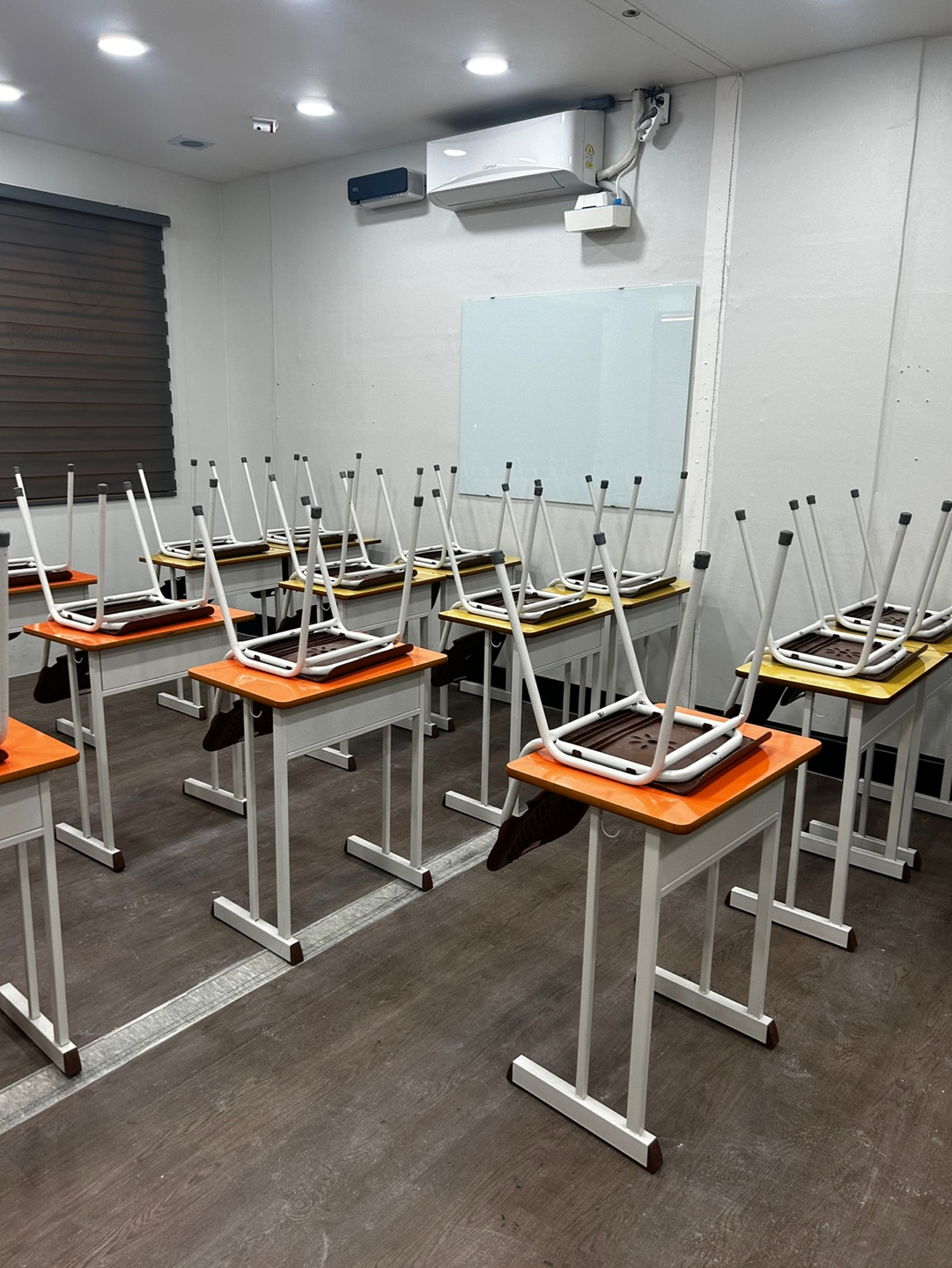
The two most common workplaces for foreign English teachers are public schools and hagwons. Through EPIK, GEPIK, or SMOE you will co-teach in a public school with a Korean co-teacher who handles lesson planning support and classroom management. Class sizes tend to be larger, around 25 to 30 students, and you work roughly 22 instructional hours a week within an eight-hour campus day.
Hagwons are private, for-profit after-school academies where you usually run the class on your own, with smaller groups of 8 to 12 students. Hours skew late afternoon to evening, often 1 p.m. to 9 or 10 p.m., to match when students finish their regular school day. Both paths have trade-offs. Public schools offer stability, longer vacations, and a co-teacher, while hagwons offer earlier morning hours off, smaller groups, and sometimes higher starting pay.

The Ups and Downs of Teaching Abroad
Like any job abroad, there are pros and cons. Korea pays well for the cost of living, and the safety, public transport, and food scene are major perks. Renewing your work visa, navigating Korean labor law in Korean, and dealing with the occasional hagwon that ignores annual leave rules can be frustrating. Recent reporting in The Korea Herald and The Korea Times shows that the Foreign Language Education Workers' Union has become more active in advocating for fair contracts, annual leave, and the right to change employers via a letter of release.
The other big challenge is homesickness and culture shock. Most teachers say it sets in around the three-month mark. A good antidote is to keep a small circle of friends from your home country while actively building Korean friendships, picking up the language week by week, and joining local hobby groups. The more you integrate, the better the contract feels, and many teachers end up renewing year after year.
Options for Non-Native English Speakers
If English is your second language, the path is narrower but not closed. The E-2 conversational instructor visa is officially limited to citizens of seven countries: Australia, Canada, Ireland, New Zealand, South Africa, the United Kingdom, and the United States. However, the EPIK program has at times opened limited recruitment to teachers from India and other countries through dedicated channels, and bilingual or non-native fluent speakers with strong credentials still find work at universities, international schools, and Korean-owned hagwons that are not bound by the E-2 native-speaker rule.
If you fall into this category, an academic teaching certificate, a master's degree in TESOL or applied linguistics, and verifiable classroom experience will do more for you than nationality. Vlogs and blogs from non-native teachers already working in Korea are some of the best sources of practical advice, since the rules and policies change every few years.

Why Teach in Korea?
English is the language of international business, science, and pop culture, and Korean families invest heavily in it: total private education spending in Korea topped 26 trillion won in 2022, and parents spend roughly 123,000 won per child per month on English alone. That demand is exactly why foreign teachers continue to be welcomed, but it also means the job comes with high expectations.
The best part of teaching in Korea is the students. They are curious, hardworking, often hilarious, and many of them carry the lessons you give them long after the contract ends. Whether you stay one year or end up making a career of it, the experience of helping Korean students unlock a global language is hard to find anywhere else.
Explore More of Korea with Daebak
Want to bring a little piece of Korea into your life? The Daebak Box is packed with the best Korean snacks, ramen, and cultural goodies delivered monthly to your door.


