


Table of Contents
If you have ever watched a Korean variety show and seen the cast cheer when someone unwraps a tray of beef, you have witnessed something deeper than a food reaction. In Korea, beef, and especially hanwoo (한우), the country's native cattle breed, is treated like a luxury gift, a special-occasion centerpiece, and even a status symbol. So why is Korean beef so expensive, and how did hanwoo become Korea's most prized ingredient? Let us walk through the history, the cattle, the grading system, and the cultural rituals that turn a simple cut of meat into a national treasure.
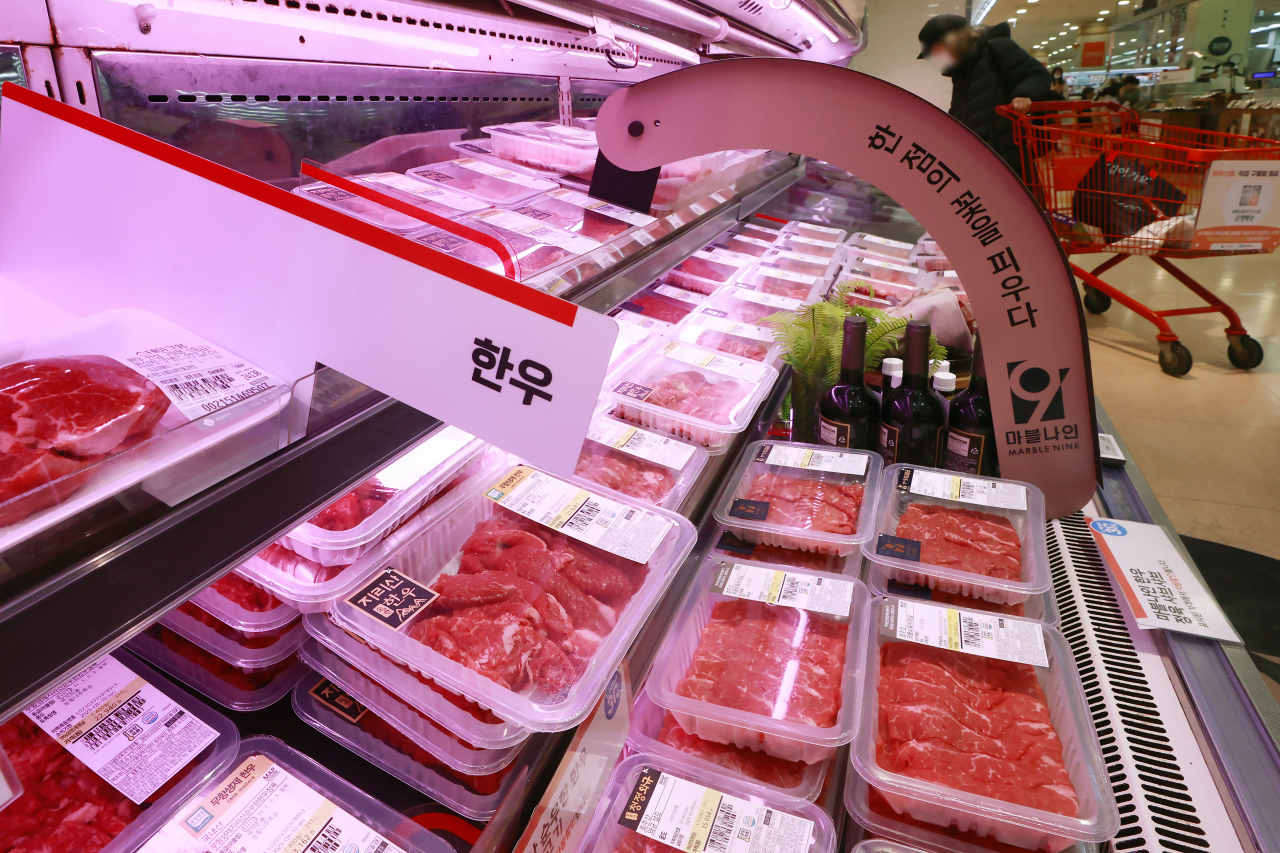
From Sacred Plow Animal to Luxury Ingredient
Beef has not always been on the Korean dinner table. For most of the country's history, cattle were treated as labor animals, indispensable for plowing rice paddies and hauling carts. During the Goryeo period (918 to 1392), state-backed Buddhism strongly discouraged slaughtering oxen, and the few who could afford beef were largely limited to royalty and aristocrats. When Confucian Joseon (1392 to 1897) replaced Goryeo, the rules loosened, but beef remained an elite food served at jesa (ancestral rites), royal banquets, and yangban (noble class) gatherings.
It was only in the latter half of the twentieth century, after the Korean War and as the country urbanized and industrialized at breakneck speed, that beef finally trickled down to ordinary households. Even then, it stayed expensive enough to be reserved for holidays, birthdays, and weddings. Hanwoo never lost that aura of being something special, something you bring out for the people you love.
Meet Hanwoo: Korea's Native Breed
Hanwoo (한우) literally means "Korean cow," and the modern industry usually refers to the brown-coated strain that dominates Korean cattle farms today. Genetic studies trace hanwoo back more than two thousand years on the peninsula, and Korean breeders have spent decades refining the line for taste and intramuscular fat. Three smaller native breeds, Chikso (brindle), Heugu (black), and Jeju Heugu (Jeju black), share the same family tree but exist in tiny numbers compared to the brown hanwoo herd.

Hanwoo is often compared to Japanese wagyu, and the two breeds do share an ancestor. The flavor profile is different, though. Where A5 wagyu pushes intramuscular fat content close to 70 percent, hanwoo usually sits around 40 to 50 percent, which gives it a cleaner, beefier finish with a soft buttery melt rather than a rich oily one. That balance is exactly what Korean diners look for, especially when the beef is grilled tableside with nothing more than a pinch of salt.
The Grading System That Drives the Price
The Korean Beef Grading System, run by the government-affiliated Korea Institute for Animal Products Quality Evaluation, ranks every carcass on two scales. The quality grade looks at marbling, meat color, fat color, and texture, and runs from 3 at the bottom up through 2, 1, 1+, and 1++ at the top. The yield grade evaluates how much usable meat the carcass produces and is labeled A, B, or C. So when you see "1++ A" on a butcher shop sign, you are looking at the highest quality and the highest yield on a single carcass, the rarest combination in the country.
The marbling subgrade behind 1++ is measured against the Beef Marbling Standard (BMS), a 1 to 9 scale where BMS 9 represents the most heavily marbled meat. Only a small share of hanwoo ever reaches the top, which is why 1++ cuts can sell for two to three times the price of imported beef at the same supermarket. Grade tags are everywhere in Korea, on menus, at supermarkets, at gift counters, and they directly drive how much a consumer expects to pay.
Why Hanwoo Stays So Expensive
The price of hanwoo is not just marketing. Three structural reasons keep it firmly in luxury territory. First, Korea is mostly mountainous, and the flat farmland that exists is needed for rice and vegetables. There simply is not enough open pasture to scale up grass-fed cattle the way Australia or the United States can. Second, hanwoo cattle are typically raised on a long, grain-heavy diet for 28 to 32 months to build the marbling that defines the breed, almost twice as long as commodity beef cattle in other countries, and feed has gotten dramatically more expensive in recent years.
Third, the entire hanwoo supply chain is built around the domestic market. Less than 1 percent of hanwoo is exported, with a small slice approved for Hong Kong, Macau, the United Arab Emirates, Malaysia, and a handful of other markets. A population of roughly 51 million people, many of whom view beef as a celebratory food, absorbs almost everything Korean farmers raise. As The Korea Herald noted in 2023, even when wholesale prices fluctuate due to oversupply, retail hanwoo remains a "highly coveted luxury food item among South Korean consumers."
The Cuts Koreans Splurge On
Korean butchery treats hanwoo with the same precision Japanese chefs reserve for tuna. A single carcass is divided into dozens of named cuts, each with its preferred cooking method and price tier. Chaekkeut and kkotdeungsim, the well-marbled ribeye and the upper sirloin, are the splurge picks at premium grills. Anchangsal (outside skirt) and salchisal (chuck flap), once thrown away or sold cheap, are now among the most expensive cuts in Seoul because Korean diners discovered how nutty and tender they can be.
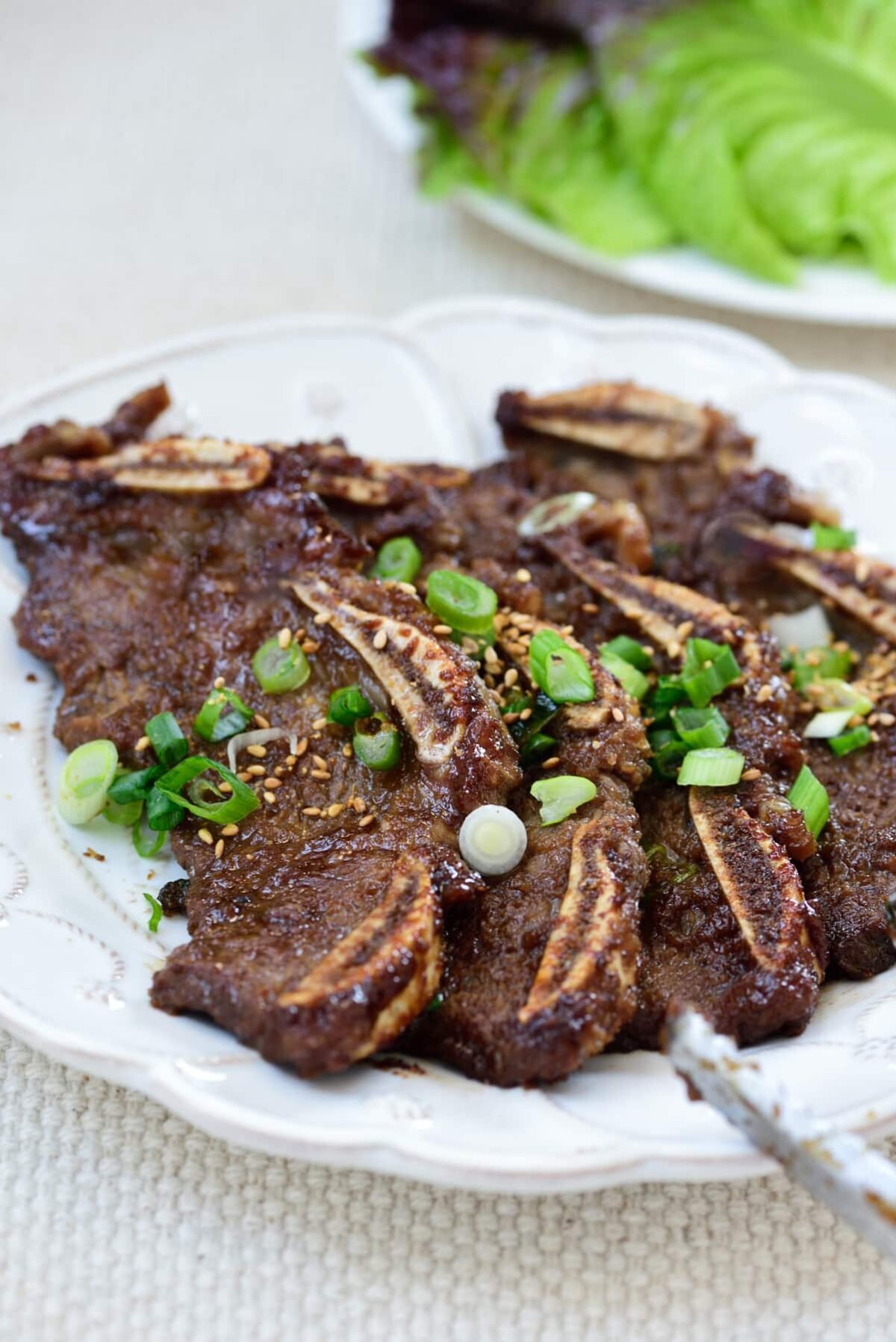
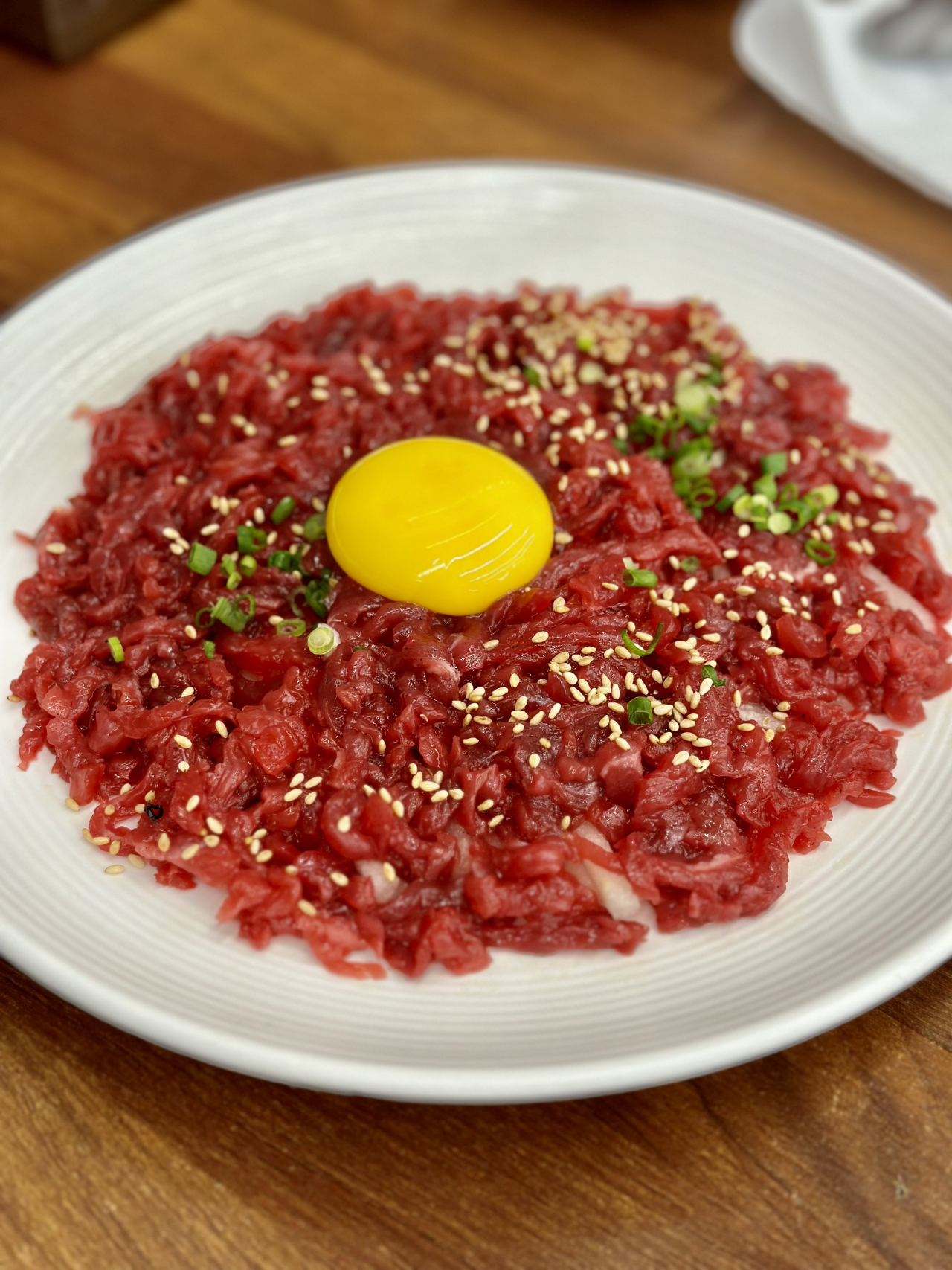
Galbi, the short ribs, sit at the heart of holiday cooking. Thick-cut wang-galbi and butterflied bone-in ribs appear at weddings and ancestral rites, while thin LA galbi has become the casual Korean BBQ standard around the world. For the brave or wealthy, yukhoe, a hand-cut tartare of raw lean hanwoo, is served with shredded Asian pear, garlic, sesame oil, and a single glossy egg yolk. The best yukhoe in Seoul uses 1++ hanwoo butchered the same day, which is exactly why a single small plate can cost as much as a full Western three-course dinner.
Hanwoo as a Gift, Not Just a Meal
If you walk through any Korean department store in the weeks before Chuseok (Korean Thanksgiving) or Seollal (Lunar New Year), you will see entire floors devoted to hanwoo gift sets. Lacquered wooden boxes lined with crisp paper hold curated assortments of galbi, sirloin, and brisket, with prices that can climb past 500,000 won (around 380 US dollars) for the most luxurious sets. Sending a hanwoo gift box to your parents, your in-laws, or a respected boss is one of the most meaningful gestures you can make during the holidays.
This gift tradition is a huge part of why hanwoo prices stay elevated even when overall beef demand softens. The biggest spikes in retail prices come in the two weeks leading up to Chuseok and Seollal, when the gift market alone can swing the national wholesale average. For ordinary households, eating hanwoo on those holidays is a way of honoring ancestors at jesa rites and celebrating with extended family, two of the most deeply rooted occasions in the Korean calendar.
Where to Try Hanwoo in Korea
If you visit Korea and want to experience hanwoo without flying blind, start at one of the dedicated hanwoo towns. Daegwallyeong Hanwoo Town in Gangwon Province sits at the country's most famous cattle-farming altitude and offers a "purchase and grill" model where you buy meat at the in-house butcher counter and pay a small fee to grill it next door. Hoengseong in the same province is similarly known for premium hanwoo cooperatives where you can taste 1++ kkotdeungsim at a fraction of Seoul prices.
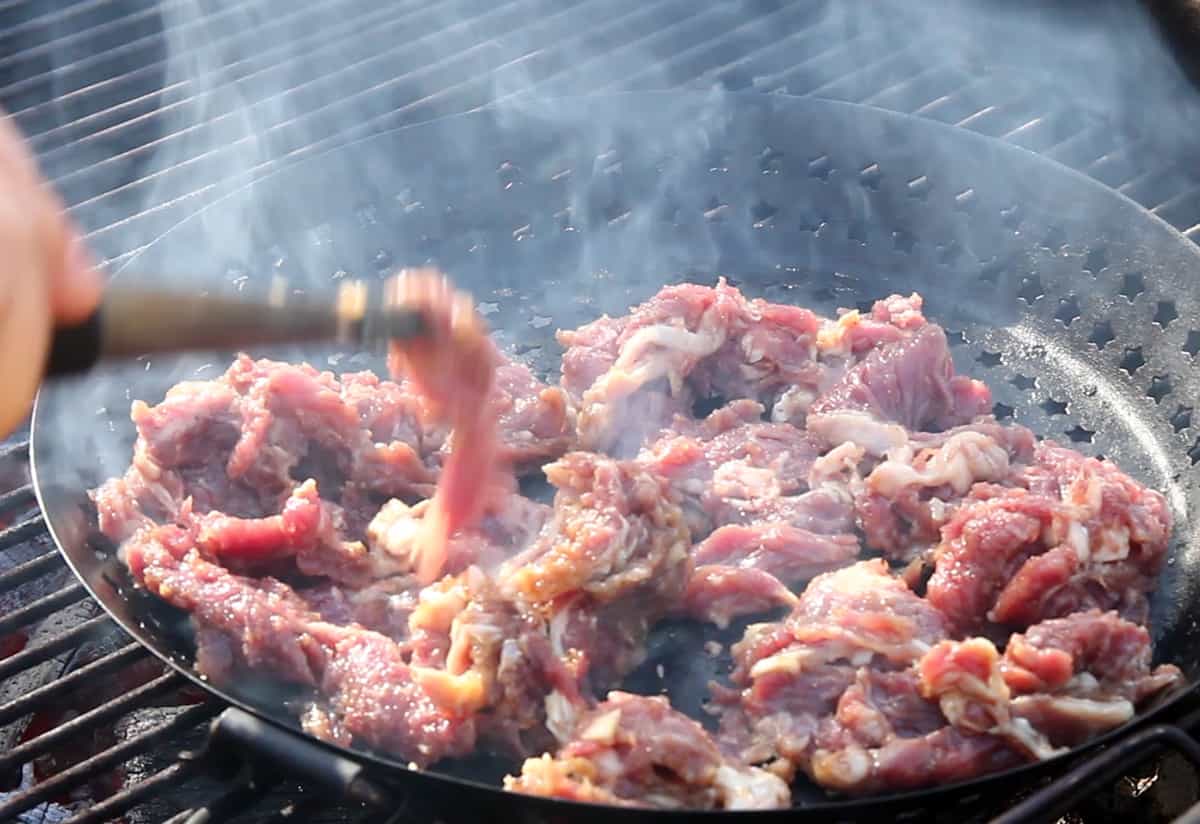
In Seoul, Majang Meat Market in Seongdong-gu is the city's wholesale hub, with butcher shops that will sell you a 1++ steak by the gram and grilled-on-the-spot restaurants stacked above them. High-end omakase-style hanwoo restaurants in Cheongdam and Apgujeong dry-age single cuts for weeks and serve them course by course, while traditional yukhoe streets at Gwangjang Market offer the rawer, more affordable side of the breed. Whichever you choose, the rule is the same. Order less than you think you need, grill it briefly, and let the marbling speak.
The Bottom Line
Hanwoo is expensive because everything about it is small batch and tightly controlled. The land is limited, the diet is long and rich, the grading system is strict, and the domestic market alone happily absorbs almost the entire annual production. Layer on top of that the cultural weight of beef as a gift, a celebration, and a sign of respect, and you start to see why a single perfect bite of 1++ kkotdeungsim feels like a tiny piece of Korea's national identity. Once you understand the story, the price tag starts to make a lot more sense, even if your wallet still flinches a little.
Explore Korean Snacks with Daebak
Love Korean food? Get authentic Korean snacks and ramen delivered straight to your door with the SnackFever Box by Daebak.


