


Table of Contents
Pork holds a special place in Korean culinary culture. It's the star of smoky backyard barbecues, the soul of rich noodle soups, and the centerpiece of festive wrapped platters. Koreans have mastered the art of preparing pork in dozens of ways, but a handful of preparations stand out as truly iconic. Here are five delicious ways Koreans cook pork that every food lover needs to know.
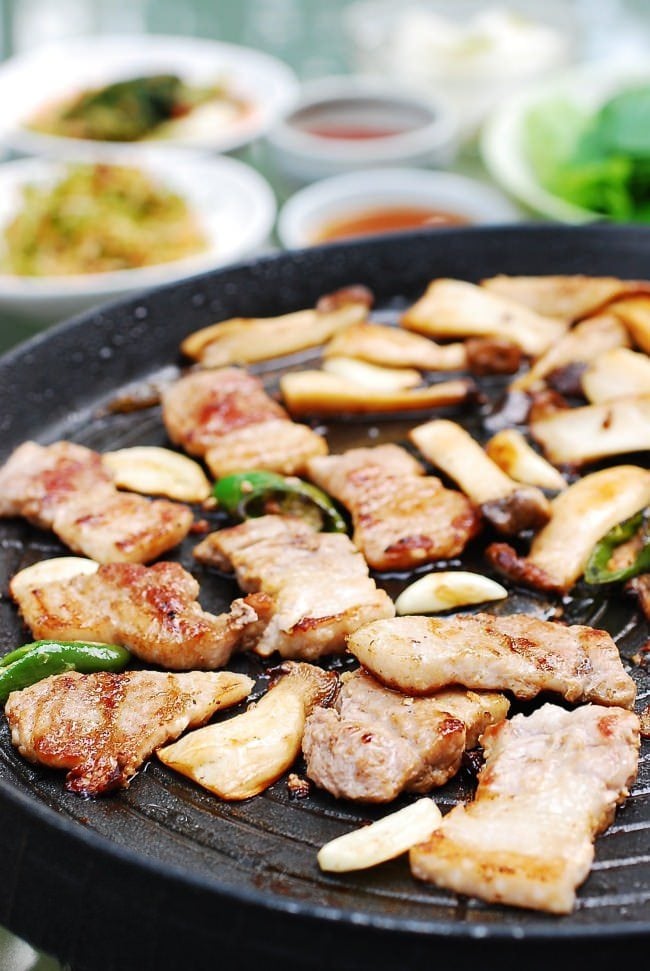
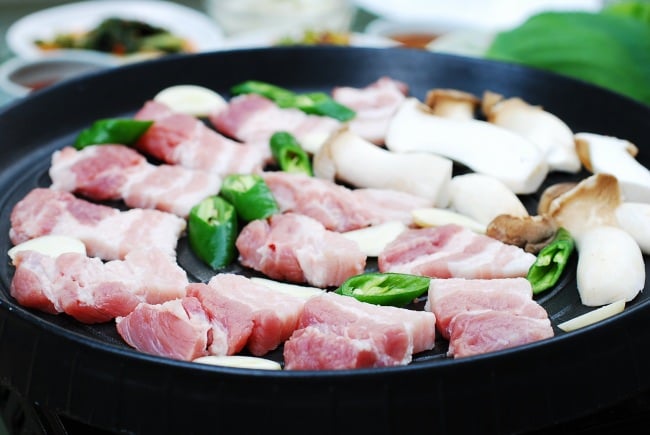
1. Samgyeopsal (Grilled Pork Belly)
Samgyeopsal is the undisputed king of Korean BBQ. Thick slices of pork belly are grilled directly on a tabletop grill, often over charcoal or gas, until the edges crisp and the fat renders into golden cracklings. The ritual is just as important as the meat: you wrap a slice in a fresh perilla leaf or lettuce, add a smear of fermented soybean paste (doenjang) or gochujang, a sliver of raw garlic, and maybe a slice of grilled kimchi. The result is a perfect bite that hits every note at once. No meal in Korea brings people together quite like samgyeopsal with a round of soju.
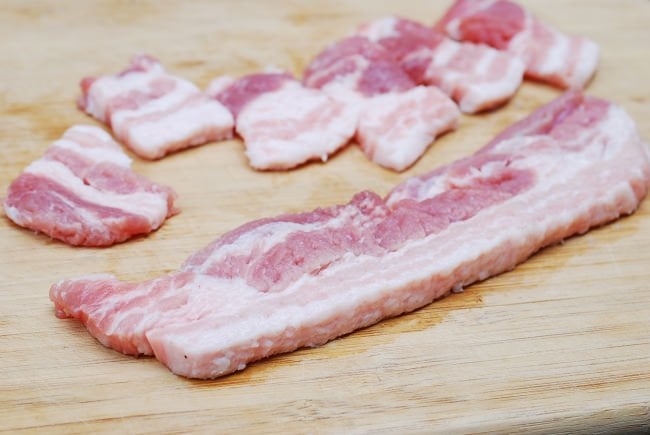
2. Bossam (Boiled Pork Wraps)
Bossam is the gentler sibling of samgyeopsal. A whole pork shoulder or belly is slowly simmered in an aromatic broth with doenjang, ginger, garlic, and onion until the meat is fork-tender. It's then sliced thin and served alongside napa cabbage leaves, fresh kimchi (sometimes a specialty bossam kimchi), and an array of condiments. The contrast of the soft, flavorful pork against the crisp, cold kimchi wrapped in a leaf is stunning. Bossam is deeply associated with kimchi-making season (kimjang) in Korea, when families traditionally feast on it after a day of making kimchi together.
3. Jeyuk Bokkeum (Spicy Stir-Fried Pork)
If you want big, bold flavors, jeyuk bokkeum delivers. Thinly sliced pork is marinated in a fiery paste of gochujang, gochugaru (Korean red pepper flakes), soy sauce, garlic, ginger, and sesame oil, then stir-fried at high heat with onions and green onions. The result is intensely savory, spicy, and slightly sweet, with caramelized edges that make every bite irresistible. It's a staple of Korean home cooking and a favorite in Korean restaurants worldwide, typically served over a bowl of steamed rice with a simple soup on the side.
4. Dwaeji Gukbap (Pork and Rice Soup)
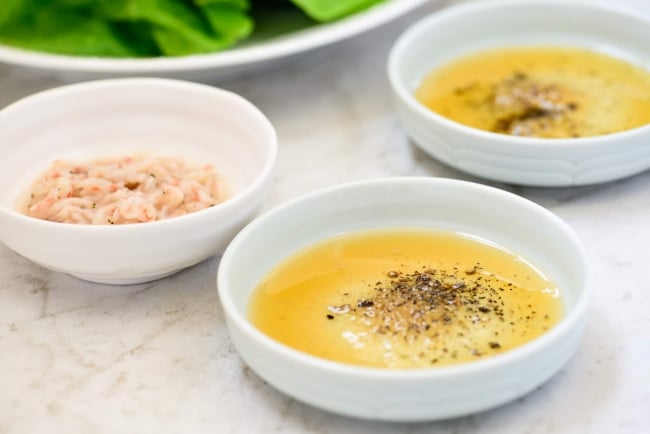
Dwaeji gukbap is comfort food at its most elemental. Originating from Busan, this humble dish is a bowl of rich pork bone broth served with sliced pork and a scoop of rice, garnished with green onions and seasoned to taste with salted shrimp and gochugaru. The broth is milky white and deeply savory from hours of simmering pork bones. In Busan, dedicated gukbap restaurants open as early as 5 a.m. to serve workers and late-night revelers. It's the kind of soul-warming dish that transcends time and occasion.
5. Doenjang Jjigae with Pork (Soybean Paste Stew)
While doenjang jjigae is often associated with seafood or tofu, the pork version is just as beloved. Chunks of pork belly or shoulder are added to a bubbling earthenware pot of fermented soybean paste broth along with tofu, zucchini, mushrooms, and potatoes. The fermented paste brings a deep umami funk that mingles beautifully with the richness of the pork. Every Korean family has their own version, passed down through generations, and it is arguably the most comforting dish in the entire Korean culinary canon.
Explore Korean Snacks with Daebak
Love Korean food? Get authentic Korean snacks and ramen delivered straight to your door with the SnackFever Box by Daebak.


