


Table of Contents
Oily skin in Korean skincare is not treated as a problem. It is treated as a category. And that difference is the whole reason Seoul has produced the most obsessively engineered oily-skin routine on the planet. The Korean term is 지성 피부 (jiseong pibu, oily skin type), and if you spend enough time in Olive Young or watch enough Korean beauty YouTube, you notice that oily is never framed as a defect. It is a starting point for a specific set of products designed around a very specific outcome: 촉촉하지만 유분 없는 (chokchok-hajiman yubun eopneun), hydrated but not oily. I have been covering the Korean beauty industry for more than a decade, and this hydrated-without-oil ideal is the one thing that Korean labels obsess over more than any global brand I know.
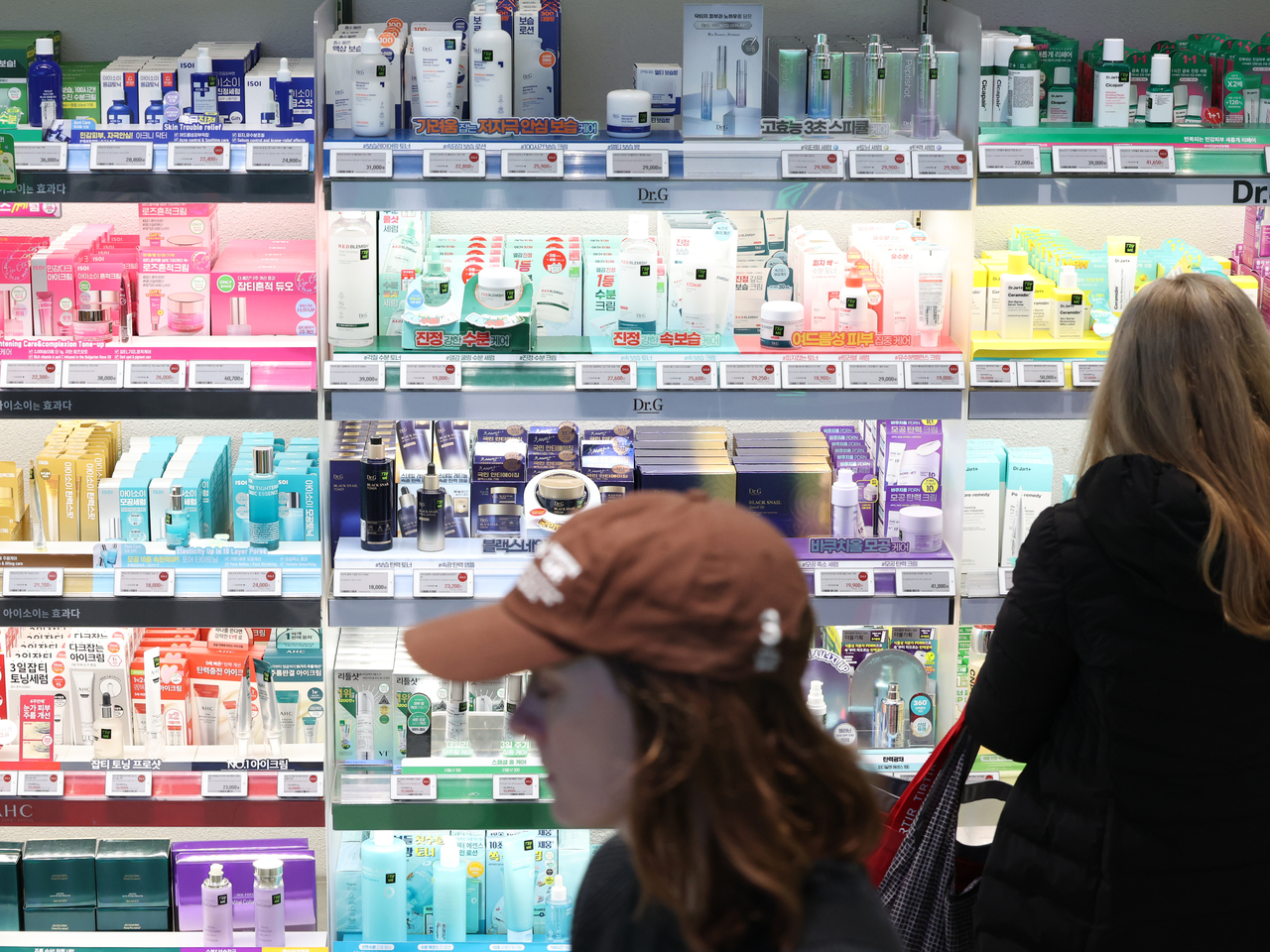
Why Korea Solved Oily Skin First
Seoul summers are a lab environment for oily skin. July and August 60 to 80 percent humidity, temperatures pushing into the mid-30s Celsius, and a work culture where salaried Koreans commute in wool suits through a subway system that generates its own microclimate. Korean women (and increasingly Korean men, whose skincare market has doubled since 2018) have needed oil-control products that also do not strip the barrier, because a stripped-out oily skin will just produce more sebum and rebound within four hours.
The industry consequence of this is that Korean brands treated oily skin as a technical problem for two decades before Western clean-beauty brands caught up. Amorepacific and LG Household and Health Care put serious research money into sebum modulation as far back as the early 2000s, and by 2015 the indie brand wave (Cosrx, Innisfree, Etude House) had figured out how to sell those formulations at drugstore prices. That price accessibility is the second reason K-beauty won the oily-skin conversation globally. A Cosrx Low pH cleanser retails around 14,000 won in Seoul. Its closest chemistry competitor in a Sephora Western brand costs three times that.
Step 1. Cleanser: The Foundation of the Oily Routine
Every serious oily-skin routine in Korea starts with a low-pH cleanser. The reason is chemistry, not marketing. Human skin sits at roughly pH 5.5, and cleansers above pH 7 (which is where most Western foam cleansers park) will strip the acid mantle, kick sebum production into overdrive, and leave that tight-then-shiny cycle. Korean formulators cracked this early.
Cosrx Low pH Good Morning Gel Cleanser is the reference point. Around 12,000 won at Olive Young, pH 5.0 to 5.5, and formulated with tea-tree oil and BHA at concentrations low enough to use every day. What made it a global holy grail is not the ingredient list. It is the texture. It rinses completely clean without that squeaky feeling that signals an over-alkaline surfactant. If you have tried it and thought it felt underwhelming, that is the point. It is doing less than a Western cleanser on purpose.
Etude House SoonJung pH 6.5 Whip Cleanser is the barrier-focused alternative for oily skin that also runs sensitive. SoonJung is the dermatologist-recommended line inside Etude House, and pharmacists in Korean pharmacies (not Olive Young beauty advisors, actual licensed pharmacists) will point at this bottle when someone comes in with reactive oily skin.
Innisfree Volcanic Pore Cleansing Foam uses Jeju-island volcanic ash as a sebum absorber. The regional-ingredient story (Jeju's Halla mountain volcanic soil) is marketing, but the ash actually works as a mild sebum-binding agent. It is the Sunday deep-clean, not the daily, and the appeal point for global fans is the sensory theater. It smells clean-mineral, feels dense, and photographs beautifully on a bathroom shelf. Instagrammable skincare is Korean beauty's second-nature marketing move.
Step 2. Toner: Where Korea Beats Everyone

Toner is where Korean skincare made its biggest philosophical break from Western tradition. In the US, toner used to mean witch hazel plus alcohol, a product designed to strip. In Korea, toner became 화장수 (hwajangsu, cosmetic water) and reoriented around hydration. The oily-skin holy grails now sit in a category that would have been unrecognizable to a 1990s American teenager.
Pyunkang Yul Essence Toner is the current gold standard. Formulated around 91 percent Coptis japonica extract (a Korean medicinal plant with real anti-inflammatory data), no fragrance, no ethanol, and thick enough to double as a light essence. It went viral around 2019 and stayed there because it does the thing oily skin most wants: penetrating hydration without film. If your face feels sticky after Western toners, this is the fix.
Isntree Green Tea Fresh Toner uses 80 percent Jeju green tea water in the formulation base. Green tea's EGCG polyphenols are legitimately sebum-regulating (there is real dermatology literature on this), and Isntree happens to have priced it competitively. K-beauty fans on Reddit have been recommending this as the Boseong-green-tea-region alternative to more expensive antioxidant toners since around 2021.
Some By Mi AHA-BHA-PHA 30 Days Miracle Toner is the actives-driven pick. Three chemical exfoliants at conservative concentrations, packaged with a marketing name that promises transformation in 30 days. What is worth flagging as industry mechanic: Some By Mi is one of the K-indie brands that built its US market through TikTok reviewer partnerships in 2020 to 2022. The 30 Days Miracle line moved from small Korean cult product to Amazon top-seller in the acne-prone niche in about 18 months. That speed is unique to K-beauty distribution.
Step 3. Serum: Where the Vitamin C Battle Lives
Oily skin plus acne scarring is the most common Korean skincare consultation, and the answer for a decade has been vitamin C. Not the 20 percent L-ascorbic Western dermatologist recommendation, which oxidizes fast and can irritate. Korean formulators went to stabilized derivatives at gentler concentrations.
Klairs Freshly Juiced Vitamin C Drop is a 5 percent ascorbic acid serum with an oil-free carrier, and it is the entry-level holy grail for brightening acne marks (Koreans call these 여드름 자국, yeodeureum jaguk) on oily skin. What makes Klairs specifically Korean is the philosophy of building tolerance gradually. Where a US dermatologist would tell you to jump into 15 percent vitamin C, Klairs' whole product ladder is designed to walk you up over months. That patience approach fits Korean skincare culture, which reads long-horizon skin health as a lifestyle, not a six-week fix.
For oily-skin readers new to vitamin C, the Korean protocol is to introduce it every third morning, then every other morning, then daily. The lightweight watery texture of Klairs is deliberate, because heavy silicone-based Western serums will feel like an occlusive layer on already-oily faces by mid-afternoon.
Step 4. Moisturizer: The Hydration Without Oil Problem

The moisturizer step is the single hardest problem in oily-skin skincare, because you need to feed the barrier without pushing the sebum pump. Korea's answer has been gel-cream formats that borrow from the hydrogel dessert texture Korean cosmetic chemists know intimately (the R and D crossover with the Korean food industry is real, especially at Cosmax and Kolmar Korea).
Belif The True Cream Aqua Bomb is the flagship. It launched around 2017, uses a hydrogel base with lady's mantle and malva sylvestris, and hits the specific texture Koreans want: 촉촉 (chokchok, hydrated-moist) without 유분 (yubun, oiliness). Belif is owned by LG Household and Health Care, which put serious R and D behind cooling gel formats. The Aqua Bomb Frozen Cream extension line drops skin temperature 6.05 Celsius after a single application. For humid Seoul summers, that measurable cooling is the appeal.
Krave Beauty Great Barrier Relief is the barrier-repair pick. Krave Beauty was founded by Liah Yoo, a Korean-American YouTuber who worked at Memebox before starting the brand, and Great Barrier Relief was designed specifically for oily skin that had been over-exfoliated by Western routines. Tamanu oil plus niacinamide, no fragrance, texture that sits between serum and lotion. The industry-insider point worth flagging: Great Barrier Relief was one of the first K-adjacent brands built specifically for the global market rather than domestic Korean shelves. That reverse-flow (a Korean-heritage brand launching in English first, then reaching Seoul) is now a common pattern (Then I Met You, Innbeauty Project, Hanacure) but Krave started it.
Step 5. Sunscreen: The Category That Broke K-Beauty Global
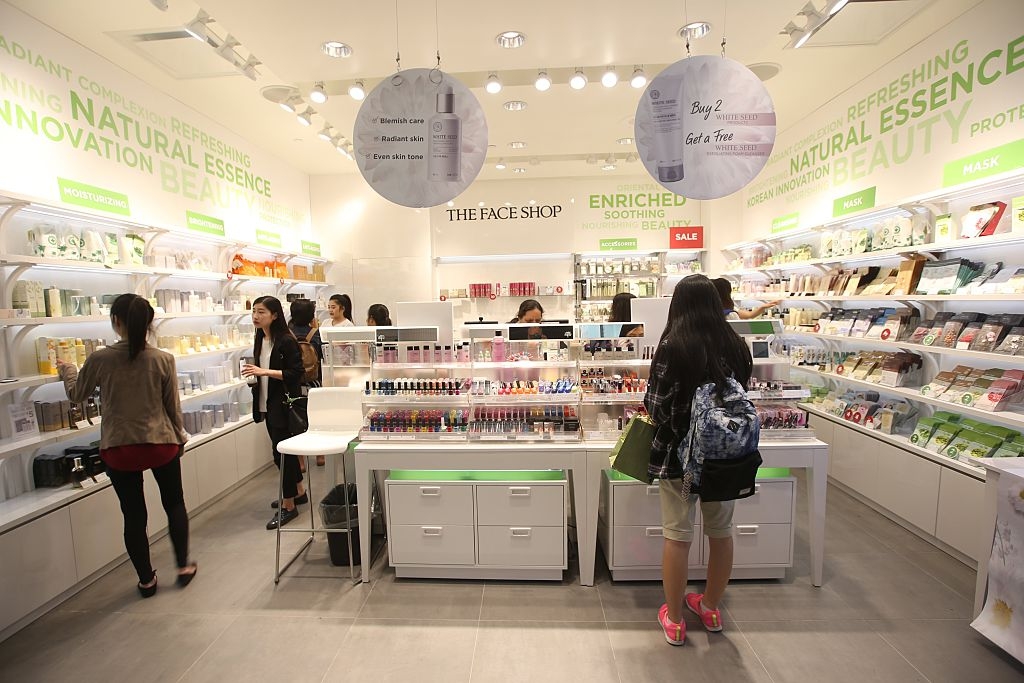
If any category proves how far K-beauty has come, it is sunscreen. Korean SPF grew roughly 20 to 30 percent year-over-year in the US market from 2022 to 2025. Beauty of Joseon's Relief Sun rice and probiotics formula did an estimated US $50 million in its first full year on Amazon after going viral on TikTok in mid-2022. That is a debut year on par with the biggest Sephora launches, done by a Korean indie brand with a marketing budget a fraction of the incumbents.
Beauty of Joseon Relief Sun: Rice and Probiotics SPF 50+ PA++++ is the flagship. Chemical sunscreen, no white cast, hanbang-inspired ingredient story (rice water for brightness, propolis for barrier). What made it a holy grail for oily skin specifically is the finish, which sits half-matte with a slight sheen, so it works under makeup without pilling.
Round Lab 1025 Dokdo Toner put the brand on the map, but the sunscreen carrying oily-skin credibility is Round Lab Birch Juice Moisturizing Sun Cream SPF 50+ PA++++. Birch tree sap as the hydration base, chemical filters that finish lightweight, and the Dokdo island narrative (Round Lab uses ingredients tied to specific Korean islands as a brand-story move). Birch Juice went TikTok-viral in 2022 and 2023 alongside Beauty of Joseon and is one of the two Korean sunscreens that made Reddit's r/AsianBeauty top-ten universal recommendations by 2024.
The reason Korean sunscreen won globally, versus the US and European market, is regulatory. Korea's Ministry of Food and Drug Safety treats sunscreen as a functional cosmetic, which is a middle regulatory category between cosmetic and drug. The result is Korean brands can use next-generation UV filters (Tinosorb, Uvinul) that the US FDA has not yet approved. American consumers who wanted lightweight, high-SPF, cosmetically elegant sunscreens simply could not buy them from US brands. K-beauty filled that vacuum.
The Post-2020 Skin Cycling Shift: 3 Steps, Not 10
The old 10-step Korean skincare routine that dominated Western Instagram from 2015 to 2019 is not what Koreans actually do anymore. The domestic Korean beauty conversation shifted around 2020 to 2021 into what the Korean beauty press calls 스킨 사이클링 (skin cycling), a simplified 3-step approach that alternates active-ingredient days with barrier-repair days.
The typical current-day Seoul oily-skin routine looks like this. Morning: low-pH cleanser, hydrating toner, SPF 50+. That is three products. Evening: oil cleanser plus low-pH cleanser (double cleanse), toner, then rotating actives (vitamin C on Mondays and Thursdays, BHA on Tuesdays and Fridays, barrier cream every other night). It is a smarter, less-is-more version of the original 10-step maximalism.
The industry mechanic behind this shift is worth calling out. Korean beauty influencers on YouTube and Naver Blog started explicitly critiquing routine bloat around 2020, arguing that most consumers were overapplying and irritating their skin. The Korean beauty press picked it up. Brands responded with more concentrated multi-function products (a serum-toner hybrid, a moisturizer-SPF combo) so consumers could get the benefits without the layer count. Skin cycling is now the domestic-Korean default, and Western K-beauty coverage is starting to catch up.
The Industry Story: Why K-Beauty Owns Global Oily-Skin Now

The reason global oily-skin conversation now runs through Korean brands is not marketing, and it is not TikTok alone. It is the ODM (original development manufacturer) infrastructure. Cosmax and Kolmar Korea are the two Korean ODM giants that manufacture roughly 60 to 70 percent of what shows up on Olive Young shelves and, increasingly, on Sephora shelves in New York and Paris. When an indie brand like Beauty of Joseon wants to reformulate its sunscreen, it does not build a factory. It calls Cosmax's SPF R and D division, tells them the specs (SPF 50+, no white cast, works for 지성 피부, retail price under 20,000 won), and gets a manufacturable formula in weeks.
This is why Korean sunscreen exports to the US surged 88 percent year-over-year in 2024 and are projected to jump another 43 percent in 2025 e-commerce. The ODM factory floor is doing the innovation work at industrial speed, and the indie brands are packaging and marketing it. From 2015 to 2025, Korea went from second-largest cosmetics exporter to global by category (in sunscreen and skincare it has already overtaken France on Amazon by revenue). Oily-skin products have been the tip of that spear.
The Cultural Point: Hydrated Without Oil Is the Whole K-Beauty Ideal
Behind the product list is a single aesthetic idea. Korean beauty's aspirational skin is not matte and not oily. It is 촉촉하지만 유분 없는 (chokchok-hajiman yubun eopneun, hydrated but not oily), a specific in-between that Western skincare has struggled to articulate. Glass skin (유리 피부, yuri pibu) is the popular name for the target, and it means skin that catches light like polished glass: reflective, dewy, but never greasy or flat. For oily skin types, achieving that look requires suppressing surface sebum while feeding barrier moisture underneath. That is the whole engineering brief.
Everything Korean brands do in the oily-skin category ladders up to that ideal. The low-pH cleansers exist so the barrier is not stripped. The hydrating toners exist so oil production does not spike from dehydration. The serums exist to address the acne marks that oily skin tends to leave. The gel-cream moisturizers exist so hydration lands without occlusion. The sunscreens exist because pigmentation on oily-acne-prone skin is the fastest visual aging signal. Layer it correctly, and glass skin is possible even on 지성 피부. That is the Korean beauty industry's core promise, and it is why the global oily-skin conversation now runs through Seoul.
Build Your K-Beauty Oily-Skin Routine
Want the actual products, curated by Korea? Get authentic K-beauty skincare delivered from Seoul with the Daebak K-Beauty Box. New oily-skin friendly cleansers, toners, serums, and SPF picks land every month, chosen from what Korean beauty editors are actually using.


