


Table of Contents
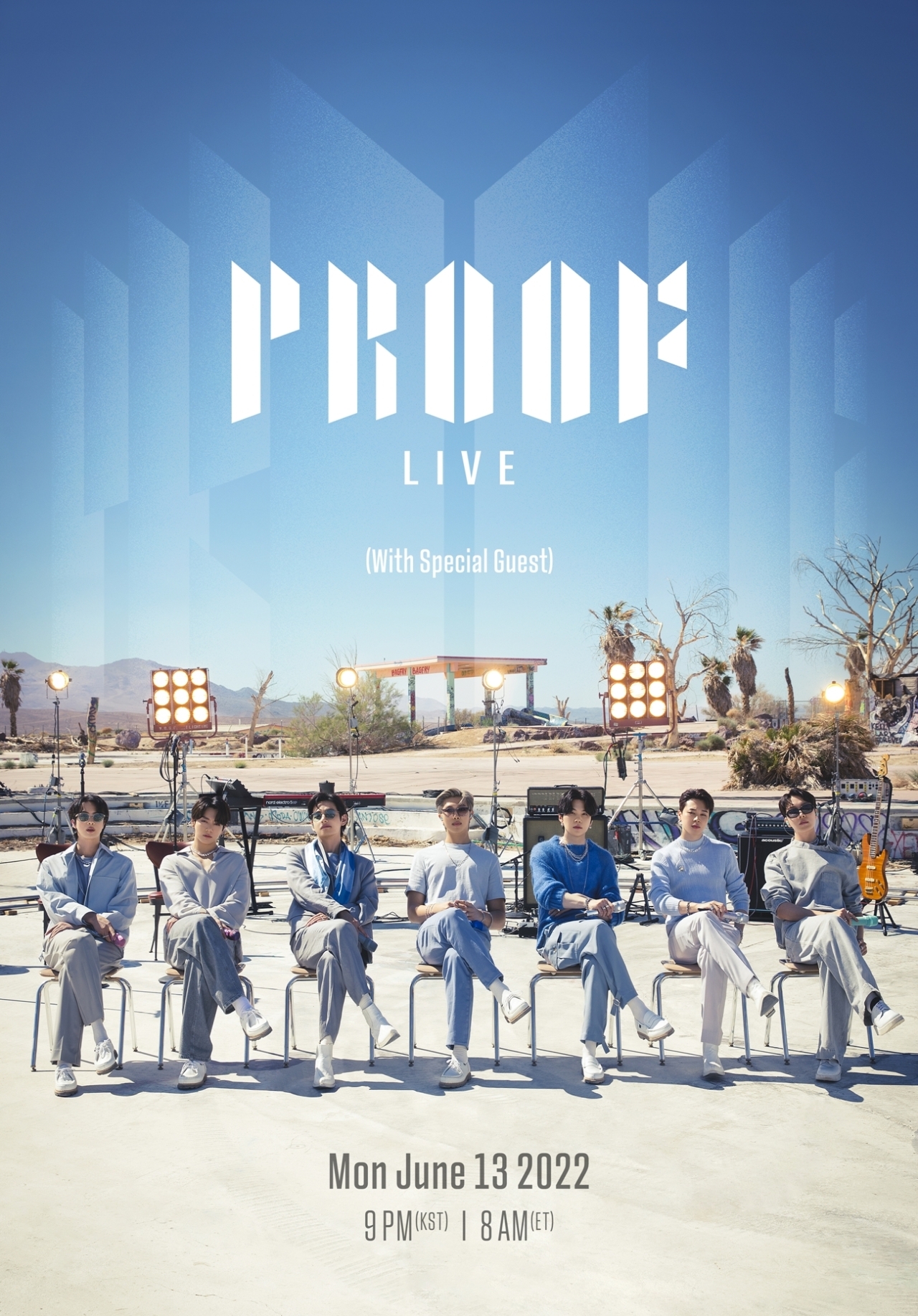
I have been working in the K-content space for over a decade, and let me say this up front: "Yet to Come (The Most Beautiful Moment)" is the most quietly important BTS title track of the post-pandemic era, and Western press almost completely missed it. The June 2022 single led off "Proof," a three-disc anthology HYBE released to mark BTS's 9th anniversary. It was Korean-language, ballad-leaning, and structurally unlike the disco-pop machinery of "Dynamite" or "Butter." That choice was not accidental. It was a signal to ARMY, to the industry, and in retrospect, to the boys themselves.
Why an Anthology Album, and Why Now (the 9-Year Contract Read)
Korean idol contracts default to seven years under the 표준계약 (standard contract) set by the Fair Trade Commission after the 2009 TVXQ dispute. Big acts that survive the seven-year wall usually re-paper into longer extensions. BTS re-signed with Big Hit (now Big Hit Music under HYBE) in 2018 for an additional seven years, which means 2022 was not an arbitrary anniversary. It was the midpoint of their second contract cycle, a moment when the label, the artists, and the fans all needed a public proof-of-life that this thing was still working.
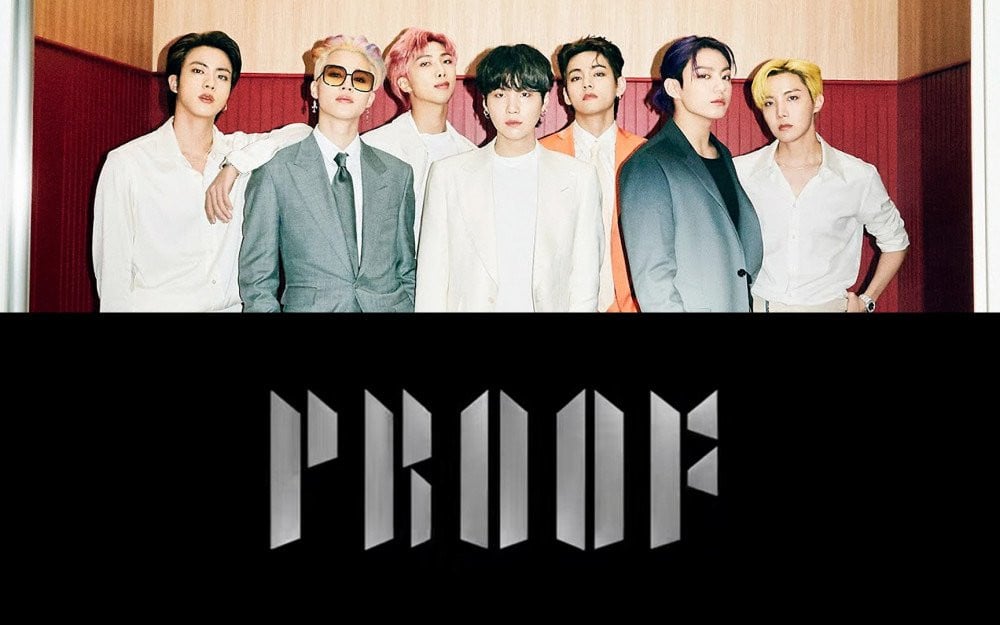
"Proof" was that proof. The album packaged 48 tracks across three discs, hand-curated by the members, and bookended their first decade. It was the first BTS 정규 앨범 since 2020's "BE." For HYBE, anthology drops are a specific tool: they monetize back-catalog, give the fandom collectible packaging to buy, and onboard the post-2020 ARMY wave (call them ARMY 2.0) who joined during "Dynamite" and might not know "Spring Day" or "Save Me" deep enough to cry to them at concerts. An anthology is, frankly, an onboarding ritual disguised as a celebration.
"Yet to Come" Is the Career Montage Track, Not a Comeback Banger
Here is where most English coverage tripped. Outlets compared "Yet to Come" to "Dynamite" or "Butter" and called it underwhelming. They were grading the wrong song. "Yet to Come" is BTS's "Let It Be," not their "Hey Jude." The structure is a melancholy mid-tempo with rap verses from RM, Suga, and J-Hope written more as confession than performance. The vocal hook ("the most beautiful moment is yet to come") functions as both a promise and an apology. The track was co-produced by Pdogg, the in-house architect of BTS's early sonic identity, which is itself a tell. When HYBE wants the canonical 2022 BTS song, they call Pdogg, not the songwriting room behind "Butter."
The appeal point for Korean fans sits in the contrast. Western markets had been trained on a BTS that sang in English over a four-on-the-floor disco template. "Yet to Come" wound the clock back to the emotive Korean-language balladry of the "BE" era. For ARMY who had been with the group since "I Need U," this was the version of BTS they had been waiting three years to hear again. For ARMY 2.0, it was a free language lesson: this is what the boys sound like at home.

The MV Is a Memory Map, Not a Music Video
Director Yong Seok Choi and Lumpens, the team behind almost every BTS visual since "Run," built the "Yet to Come" MV as a montage of seven members revisiting setpieces from their own catalog. The yellow taxi nods to "Spring Day." The campfire echoes the "Young Forever" era. Jin's white horse beat-by-beat references the "Epilogue" concept. Even the lighting choices, all hazy magic-hour washes, mirror the wave-lit ocean shots of the "BE" promo cycle.
From an industry vantage, that level of intra-catalog quotation is rare in K-pop because most groups do not have nine years of canon to quote from. Only acts on the BTS, BIGBANG, TVXQ tier can release a music video that asks the viewer to recognize their own back-discography as the set design. That alone explains why this MV could not have been a Western-press crossover hit. It is not addressed to the casual radio listener. It is addressed to the person who already knows the answers.

The Calm Before the Storm: The June 14 FESTA Dinner
"Yet to Come" dropped on June 10, 2022. Four days later, BTS sat down for their annual FESTA dinner and announced what they called a 챕터 2 (Chapter 2): a focus on solo projects, effectively a group-activity pause. Read in that order, "Yet to Come" stops being a comeback title and becomes something more loaded. It was a goodbye-for-now setlist piece, deliberately placed at the front of the anthology so the song people would associate with this anniversary would be the one that gave them permission to wait.
That sequencing is not coincidence. Anyone who has worked agency-side at a K-pop label knows the comeback calendar is locked months in advance, the press strategy weeks in advance, and the FESTA dinner content was certainly storyboarded before the MV uploaded. The label knew. The members knew. The song's lyrics ("the best is yet to come") were the kindest possible way to say "we are going to be apart for a while." The Korean idiom 앵콜 곡 (encore song) gets used for the track a group plays last in a setlist on purpose. "Yet to Come" was structured to function that way.

Why Korean ARMY Treats This as the Canonical 2022 BTS Song
If you ask English-language fandom what BTS song defined 2022, you will get "Yet to Come," "Run BTS," or a Jung Kook solo. Ask Korean ARMY and the answer is almost monolithic: this one. Two reasons. First, it was the last full-group title track before the Chapter 2 pause, which makes it emotionally load-bearing. Second, it lives in the part of BTS's sound that domestic fans always preferred. Korean ARMY rarely treats "Butter" or "Dynamite" as the real BTS. They are seen as crossover marketing assets, brilliant on their own terms but tonally adjacent to the canon. Korean-language emotive tracks (Spring Day, Save Me, The Truth Untold, Life Goes On) are the canon. "Yet to Come" planted itself squarely in that lineage.
That asymmetry between domestic and international reception is, by the way, a recurring pattern in K-pop and one of the more useful things to understand about the genre. Western Hot 100 charts measure radio plays and Spotify streams in English-dominant markets. They are not a thermometer for what the home fandom actually loves. The songs Korean fans choose as 정규 앨범 titles tend to be slower, more melodic, more lyrically dense. The songs HYBE chooses for English crossover (and they have been refreshingly transparent about this split since 2020) are engineered for Western daytime radio. Both can be excellent. They are simply different products.
What the Industry Should Have Taken From This Release
Three years after Chapter 2 began, the strategy has aged into clear shape. Jung Kook hit Western pop crossover. RM and Suga released critical-darling solo projects. Jin and J-Hope cycled through mandatory military service. V and Jimin built quieter solo lanes. Across all of it, "Yet to Come" remained the song the group played at every show that allowed a unified setlist, and the song most likely to score footage of all seven members together. For HYBE, having a song that lived as both a 컴백 (comeback) title and a permanent setlist anchor is rare engineering. Most title tracks fade. This one became infrastructure.
The industry takeaway is that anthology albums work hardest when the new track is written to do double duty as a thesis statement. "Yet to Come" was not the biggest BTS chart hit. It was, by a wide margin, the most strategically loaded title they have released. Ten years from now, when historians of K-pop want a single track to play under footage of BTS's first decade, this is the song they will reach for. That, in this business, is worth more than a Hot 100 entry.
Explore More of Korea with Daebak
Want to bring a little piece of Korea into your life? The Daebak Box is packed with the best Korean snacks, ramen, and cultural goodies delivered monthly to your door.


