


Table of Contents
With Korean cuisine becoming more and more popular, restaurants have opened globally and people everywhere can enjoy the spicy, flavorful gastronomy Korea has to offer. Its unique taste and character are thanks to the distinctive historical, cultural, and geographical situations the Korean Peninsula finds itself in. So if you have never tried Korean food, or simply want to know more about it, this is a beginner-friendly guide to how and why Korean cuisine came to be.
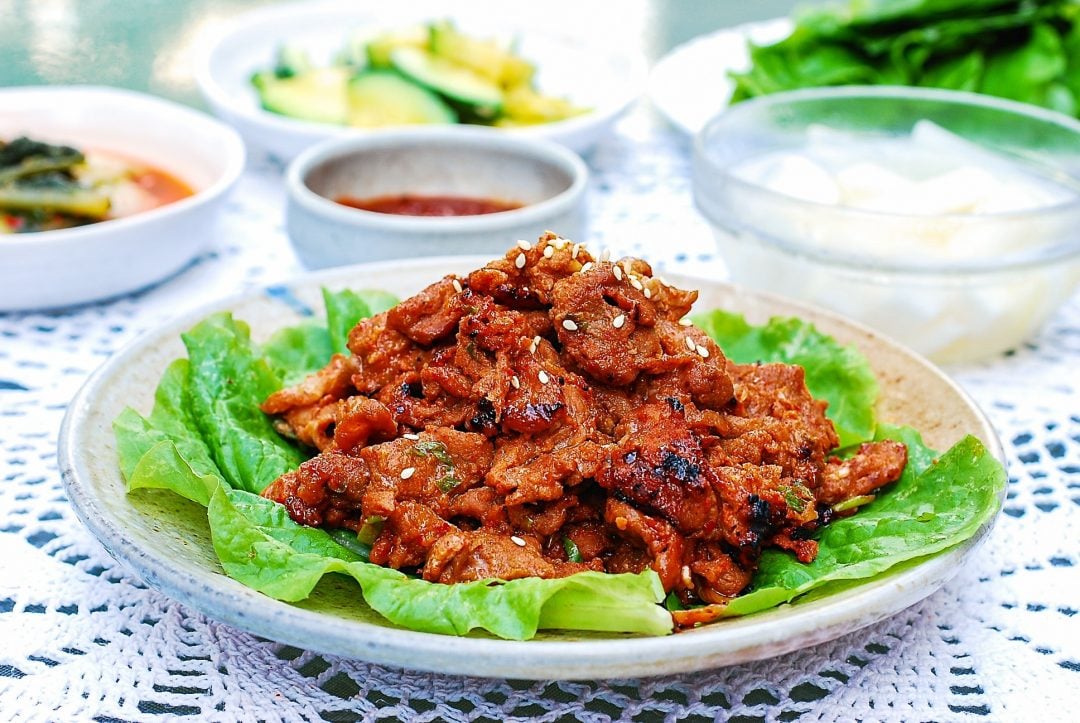
A Little Bit of Korean History
Korea has existed in one form or another for hundreds of thousands of years, passing through many dynasties and eras. Throughout all of it, cooking styles and food traditions have been carefully handed down through the generations. One famous example is fermentation. The reason Korea has so many fermented staples (such as kimchi and gochujang) is partly because of a historic lack of oil crops. With limited ways to fry or bake food, Koreans had to find other ways to cook and preserve ingredients, and fermentation was the most reliable solution. Grains and seeds were preserved instead of milk like in many Western countries, since Koreans began to settle and farm relatively early.

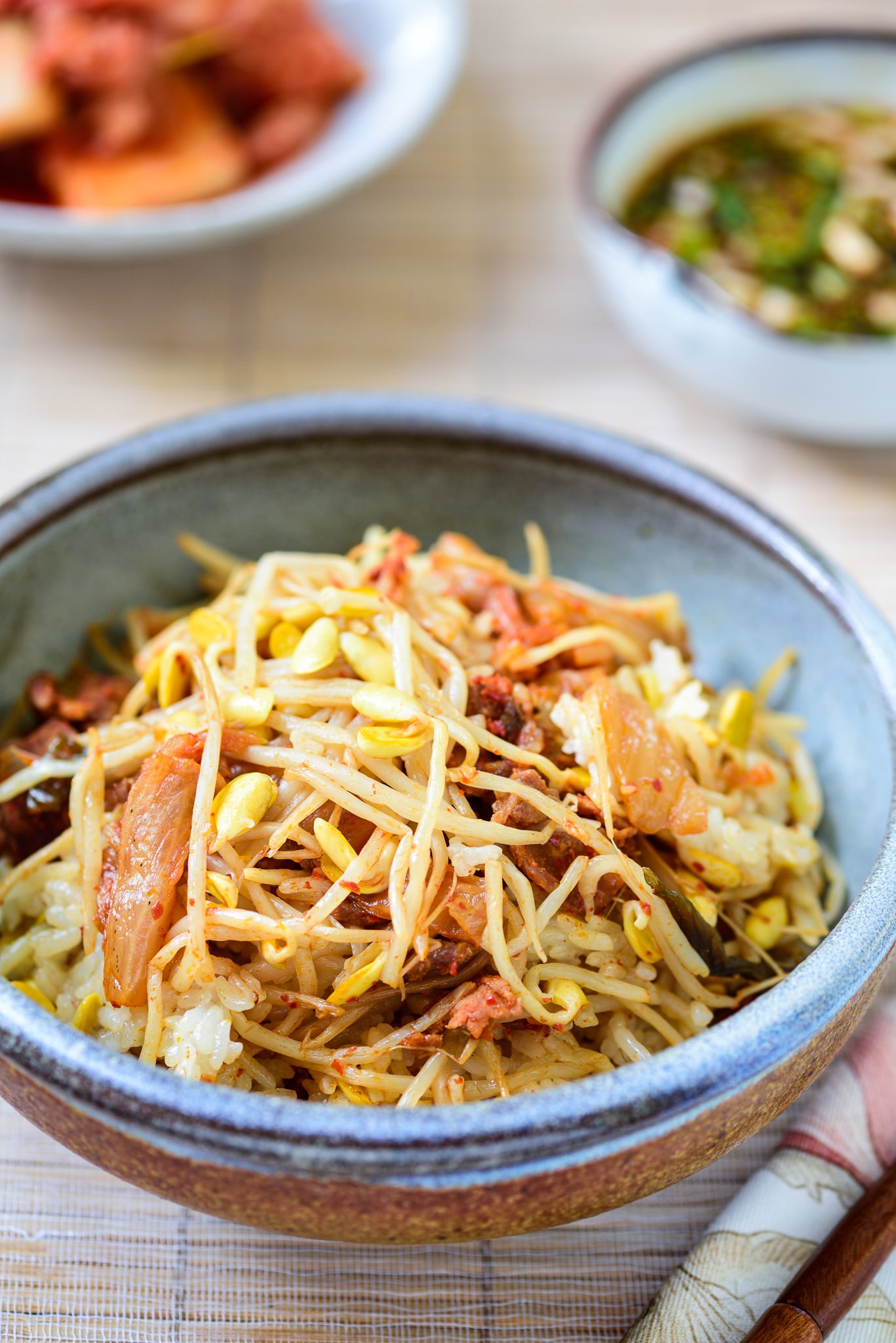
Rice is a major part of Korean gastronomy today, but interestingly, it did not originate in Korea. It was introduced during the Three Kingdoms period, which made it expensive and sparse at first. In fact, rice was so precious in the kingdom of Silla that it was used as a form of tax. Because of this, rice was often mixed with other grains to make it stretch further. You can still see this tradition in dishes like boribap (barley rice) and kongbap (rice with beans), even though rice production today is plentiful.
Meat tells a story too. Cows in ancient Korea were considered ‘beasts of burden’ and in many cases were treated almost like servants or family members. They were raised mostly for labor and only consumed during severe droughts or hardship. In the 4th century, when Buddhism was introduced, it became strictly forbidden to eat beef. This taboo was not reversed until the 13th century, when the Mongols invaded Korea and lifted the ban. Because of this long history, beef is not as dominant in traditional Korean cuisine as you might expect from looking at the modern menu.
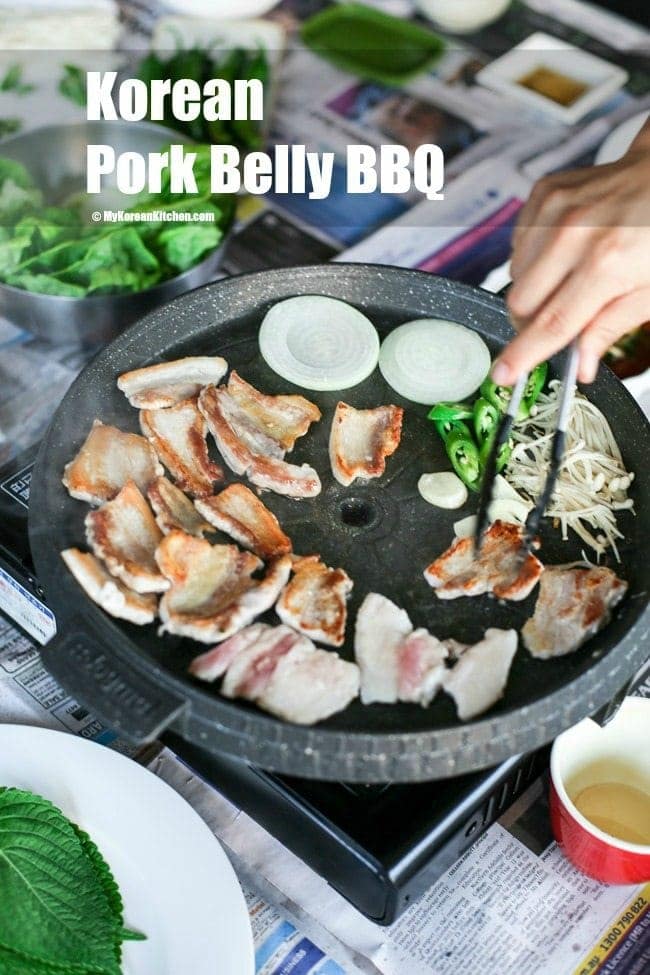
Pork, on the other hand, has been part of the Korean diet for as long as Korea itself. Pork is the main animal historically bred in Korea for consumption, and a national favorite is samgyeopsal, sliced grilled pork belly cooked right at the table. All parts of the pig (including the head) are put to use in different recipes, from soups to stews to street food.
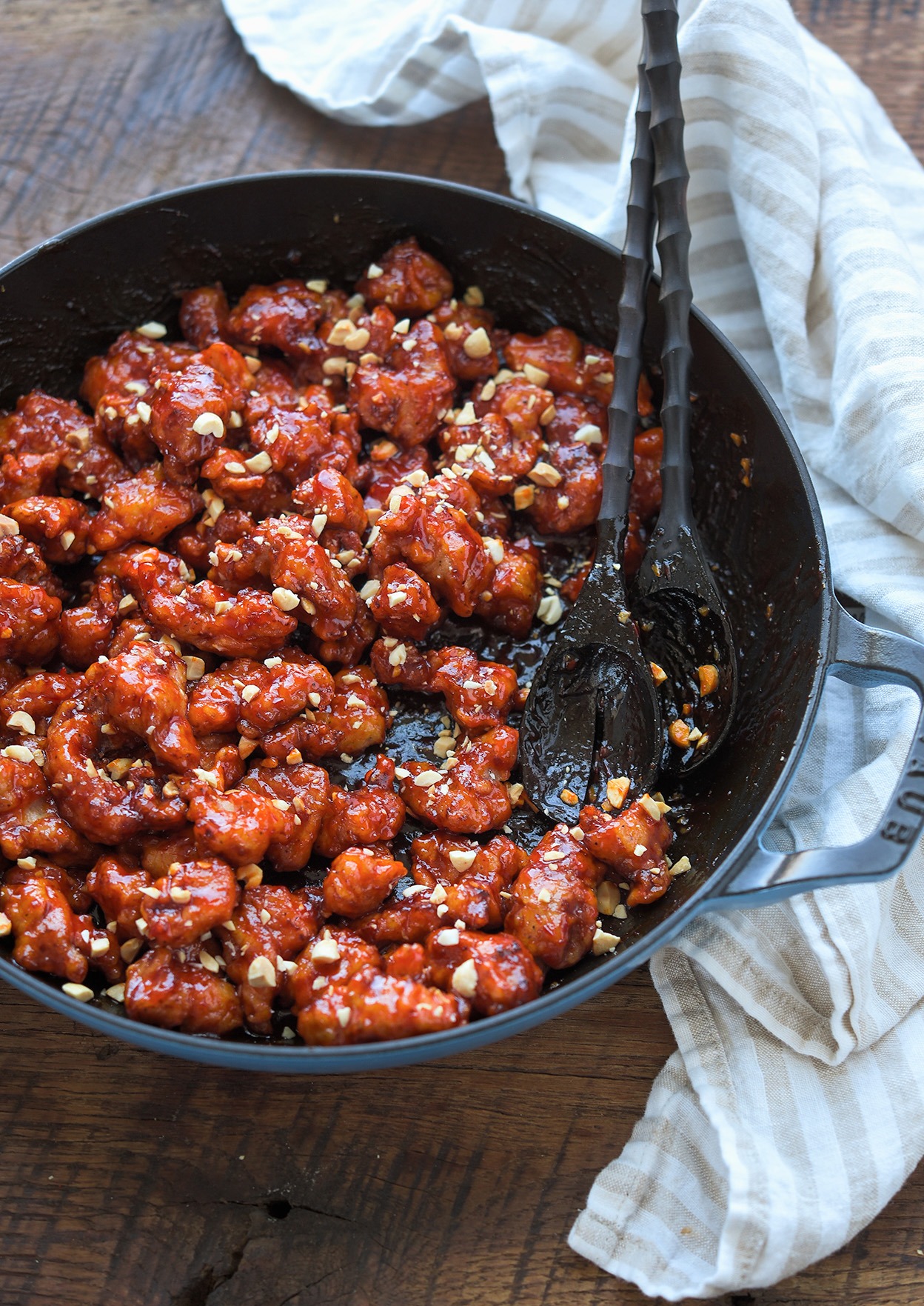
Chicken has also played a big role in Korean cuisine, since uses were found for nearly every part of the bird. From sweet, crispy dakgangjeong and crunchy Korean fried chicken, to rich soup broths, to medicinal preparations like samgyetang (ginseng chicken soup), chicken has long been treated as both food and remedy.
Fish and seafood, by contrast, were historically considered ‘commoner food’. Because Korea is a peninsula surrounded by coast, fish and shellfish were abundant and easily accessible, which actually made them less prestigious to the upper class. Today, Korean seafood, from haemul pajeon (seafood pancake) to spicy fish stews, is celebrated as some of the best of the country’s cooking.
Understanding Korean Geography
Korean cuisine reflects the geography of the Korean Peninsula. Korea is surrounded by ocean on three sides (south, east, and west) and bordered by mountains in the north. It has many rivers, mountains inland, and rocky ocean fronts. The country experiences harsh winters and hot summers, balanced by calm, rainy autumns and warm, flowery springs. Because of this variety, Korean food is extremely varied too. From seafood dishes to grilled meats, from hot soups to fresh salads, Korean cuisine adapted beautifully to the weather and to regional differences. And because the seasons could be unforgiving, Koreans needed reliable ways to preserve food, with fermentation once again leading the way.

Cultural Importance
In Korea, it is not unusual to hear “jal meokkesseumnida”, which roughly translates to “I will eat well, thanks to your effort.” This phrase exists because good health is deeply valued in Korean culture, and there is a belief that a rich life starts from the stomach and is maintained by eating well.
Meals are also a shared experience. At the dinner table, almost everything is shared (with the exception of a personal bowl of rice and soup). Even when no one is talking, sharing food is treated as a meaningful way to spend time with the people around you.
In short, Korean cuisine carries deep historical, geographical, and cultural meaning. It is fascinating to see how many traditional ways of cooking have been preserved, while modern twists keep adding new variety. Now that you have a basic understanding of where Korean food comes from, you are ready to explore the recipes, dishes, and flavors with a fresh appreciation for the ancient richness in every bite.
Taste Korea From Home
Want to start your Korean food journey without booking a flight to Seoul? Try a SnackFever Box from Daebak. Each box is packed with curated Korean snacks, drinks, and treats sent straight to your door, so you can taste Korea piece by piece while you read, watch, and learn more about its incredible cuisine.


