


Table of Contents
Korean anti-aging skincare flips the script on Western age-defying routines. Instead of waiting for wrinkles and then attacking them with aggressive actives, K-beauty leans into prevention, layering, and gentle but consistent ingredients that protect the skin barrier first. The result is a routine that feels nurturing rather than punishing, and skin that ages more slowly because it is supported every day.
The K-Beauty Philosophy: Prevention Over Treatment
The defining idea behind Korean anti-aging skincare is that the easiest wrinkle to fix is the one that never forms. Korean dermatologists and brands emphasize sunscreen, hydration, and a healthy moisture barrier from your early twenties onward, long before fine lines appear. Aggressive peels, high-percentage retinoids, and clinical procedures still exist in Seoul, but they sit on top of a daily ritual of gentle essences, serums, and creams. The mindset is closer to long-term skin health than quick correction, which is why so many Korean women in their forties and fifties have visibly plump, even-toned skin without looking obviously "done."
Key Korean Anti-Aging Ingredients to Know
Modern K-beauty has a deep ingredient toolbox built around effectiveness with low irritation. Galactomyces ferment filtrate, the fermented yeast made famous by SK-II, brightens and smooths texture while supporting elasticity. Bifida ferment lysate repairs daily oxidative damage and strengthens the barrier. Retinal (retinaldehyde) is roughly ten times more potent than retinol but converts to retinoic acid in one step, so Korean formulas use it to deliver visible wrinkle reduction with less sting. Peptides such as acetyl hexapeptide-8 and copper peptides signal collagen production. Niacinamide tackles dullness and tone, Centella asiatica calms inflammation that accelerates aging, and PDRN (polydeoxyribonucleotide) derived from salmon DNA has become the breakout clinic-to-home ingredient for healing and collagen synthesis.

Top Korean Anti-Aging Products by Brand
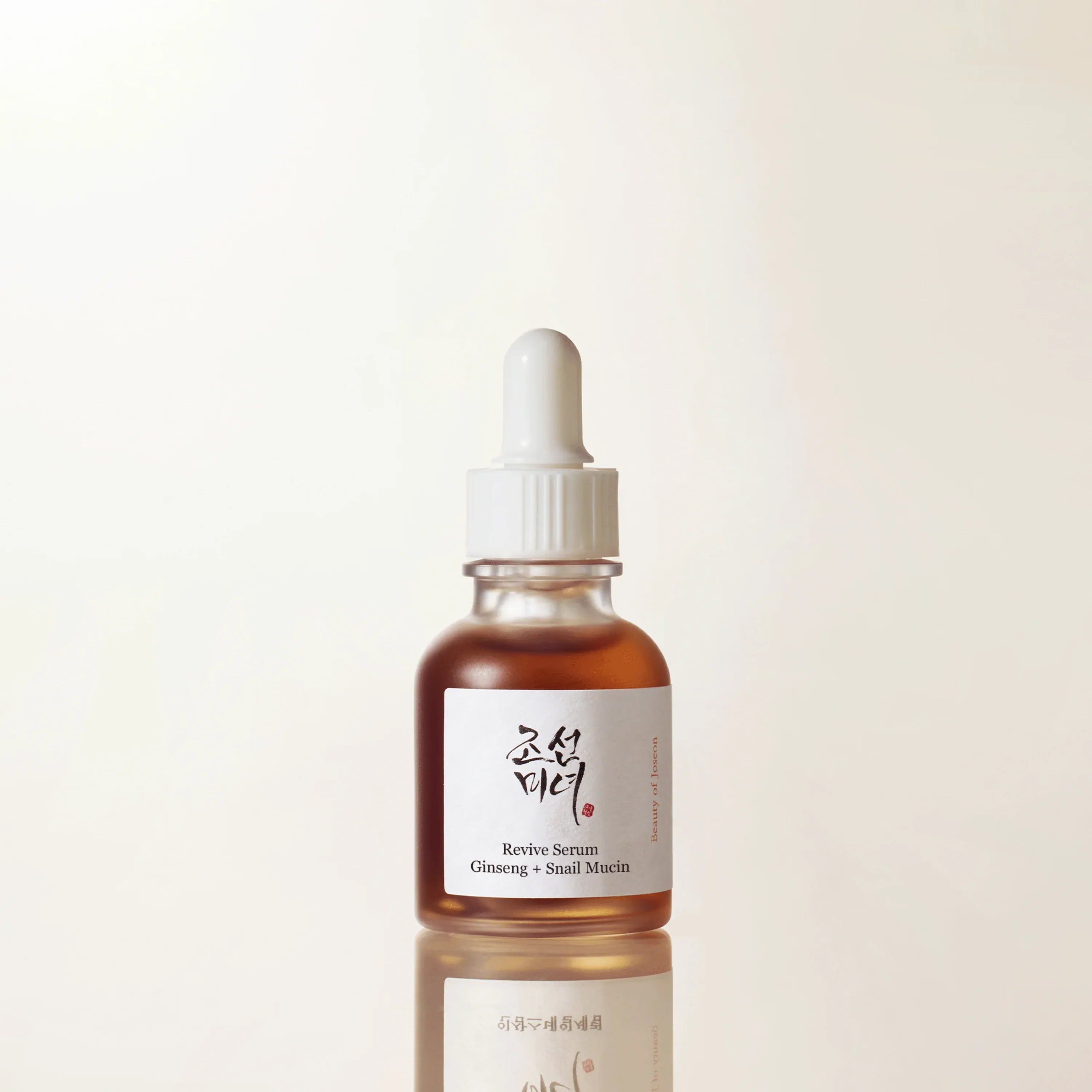
Luxury hanbang heritage brands lead the high end. Sulwhasoo's Concentrated Ginseng Rejuvenating Serum combines patented Korean Ginseng Actives, a 6-peptide complex, and retinol-infused capsules for visible firming in as little as a week. The History of Whoo's Bichup Self-Generating Anti-Aging Essence has been Korea's best-selling wrinkle essence for years, built around fermented royal-court herbal extracts. IOPE Bio Essence offers fermented bio-ingredients at a more accessible price, while Hanyul Yuja Vita Essence delivers brightening vitamin C from Korean yuja citrus. On the modern side, Numbuzin's No.9 NAD+ Retinol Volumetox Eye Cream blends NAD+, retinol, ceramides, and dozens of peptides for crow's feet and under-eye hollows. Beauty of Joseon's Revive Serum with ginseng and snail mucin is a budget cult favorite, and Skin1004 Madagascar Centella Asiatica Ampoule soothes the irritation that often comes with introducing actives.
How to Layer Anti-Aging Products the Korean Way
The Korean order goes thinnest to thickest: cleanser, toner or first essence, serum or ampoule with your hero active, eye cream, moisturizer, and SPF in the morning or a sleeping mask at night. When you introduce retinal, start with two nights a week on a sandwich of moisturizer above and below. Pair retinal with niacinamide and ceramides, and skip strong AHAs the same evening. PDRN ampoules work beautifully after retinal nights to calm and repair. Sunscreen is non-negotiable in any K-beauty anti-aging plan because UV exposure undoes most of what your serums are trying to build.
Korean Facial Massage for Lifting
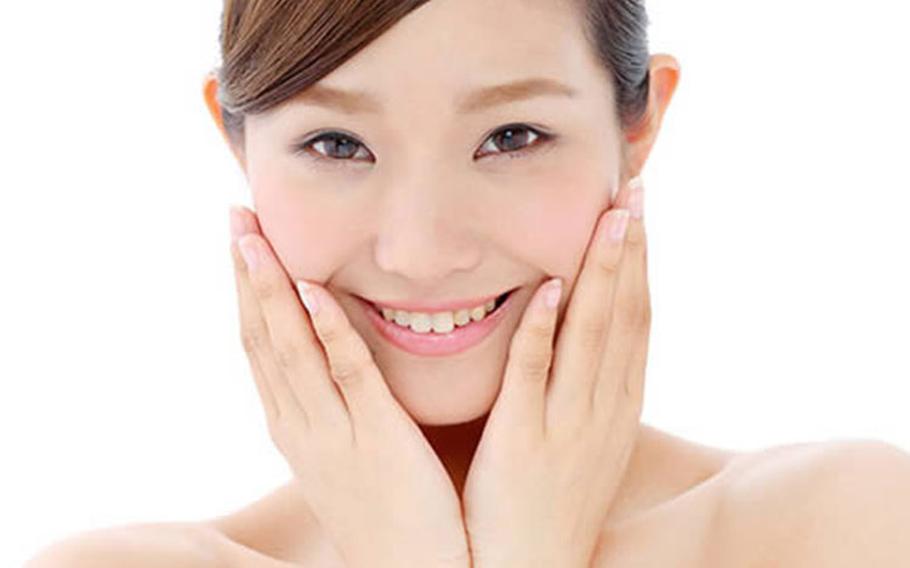
Massage is the unsung hero of K-beauty anti-aging. After your serum or cream, warm the product between your palms and press it into skin instead of rubbing. Use upward strokes along the jaw to the ear, sweep from the corners of the mouth toward the temples, and finish with gentle lymphatic drainage down the sides of the neck to the collarbone. Tools such as the gua sha stone and the Sulwhasoo signature jade comb extend the lift. Two to three minutes a day improves circulation, helps active ingredients absorb, and reduces puffiness around the eyes and jawline.

Traditional Korean Ingredients That Still Define Anti-Aging
Hanbang, or Korean herbal medicine, still shapes the most respected anti-aging formulas. Red ginseng (hongsam) is prized for its saponins, which support skin energy metabolism and resilience. Fermented herbs such as Houttuynia cordata, mugwort, and licorice root are processed for weeks or months to break down their molecules into smaller, more absorbable forms. Lotus, peony, and rehmannia root frequently appear in Sulwhasoo, Whoo, and Sooryehan formulas as part of multi-herb "royal court" blends. The promise is not a single hero molecule but a complex of antioxidants and adaptogens working together over time.
Where to Buy Korean Anti-Aging Skincare Outside Korea
Olive Young Global ships most Korean drugstore favorites including Numbuzin, Beauty of Joseon, Skin1004, and Anua directly worldwide and is usually the most authentic source for new launches. Sephora carries Sulwhasoo, Laneige, and Amorepacific in the United States, Europe, and several Asian markets. YesStyle and Stylevana are reliable for mid-range K-beauty brands and frequent bundle discounts. Amazon stocks many bestsellers but check the seller carefully to avoid counterfeits. Glow Recipe's site curates a smaller list of K-inspired and Korean-made anti-aging picks for shoppers who want a guided edit rather than browsing hundreds of SKUs.
Explore Korean Beauty with Daebak
Discover the best of Korean skincare and beauty with the Daebak K-Beauty Box, handpicked from Seoul and delivered to your door.


