


Table of Contents
Every so often the K-pop industry produces a solo career that reads like a case study rather than a fan story. Sunmi (선미) is one of those cases. She debuted at sixteen in 2007 as Wonder Girls' main dancer and occasional rapper under JYP Entertainment, walked away in 2010 to attend Konkuk University while her groupmates chased the Nobody US crossover, quietly rejoined for the Wonder Girls' 2013 band-concept reboot, then made her real solo pivot in 2015 with the Full Moon EP under JYP, and finally cut ties with JYP entirely in late 2017 to build a second act at Makeus Entertainment. LALALAY, released 27 August 2019, was the fourth consecutive title-track win of that Makeus run after Gashina, Heroine and Siren. That is a specific streak worth respecting: four singles, four charting hits, all built around a self-authored artistic identity rather than a label brief. Anyone who has been in the K-content space for a decade or more will tell you that female solo K-pop is one of the hardest business models in Seoul, and LALALAY is the moment Sunmi's version of it clicked into a proven formula.

Wonder Girls, JYP, and the Sixteen-Year-Old Main Dancer
Context first, because the LALALAY arc only makes sense if you understand what Sunmi was walking away from. Wonder Girls debuted February 2007 as JYP's five-member "female Rain" bet, and by autumn Tell Me had turned into the meme-song of a Korean generation. Sunmi was sixteen when she stood on the debut stage, and the group cycled through So Hot, Nobody, 2 Different Tears and a JYP-directed 2009 US push where they toured with the Jonas Brothers and cracked Billboard Hot 100 at number 76 with Nobody. That Billboard number is still cited in K-pop industry decks as the pre-Gangnam Style ceiling for Korean acts in America, and Wonder Girls hit it before BTS, before EXO, before BLACKPINK. The specific thing Sunmi carries out of that period is the dance-first, camera-second training that JYP-era JYP was famous for. Her nickname inside the group was reportedly "Delivery Sunmi," because when fans arrived at the agency asking her to hand a gift to a more visible member (usually Sohee or Yubin during the So Hot era), she would. That is a very specific 2000s idol-hierarchy detail, and Sunmi confirmed the story on a 2025 broadcast almost twenty years later. The industry mechanic behind it is that JYP's late-2000s promo playbook heavily favored the members who tested best in album-jacket photocard pre-orders, and Sunmi was consistently outside that top slot. She left the group in 2010 for university and, on paper, that could have been the end of her Korean-industry story.
The Solo Pivot: Full Moon, 24 Hours, and the JYP Exit
Sunmi rejoined Wonder Girls in 2013 for the band-concept reboot (she picked up bass), and JYP quietly parked her as a solo project inside the label. 24 Hours dropped in August 2013 as her actual solo debut single, and Full Moon came in February 2014 as the mini-album that established her sound: minor-key hooks, choreographed sensuality, self-referential lyric writing. Both were still JYP releases and both charted, but if you read the label's public statements from that period, Sunmi was framed as an extension of the Wonder Girls brand rather than a solo artist with her own commercial identity. When Wonder Girls officially disbanded on their 10th anniversary in February 2017, Sunmi's JYP contract ran out at the end of that year and she signed with Makeus Entertainment in early 2018. This is the single most important pivot in the story. Makeus is a small management shop compared to the Big 3, but the deal reportedly gave Sunmi meaningful creative control including songwriting credits, MV concept sign-off, and choice of producers. Every K-pop industry person I know reads Gashina (August 2017, still technically her final JYP release) as the audition tape for that Makeus deal, and Heroine (January 2018) as the first release where the new arrangement was fully in place. What clicked was that Sunmi kept co-writing with the same producer, Frants, across the whole Makeus run. That is a Sia-and-Greg-Kurstin level continuity, and it is why Gashina, Heroine, Siren and LALALAY all sound like they belong to one artist rather than a compilation.

LALALAY: Pansori, Taepyeongso, and Trap in One Two-Minute-Fifty-Four-Second Track
Now the actual song. LALALAY (날라리 in the original Hangul, romanized as Nallali, literally "bully" in older Korean slang) runs two minutes fifty-four seconds, released 27 August 2019 by Makeus Entertainment, written by Sunmi, co-produced by Sunmi and Frants. The sonic gimmick, and it is a good one, is that Sunmi and Frants dropped a taepyeongso (태평소, the reedy conical Korean traditional double-reed horn typically heard at Joseon-era military parades and shamanic gut ceremonies) into a trap-leaning dancehall production. Tamar Herman at Billboard nailed the description at the time: "Latin pop and dancehall elements with traditional Korean sounds." The chorus melody itself is closer to pansori (판소리, the traditional Korean solo-narrative vocal style with its characteristic bent notes and throaty attack) than to standard K-pop pop-note delivery, and Sunmi's vocal takes lean into that ornament. This is the part most Western coverage skimmed: the reason LALALAY works is not that it is exotic-East-meets-cool-West, it is that the taepyeongso and pansori grammar are being used the way a South African producer would use kwaito or a British producer would use grime samples, as functional beat furniture rather than cultural window dressing. That distinction is why the song reads as confident and modern rather than novelty-costumed. And it is why the MV, directed by Choi Yongseok's Lumpens (the same director-collective HYBE farms out to for BTS visual language), leans hard into Sunmi wearing pansori-adjacent hanbok silhouettes and eyeliner drama rather than borrowing hip-hop visuals off a US template. LALALAY was the Korean traditional-aesthetic sell about two years before ATEEZ dropped Fireworks (I'm the One) in July 2021 and got mainstream Western press for the same fusion move. Sunmi did it first with less budget.

Why Solo Female K-pop Is So Hard, and Why LALALAY Mattered
Here is the industry read most fan blogs miss. Solo female K-pop is the hardest sustained business model in the Korean entertainment industry, harder than boy-group idol, harder than K-drama actress, harder than solo male K-pop. The reason is that idol economics run on fandom-based album-and-lightstick sales plus concert tours, and fandom-based purchase intensity has historically skewed female-fan-buying-male-group. Solo female acts do not get that repeatable album-attach machinery, so they have to hit twice on radio charts and sync licensing to earn what a boy group earns on album drops alone. Between 2018 and 2020, exactly three solo female Korean acts sustained the model profitably: Sunmi at Makeus, IU at EDAM Entertainment, and Chungha at MNH Entertainment. Everyone else who tried the solo pivot in that window either returned to a group, moved to acting, or quietly renegotiated with a larger agency. What Sunmi's LALALAY-era run proved is that a specific formula works: sole creative-writing credit, one long-term producer partner (Frants), self-directed MV concept, minor-key hook, one-word title, and short album cycles instead of full-length LP releases. Every element of that formula is now used by newer solo acts like Bibi, Youngjay, and even Lisa post-BLACKPINK-hiatus. Sunmi is the underrated template. The specific commercial receipt on LALALAY itself: it charted number 5 on the Gaon Digital weekly chart, number 3 on the Billboard World Digital Song Sales, number 1 on the Finland Digital Song Sales, and picked up a Best Dance Performance Female Solo nomination at the 2019 MAMA. That is not a US-crossover level receipt, but it is a very specific and very repeatable Asian-plus-scattered-Europe pattern that solo female K-pop acts still target as the realistic ceiling.
The Confidence Message Underneath the Fun Hook
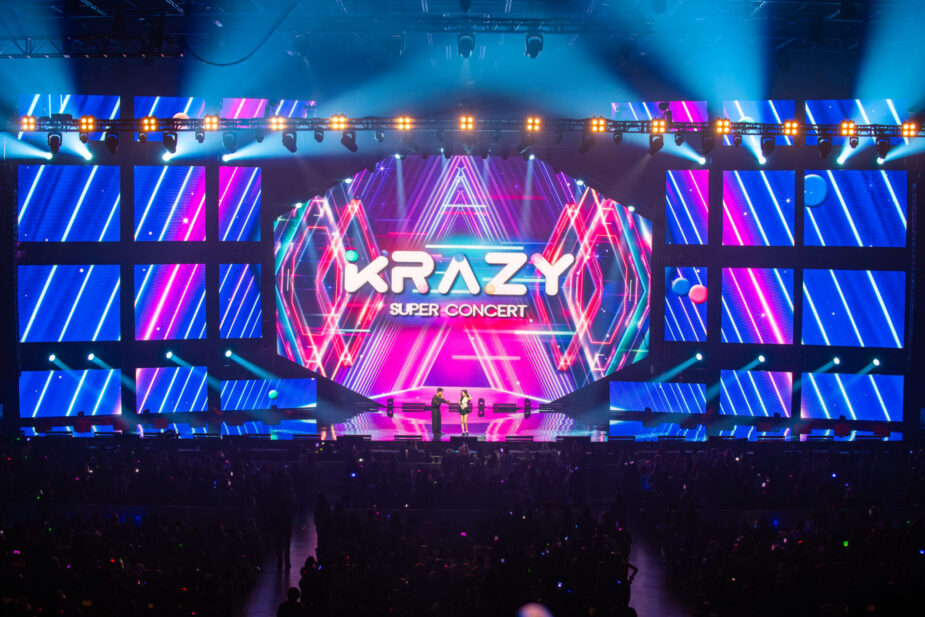
The lyric read on LALALAY is worth spelling out because most English translations flattened it. 날라리 (nallali) is old-Korean slang for someone who lives loudly and refuses to take social propriety seriously, closer to "party wildcard" than the literal "bully" gloss the dictionary gives. Sunmi wrote the lyric in first-person as an argument with the version of herself that cared what the public thought. "Even if I burst, whatever happens, I'm going to run" is the pre-chorus, and it lands because she is the one who spent the 2007-to-2017 decade quietly being told she was the Wonder Girls' least commercial member. This is the specifically Korean appeal point most Western K-pop coverage misses: Korean audiences read the biography onto the song. The reason LALALAY resonated in Seoul (as opposed to just charting in it) is that everyone who lived through the 2000s Wonder Girls era knew exactly which member was addressing which past self on that hook. That autobiographical read is the same appeal mechanic that made IU's Palette work in 2017 and Chungha's Bicycle work in 2021. When solo female K-pop hits, it usually hits because the artist has enough public-history for fans to project a personal narrative into a three-minute pop song, and LALALAY had a decade of receipts to lean on. There is a reason the Frants-and-Sunmi partnership survived the LALALAY promo cycle and continued into Pporappippam (2020), Tail (2021), You Can't Sit With Us (2021) and the Krazy Super Concert-era catalogue: they had figured out how to sit that autobiographical melody on top of the specific minor-key hook Sunmi wanted, and that has now been the working blueprint for six-plus years.
The Legacy Question: What LALALAY Proved for K-pop
Two things, both underrated. First, the traditional-Korean-sound fusion move works at global streaming scale when it is done with sonic seriousness rather than costume. LALALAY was pre-BTS Idol (still 2018), pre-ATEEZ Fireworks (2021), pre-ADORA Trot (various 2020s), and its 33-million-plus combined YouTube views without a Bang Si-hyuk-scale marketing push tells you the appetite was there. Every Korean act since who has pulled pansori vocal color or gugak (국악, traditional Korean court and folk music) instrumentation into a trap or dance-pop production is walking on ground Sunmi and Frants surveyed first. Second, the small-agency solo-female template LALALAY-era Sunmi validated is now the default off-ramp for K-pop group members considering solo careers. When a NewJeans or a LE SSERAFIM member eventually pivots solo (and they will, contractually the seven-year mark is coming for both), the Makeus-Entertainment-plus-single-producer-partner-plus-short-cycle model is the specifically Korean version of what US pop calls the singer-songwriter-with-a-boutique-label move. That is not something Big 3 solo debuts usually offer, and it is why LALALAY-era Sunmi remains the case study in every K-content management pitch I have seen since 2020. Six years later, she is still touring the LALALAY-era catalogue globally, still working with Frants, and still holding what is arguably the cleanest solo-female K-pop artistic identity in the industry.
Bring the Sunmi-Pop Era Home
Whether you came in through Gashina, discovered Sunmi through the LALALAY chorus, or are just now working through the Makeus Entertainment catalogue on Spotify, the Daebak Box is packed with the K-pop, K-culture, and Korean-snack pieces we track in this Hallyu series. Consider it your monthly bridge from Seoul soloists to your front door.


