


Table of Contents
Anyone who has spent a decade watching the K-food economy will tell you that 떡 (tteok) is having its second life. For most of the last thirty years, Korean rice cakes lived in a very specific corner of Korean daily life: 명절 (holiday) trays, 잔치 (banquet) gift boxes, and the 100-day baby ceremony. Then, roughly around 2015, something shifted. A wave of 떡카페 (tteok cafés) opened up in Jongno, Bukchon, and Seongsu, run by second-generation owners who priced their persimmon 떡 at 3,500 won a piece and wrapped it like Ladurée macarons. The MZ generation, raised on Instagram and croissant tiramisu, walked in. Rice cake was suddenly a dessert category again, not a museum piece.
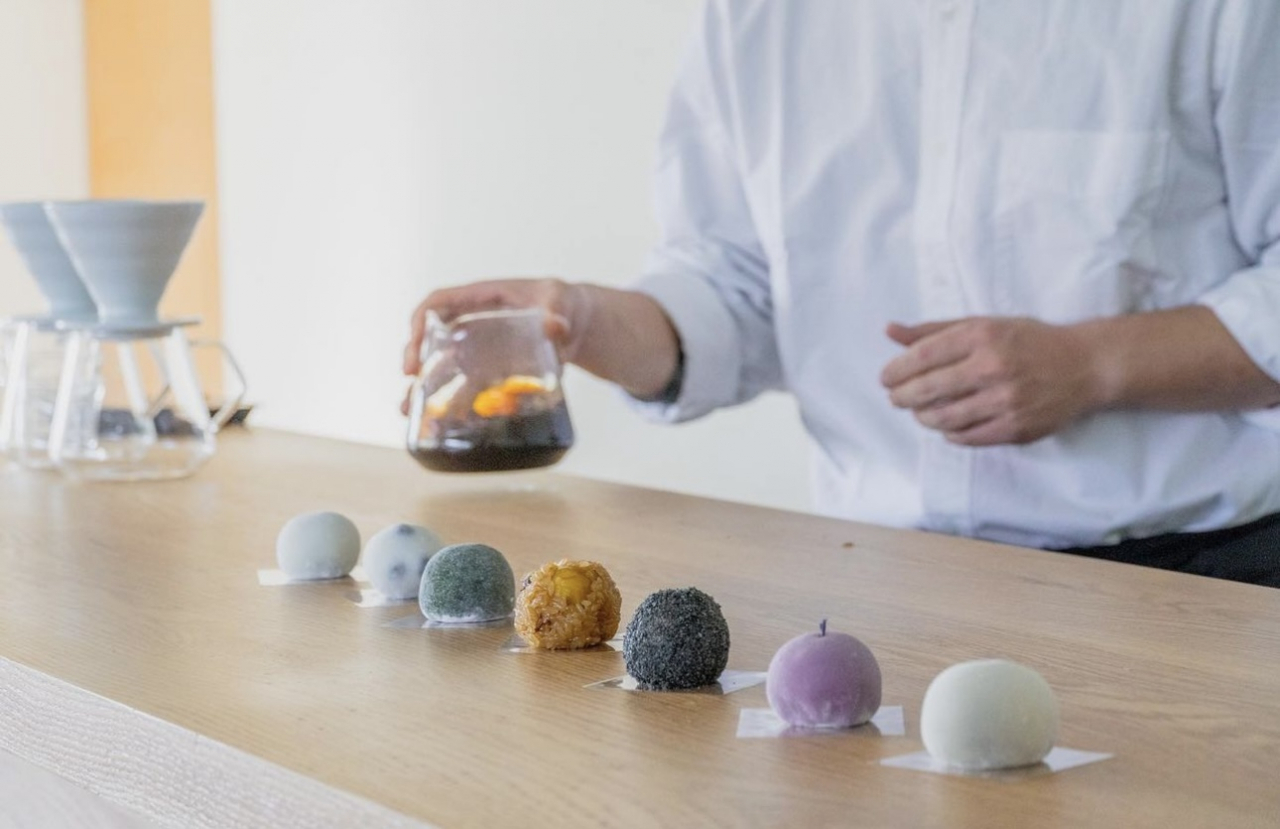
The Tteok Economy: Why 떡 Went from Ancestral Food to MZ Café Menu
Korea's rice cake industry is not small. Exports of processed rice products, led by tteok, reached $91.4 million in 2024 according to Korea JoongAng Daily, up 17.5 percent from the prior year and nearly triple the $34.3 million figure recorded in 2019. The United States is by far the top destination at $34 million, followed by the Netherlands and Vietnam. Read those numbers alongside the ministry's own commentary and the story becomes clear: this is not a K-drama halo effect alone. It is Korean-American mothers stocking freezers, second-gen 한인마트 owners expanding refrigerator space, and Trader Joe's putting mochi in the checkout aisle. Tteok is riding a mochi wave that Japan built two decades ago, and Korean brands are taking the shelf space because 인절미 texture reads as premium to Western palates trained on Trader Joe's mochi.
The domestic revival is a separate story. Post-2015, the traditional-tteok-house category (전통 떡집) that had been dying out for years suddenly had heirs. Places like Biwon Tteokjib in Bukchon, opened in 1949 by Hong Gan-nan who trained under the last royal cook of the Joseon court, started showing up on Kakao's 맛집 rankings again. That is when you know a category has turned: when Naver blog visitors stop asking "what is this" and start asking "which flavor should I order first."
The appeal point for MZ consumers is not nostalgia. It is that 떡 delivers a texture Western dessert cannot: 쫄깃 (jjolgit), the chewy-elastic bite that only pounded glutinous rice produces. Croissants shatter. Macarons crunch then melt. 떡 stretches, resists, and rewards you for chewing. In a market that is already saturated with sweet, dense, buttery Western desserts, that textural contrast is the sell.
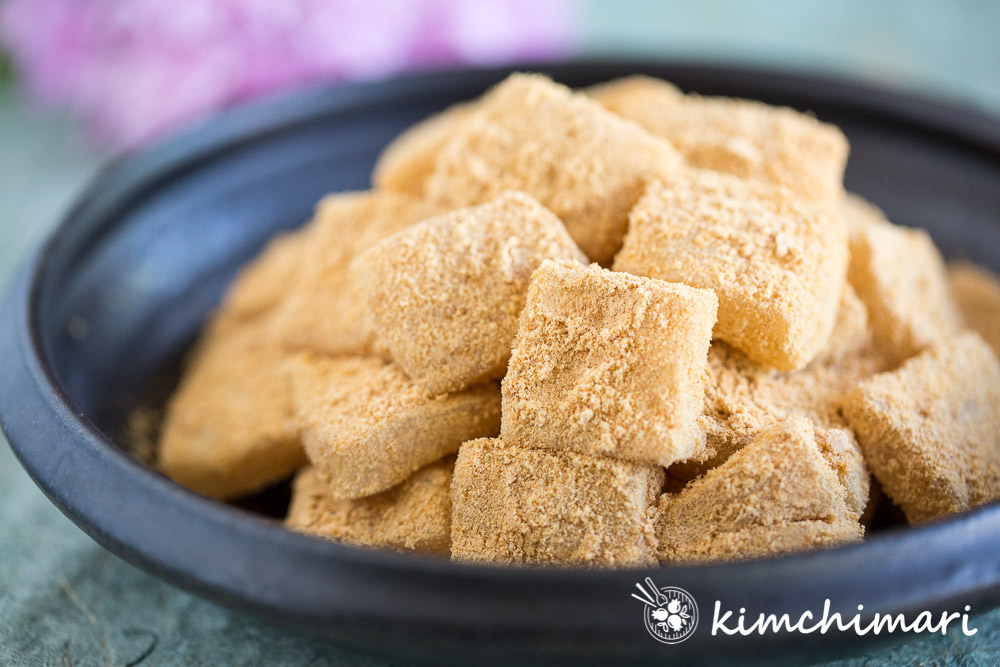
인절미 (Injeolmi): The Chewy Rice Cake That Actually Sticks
If you have ever eaten Japanese kinako mochi and thought "this feels vaguely familiar but Korean grandmothers do it different," you were tasting the divergence between 인절미 and its Japanese cousin. Both use glutinous rice pounded until it becomes a stretchy blob. Both get coated in roasted soybean powder. But 인절미 is cut into rectangular blocks, not shaped into round mochi, and the 콩고물 is applied heavier, almost like a coating rather than a dusting. That is not a small detail. It changes the whole eating experience: with 인절미, the nutty toasted-soybean flavor hits first, then the chewy 쫄깃 texture follows.
The cultural weight of 인절미 in Korean marriage tradition is why it survived the modernization era. When a Korean bride's mother makes 인절미 for the groom's family, the message is "let's stick together, just like this rice cake." The pun works in Korean too: 인절미 is famously sticky, both physically and metaphorically. That is why every 잔치 (banquet) tray in the countryside still includes it, even when the rest of the spread has drifted toward pizza and fried chicken.
Here is the industry read on why 인절미 specifically broke out into the global market ahead of other tteok varieties: it stores well frozen, it thaws cleanly, and the roasted soybean coating is shelf-stable. So when brands like CJ Bibigo and Pulmuone started building for US export in the late 2010s, 인절미 was the first product they scaled up. Trader Joe's Mochi Rice Nuggets, Whole Foods' frozen mochi section, and the mint-chocolate 인절미 fusion products aimed at Gen Z all trace back to that pounded-rice-plus-nutty-coating architecture. The modern twists (matcha 인절미, cream cheese 찹쌀떡, castella-crumb 인절미 from Seoul cafés) are new toppings on a very old scaffold.
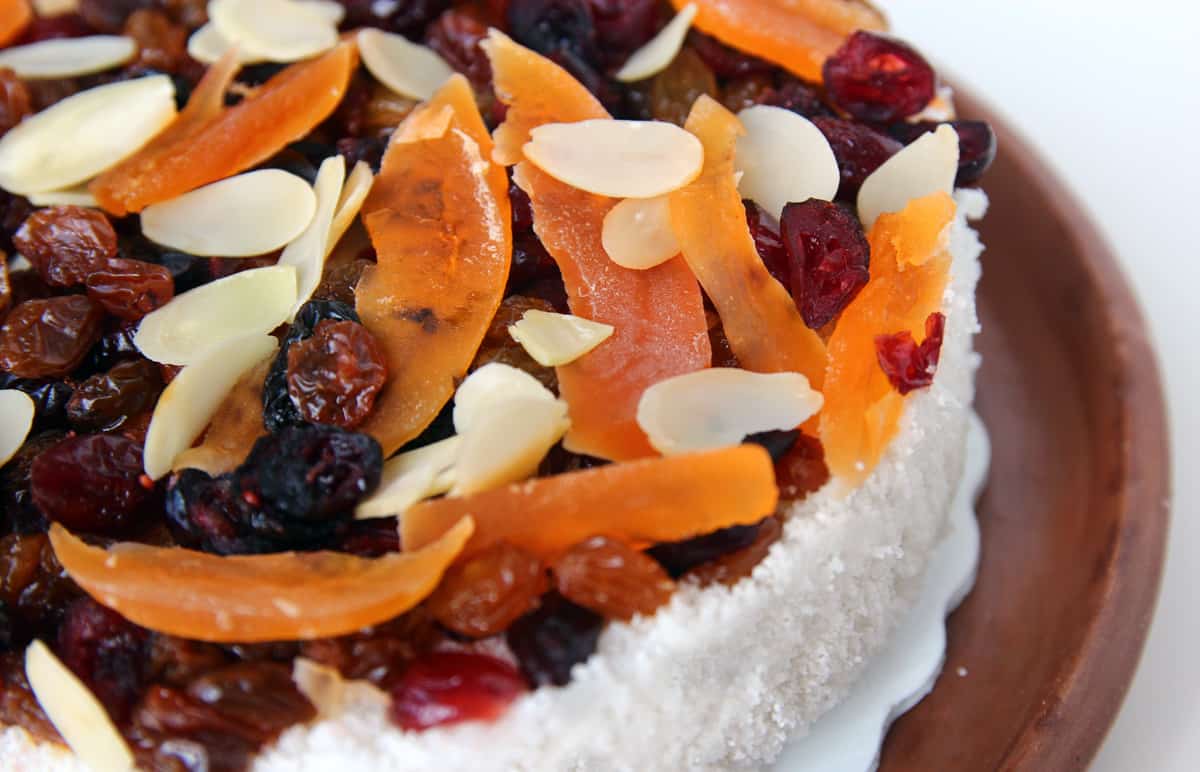
백설기 (Baekseolgi): The 100-Day Ritual Cake Nobody Skipped
백설기 is the most quietly important rice cake in Korean life, and most non-Koreans have never heard of it. Made from non-glutinous short-grain rice flour, salt, sugar, and water, then steamed into a soft pillowy white block, 백설기 is the cake that shows up at 백일 (baek-il), the celebration of a baby's 100th day. The name literally translates to "white snow lump," and the color is not accidental: white symbolizes 순결 (purity) and 신성 (sacredness) in the Korean folk tradition, which is why the traditional recipe uses nothing colored, not even a nut on top.
The cultural math around 백설기 is worth understanding because it explains why this specific tteok, out of dozens of Korean rice cake varieties, refuses to die. Korean tradition holds that if 백설기 is shared with 100 people on a baby's 100-day, the child will live a long and healthy life. That belief created a self-reinforcing distribution system: every household that made a baby's 백일떡 sent it to neighbors, coworkers, and 시댁 (in-laws), which meant everyone in a Korean village encountered 백설기 at least once a year. Even in modern Seoul apartment blocks, the tradition survives in a diluted form: parents order a big tray from a 떡집 and split it among the daycare and the office.
The reason 백설기 has not gone global the way 인절미 has is texture, honestly. Steamed non-glutinous rice cake has a crumbly, dry-if-day-old profile that does not survive freezing well. It is at its best within six hours of steaming, which is a nightmare export product. So while 인절미 sits on Trader Joe's shelves, 백설기 remains a domestic ritual object, and that is probably how it should stay. Some things are supposed to be eaten warm at a family party in Bucheon on a Sunday morning.

시루떡 (Sirutteok): The Red-Bean Layer Cake for Moving Day and Good Luck
시루떡 is the tteok you make when you want to ward off bad luck, which is why it shows up at 개업식 (business openings), 이사떡 (moving-in gifts), and 고사 (shamanic rituals) far more often than at birthdays. The red 팥 (azuki bean) layer is the whole point: in Korean folk cosmology, red is 양 (yang) energy, and 양 chases away 잡귀 (wandering ghosts) and 액운 (bad fortune). So when a Korean family moves to a new apartment, the tradition is to make 시루떡 and share it with every neighbor on the floor. It is not about the cake. It is about the shared 팥 ritual that clears the space and introduces the family.
The industry insight here is that 시루떡 is the tteok that carries the deepest 무속 (shamanic) layer of Korean rice cake culture, which is why the traditional 떡집 economy in Jongno and Insa-dong still runs on 시루떡 orders during 개업 season. The name itself is a giveaway: 시루 refers to the earthen steaming pot (a specific Joseon-era kitchen utensil), and any tteok steamed in a 시루 technically qualifies. Pat-sirutteok (팥시루떡) with red beans is the most famous version, but 호박시루떡 (pumpkin), 콩시루떡 (soybean), and 밤시루떡 (chestnut) all exist and each carry different symbolic weight.
What surprised international food writers when 시루떡 started showing up at Bay Area Korean-American bakeries around 2020 was how popular the red-bean-forward version became with a vegan crowd. The traditional recipe is naturally vegan and gluten-free (rice flour, azuki beans, sugar, salt, water), which slotted it into the plant-based dessert conversation with zero rebranding required. That is a rare case of an ancestral Korean food product being globally marketable exactly as-is, no fusion, no modernization.
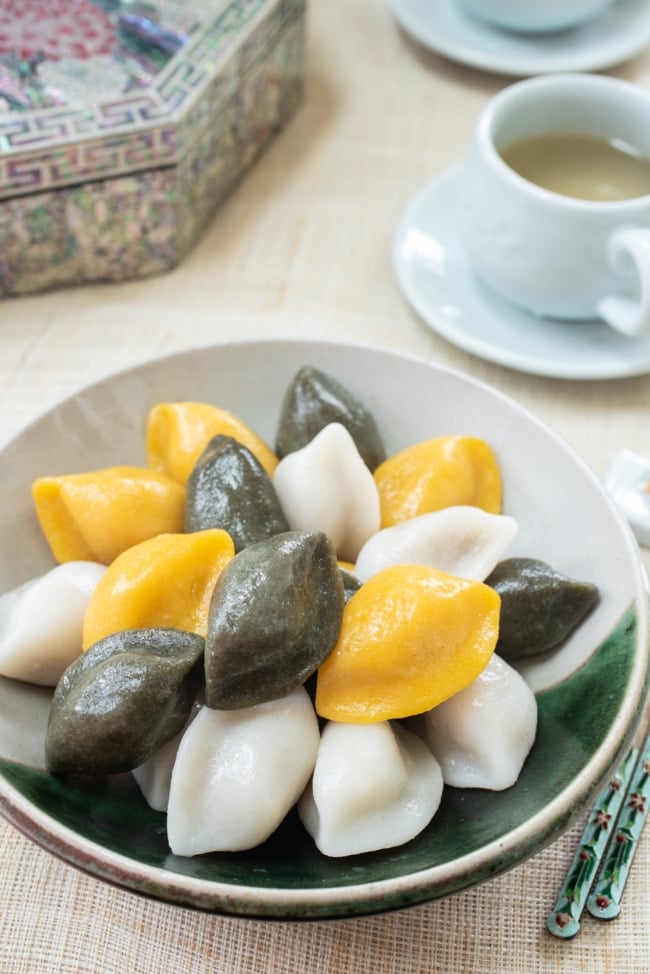
송편 (Songpyeon): The Chuseok Half-Moon and Why It's Still Family Work
송편 is the one rice cake that has not been commercialized to death, and there is a reason. Making 송편 for 추석 (Chuseok, Korean Thanksgiving) is family labor by design. Korean grandmothers and mothers have historically gathered the whole 가족 (family) around a table with several colored dough balls, sweet sesame filling, and a bowl of pine needles for steaming. The kids shape their tiny lopsided crescents, the adults produce the perfectly pinched ones, and everyone eats what they made. There is even a folk saying: "the woman who makes pretty 송편 will have a pretty daughter." That is exactly the kind of intergenerational bonding activity that does not survive being outsourced to a factory.
The name 송편 comes from 송 (pine tree), because traditional 송편 is steamed on a bed of pine needles that gives the finished rice cake a distinct herbal aroma. Modern home cooks skip the pine needles (they are not sold at Whole Foods), but the specialty tteok houses in Seoul still do it the old way, and the difference in the finished 송편 is genuinely noticeable. Pine oil infuses the dough during steaming and pairs beautifully with the sweet sesame-honey filling inside.
What makes 송편 the emotional anchor of Chuseok is the shape itself. The half-moon (반달) references a Baekje-era prophecy about the Silla dynasty overtaking Baekje like a waxing moon. That is 1,400 years of folk symbolism embedded in a bite-sized rice cake, and Korean families still repeat some version of the story every autumn while shaping the dough. This is why 송편 has not gone the mochi-export route: the whole ritual is the product. Selling a frozen bag of premade 송편 would defeat the point.
Modern 떡 Innovation: 크림떡, 초코떡, and the Café Menu Play
The MZ-driven café innovations are worth taking seriously because they are how tteok stays alive as a category. 크림떡 (cream tteok, sweet cream stuffed inside a chewy rice cake wrapper) started as an experimental menu item at Bukchon-area cafés around 2018 and is now on the menu at 파리바게트 and 뚜레쥬르 nationwide. 초코떡 (chocolate rice cake) does the same trick with cocoa powder in the dough and chocolate ganache filling, aimed squarely at 20-something office workers who want a Korean-identity dessert with Western sweet-tooth satisfaction. 곰돌이떡 (bear-shaped rice cake) is pure Instagram bait, and the shops that specialize in them regularly hit 100,000 followers on the platform.
What separates the successful tteok innovations from the failed ones is respect for texture. The 크림떡 that stayed on menus kept the chewy 쫄깃 exterior intact because that is what made the product recognizably Korean. The failed experiments (matcha tteok that used too much matcha and killed the rice flavor, cheese tteok that made the dough dense and heavy) all violated the same principle. The Korean palate accepts new flavors on tteok as long as the fundamental bite stays authentic. Cross that line and it stops being tteok.
The vegan and gluten-alternative wave that hit US and European markets after 2020 gave the traditional Korean rice cake industry a second push. Rice flour is inherently gluten-free. Most tteok recipes are inherently vegan (sirutteok, baekseolgi, songpyeon with sesame filling). Korean brands realized they had a product that fit two of the fastest-growing dietary categories in the West without needing to reformulate anything. That is why you now see refrigerated tteok in Whole Foods natural-foods aisles with GLUTEN-FREE labels that would have been unthinkable a decade ago. The category is worth well over $500 million annually and climbing, and the export math strongly suggests the ceiling is still much higher.
Craving Korean Snacks?
If reading about 떡 has made you hungry for real Korean flavors, the SnackFever Box by Daebak delivers authentic Korean snacks, treats, and confections straight to your door every month.


