


Table of Contents
If you watched Netflix's Squid Game, you have already met a few Korean traditional games: the green-light-red-light Mugunghwa Kkochi Pieotseumnida, the ddakji folded paper tile recruitment, the dalgona candy carving, and the gonggi played in season two. What the show kept hidden is that these are not horror-movie inventions. They are real Korean children's games that have been played in courtyards, schoolyards, and Lunar New Year living rooms for centuries, and they are still played in Korea today.
This guide walks through the most important Korean traditional games: how each one is played, when and where Koreans still enjoy them, and which ones to try yourself on a trip to Korea.
Yutnori: The Seollal Board Game
Yutnori is the most beloved Korean traditional game and the centerpiece of Seollal Lunar New Year gatherings. It is a four-stick board game played by two players or two teams. Each player throws four curved wooden sticks (yut) onto a mat, and how they land determines how far the player's four tokens move around the board. The first team to bring all four tokens home wins.
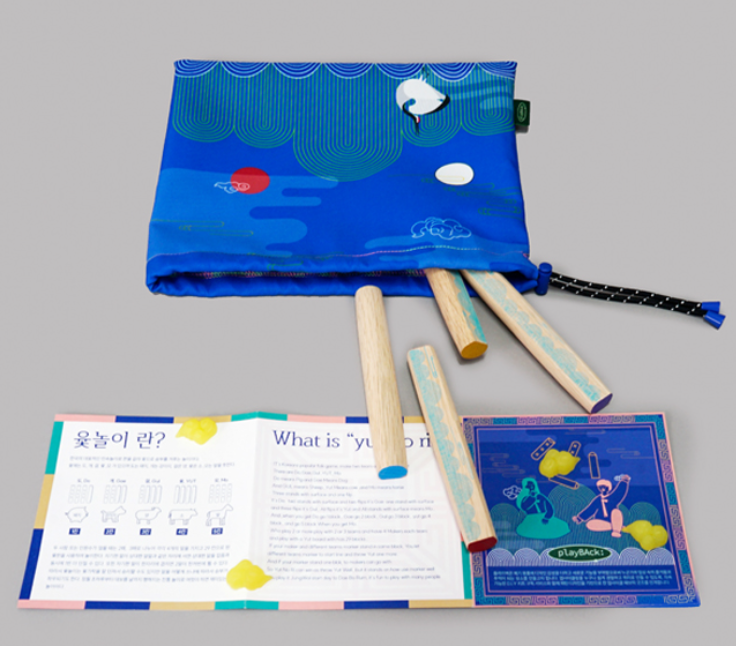
Yutnori is much older than it looks. According to the National Folk Museum of Korea, the game existed in the Baekje Kingdom (18 BC to 660 AD), and by the Goryeo dynasty (918 to 1392), it was already so widely played that scenes of yutnori showed up in classical Korean poetry. Some scholars believe yutnori began as a religious ritual reflecting yin-yang principles.
Gonggi: Korean Five-Stone Jacks
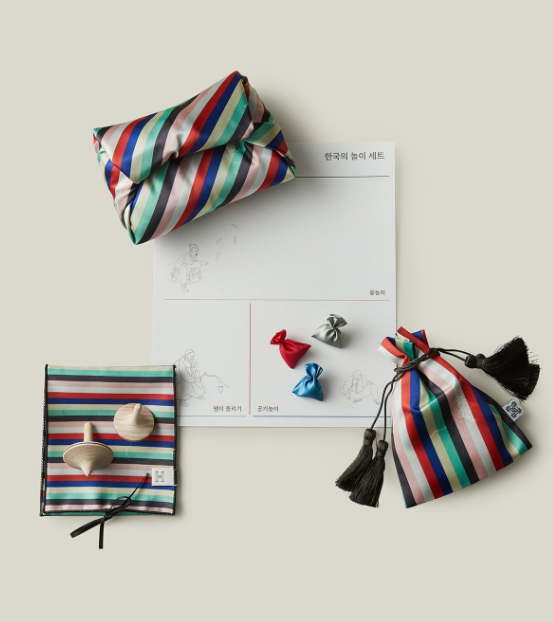
Gonggi is the Korean version of jacks, played with five small stones (or modern plastic pieces). The player scatters the five stones on the floor, tosses one stone into the air, and quickly grabs one of the remaining stones before catching the tossed one with the same hand. The game progresses through five increasingly difficult stages.

Gonggi was traditionally a playground favorite among Korean girls, but anyone can play. A Joseon-era painting by Yoon Deok-hee depicts the game, and the 19th-century encyclopedia Ojuyeonmunjangjeonsango describes Korean children tossing and catching small stones. Modern Korean stationery stores still sell colorful plastic gonggi sets.
Ddakji, Jegichagi, and Paengichigi
Ddakji is the folded paper tile game made famous as the recruitment game in Squid Game. Each player folds two pieces of paper into a flat square tile and takes turns slamming their tile onto the opponent's tile on the ground, trying to flip it over. If you flip your opponent's tile, you win it.
Jegichagi is the Korean kick-game, similar to Western Hacky Sack. The jegi (a small shuttlecock-like toy made from a coin wrapped in cloth or paper with colorful tassels) is kicked repeatedly into the air using the inside of one foot. Korean schoolchildren still compete at jegichagi during winter recess.
Paengichigi is the Korean top-spinning game, particularly popular as a winter pastime. Players wind a string tightly around a wooden top, throw it onto the ground, and pull the string sharply to make it spin. The game spread from Korea to Japan during the Silla dynasty.
Ssireum: Korean Traditional Wrestling
Ssireum is the traditional Korean wrestling sport, recognized in 2018 as a joint UNESCO Intangible Cultural Heritage by both South and North Korea (the first joint UNESCO inscription between the two Koreas). Two wrestlers each grip a satba (fabric belt wrapped around the opponent's waist and one thigh) and try to throw the opponent to the ground using strength and technique.
.jpg)
Records of ssireum go back to the Three Kingdoms period of Korea (57 BC to 668 AD), with artifacts, paintings, and documents from the era depicting the sport. Korean villages held ssireum tournaments at major holidays, especially Dano (the 5th day of the 5th lunar month), with the winner typically receiving a live ox as the prize. Modern Korean ssireum is a televised sport with weight-class divisions.
Tuho, Neolttwigi, and Other Royal Court Games
Beyond children's games, Korean royal palaces had their own traditions. Tuho is the arrow-throwing game where players toss decorated arrows into a tall pot from 2.5 to 3 meters away. Tuho was played by Joseon-era royals and yangban nobles at palace banquets, and modern visitors can still try it at Korean palaces and folk villages during cultural festivals.
Neolttwigi is the Korean see-saw game traditionally played by women during Seollal. Two players stand on opposite ends of a long wooden plank balanced on a rolled mat, and take turns jumping to launch each other into the air.
Where to Play Traditional Korean Games Today
Tourists and Korean residents can experience traditional games at several public venues. The Korean Folk Village in Yongin offers daily tuho, yutnori, paengichigi, and traditional swing programs. Namsangol Hanok Village in Jung-gu Seoul hosts Seollal and Chuseok traditional game festivals. Bukchon Hanok Village in central Seoul has small game stations during major holidays.
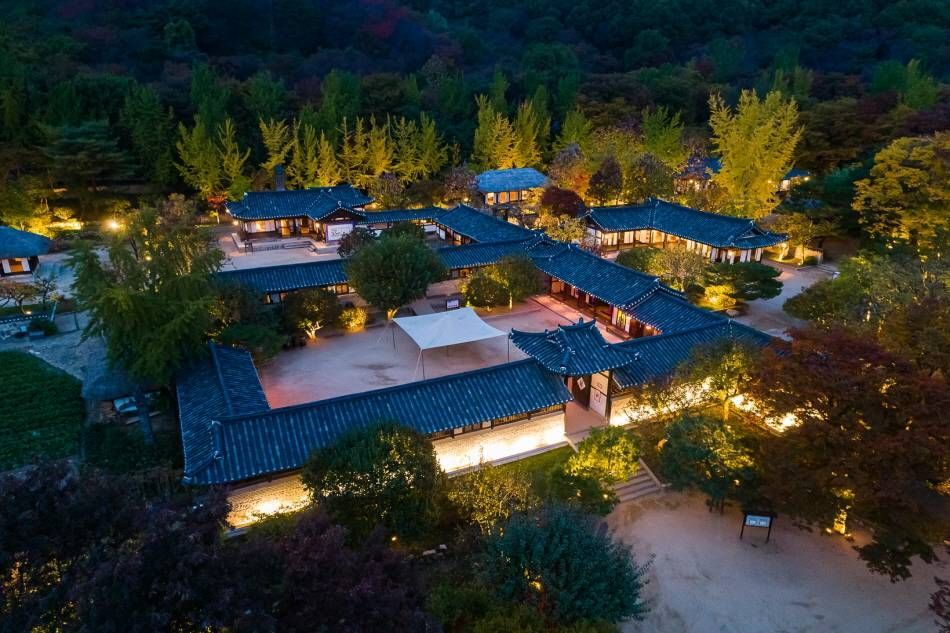
The Korean palaces also host special programs during Seollal and Chuseok where visitors can try tuho, ddakji, and yutnori in the palace courtyards. The National Folk Museum of Korea in Gyeongbokgung Palace has a permanent traditional games exhibit.
Modern Revival of Korean Traditional Games
The global success of Squid Game sparked a renewed interest in Korean traditional games, both inside Korea and worldwide. Yutnori, gonggi, and ddakji gift sets are now bestsellers on Amazon and Korean online retailers. Korean schools have reintroduced traditional games into physical education curricula.
For travelers, the easiest entry into Korean traditional games is buying a set to take home: a quality yutnori board, a small bag of gonggi stones, and a few jegi for kicking. The rules can be learned in five minutes, and they make excellent family gifts that reveal how much of Korea's pre-smartphone childhood is still alive in modern Korean culture.
Discover Korean Craft with SULSUL
Bring home a piece of Korea's living craft tradition with the SULSUL Box by Daebak, featuring handcrafted norigae, a dragonfly brooch, and a DIY knotted bracelet kit that celebrate traditional Korean artistry.


