


Table of Contents
Summer in K-pop has a very particular soundtrack, and if you have been in the space long enough you can hear it before the calendar even hits June. It is bright melodies. It is choreo built for outdoor stages. It is the kind of chorus your niece hums by the pool without knowing the group name. GOT7 has been one of the most reliable engines of that sound since 2015, and 여름 노래 (summer song) is basically an unofficial subcategory in the 갓세븐 discography. This piece is why that matters, industry-wise, and what to actually queue up when the heat hits.
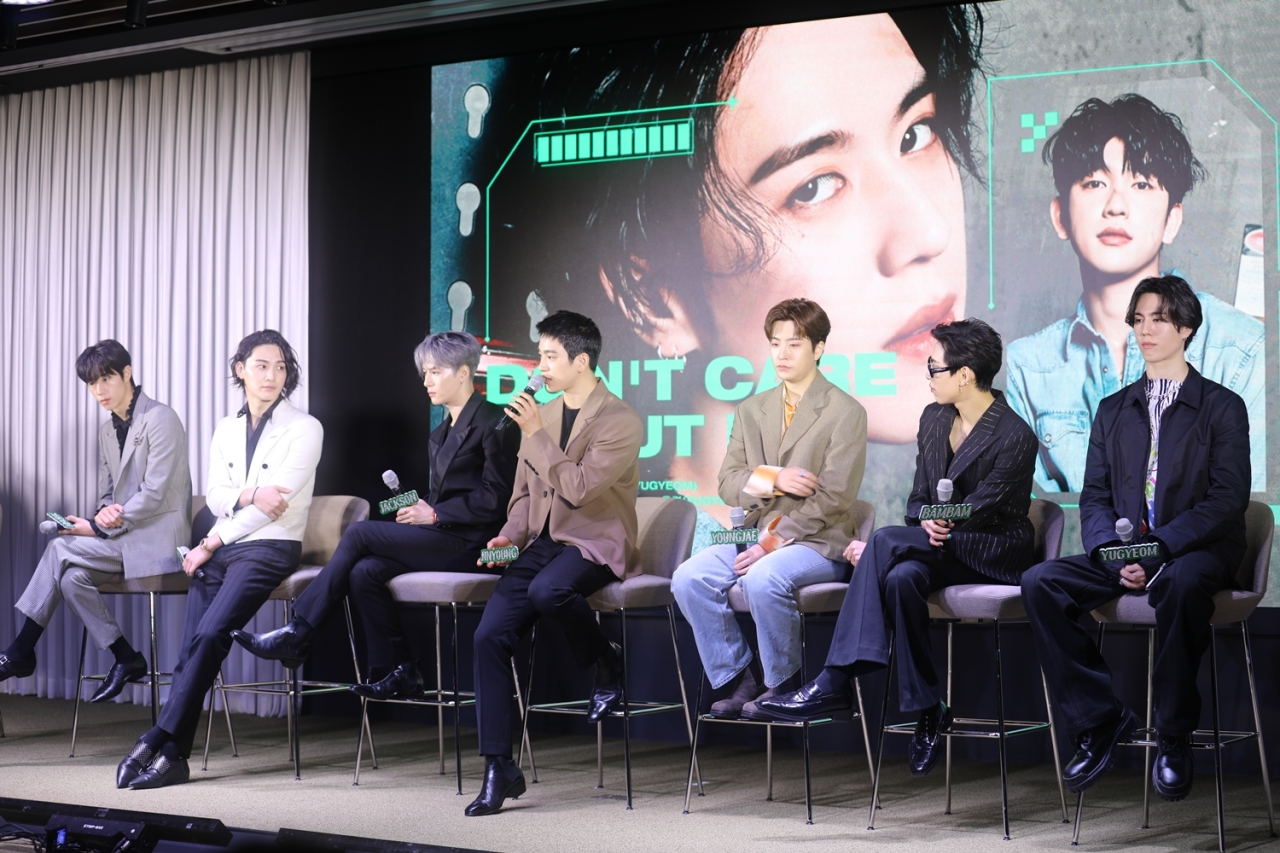
Why Just Right (2015) and Never Ever (2017) reset boy-group summer sound
Start at the source. GOT7 debuted in January 2014 under JYP Entertainment as a seven-member act built to compete with the second-gen giants (2PM, TVXQ) and the fresh third-gen wave EXO had already crashed into. What JYP figured out by the mid-2010s is that boy groups needed a warm-season identity, not just a fall comeback push. Just Right dropped July 13, 2015, with Grammy-linked producers Jackie Boyz on the credits and a doll-house MV concept that felt less K-pop industrial complex and more early-YouTube whimsy. That is the crucial part. Where BIGBANG and TVXQ were still selling a stadium-sized 여름 노래, GOT7 sold a bedroom-sized one, and it landed in a way JYP could not have modeled in a boardroom.
Then came Never Ever in March 2017, and the industry read that release differently. It was harder. It leaned into Yugyeom's dance identity, Jackson's rap presence, and JB's leader-anchor low register, and it cracked the fandom benchmark most third-gen groups needed at that point: 10 million YouTube views in under 24 hours. What Ahgase read as a serotonin bomb, labels read as proof that a summer-friendly boy-group formula could scale globally without English lyrics. Just Right and Never Ever, back to back, are the two tracks industry vets still cite when they explain why 여름 노래 became its own category, not just a seasonal accessory.

The 2021 재계약 exit: how GOT7 rewrote the post-contract survival playbook
Here is the industry story most casual fans miss. K-pop's standard idol contract runs seven years, a limit set by the KFTC (Korea Fair Trade Commission) in 2009 after the TVXQ lawsuit. When that clock ticks over, the label has three options: renew (often on tougher terms for the label), let members walk, or attempt a partial extension. Most third-gen groups fracture at this exact moment, because renegotiating seven contracts simultaneously is close to impossible. GOT7's original JYP contracts ended in January 2021, and every member walked. The default industry read was, "OK, another 3세대 disbandment ahead."
What actually happened is more instructive. Every member signed with a different agency (Jay B eventually with Sublime, Jackson with his own Team Wang, Mark independent, Jinyoung with BH Entertainment, Youngjae with Sublime, BamBam with Abyss, Yugyeom with AOMG), yet they retained the GOT7 trademark and returned in May 2022 with a Warner Music Korea-produced self-titled EP. That is close to unprecedented. Jay B personally handled the trademark negotiation with JYP, and by his own account it took months of paperwork chased around six other members and their new agencies. The reason it matters industry-wise is that GOT7 proved a group brand can survive dispersed member contracts if fandom loyalty is high enough, and Warner Music now uses the GOT7 template as a case study when pitching other post-contract idol groups. Read: 재계약 does not automatically mean disbandment anymore.
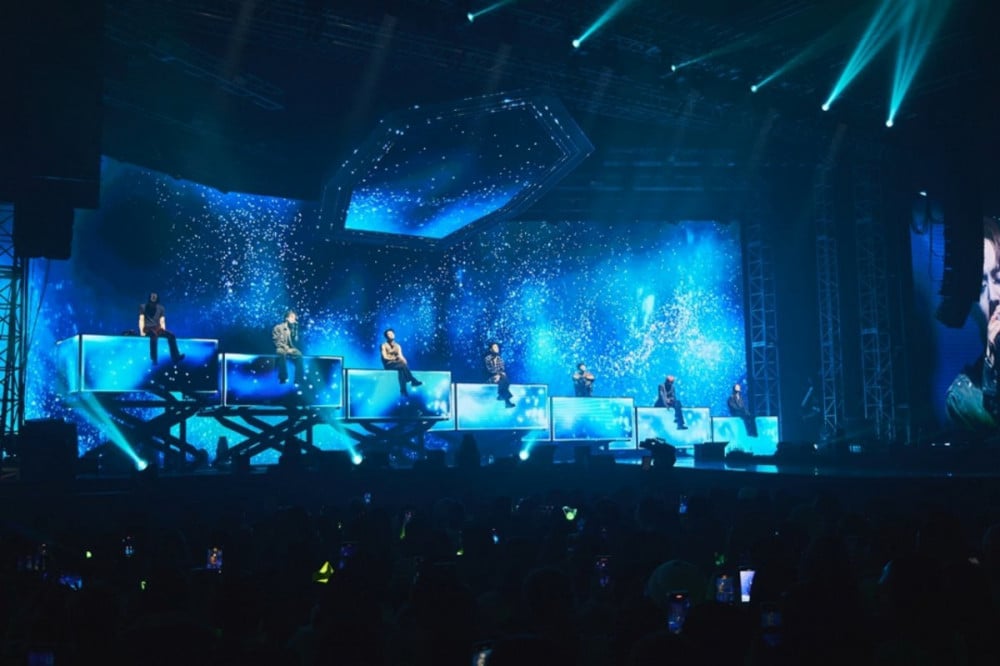
Jackson Wang, BamBam, and the solo-brand era that reshaped what an idol can own
This is where the individual mechanics get interesting. Jackson launched Team Wang Design in July 2020 with a $224 vest as the hero SKU and celebrity co-signs from Cartier, Fendi, and Armani for the launch. By late 2023, Forbes had him on 30 Under 30 Asia, Team Wang was operating pop-ups in Shanghai plus stockists in North America, and he had inked FILA FUSION as a co-brand. Jackson used his GOT7 fame as a customer acquisition engine, then built a fashion brand that did not need K-pop to survive. That is the model. He was not the first idol to try, but he was the first to actually scale a solo effort into a real luxury streetwear label instead of a merch table.
BamBam's version is different but rhymes. His solo debut riBBon (June 15, 2021, on Abyss Company) hit No. 1 on iTunes Top Albums charts in 34 different regions in the first 24 hours, which was not an accident. He leveraged his enormous Thailand base (his Sudsapda magazine spreads and multiple Thai luxury partnerships date back to 2018) as the launch platform, then rolled his brand identity into follow-up releases like B and Sour and Sweet. Both Jackson and BamBam are studies in post-idol brand extension. They kept the GOT7 group identity as a floor, then built solo IP on top. That is why NESTFEST in February 2025 sold out both Seoul nights and rolled into a Bangkok stadium show, because their solo brands feed group demand rather than compete with it. Most K-pop industry veterans still get this backwards.

The Ahgase machine: how iGOT7 keeps 3rd-gen arena math working in 2026
Ahgase (아가새, "baby birds") is what GOT7's fandom calls itself, and the group name for the fanbase is iGOT7. The numbers are worth staring at. Conservative estimates put the active global iGOT7 base at around 4 million members across X, Weverse, Weibo, and legacy fancafe combined. For context, that is larger than the entire active fandom of some 4세대 boy groups debuting today. The reason it holds up is that iGOT7 was built during 2015 to 2019, when K-pop fandom infrastructure was still fancafe-driven and community moderation was tight. That kind of fandom stickiness does not evaporate when members change agencies. It follows the group brand.
Practical outcome: GOT7's WINTER HEPTAGON (January 2025), their first full-group release in nearly three years, cleared strong first-week sales even though every member was juggling solo commitments. NESTFEST played Olympic Handball Gymnasium in Seoul, then rolled into a Bangkok stadium show that also sold out. That is 3세대 arena math still working in 2026, and the industry mechanic behind it is fandom loyalty stacked over eleven-plus years of consistent group identity. If you want to see what a properly built long-tail fandom looks like when the members are technically at seven different agencies, this is the case study to keep an eye on.

Your GOT7 summer queue: what actually plays
Practical pick list from someone who has watched this discography evolve in real time. Just Right (2015) is the mandatory anchor because it defined the entire bright-color 여름 노래 template. Never Ever (2017) is for when the heat has broken you and you need something with actual drums. A (2016, from Flight Log: Departure) is the underrated summer B-side that fans still argue about, because it sounds like a group vacation without pretending to be one. Lullaby (2018) is the sunset track, harmonies stacked with a chill Latin-adjacent groove that would age well on a Spotify summer playlist today. And NaNaNa off the 2022 self-titled comeback is the maturity track. It is not a hype song. It is seven adults, back together, waving at the camera. That is a specifically GOT7 flex you do not get from most 3세대 groups.
One last industry note. If GOT7 do drop another mini-album this summer (rumors have been persistent since NESTFEST wrapped), expect it to be built around the same solo-brand-plus-group-brand architecture, and expect the release strategy to route through Warner Music Korea with member-agency approvals rather than one label calling the shots. That is the new K-pop post-contract playbook, and GOT7 wrote the first draft of it. Watch how BTS members handle their own group reunion in 2026 to 2027. There is a decent chance the template they follow will look a lot like this one.
Explore More of Korea with Daebak
Want to bring a little piece of Korea into your life? The Daebak Box is packed with the best Korean snacks, ramen, and cultural goodies delivered monthly to your door.


