


Table of Contents
Hi Daebak-Fam. Let's talk 떡볶이 (tteokbokki) properly, because the way it gets covered in most English food blogs misses the actual argument. In Korea, tteokbokki is not a single dish you order. It is a genre with factions, price tiers, brand rivalries, and a very real Sindang-dong (신당동) vs everyone-else politics. I have been covering Korean food and lifestyle for more than a decade, and if I had to pick one snack category that shows how Korean food culture actually operates, it is this one. Rice cakes plus sauce sounds simple. The industry sitting behind it is not.
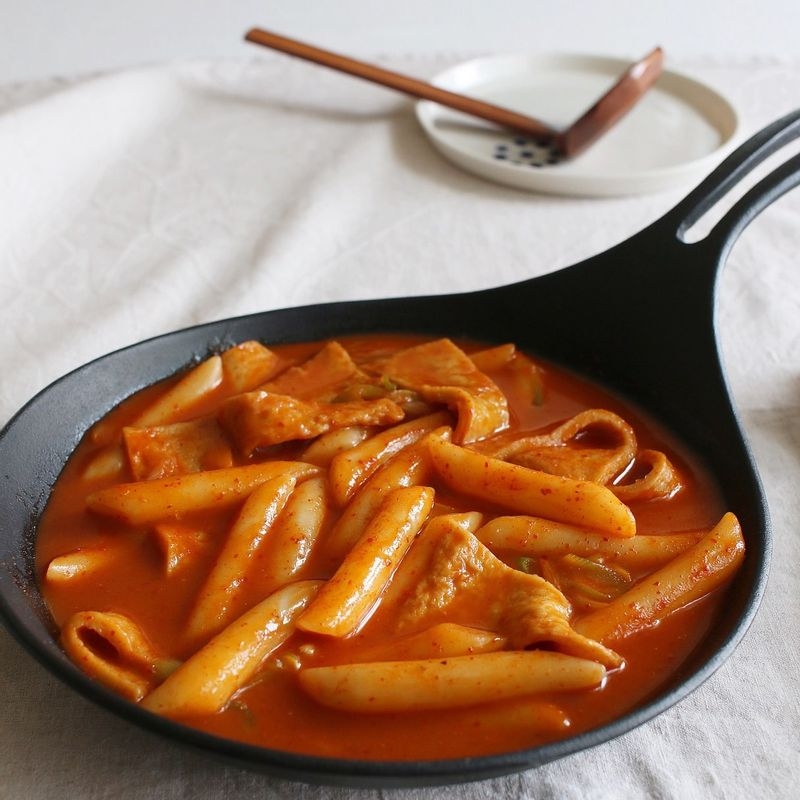
Sindang-dong (신당동): The Origin Everyone Claims
Every Korean tteokbokki story eventually points back to one woman: Ma Bok-rim (마복림), who started selling chili-sauce-stir-fried rice cakes near Sindang Station in 1953, right after the Korean War. That is the founding myth of modern 매운 떡볶이 (spicy tteokbokki), and it is not marketing. It is documented in Jung-gu district records and Korea Herald's Seoul Subway Stories. The reason the story matters is that gochujang tteokbokki as we know it (the fiery red street-food default) did not exist before her. Before 1953, tteokbokki meant the soy-based royal-court version, which we will get to.
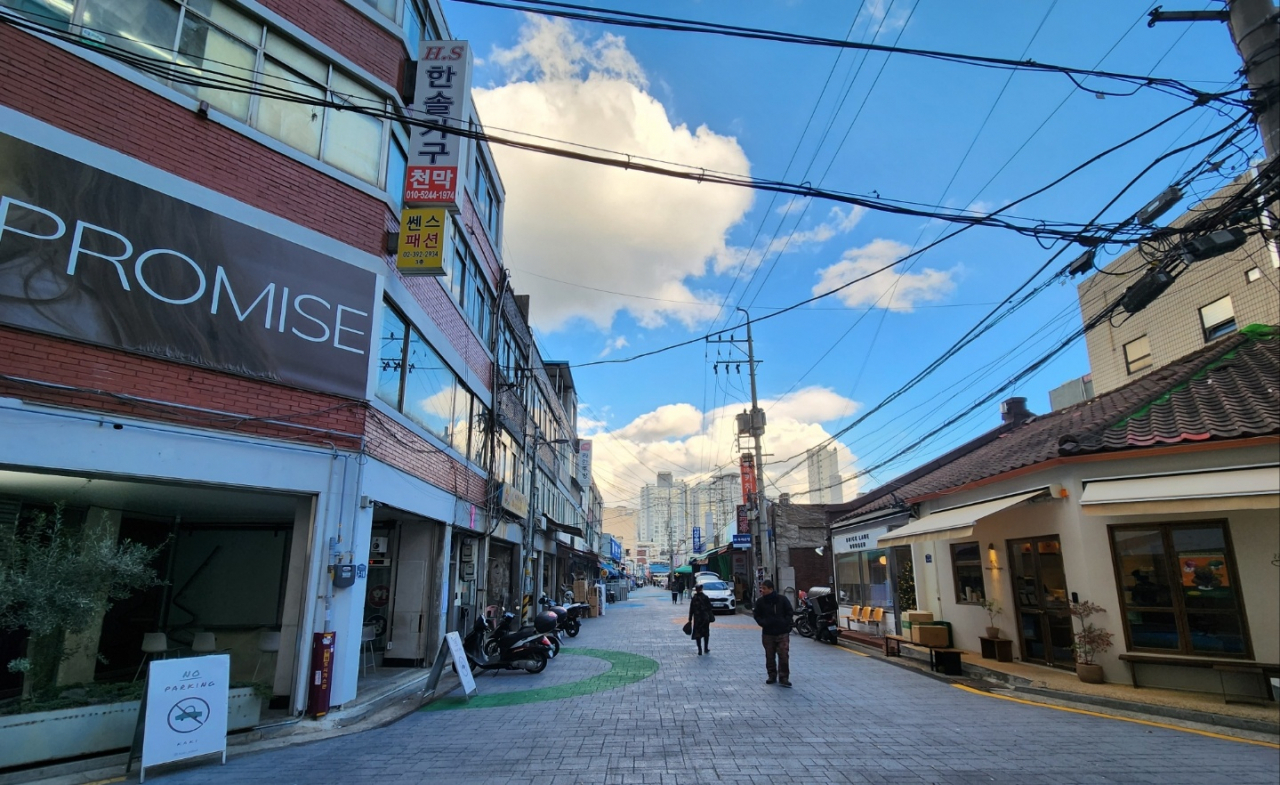
Here is the industry-mechanic point most non-Korean coverage skips. Sindang-dong became a tteokbokki neighborhood not because rice cakes came from there. It happened because the area was Seoul's largest grain wholesale market from the 1920s through the 1980s, and the leftover rice-cake supply was cheap and constant. Ma Bok-rim opened at the corner where cheap rice cakes met a hungry postwar city, and the price point locked in. That is why Sindang Tteokbokki Town (신당동 떡볶이 타운, near Exit 7 of Sindang Station) survives today with a dozen restaurants using her name on their signs, even though Ma passed away in 2011.
The appeal point for Korean fans is not just heritage. It is the specific texture Sindang restaurants got right: 쫄깃 (jjolgit, chewy-bouncy), rice cakes that are dense enough to hold shape after 20 minutes of simmering in the sauce. Sindang cooks refuse the softer, faster-cooking rice cakes that most food-court stalls use. You can taste the difference within one bite. That is the reason old-school fans still make the pilgrimage to Sindang even when a convenience-store cup-tteokbokki is 500m away.
Gungjung Tteokbokki (궁중떡볶이): The Royal Predecessor Nobody Gives Credit To
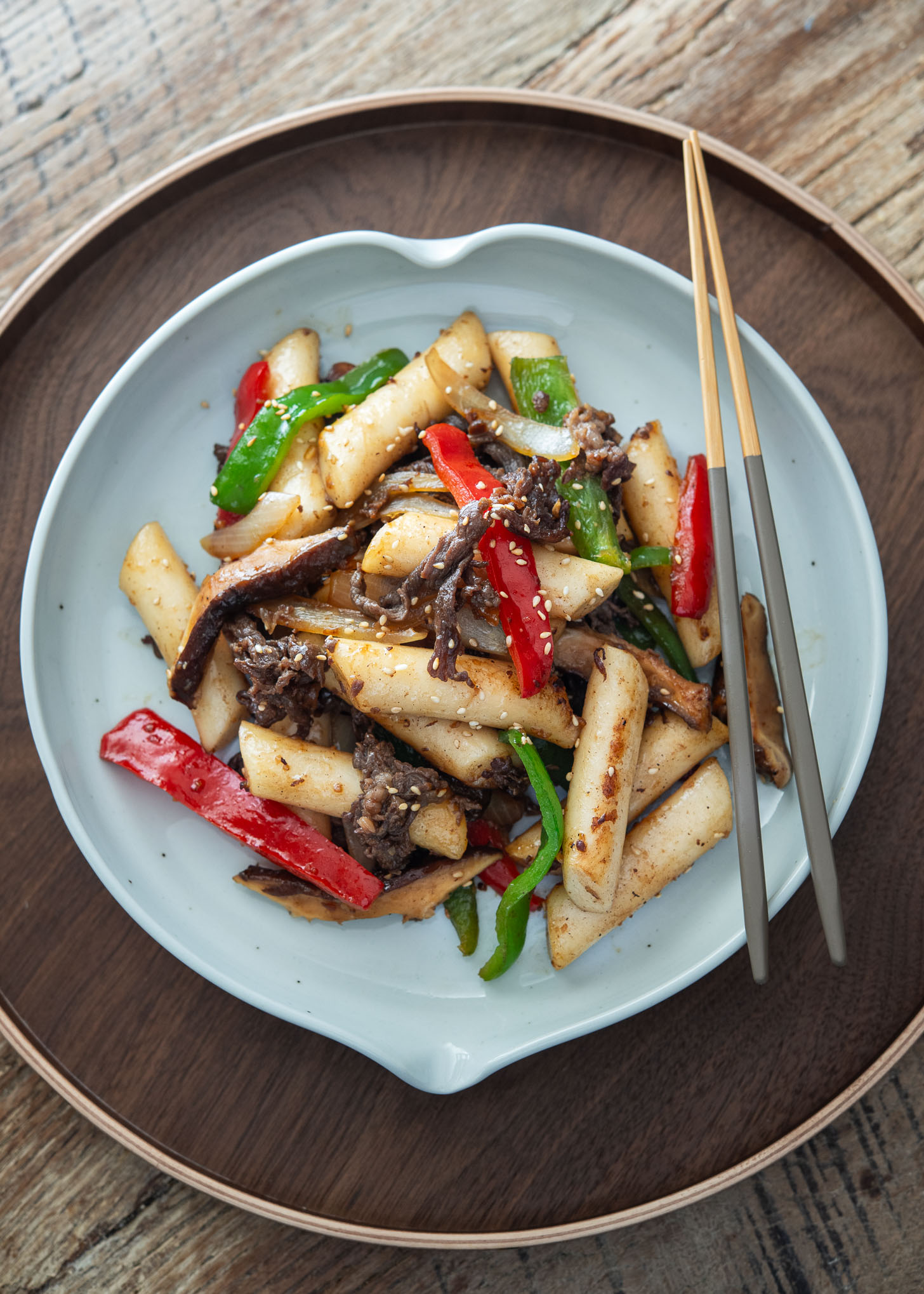
Before Ma Bok-rim, there was 궁중떡볶이 (gungjung tteokbokki, royal court rice cakes). Soy-based, with thinly sliced beef bulgogi, shiitake, bell peppers, and a light drizzle of sesame oil. No spice, no red color, no gochujang. This was Joseon Dynasty (1392 to 1910) banquet food, documented in royal-court cookbooks. Gochujang did not become a household ingredient in Korea until the Imjin War era (late 1500s) at the earliest, and even then, it took another two centuries before it filtered into street food. So the aristocratic version predated the spicy version by roughly 400 to 500 years.
Why does gungjung tteokbokki matter now? Because it is the dish Korean parents cook for kids who cannot handle spice, and it is what Korean restaurants overseas serve when they want to introduce tteokbokki to non-Koreans without setting off a capsaicin alarm. There is also a Lunar New Year connection. Some Korean families serve gungjung tteokbokki alongside 떡국 (tteokguk, rice cake soup) on 설날 (Seollal), because both dishes use garaetteok and both signal celebration food. If you ever eat at a Korean grandmother's house for New Year, this is the tteokbokki you will see, not the neon-red Sindang version.
My industry read on gungjung tteokbokki is that it is having a quiet revival post-2022. Korean cooking YouTubers (백종원 Baek Jong-won's channel is the biggest driver here) started re-uploading gungjung recipes as part of a broader Joseon-cuisine curiosity trend that also lifted 한과 (traditional confectionery) and 궁중 요리 (royal-court cooking) content. Non-spicy tteokbokki is also the version Korean brands push in Southeast Asian markets where spice tolerance is uneven. Bibigo's frozen gungjung tteokbokki line launched into Vietnam and Thailand markets specifically for that reason.
Rose Tteokbokki (로제떡볶이): The 2018 Cream Hybrid That Ate the Category
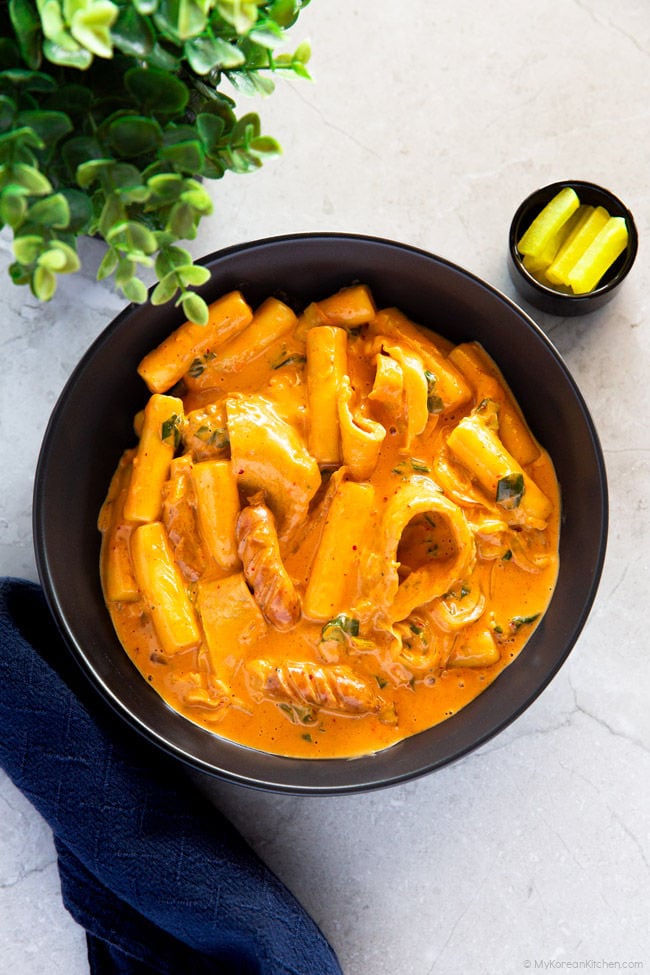
Rose tteokbokki is where the industry story gets interesting. The dish is a mid-2010s Korean fusion invention that borrows from Italian rose pasta (tomato plus cream) but swaps in gochujang instead of tomato. Heavy cream, milk, gochujang, gochugaru, mozzarella melted on top, sometimes with cocktail sausages and fish cakes tossed in. It first showed up in Seoul cafes around 2016 to 2017 as an off-menu experiment. By 2018 it was on every major franchise's menu. By 2020, during pandemic delivery boom, it dominated Baemin (배달의민족) and Coupang Eats delivery orders in the tteokbokki category.
Two brands are worth naming here because they made the category. 두끼 (Dooki), the all-you-can-eat tteokbokki chain, added a rose sauce option around 2018 and reported it became their top-selling sauce within one year. 스노우폭스 (Snowfox) and its rose-tteokbokki-in-a-cup product moved rose flavor into convenience-store 편의점 (pyeonuijeom) shelves, which is where any Korean food trend goes to either die or become permanent. Rose passed the convenience-store test in about 18 months, which is fast for the category.
What makes rose tteokbokki work is not novelty. It is that the cream cuts the gochujang burn to a level that Korean children (and Western TikTok viewers) can eat. That widened the demographic, and once a Korean tteokbokki subcategory widens beyond the traditional teenage-street-food demographic, the revenue math changes. The Korean Food Promotion Institute pegs the domestic tteokbokki category at roughly 1 trillion won in annual sales across restaurants, delivery, and packaged product. Rose accelerated the packaged and delivery slices of that pie more than anything else in the last decade.
Purists hate it. Sindang veterans in particular will say rose is not real tteokbokki, it is pasta with rice cakes. That is a valid critique from a heritage standpoint. But if you are 22 years old in Hongdae and rose is what your friends order, that is what you eat. Culinary orthodoxy loses to demographic reality every time.
Gukmul (국물) vs Jeukseok (즉석): The Broth-vs-Table-Pot Split
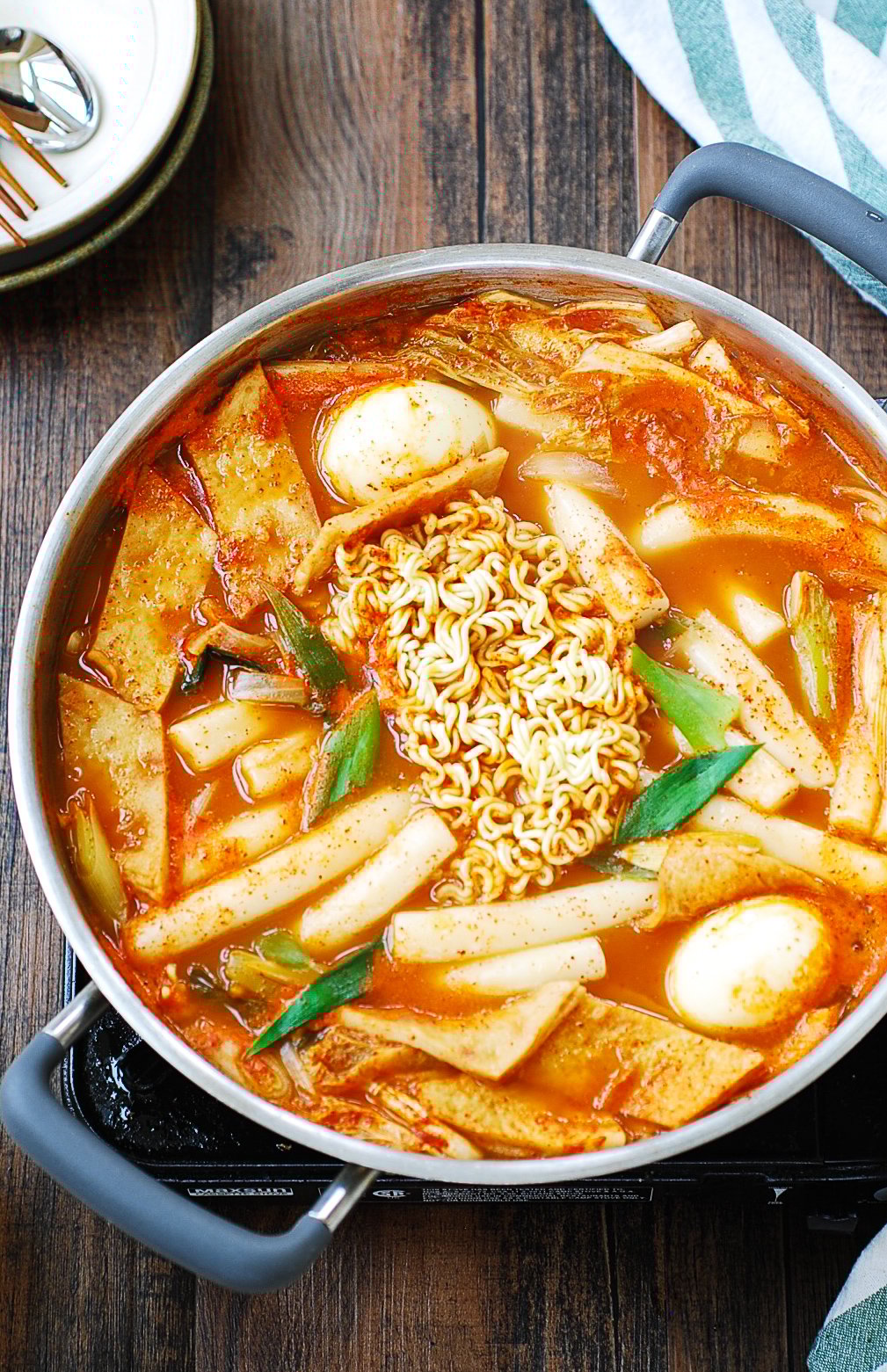
Now the real Korean fan debate. 국물 떡볶이 (gukmul tteokbokki, broth-style) uses a lot more liquid than the standard stir-fried version, and the appeal is that you get chewy rice cakes plus a spicy soup to dip fried mandu or gimmari into. Gochugaru (Korean chili flakes) is used more than gochujang here, so the broth stays clean and thin instead of pasty. Sindang restaurants like Halmeoni Jib and A Ppa Guk-mul do this style. In winter, gukmul tteokbokki is what Koreans crave over the sauce-heavy version.
즉석 떡볶이 (jeukseok tteokbokki, on-the-spot table-pot tteokbokki) is the fully participatory version. A shallow pot arrives at your table with raw rice cakes, cabbage, fish cakes, and broth. You cook it in front of you at the table (like a Korean transaction rooted in the same category logic as 부대찌개 budae-jjigae or 감자탕 gamjatang tabletop cooking). Halfway through, you add ramyeon noodles. Toward the end, you request 볶음밥 (bokkeumbap, fried rice) to be made in the leftover sauce. Jeukseok is a social-eating format, not a solo lunch. Chunggak-dong and Sindang-dong both have famous jeukseok restaurants that have been running since the 1970s.
The generational split here is real. Under-30 Koreans lean gukmul plus jeukseok when they eat out together, because it is a shared table event. Over-40 Koreans and solo lunch orders lean toward standard stir-fried tteokbokki because it is faster and portable. Franchise brands like 죠스떡볶이 (Jaws Tteokbokki) and 신전떡볶이 (Sinjeon Tteokbokki) built their entire business around the fast solo-lunch stir-fried format. Sindang restaurants held the jeukseok category. Both segments coexist without cannibalizing each other, which is unusual for a food subcategory this crowded.
Yopokki (엽기떡볶이) and the Frozen Retail War
Here is the industry piece that most people miss. Beyond the restaurant category, packaged and frozen tteokbokki is now a 300 billion won-plus export and retail segment inside the broader 1 trillion won total. Three brand names dominate.
엽기떡볶이 (Yeopgi Tteokbokki, exported as Yopokki) is the big one internationally. The brand runs a franchise chain in Korea and sells frozen and shelf-stable cup versions overseas. On Amazon US, Yopokki Sweet and Spicy became the No. 1 best-selling Korean instant tteokbokki around 2022 and has held or traded that spot since. That US success is why Korean grocery aisles in H Mart, Assi, and Weee all stock the pink Yopokki cup as a permanent SKU.
배떡 (Baedduk) is the delivery-first franchise that scaled inside Seoul from around 2016 by leaning heavily into Baemin and Coupang Eats app ordering rather than dine-in traffic. Their rose tteokbokki was one of the drivers of the 2020 to 2022 rose boom.
두끼 (Dooki) runs the buffet/jeukseok format at scale, and their expansion into Southeast Asia (Vietnam, Thailand, Indonesia) made them one of the first Korean tteokbokki brands to bet seriously on non-Korean market rice-cake tolerance. That took work. Koreans grew up on garaetteok texture. Southeast Asian consumers had to learn 쫄깃 as a positive quality, not a weird one.
The post-2020 debate that pops up on Korean food Twitter and Naver blogs is 즉석 (fresh cook, restaurant) vs 팩키지 (packaged, retail) authenticity. Purists argue you cannot get real tteokbokki out of a Yopokki cup because the rice cakes are shelf-stabilized and lose the fresh 쫄깃 bounce. Convenience defenders push back that 90 percent of tteokbokki consumption is context-driven (weeknight, dorm, office lunch) and packaged is the only realistic option most days. Both sides are correct. It is the same argument as fresh pasta vs dried pasta in Italy, and the resolution is the same. Two categories, both valid, different use cases.
My Hallyu Take: What Actually Wins in 2026
If I had to call the current split as an industry watcher, here is where the argument sits in Seoul right now. Sindang-dong still wins on heritage and 쫄깃 texture, and pilgrimages are up post-COVID as domestic tourism to Seoul's older neighborhoods rebounded. Rose still owns the delivery and convenience-store slice, and it is not going anywhere because the demographic that ordered it in 2020 is now the 25-to-35 buying cohort. Gungjung is quietly resurgent thanks to Baek Jong-won and the broader Joseon-cuisine YouTube wave. Gukmul and jeukseok hold the group-dining segment and get a bump every winter. Yopokki dominates international retail and is basically the ambassador product for the category globally.
The thing that unifies all of this is 쫄깃. Every version, whether it is Ma Bok-rim's spicy stir-fry from 1953, a cream-drenched rose bowl from 2018, or a Yopokki cup you nuke at 11pm on a Tuesday, is trying to deliver the same core sensory experience: the bounce of garaetteok against a sauce that is either sweet-spicy, spicy-savory, creamy-spicy, or soy-sesame. That texture is the actual product. Everything else is packaging and marketing. Which is why tteokbokki, unlike most Korean street foods, has been able to survive every trend cycle for 70+ years and still generate a trillion-won category. Rice cake plus sauce is not a dish. It is an operating system.
Try Real Korean Tteokbokki (and More) With Daebak
Want to taste the actual Korean tteokbokki debate at home? Get authentic Korean snacks, ramen and rice-cake products delivered from Seoul with the SnackFever Box by Daebak. New Korean street-food favorites, including Yopokki and other tteokbokki-adjacent SKUs, land in the box regularly.


