


Table of Contents
After a decade watching K-pop labels build comeback strategies, I can tell you the single most-photographed thing about an idol is not the outfit and not the choreo. It is the hair. 케이팝 아이돌 hair color is the visual shorthand a group uses to tell you which era they are in, which member is which, and which mood the album is selling, and it changes on a 3 to 6 month cycle that no Western pop star sustains.
What most fan tutorials miss is that idol hair is a production system, not a personal choice. The stylist team, the label A&R, and the album concept director all sit in the same room. Here is what that actually looks like, and how to translate it into a routine you can survive at home.

The Color Cycle Nobody Talks About
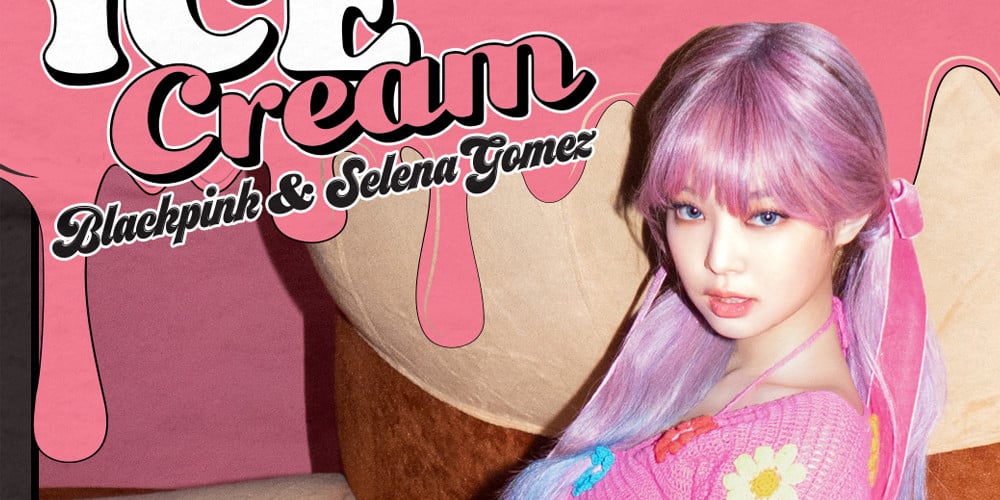
Idols do not change hair color because they got bored on a Tuesday. Each comeback runs about three to four months of promotions, and the color is picked to match the concept album drop: pink for feminine or Y2K eras (BLACKPINK Lovesick Girls, TWICE Feel Special), silver or platinum for cyberpunk and alien concepts (aespa Armageddon, TWICE Sana on Feel Special day one), warm blondes for summer disco (BTS Butter, half the HYBE roster in 2021), and deep black resets for ballad or noir comebacks. The reset to black at the end of a cycle is not aesthetic. It is scalp recovery time before the next bleach round.
This is why fans who follow one member closely can basically call the next MV mood from the salon photo alone. Rosé going cool blonde again usually means BLACKPINK is trending soft. Jennie going jet black usually means somebody in YG's creative team wants contrast against a color-drenched member.
Bleach Is the Non-Negotiable Baseline
Here is the industry-open secret: almost none of the wild colors work on virgin Korean hair. Natural Korean hair is a deep black with a warm undertone, and even a pastel pink needs the base lifted to a level 9 or 10 blonde first. That means multi-round bleaching, and it is why idol stylists at big-three agencies work in-house with global colorists rather than sending members to a neighborhood 미용실.
BTS's V confirmed this on a 2023 Weverse live, telling ARMYs he was wearing hats constantly because the bleach he got for Butter in 2021 was still causing manageability issues two years later. When an idol keeps a cap on for a month straight, that is not a fashion statement, it is triage. Rosé has been some shade of blonde so long that fans forgot her natural color, and even she cycles through silver rests to give her scalp a break.
Concept-Coded Hair: Why aespa Goes Silver and TWICE Goes Peach
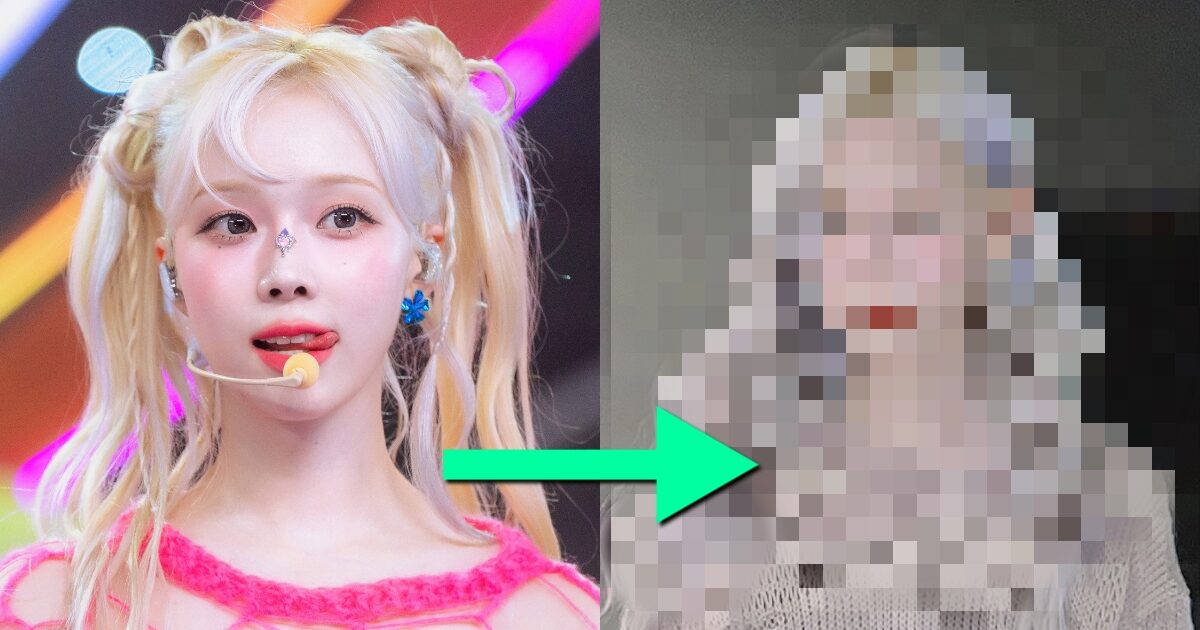
The color is doing narrative work the lyrics cannot. aespa's cyber-avatar universe basically demands cool metallics, so Winter and Karina rotate through silver, ice-blonde, and platinum during Armageddon and Supernova cycles. The fandom half-joked about Winter's scalp when she went silver in May 2024, and they were not wrong: silver requires the same double-bleach as platinum, plus a violet toner that has to be re-applied every wash to stop it from turning brassy.
TWICE picks a different playbook. Their eras trend warmer (peach, honey, orange, hot pink) because JYP has kept them anchored to bright girl-crush palettes. When Sana went platinum then let it fade to peach across Feel Special promotions, that fade was scheduled: the stylist team knows platinum tones will pull warm within two weeks, so they book the concept photos day one and the M Countdown stages day 14 accordingly.
What Is Actually on the Shelf: 미쟝센, Ryo, Aromatica
Ask a K-pop hairstylist what is in their kit and you get the same three names, not because they are trendy on TikTok, but because Korean scalp culture is genuinely built differently than Western haircare. Koreans wash hair almost daily, so shampoos are formulated milder and treatments do the heavy lifting.
- 미쟝센 (Mise-en-Scene) is the drugstore workhorse Amorepacific owns. The Perfect Serum line is the reason so many mullets in second-tier boy groups look photo-ready: it is a lightweight leave-in argan blend that seals bleached ends without the greasy weight of Western hair oils.
- Ryo (려) is LG H&H's premium scalp brand, and it is not a marketing story. LG H&H is the third-largest haircare company globally by scalp-care revenue, and Ryo's Jayangyunmo formula (with red ginseng and traditional herbs) is the scalp shampoo that a lot of idol hairstylists reach for when a member is losing hair from stress and bleach. The brand quietly OEMs formulas for several Western labels.
- Aromatica is the clean-beauty vegan option, favored by idols who deal with sensitive scalps. Their Rosemary Scalp Scaling Shampoo is the one you see hidden in idol vanity room shots.
Notice what is missing: Kerastase, Olaplex, high-end salon retail. Those brands exist in Korea, but the pro side of the industry leans on domestic scalp-first formulas because the daily-wash Korean routine punishes rich Western conditioners.

The Recovery Ritual That Makes the Color Last
Here is the part every home tutorial skips: the color is 20% of the work, the recovery is 80%. The standard idol maintenance week looks like this:
- Weekly 헤어 팩 (hair pack), left on 15 to 20 minutes under a warm towel or steamer. Mise-en-Scene's Perfect Repair pack is the drugstore benchmark, and the reason bleached idols still get shiny close-up shots.
- Daily 오일 (Argan or Camellia), two drops on damp mid-lengths and ends only, never on the scalp. Camellia (동백) is the traditional Korean hair oil, and it is what your grandmother used before it got rebranded as premium.
- Leave-in 미스트 (mist) re-sprayed between wash days to fake the softness of freshly conditioned hair, and to protect from heat styling before every performance.
- Cold-water finish rinse, closes the cuticle and locks tone. It is why platinum idols look glass-shiny on stage.
The judgment call in a pro idol routine is that they scale the treatment to the damage. Rosé, whose hair has been color-processed for years, will get in-salon Olaplex-style bond builder on top of the drugstore stack. A rookie who just debuted with virgin hair does not.

How to Copy the Look Without Copying the Damage
If you actually want idol hair without a five-figure salon budget or a full-time on-tour hairstylist, the honest path is:
- Go pro for the lift, DIY for the maintenance. Bleach is the one step you should not do at home for pastel results. Find a colorist who works with Asian hair specifically. Ask for bond builder in the bleach mix.
- Skip the box dye. Permanent box dye leaves molecules the salon cannot fully lift, and the next bleach round goes patchy. Every idol stylist I have talked to confirms this ruins more color plans than anything else.
- Use semi-permanent color-depositing conditioners for the fun colors. Pastel pink, mint, lilac all fade in 4 to 8 washes, which is actually the idol cycle anyway. Aromatica and Mise-en-Scene both sell tinted treatments.
- Adopt the Korean daily-wash + weekly-pack rhythm. Wash gentler, condition lighter, pack heavier. Your hair will tolerate bleach twice as often on this schedule.
- Give your scalp a black reset between eras. Even Jennie does it. Six to eight weeks in your natural color lets the cuticle recover before the next color round.
The reason Korean idol hair looks impossible is not the color. It is the discipline behind the color: the calendar, the product stack, the recovery weeks. Get those right and the actual shade is the easy part.
Explore More of Korea with Daebak
Want to bring a little piece of Korea into your life? The Daebak Box is packed with the best Korean snacks, ramen, and cultural goodies delivered monthly to your door.


