


Table of Contents
Here is the honest read from someone who has watched Korean 콘서트 (concert) culture professionalize for the last decade: your first K-pop concert is not a normal concert. The seating is different, the merch line is different, the audience is running a live audio and lighting rig on top of the artist's own, and if you show up thinking you can wing it, you will spend the whole show one step behind everyone around you. That is not a knock on new fans. It is just how the format works. K-pop live shows evolved a set of participation mechanics (fandom colors, 응원봉 (lightsticks) synced by Bluetooth, memorized 응원 (fanchants), pre-show Weverse Live check-ins) that most Western tours do not have, and the industry now runs a 응원봉 category worth $500 million+ in annual global revenue on top of it. Here is the actual survival playbook.

Why K-pop 콘서트 is a different format, not just a "concert"
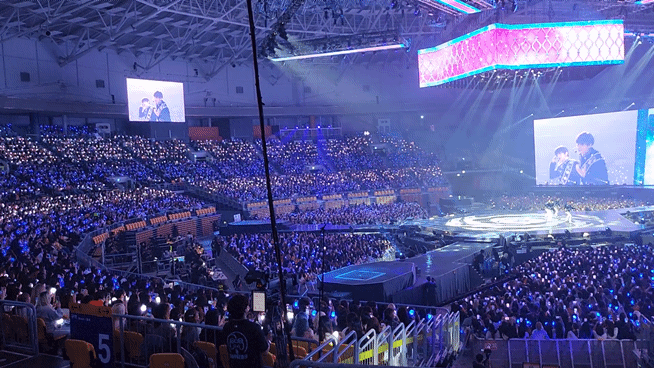
Skip the framing that a K-pop show is just a regular concert with better choreography. The industry mechanic that matters: since roughly 2016, when SM Entertainment rolled out EXO's remotely controlled lightsticks and the whole industry followed, K-pop labels have designed their arena and stadium tours around audience participation as a production element. The 응원봉 in your hand is not a souvenir, it is a networked LED node inside a venue-wide lighting rig that flashes with the setlist. HYBE, SM, JYP, YG, and the newer Belift Lab and Source Music tours all run the same basic playbook: sync the audience, script the chants, sell the merch as part of the show.
Ticket prices reflect the production scale. Recent Korea leg pricing on major tours ran 165,000 won for general admission up to 253,000 won for M&G (meet-and-greet) tier on ENHYPEN's WALK THE LINE finale, and BTS's April 2026 Goyang show for the ARIRANG world tour cleared 260,000 won for ground seats. Convert that to USD and you are looking at roughly $150 to $500 depending on tier and venue, per Korea Times reporting from February 2026. The premium tiers sell out first, so if you are not in the priority fanclub queue, expect general admission or nothing. The BTS Tokyo Dome dates in April 2026 pulled 110,000 fans across two nights, and the coordination on the floor was visible from the upper deck.
1. Buy the official 응원봉, not a knockoff
The first purchase for anyone attending a K-pop 콘서트 is the official group lightstick, priced at roughly $40 to $70 USD depending on the group and generation. BLACKPINK's official stick (the black-and-pink hammer nicknamed the "Bl-ping-bong") runs $55 to $65. BTS's ARMY Bomb Version 4, released November 2025 for the 2026 ARIRANG world tour, is $35 to $50 depending on retailer. TXT's second-generation stick, IVE's, iKON's, BIGBANG's 20th-anniversary version, all sit in the same $40 to $70 band. The Korean 응원봉 category itself now generates $500 million+ in global annual revenue, per industry estimates, and it is one of the highest-margin lines a K-pop label operates.
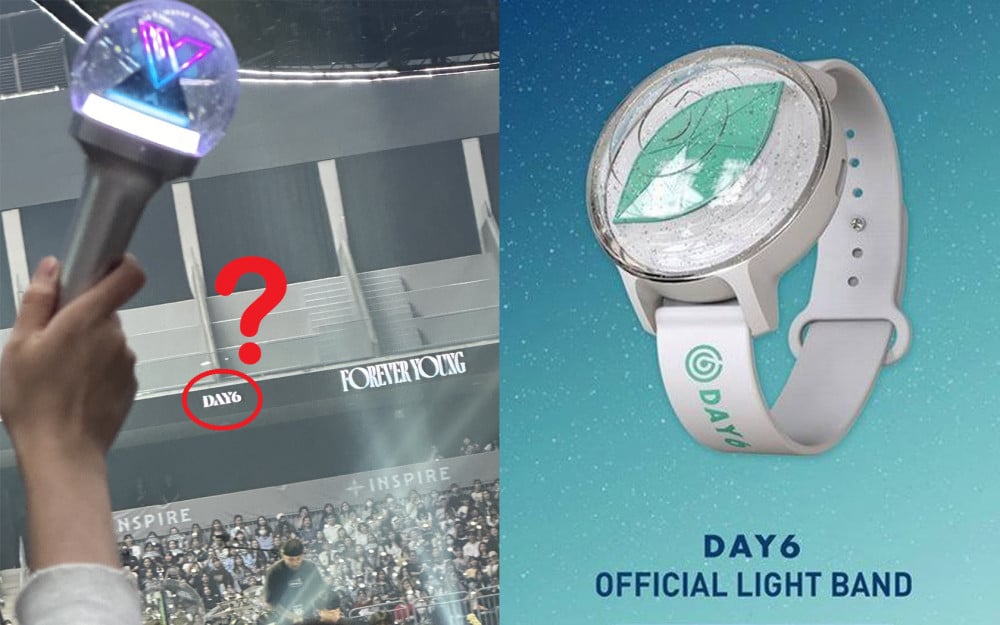
Why the knockoff is a bad idea: the counterfeit sticks look identical from a photo, but they cannot connect to the venue Bluetooth sync system. The whole point of the modern K-pop lightstick, from ARMY Bomb Version 3 onward and every equivalent SM, JYP, and Belift stick since, is that you enter your seat information into the group's app (Weverse for HYBE artists, Bubble for SM and JYP artists), and the lightstick receives its color and flash timing remotely during the show. If your stick is unofficial, you are the dark spot in the arena wave, which is a small thing on paper and a very visible thing from the stage. Korean 팬덤 (fandom) forums are unusually blunt about this: fans will notice. Ateez took the format one step further with motion-sensing sticks that change LED color based on how you wave them, and 2026 arena shows are increasingly building lightstick-driven moments into the setlist as a designed cue.
2. Merch line: 4 to 6 hours early, $200 to $500 cash, and buying limits
The 굿즈 (merch) line is the second thing to plan for, and this is the piece most Western fans underestimate on their first show. Major K-pop concert merch drops open 4 to 6 hours before venue doors, and the line for tour-exclusive items forms even earlier. When BTS opened presales for SoFi Stadium merch in 2021, the queue stretched more than one kilometer and fans reported three-plus hour waits with no guarantee of getting the items they came for. For 2026 tours, expect the same pattern at any dome or stadium date: the pop-up truck opens at 10 or 11 a.m., and by the time the doors open at 5 or 6 p.m., the tour photobook, official concert hoodie, and any exclusive photocard sets are gone.
Budget accordingly. A realistic first-concert merch spend runs $200 to $500 USD if you want a tour hoodie ($80 to $120), the tour photobook ($40 to $60), an official lightstick strap or version-2 skin ($20 to $40), and a stack of photocard trading sets ($30 to $80). Bring cash. Korean merch counters at Korean venues take Korean cards, but at overseas legs (SoFi, Tokyo Dome, Wembley, MetLife), cash still moves faster than card readers when 40,000 people are queued behind you. Recent K-pop merch drops have also started enforcing per-person buying limits after 2025 incidents (NCT Wish's Seoul pop-up was cleared out by two fans buying every vending-machine slot within minutes, per Allkpop reporting), so factor that into your plan if you want a specific item for a friend.
3. Learn the 응원 (fanchant), and yes, romanized cheat sheets are fine
The 응원 is the memorized chant fans do in unison at specific timestamps in each song. It is usually the member names in birth order at the intro, plus a scripted call-and-response during the pre-chorus. Every group has an official fanchant guide, and the fandom translates and romanizes it within hours of a new title track dropping. For a first concert, pull the official fanchant guide off the group's fancafe or a fan-run Twitter thread, print it (or screenshot it into your phone notes), and drill the intro chant plus the two loudest choruses before you get on the plane. Nobody expects you to have the whole show memorized. They do expect you to know the intro member-name chant, because a missed member name during the intro is the fastest way to feel like you should not be there.
The romanized cheat sheet is fine. Korean fans use them for older songs too. What you cannot do is scream-sing along to the entire song. Koreaboo's classic concert etiquette guide is blunt about this: "the person next to you might bludgeon you with a lightstick, and you know what, no one would blame them." The 응원 exists precisely so fans can participate at the scripted moments and shut up during the vocal parts so everyone can actually hear the artist. The one exception is the sing-along encore, where fans openly duet with the artist. Every group has one or two of these (BTS's "MIC Drop" and "Not Today" chants, per Korea Times' April 2026 Tokyo Dome reporting, hit stadium-shaking levels precisely because the fanchant script was drilled in advance).
4. Dress code: fandom color first, group merch second, other groups never
Fandom color is a real thing, and on your first concert it is worth honoring it. BLINKs wear pink for BLACKPINK, ARMYs wear purple for BTS, MOAs wear midnight blue for TXT, ONCEs wear apricot and neon magenta for TWICE, ATINYs wear pale peach for Ateez, and the color coordination becomes visible from the balcony as soon as house lights drop. The tradition traces back to the late 1990s balloon era (H.O.T fans waved white balloons, Sechs Kies waved yellow, g.o.d waved sky blue), and the transition to lightsticks in 2008 (Se7en's "7" stick, Big Bang's yellow Bang Bong) kept the color logic intact, per Korea Herald's cheering-culture reporting from January 2025. In 2026 you are wearing the color because the tour photographer will shoot the crowd from the stage side, and the fandom color makes the section pop for the concert film cut.
What not to wear: another group's merch. Multi-stanning is normal, but wearing the shirt of one group to another group's show reads as attention-seeking to the fans around you and generates unwanted questions all night. Koreaboo's concert etiquette guide lists this as a top-five don't for exactly this reason. Also skip the stilettos and any bag bigger than a small backpack. Korean and Japanese dome venues (Tokyo Dome, Kyocera Dome, Gocheok Sky Dome, KSPO Dome) have narrow row spacing and long walks from the subway, and comfortable shoes with a platform sneaker for sight lines is the actual insider move.
5. Arena etiquette: your 자리 (assigned seat) is your seat, no crowd surfing
Korean and Japanese dome shows run on assigned 자리 (seats), even in the standing pit. When you buy a general admission ticket for a Korean venue, you are typically assigned a numbered floor slot when you check in, not a "run to the barricade" free-for-all. There is no crowd surfing. There is no moshing. Security at Gocheok Sky Dome and KSPO Dome will pull you out immediately if you try, and Korean 팬덤 culture treats crowd surfing as a hard breach of concert etiquette. This surprises Western fans coming from rock or pop punk backgrounds, and it is one of the fastest ways to get flagged by other fans in your section.
Other etiquette items that matter: do not block sight lines with oversized signs or phones, do not throw gifts at (as opposed to onto the stage for) idols, do not grab an idol's hand if they reach out for the skinship moment (hold, do not pull), and do not sing-along at karaoke volume during the vocal sections. The pre-show Weverse Live check-in is another thing to plan for. HYBE artists routinely go live on Weverse or the group's fancafe 30 to 60 minutes before showtime, either from the greenroom or as a scripted teaser drop, and missing it means missing information about setlist changes, encore fanchant tweaks, or which member is doing the sound check ment. Have the Weverse app installed with notifications on before you leave the hotel.
6. What actually happens at your first K-pop 콘서트
Here is the timeline that will play out. You will arrive at the venue 4 to 6 hours early for merch. You will queue in a line that is more organized than any Western concert queue you have ever seen (Korean fandoms self-marshal, with volunteer 팬덤 line captains handing out numbered tickets in cities where the venue does not). You will get inside, find your 자리, pair your official 응원봉 to the Bluetooth sync using the group's app, watch the Weverse pre-show, and then the house lights drop. The intro VCR plays. The stick in your hand and the sticks of 40,000 other people flash in perfect unison in the fandom color. You do the intro member-name chant. The first note hits. You are inside a lighting rig that includes you.

The appeal point that gets lost in international coverage: this is one of the few remaining large-scale live formats where the audience is a designed participant in the show, not a passive receiver of it. That flattening (the tour hoodie the CEO wears is the same one the 17-year-old wears, the 응원봉 the front-row VIP holds is the same one the upper-deck rear-corner fan holds, the fandom color logic treats everyone as one 팬덤 unit) is what makes K-pop concerts feel different in person than they look on YouTube. My honest read from the industry side: the reason K-pop live tours have expanded from Seoul dome dates to 65-city global runs in under a decade is not just the music, it is that the participation format travels. A Korean 응원봉 with a Bluetooth chip and a synced fanchant works the same in Los Angeles, Tokyo, Mexico City, or Riyadh, and no other live music genre has built out that infrastructure at the same scale. Go to your first show, learn the chant, wear the color, buy the merch, and you will understand why fans book flights across oceans for a 90-minute set.
Explore More of Korea with Daebak
Want to bring a little piece of Korea into your life? The Daebak Box is packed with the best Korean snacks, ramen, and cultural goodies delivered monthly to your door.


