


Table of Contents
Few foods in Korea carry as much warmth and meaning as mandu. These stuffed dumplings have appeared on Korean tables for centuries, from everyday weeknight dinners to Lunar New Year feasts, and the tradition of gathering around a big table to fold mandu together is one of the most cherished rituals in Korean home cooking. Whether boiled in a clear broth, pan-fried until golden, or steamed in a bamboo basket, mandu are irresistible in every form.
What Is Mandu?
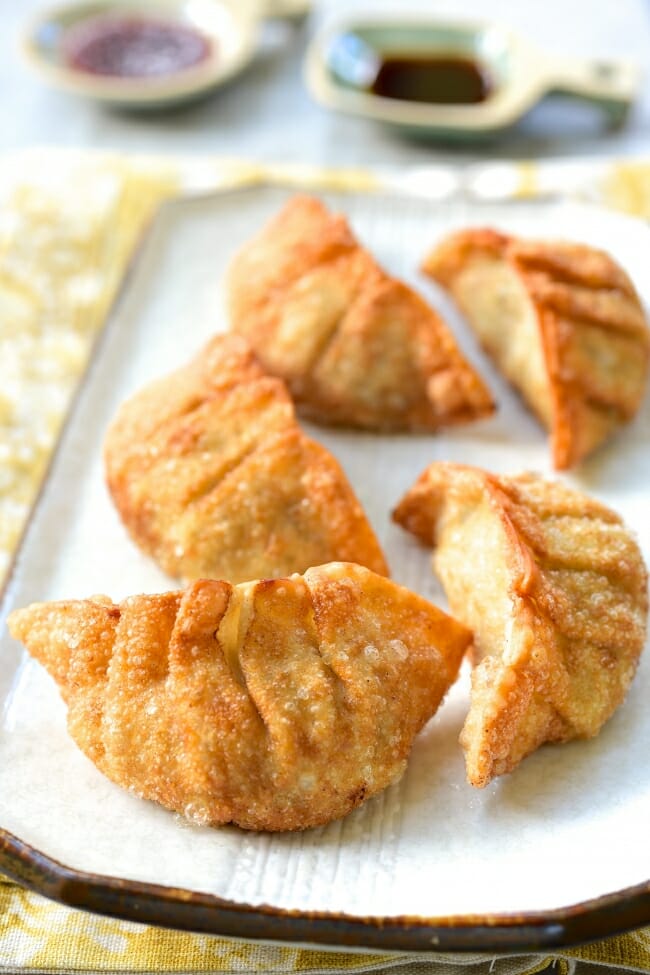
Mandu (만두) is the Korean word for dumpling, a broad category that covers a wide range of shapes, fillings, and cooking methods. At its core, a mandu is made of a thin wheat dough wrapper (mandu-pi, 만두피) folded around a savory filling, then cooked by boiling, steaming, pan-frying, or deep-frying. Mandu are closely related to other Asian dumplings: they share ancestry with Chinese jiaozi and are similar in concept to Japanese gyoza. Korean mandu, however, have their own distinct character, with fillings that often include tofu, Korean glass noodles (dangmyeon), Asian chives, and sesame oil, giving them a softer texture and a more delicately seasoned filling than their Chinese or Japanese counterparts. They can be made large or small, round or crescent-shaped, and the wrapper can be handmade or store-bought.
A Long History in Korean Culture
Mandu are believed to have entered Korean cuisine during the Goryeo Dynasty (918 to 1392), brought over through contact with Central Asian and Chinese culinary traditions. Over time, Koreans developed their own variations, and mandu became deeply embedded in the culture. They are especially associated with Seollal (설날), Korean Lunar New Year, when families traditionally make tteok-mandu-guk: a soup of rice cake slices and mandu in a clear beef or chicken broth. Eating this soup on New Year's Day is believed to bring good fortune and mark the start of a new year. The communal act of folding mandu together, with grandparents, parents, and children all seated around a low table, is one of the most iconic images of Korean family life. Large batches are made and then frozen, ready to be boiled or pan-fried throughout the winter season.
Classic Mandu Fillings
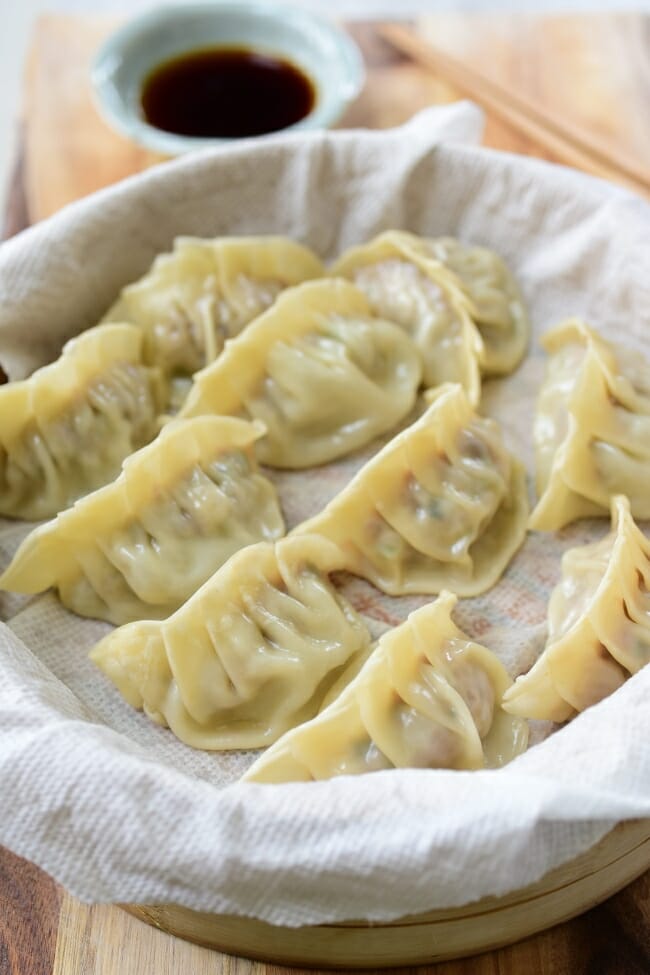
The most classic mandu filling is gogi mandu (고기만두), made with ground pork (or a pork and beef mix), finely chopped and squeezed napa cabbage, Korean chives, tofu, cooked glass noodles, garlic, sesame oil, and soy sauce. The tofu is drained and crumbled, and the cabbage is salted and squeezed dry to remove moisture before mixing. This prevents the filling from becoming watery inside the wrapper. Kimchi mandu (김치만두) is another beloved variety, using well-fermented kimchi as the base of the filling, typically combined with pork and tofu. The sourness of the aged kimchi gives the filling a bold, tangy depth that makes it particularly flavorful. For a vegetarian version, the meat is simply omitted and the tofu and vegetable portions are increased. Hobak mandu uses grated zucchini, while some coastal regions make seafood mandu with shrimp and squid.
How to Cook Mandu: Every Method Explained
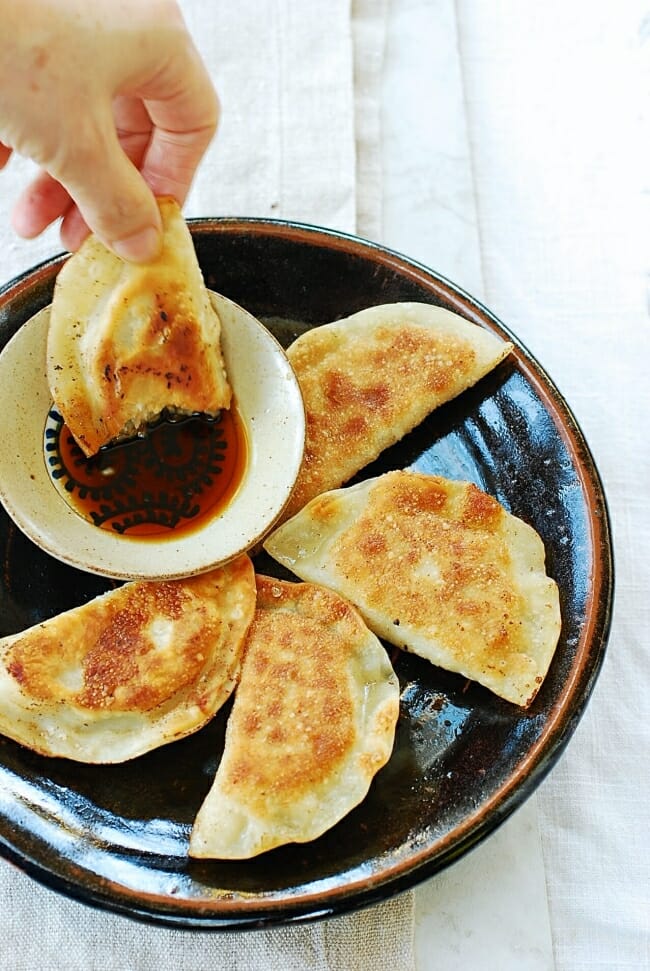
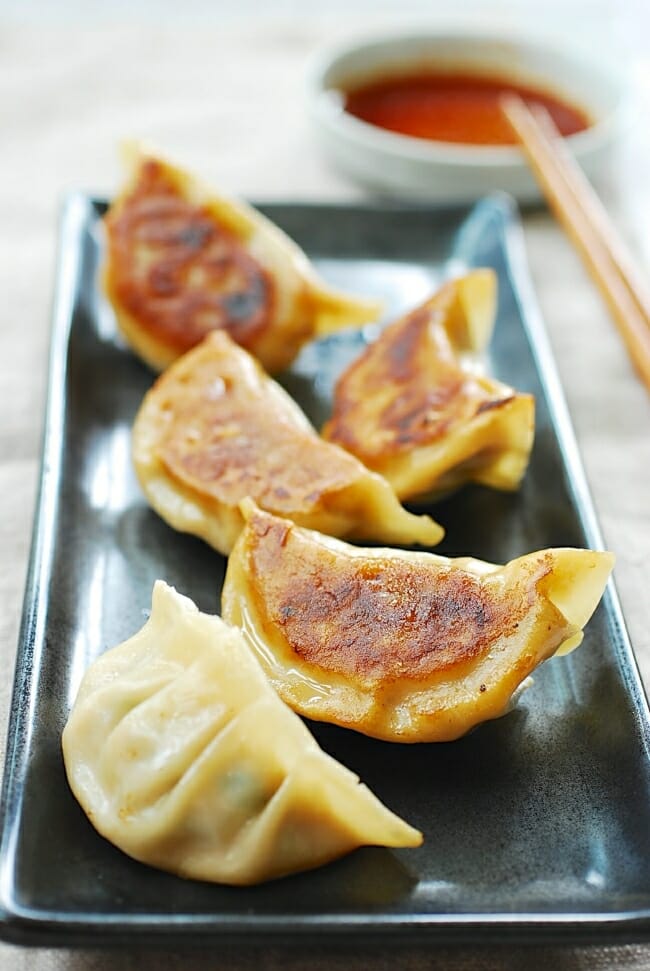
One of the joys of mandu is how adaptable they are to different cooking methods. Mul-mandu (물만두) are boiled in salted water until they float to the surface and turn slightly translucent. This is the most common method and gives the wrapper a soft, silky texture. Gun-mandu (군만두) are pan-fried in oil until the bottom is deeply golden and crispy, then a small amount of water is added to the pan and the lid is put on to steam the tops through. This produces mandu with a shatteringly crispy base and a soft, steamed top. Jjin-mandu (진만두) are steamed over boiling water, giving a tender, light wrapper without any frying. Twigim-mandu (틀김만두) are deep-fried to a crispy, golden shell all over. Each method suits different occasions: boiled for soups, pan-fried for snacking, steamed for a lighter option, and deep-fried for street food.
Explore Korean Snacks with Daebak
Love Korean food? Get authentic Korean snacks and ramen delivered straight to your door with the SnackFever Box by Daebak.


