


Table of Contents
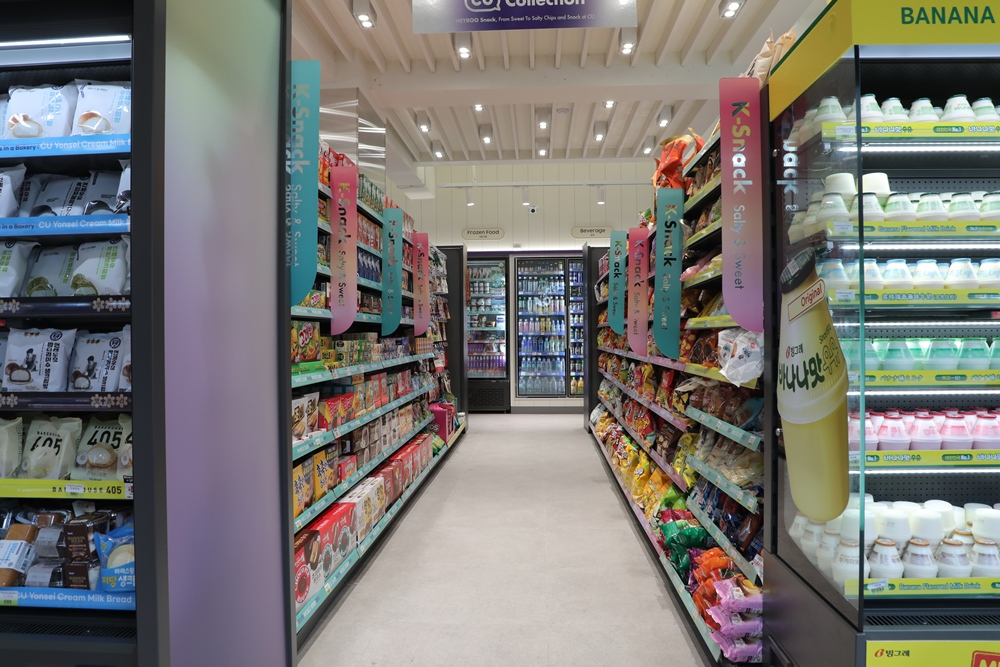
Every autumn, sometime around late September, the Korean convenience-store shelf transforms in a way most Western snack aisles do not really do. CU, GS25, 7-Eleven, and Emart24 clear meters of prime shelf space and stack it five to ten times deeper than normal with Pepero (빼빼로), the chocolate-dipped biscuit stick Lotte has manufactured since 1983. By the time November 11 arrives, roughly half of Lotte Wellfood's entire annual Pepero revenue has moved through those shelves in a two-week window, which by industry estimates puts Pepero Day sales in the ₩300 to ₩500 billion range on that single SKU family. I have watched a Lotte category manager describe November 11 as the third biggest gift day in Korean retail, behind Christmas and Valentine's Day only, and after more than a decade watching Korean food companies engineer these day-marketing calendars, that ranking is not hyperbole. The interesting Gen Z pivot, and the reason handmade Pepero shows up on your TikTok feed every autumn with gummy bears melted into the chocolate and Snoopy heads pressed onto the sticks, is that the DIY version is now doing something the boxed original cannot: it is turning the process itself into the gift.
The Manufactured Holiday: How Busan Middle-Schoolers Got Weaponized Into a ₩500 Billion Retail Event
The origin story is one of my favorite examples of a corporate marketing team spotting a fan-generated ritual and industrializing it inside three years. The most commonly repeated version, and the version Lotte itself has told for two decades, is that in the mid-1990s two female middle-school students in the Yeongnam region (usually specified as Busan) started exchanging Pepero on November 11, wishing each other 키 크고 날씬해지자 (let's get tall and skinny), because the four vertical 1s of 11/11 looked like four Pepero sticks lined up. The story spread through Yeongnam high schools, hit Seoul by 1996, and Lotte formalized the marketing calendar in 1997. Everything you now see, the 11:11 am + 11:11 pm suggested exchange times, the eleven-boxes-for-maximum-effectiveness urban legend, the department-store window displays, was engineered on top of that seed narrative once Lotte's marketing team realized what they had. Wikipedia and Wall Street Journal Korea Realtime both note the doubt about whether the Busan middle-school story is even genuine or a folk explanation invented after the fact. From the industry side that debate does not matter much. What matters is that Lotte turned a possibly-apocryphal school-yard rumor into a repeatable November spike that now anchors the entire late-Q4 food-marketing calendar in Seoul.
The economics of that spike are worth spelling out because they explain why every other Korean snack maker copies the playbook. Orion pushes Pocachip and Choco Pie hard in early November. Crown Confectionery leans on Big Pie. Haitai pushes Homerun Ball. Even Ottogi and Nongshim run tangential 11.11 promotions to ride the traffic. But Pepero is the anchor SKU, and Lotte's daily sales on November 11 run about 84 times a normal Pepero day, which is one of the sharpest single-day retail spikes in any consumer category in Korea. Convenience stores stock 5 to 10 times normal inventory across October and November to absorb the pull. Rooftop billboards in Gangnam and Hongdae rotate into Pepero creative for six weeks. The industry mechanic underneath all of it is that Korean day-marketing calendars work because 편의점 density is high enough (55,000-plus stores nationwide, one for every 920 people) that a couple can grab a Pepero box on a five-minute walk from wherever they are, and the parasocial-idol advertising layer on top (EXO in 2018, NewJeans in 2023, Stray Kids in 2025) drives the specific brand SKU pick rather than the category buy. Lotte has essentially built a holiday whose primary product is a ritual, and the ritual funnels through their SKU. That is a marketing achievement, whether you find it charming or crass depends on where you sit.
Why DIY Pepero Grew: Gen Z Pushback, the Instagram Layer, and the Value of Effort
The DIY Pepero movement did not appear because Lotte's boxes got worse. They did not. It appeared because the ritual itself, exchanging identical mass-produced boxes on cue, started reading as low-effort to a Korean Gen Z audience that had absorbed a decade of Instagram-first food culture. Post-2020 the pushback was especially loud, with online commentary framing Pepero Day as 강매 (forced-purchase) and single-life criticism landing especially hard: the day punishes anyone without a partner or a friend group willing to run the exchange, and 1인 가구 (single-person households) are now over a third of all Korean households. So the DIY move solved two Gen Z problems at once. Making the Pepero yourself demonstrated 정성 (attentive effort, the concept a Western Valentine's card can only gesture at), and posting the process on Instagram and TikTok reframed the entire ritual as content rather than obligation. A homemade Pepero stick decorated with gummy bears melted into the chocolate and topped with a fondant Snoopy is unmistakably an act of effort. A boxed Pepero from CU is not. In the specifically Korean context of 정성 and 마음 (heart, intention), that difference matters more than the calorie or price count.
The mechanic that made DIY Pepero go viral in particular is that the technique is genuinely simple enough that a casual home baker can execute a first-time attempt on the day of and get a photographable result. Buy a box of 프레첼 sticks or 그리시니 breadsticks. Melt Belgian couverture chocolate or, more commonly in Korean home kitchens, Lotte's own Ghana bar melted in a bain-marie or thirty seconds in the microwave. Dip. Then roll in whatever the topping-of-the-year is. That short workflow is why the format exploded on YouTube-Korea and Naver Blog around 2018 to 2020 and then jumped to TikTok globally in 2023. Every year since, one specific topping trend has dominated. In 2022 it was 오레오 크럼 (crushed Oreo). In 2023 it was edible gold flakes for luxe visual appeal on Reels. In 2024 it was matcha powder dust, riding the broader Uji-matcha wave hitting Korean cafes. In 2025 the Snoopy and Charlie Brown fondant-topper trend surged after a Peanuts x Korean-bakery collaboration went viral on Korean 인스타. Every year the boxed-Pepero SKU still moves, but the DIY layer sits on top and does most of the aesthetic labor.
The Topping Grammar: Gummy Bears, Rainbow Sprinkles, Oreo Crumbs, Edible Gold
Here is the specific appeal-point most Western coverage of DIY Pepero flattens. The topping choices are not random decoration. They are a coded personality signal, and Korean gift-culture readers pick up on it instantly. Gummy bears (곰돌이 젤리) on the Pepero stick tells the recipient the giver is going for playful-cute and probably grew up watching Haribo commercials or reading Ryan and Choonsik character comics. Rainbow sprinkles read as birthday-adjacent and cheerful, often used between friends rather than couples. Oreo crumbs signal that the giver leans coffee-shop-culture and possibly follows Onda or Anthracite baristas on social media. Edible gold flakes are the flex option, expensive to source in Korea (roughly ₩30,000 for a small tin at Baker's Bay in Yongsan or Grasse Provence in Gangnam), and communicate that the giver wanted the recipient to notice the effort. Character-shape decorations, the Charlie Brown, Snoopy, Line Friends Brown, or Kakao Friends Ryan heads made from fondant or white chocolate molds, sit at the top of the effort hierarchy because they take actual craft time and a mold that costs ₩8,000 to ₩15,000. Every one of these choices is legible to the Korean recipient in the way a specific handwriting style is legible in a card. That is the layer of meaning boxed Pepero cannot deliver, and it is the reason DIY Pepero has stayed relevant even as boxed Pepero sales continue to hit their late-Q4 spike.
The Character DIY Layer: Line Friends, Kakao Friends, BT21, and Peanuts
The character-topped DIY Pepero is a particularly Korean subgenre worth breaking out because it does two commercial things at once. The first Korean bakery to widely publish a Snoopy-and-Charlie-Brown DIY Pepero method was 달콤언니 (Dalkkomeonni) on Naver Blog in November 2018, and the technique she showed, flatten the biscuit, press with a stencil, dip in dark chocolate for Charlie Brown's shirt zigzag and white chocolate for Snoopy's body, is still the base recipe circulating on Korean 홈베이킹 (home baking) TikTok in 2026. What made it explode was the Peanuts intellectual property licensing loop. Peanuts Worldwide has been unusually aggressive in Korea since 2016, running Peanuts pop-ups in Seongsu-dong and Yeonnam-dong every two to three years, and Line Friends and Kakao Friends both run parallel character-cookie molds in their retail stores. So a couple making DIY Pepero at home in 2025 is picking up Snoopy fondant molds from a Baker's Bay a few blocks from a Peanuts pop-up they already visited. The character layer is not incidental. It is the specific Korean intellectual-property ecosystem making the DIY project easier to execute than in any other country. BT21, HYBE's line of eight character avatars for BTS members, added another layer starting 2018, and BT21-themed DIY Pepero is now a small but real subculture inside ARMY fan communities.
The industry read here is that Korean character IP has an unusually tight loop with Korean home-baking culture. In the US, home bakers who want a Snoopy cookie topper are largely dependent on Etsy and mail-order fondant molds. In Korea, the entire supply chain (mold shops in Gwangjang Market, fondant suppliers on Coupang delivering next-day, character licensing pop-ups in Seoul neighborhoods, homebaking-focused YouTube channels like 홈베이커 미니 and 다혜 홈베이킹 running seasonal Pepero content every October) is compressed into a single ecosystem. That compression is why the DIY Pepero format keeps producing new visual variants every year. Give Korean 홈베이커 an audience, a mold shop, and a 11.11 spike, and they will iterate the format faster than any single confectionery company can.
Where DIY Pepero Sits in the Larger Korean Homemade Dessert Wave

DIY Pepero did not appear in a vacuum. It is one specific expression of a broader Korean shift starting around 2018 where homemade desserts, cafe-bakery replication at home, and the entire 홈베이킹 economy grew into a multi-billion-won category. Cake replication (특히 100일 케이크, and Valentine's heart cakes) went first. Croffle-making kits followed in 2021. Bungeoppang irons for at-home fish-shaped pastries hit peak Coupang search volume in the winter of 2022. DIY Pepero fits inside that same continuum. The industry driver behind all of it is a cost-of-living squeeze in Seoul where a couple's cafe visit for a slice of cake plus two coffees now runs ₩30,000 to ₩45,000, and buying the same ingredients at Homeplus to make it at home runs closer to ₩12,000. The 홈베이킹 wave is partly aesthetic, partly economic, and Lotte's own 11.11 marketing calendar accidentally seeded the specifically DIY-Pepero corner of it by keeping Pepero visible in the culture year-round. If you have spent October watching CU shelves get stacked with pink boxes, by early November you are thinking about Pepero even if you plan to make it yourself.
The specific appeal-point I want to flag for anyone new to Korean gift culture: the Korean concept of 정 (jeong, deep affection built over shared small acts) sits much closer to gift-giving than the Anglo-American concept of romance-signaling does. A DIY Pepero delivered on November 11 in Seoul is not primarily a Valentine's-adjacent romantic gesture. It is a 정 signal, the kind of small labor-of-attention that gets exchanged between roommates, coworkers, close friends, and family members as often as between couples. Post-2020 in particular, single Korean Gen Z buyers use Pepero Day to reinforce non-romantic 정 relationships rather than opt out of the day entirely. That reframing is why the DIY Pepero content on Korean TikTok tends to be less couple-focused and more platonic-friend-focused than a Western observer might expect. The character-topped versions in particular travel through friend groups more than through couples, which is why the Peanuts, Line Friends, and Kakao Friends character loop matters more than the couple-heart-decoration loop.
The Recipe Anchor: What Actually Works in a Korean Home Kitchen
If you are trying DIY Pepero for the first time and want the version that actually holds up on Instagram, three notes from Korean 홈베이커 experience. First, use tempered chocolate rather than melted chocolate straight from the microwave. Tempering (heat to 45 to 50 degrees Celsius, cool to 27, warm back to 31 for dark chocolate) gives the finished stick a clean snap and glossy surface, and the difference is visible in every close-up photo. Second, work in a room under 22 degrees Celsius. Korean apartment heating in November typically pushes rooms to 24 to 26, which softens the chocolate too fast for gummy bears and sprinkles to adhere cleanly. Turn the ondol down before you start. Third, if you are going for character decorations, do the character heads a day ahead and let the fondant firm up in the fridge, then attach them to the dipped stick with a small dot of melted chocolate rather than trying to pipe the character on live. Every Korean 홈베이커 who has published a Pepero how-to on Naver Blog since 2020 has landed on some version of these three notes. They are not glamorous, but they are why the finished product photographs cleanly.
The other appeal-point that gets missed: the biscuit-stick base matters more than most first-time DIYers realize. Korean home bakers overwhelmingly recommend using the actual Pepero-brand plain-biscuit sticks (오리지널 프레첼 계열) rather than importing Italian grissini, because the diameter and moisture content on the Lotte biscuits are tuned to the chocolate-adherence profile in a way generic breadsticks are not. It is the small detail that separates a DIY Pepero from a chocolate-dipped snack stick, and it is why the format stays specifically Korean even as it travels globally. You are making Pepero, not chocolate-covered pretzels. That distinction is culturally load-bearing.
The Larger Read: Why Manufactured Holidays Are Not All the Same
Two things worth saying at the level of the Korean day-marketing calendar overall. First, not every manufactured Korean holiday works. Wedding Ring Day (11월 12일), Chicken Day (11월 25일), Movie Day (12월 3일) have all been trialed by various trade associations and none of them stuck. What worked about Pepero Day is that it landed on a specific object with a specific visual gimmick (four sticks matching four 1s in the date) that gave the ritual something concrete to organize around. Second, Korean fan culture keeps proving that when a manufactured holiday grows past a certain adoption threshold, the fan community will start iterating it, and the iteration is what keeps it alive past the marketing budget's ability to sustain it. Lotte spent thirty years building Pepero Day into a national event. Korean home bakers, Korean TikTok content creators, and Korean IP-licensed character shops are now doing most of the annual reinvention work, and the DIY Pepero format is the current output of that iteration. That is a specifically Korean loop, and it is why a Busan middle-schooler's possibly-apocryphal rumor became the third biggest gift day in Korean retail forty years after it started.
Bring the Snack-Culture Kit Home
Whether you found this because you are trying DIY Pepero for the first time, following the Korean 홈베이킹 wave from your kitchen abroad, or just curious how Lotte built the 11.11 holiday, the SnackFever Box is packed with the Korean-snack SKUs we track in this Hallyu food series. Every box is a monthly bridge from Seoul convenience-store shelves to your front door.


