


Table of Contents
Known as the largest metropolis in South Korea, Seoul attracts visitors from every corner of the world with its shopping districts, fashion events, and lively festivals. Yet beyond the neon-lit skyline lies a city with more than 600 years of layered history. Seoul keeps its past alive through grand palaces, traditional hanok villages, and ancient fortresses that sit right next to glass towers. Below are five major historical sites worth weaving into any Seoul itinerary.
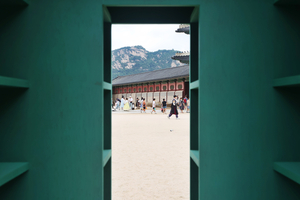
Gyeongbokgung Palace
Korean palaces stand apart for the way their architecture and the natural landscape work in quiet harmony, and Gyeongbokgung is the finest example. Built in 1395 as the official palace of the Joseon Dynasty, it is the largest and most important of Seoul's five grand palaces. This is also where King Sejong the Great oversaw the creation of Hangul, the Korean alphabet. If you time your visit well, you can watch the changing of the royal guard ceremony at Gwanghwamun gate, a colourful reenactment of how Joseon kings were once protected. Wear a hanbok and admission is free.
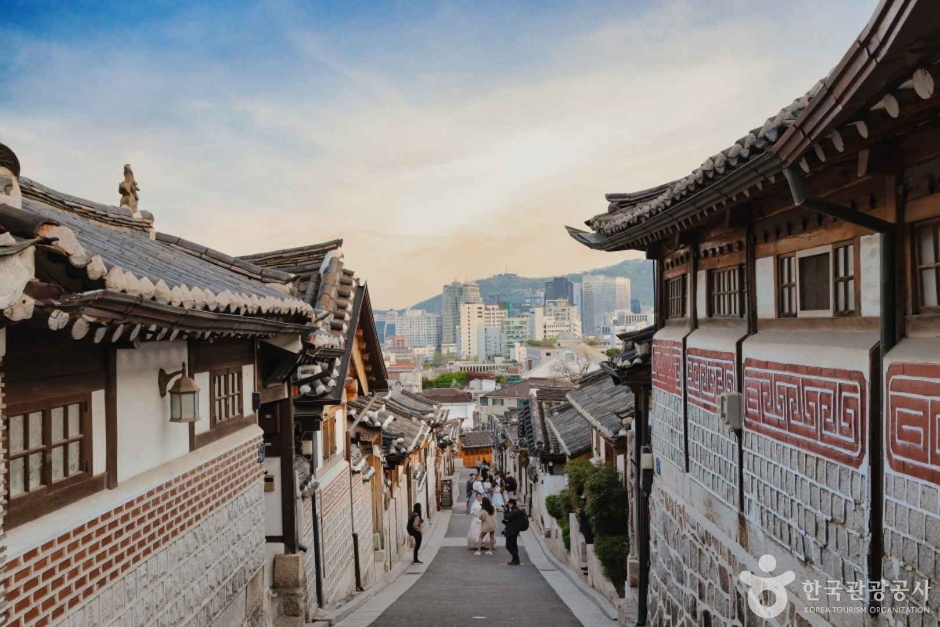
Bukchon Hanok Village
If you have ever wondered what a traditional Korean neighborhood looked like, Bukchon Hanok Village is a must. Tucked between Gyeongbokgung and Changdeokgung Palaces, this living village preserves around 1,500 hanok (traditional Korean houses) and reflects 600 years of Seoul's history. Slip into a teahouse, browse a small gallery, or wander the narrow lanes to feel village life as it existed in the Joseon era. Bukchon is also a residential area, so visit with quiet steps and respect for the locals who still call it home.
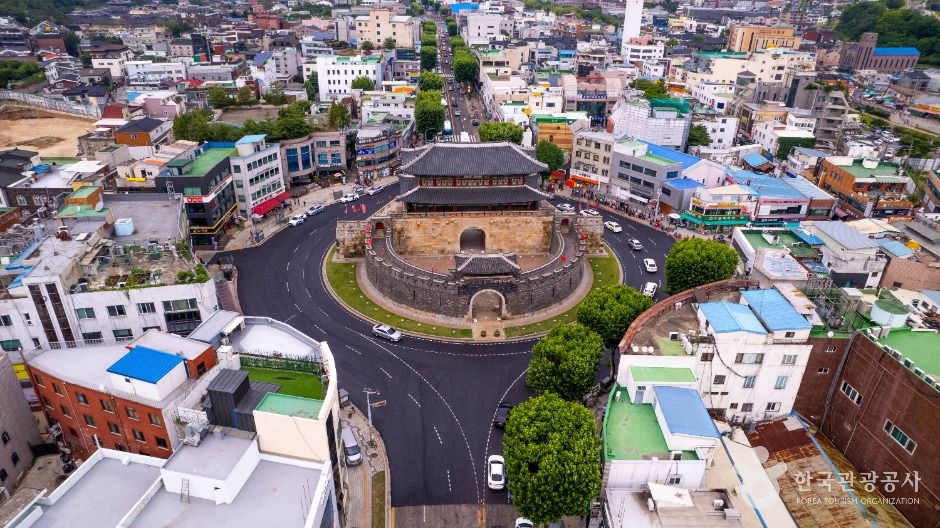
Suwon Hwaseong Fortress
A short trip south of Seoul, Suwon Hwaseong Fortress feels like stepping straight into the Joseon Dynasty. Constructed from 1794 to 1796 under King Jeongjo, this UNESCO World Heritage Site features a 5.7-kilometer fortress wall, four grand gates, and defensive structures that show how the city was protected from invasion. Beyond its military role, the fortress was a statement of royal vision and filial devotion. Walking the ramparts at sunset, with the modern city visible just beyond the walls, is an unforgettable way to feel Korea's past meeting its present.
Gwanghwamun Square
Stretching out in front of Gyeongbokgung Palace, Gwanghwamun Square is a tribute to the figures who shaped Korean history. The square is anchored by a towering statue of King Sejong the Great, the fourth and most revered king of the Joseon Dynasty, alongside Admiral Yi Sun-sin. Around them you can see replicas of King Sejong's inventions and visit the Story of King Sejong exhibition hall hidden underground. Reopened in 2022 with restored landmarks like the Woldae ceremonial stage, Gwanghwamun Square is the perfect starting point for a historical walk through downtown Seoul.

Changdeokgung Palace
Built in 1405, Changdeokgung is the second of Seoul's five royal palaces and the best preserved of them all, which earned it a UNESCO World Heritage listing in 1997. Many visitors come for its main attraction, the Secret Garden (Huwon), a 446,943-square-meter royal garden tucked against Bugaksan Mountain. Reserved for centuries as a quiet retreat for kings, queens, and court officials, the garden features lotus ponds, pavilions, and ancient trees arranged in harmony with the surrounding nature. Access to the Secret Garden is limited to guided tours, so it pays to book in advance.

From the grand halls of Gyeongbokgung to the quiet alleys of Bukchon and the wooded paths of Changdeokgung's Secret Garden, Seoul rewards travelers who slow down and look back. Dress in a hanbok, walk through a 600-year-old fortress, or simply pause beside the statue of King Sejong. Whichever path you choose, the city's layered past is never far from view.
Explore More of Korea with Daebak
Want to bring a little piece of Korea into your life? The Daebak Box is packed with the best Korean snacks, ramen, and cultural goodies delivered monthly to your door.


