


Table of Contents
Walk into any Korean traditional market on a rainy afternoon and you will see kettles of cloudy, milky rice wine being poured into ceramic bowls. The drink might be makgeolli (막걸리) or it might be dongdongju (동동주), and even many Koreans struggle to explain the difference between the two. Both are fermented Korean rice wines, both are cloudy, and both pair famously with jeon (Korean savory pancakes) on a wet day. But they are not the same drink, and the differences matter.
This guide walks through everything worth knowing about makgeolli and dongdongju: what each one is, how they are made, the textural and flavor differences, the broader Korean rice wine family they belong to, and how Koreans actually choose between them.
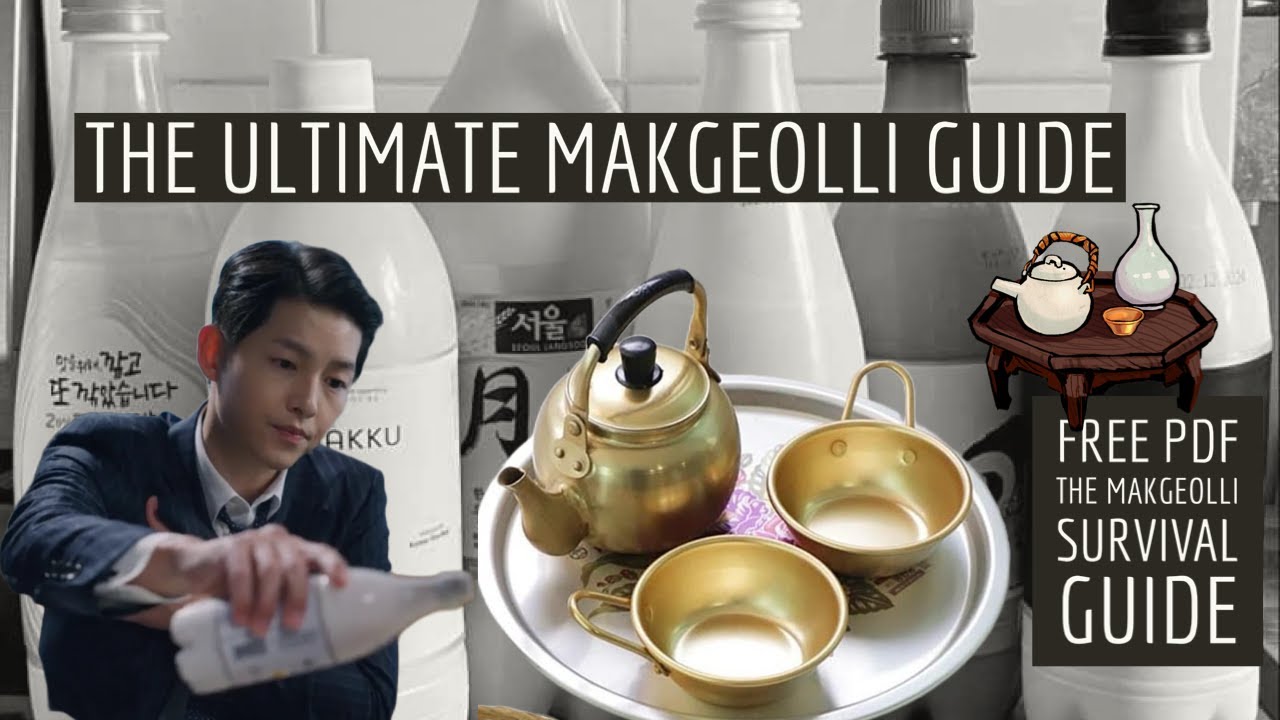
What Is Makgeolli?
Makgeolli is Korea's most famous traditional rice wine. It is made by fermenting steamed rice, nuruk (a Korean fermentation starter made of wheat and natural microorganisms), and water, then straining the result through a fine cloth or sieve. The resulting drink is cloudy white, mildly sweet, slightly tangy, lightly fizzy from natural carbonation, and sits at a comfortable 6 to 8 percent alcohol by volume.
The name makgeolli roughly translates as "freshly poured" or "roughly filtered," which captures both how it is served and how it is made. Korean makgeolli has been brewed in some form for over 1,000 years, dating back at least to the Goryeo dynasty. It was historically the drink of farmers and rural laborers, easy to make at home and forgiving of the rough conditions of village brewing.
What Is Dongdongju?
Dongdongju is essentially makgeolli's older cousin. The name (동동주) means roughly "floating-floating wine," a reference to the small grains of rice that float on top of the finished drink. Where makgeolli is filtered to a smooth, milky liquid, dongdongju is left mostly unfiltered, with visible bits of fermented rice suspended in the wine.

The texture is the most immediate difference. Dongdongju has a noticeably thicker, more porridge-like mouthfeel because of the unstrained rice. The flavor is also typically deeper, with a heavier rice character and a more pronounced fermentation note. Some Koreans describe dongdongju as a more "rustic" version of makgeolli, closer to the original farmhouse style that predates modern brewery production.
How They Are Made
The brewing process for both drinks starts the same way. Steamed glutinous rice is mixed with nuruk and water in a large vessel and left to ferment, traditionally for one to two weeks. During fermentation, the natural enzymes in the nuruk convert the rice starches into sugar, and wild yeasts then convert the sugar into alcohol. The result is a thick, cloudy mash that contains alcohol, residual rice, and live yeast cultures.
At this point, the brewer makes a key choice. For dongdongju, the mash is left mostly unfiltered, with just the largest rice solids removed. For makgeolli, the liquid is strained more aggressively through fine cloth to create a smoother, more uniformly cloudy drink. The clearest version, cheongju (청주), is filtered all the way to transparency and aged longer, making it Korea's equivalent of clear sake.
The Korean Rice Wine Family
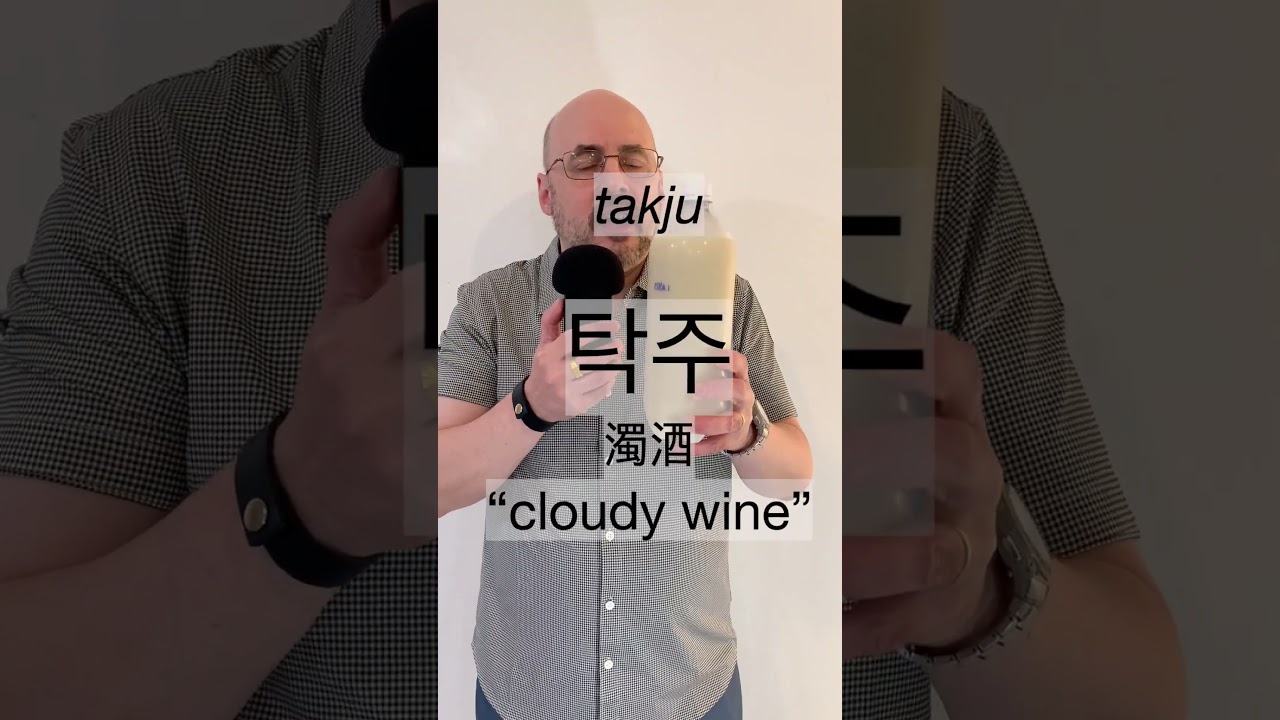
Both makgeolli and dongdongju belong to a broader family of Korean rice wines called takju (탁주, "cloudy wine") and cheongju (청주, "clear wine"). Within this family, the lineup typically includes:
Dongdongju: Unfiltered, with visible rice grains, the thickest and most rustic version. Makgeolli: Lightly filtered, milky-cloudy, the most common and widely sold. Yakju (약주): Further filtered and clearer, often slightly higher alcohol. Cheongju: Fully clarified, transparent, the most refined and traditionally most expensive. The progression from dongdongju to cheongju represents centuries of Korean brewing refinement, and high-end Korean restaurants now serve all four versions on the same menu.
The Famous Makgeolli and Pajeon Pairing
Both makgeolli and dongdongju share Korea's most beloved drinking pairing: jeon, particularly pajeon (scallion pancake) on a rainy day. The Korean saying "비 오는 날엔 파전에 막걸리" ("on a rainy day, pajeon with makgeolli") is so universal that Korean delivery services see noticeable spikes in pajeon and makgeolli orders during summer monsoon afternoons.

The cultural origin of the pairing is debated, but the most common explanation is acoustic: the sound of rain hitting Korean roofs traditionally evoked the sizzle of pajeon frying in oil. Whatever the source, the pairing works on flavor terms too. The greasy, savory crunch of the pancake balances the slightly sweet, fizzy lightness of the rice wine. Korean cocktail bars and modern Korean restaurants both treat the pairing as essentially mandatory.
Choosing Between Makgeolli and Dongdongju
For most everyday drinking, makgeolli is the easier choice. It is widely available at any Korean convenience store, comes in chilled green or white plastic bottles, and is consistent in flavor. The dominant commercial brands include Jangsu, Kook Soon Dang, and Jipyeong Saengmakgeolli, all of which are reliable starting points.
Dongdongju is harder to find, especially outside Korea. The best places to try it are traditional Korean restaurants in older neighborhoods like Insadong or Bukchon, traditional markets like Gwangjang or Tongin, and specialty makgeolli bars (makgeolli sool-jip) that serve farmhouse-style rice wines. For visitors to Korea, ordering dongdongju with a fried Korean BBQ meal or jeon at a hanok-style restaurant is a memorable cultural experience.
Where to Buy Korean Rice Wine Outside Korea
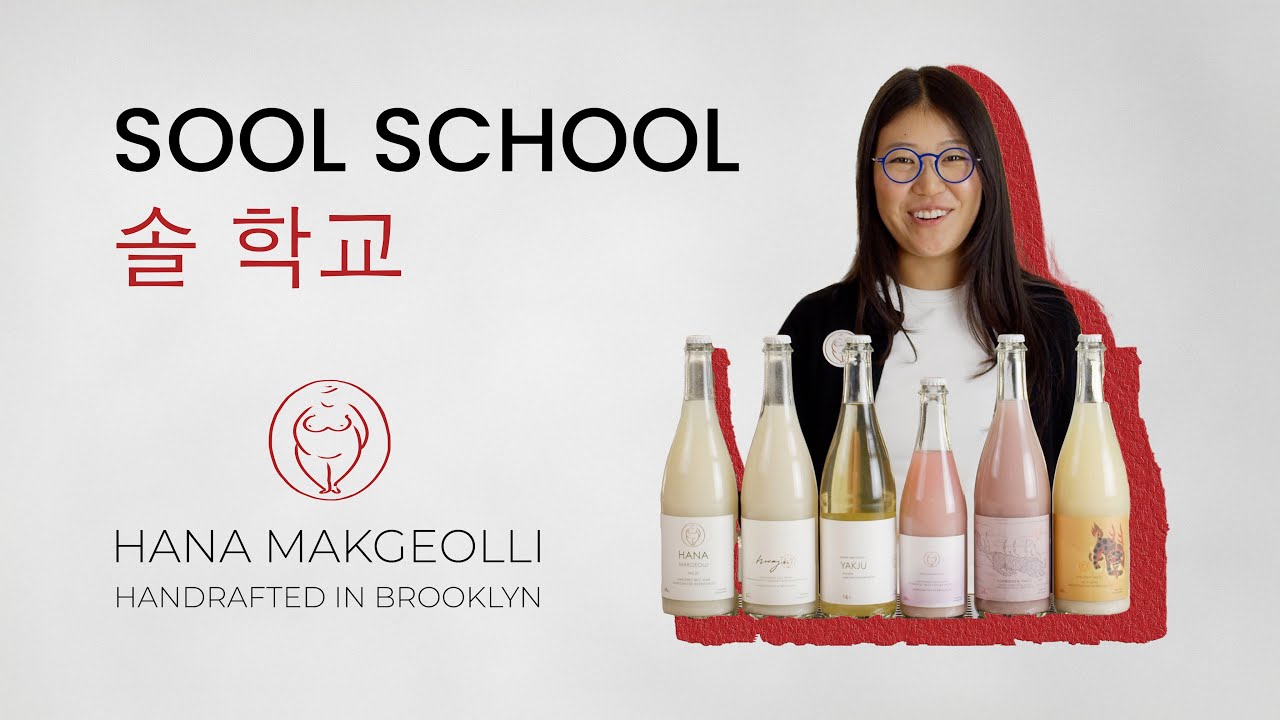
Bottled makgeolli is now widely sold at H Mart, 99 Ranch, Weee, Total Wine, and most Asian liquor stores in the US, Canada, and Europe. The most common brands abroad are Kook Soon Dang Makgeolli, Jangsu Makgeolli, and the emerging premium brand Hana Makgeolli, which is brewed in Brooklyn, New York by a Korean-American couple.
Dongdongju is significantly harder to find abroad. A few specialty Korean grocery stores in major Koreatowns carry imported bottles, but the very short shelf life of unfiltered rice wine makes international distribution difficult. For an authentic dongdongju experience, the safer bet is to either visit Korea or try a homemade version with traditional nuruk and a four-day fermentation.
Explore Korean Snacks with Daebak
Love Korean food? Get authentic Korean snacks and ramen delivered straight to your door with the SnackFever Box by Daebak.


