


Table of Contents
Japchae (잡채) is one of Korea’s most beloved dishes: a colorful stir-fry of glass noodles, vegetables, and sometimes beef, seasoned with soy sauce, sesame oil, and a touch of sugar. Silky, savory, and subtly sweet, japchae has graced Korean dining tables for centuries and remains a fixture at celebrations, holidays, and everyday meals alike.
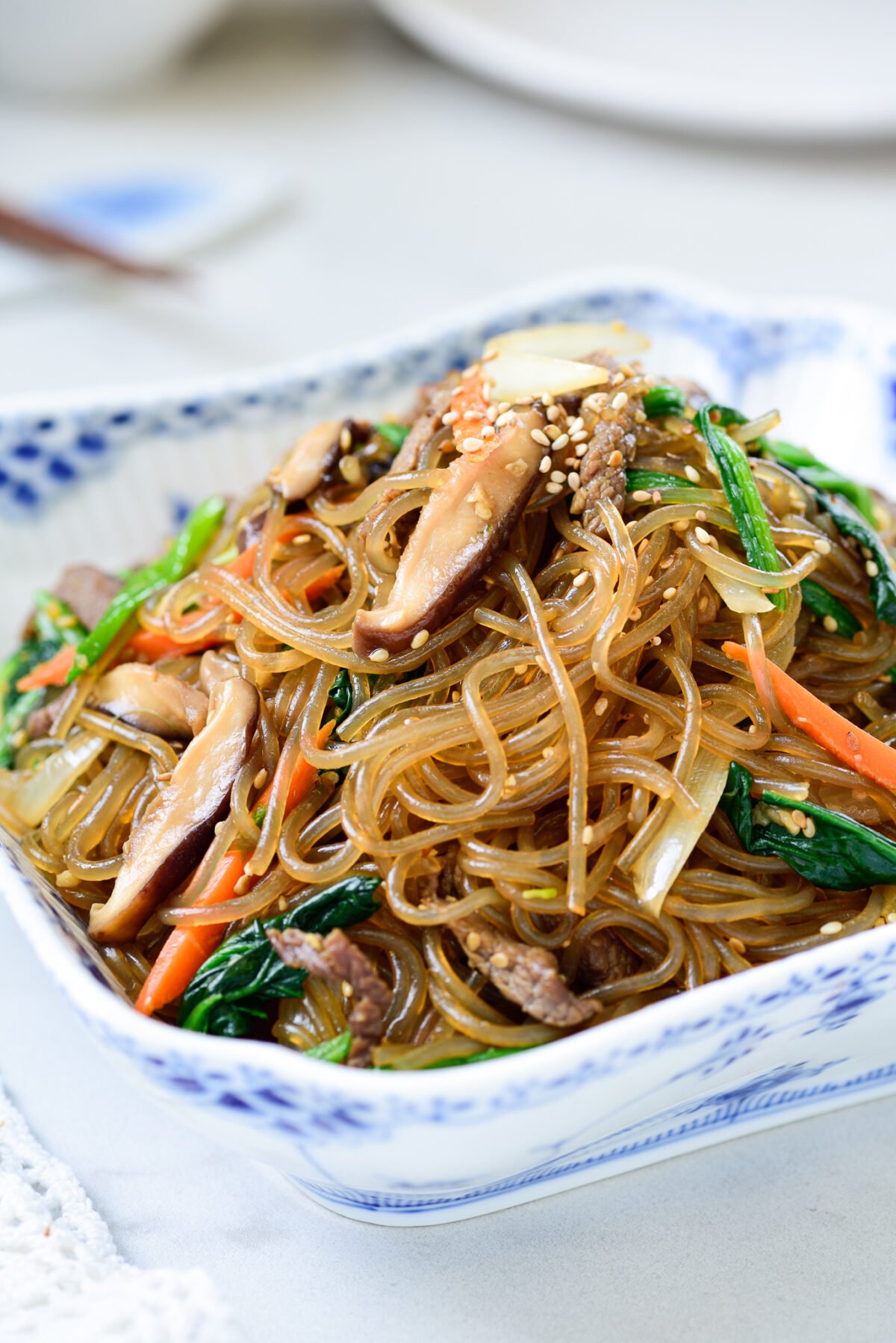
What Are Glass Noodles?
The star of japchae is dangmyeon (당면), Korean glass noodles made from sweet potato starch. These translucent noodles have a uniquely springy, chewy texture that’s quite different from wheat noodles or rice noodles. When cooked, they become glossy and slightly gelatinous, absorbing the flavors of whatever sauce they’re cooked in while maintaining their satisfying bounce.
Glass noodles are naturally gluten-free and have a lower glycemic index than wheat pasta, which has made them increasingly popular beyond Korean cooking. But in japchae, it’s all about the texture. The way dangmyeon holds its shape and carries sesame oil makes it unlike any other noodle dish in the world.
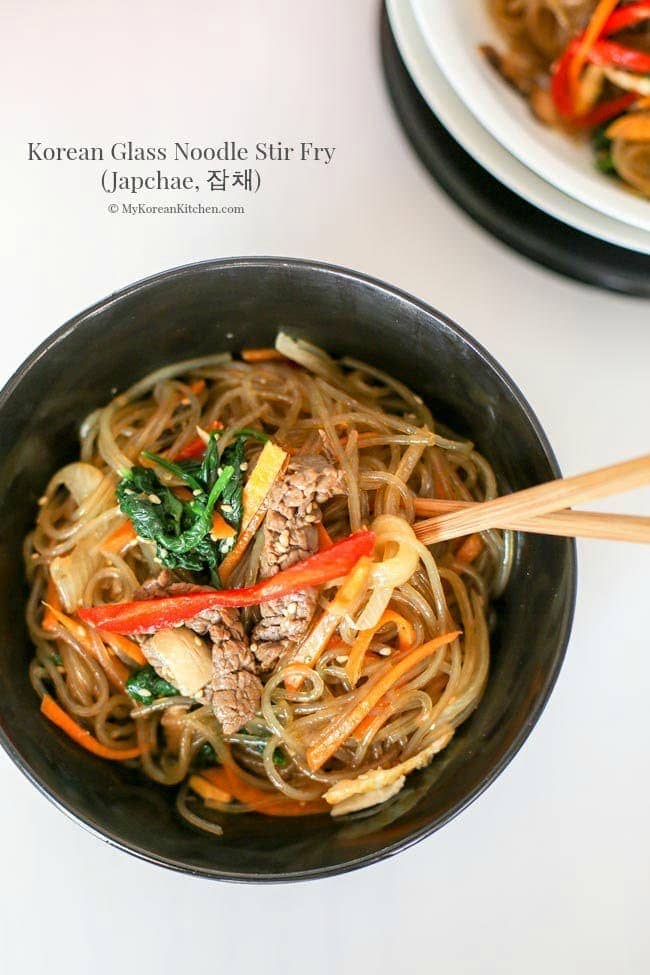
A Royal Dish with Ancient Roots
Japchae has a surprisingly royal origin story. The dish was reportedly created in the early 17th century during the reign of King Gwanghaegun of Joseon. Court official Yi Chung served the king a dish of stir-fried vegetables, and the king was so delighted that he promoted the official and requested the dish be served regularly. In its original form, japchae contained no noodles at all. The name literally means "mixed vegetables" (잡 = mixed, 채 = vegetables), and the glass noodles were only incorporated later, sometime after sweet potato starch noodles became widely available in the 19th century.
Today, japchae is synonymous with celebrations. It’s a must-have at Korean birthdays (especially doljanchi, first birthday feasts), Chuseok (harvest festival), Seollal (Lunar New Year), and wedding banquets. Its colorful appearance, with jewel-toned vegetables against the glossy noodles, makes it as visually striking as it is delicious.
The Vegetable Rainbow
One of the things that makes japchae so beautiful is the array of vegetables that go into it. Each component is cooked separately to preserve its individual color, texture, and flavor before being combined. Traditional japchae typically includes spinach (blanched and seasoned), julienned carrots (stir-fried), sliced shiitake mushrooms (marinated and cooked), thinly sliced onions, and julienned bell peppers. Thin strips of beef or pork are also commonly added, marinated in soy sauce, garlic, and sesame oil.
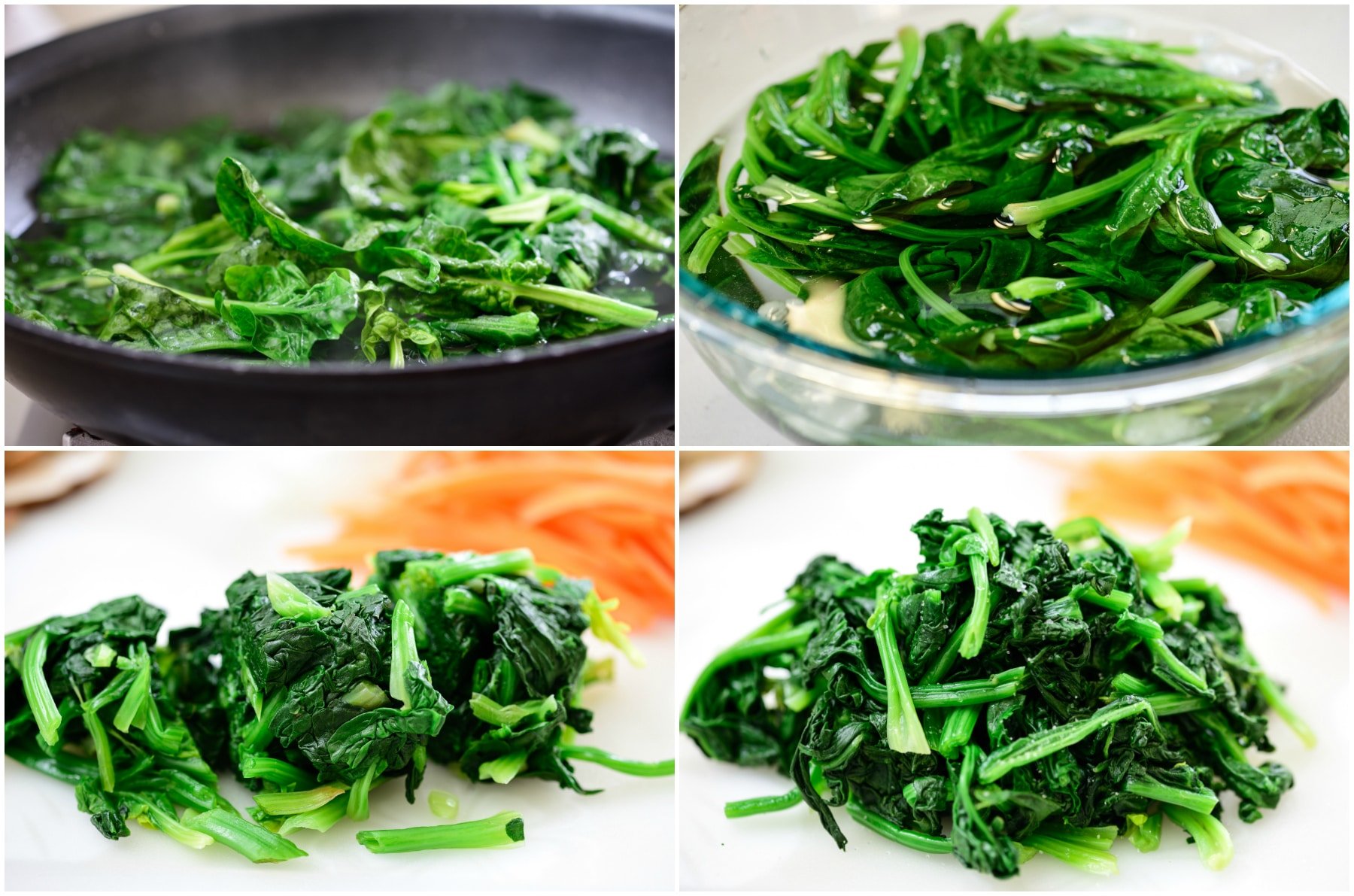
The technique of cooking each ingredient separately is essential to authentic japchae. Unlike a simple stir-fry where everything goes into the wok together, japchae requires patience. Each vegetable needs its own moment in the pan. The result is a dish where every element retains its character: the spinach stays tender but not mushy, the carrots have a slight crunch, the mushrooms are deeply savory, and the noodles bring everything together with their silky embrace.
How to Make Japchae at Home
Making japchae at home is a labor of love, but the process is straightforward once you understand the structure. Start by soaking the dangmyeon in warm water for about 30 minutes, then cook them in boiling water until just tender. Season the cooked noodles immediately with soy sauce and sesame oil while they’re still warm. This is the key to properly flavored noodles. Then cook each vegetable component separately, season them lightly, and finally toss everything together in a large bowl or wok over medium heat.
The seasoning balance is critical: soy sauce provides the savory foundation, sesame oil adds fragrance and richness, and a small amount of sugar (or honey) gives japchae its characteristic subtle sweetness. Some cooks add a splash of oyster sauce for depth. The final dish should glisten, with every strand of noodle and every vegetable coated in that golden, fragrant sauce.
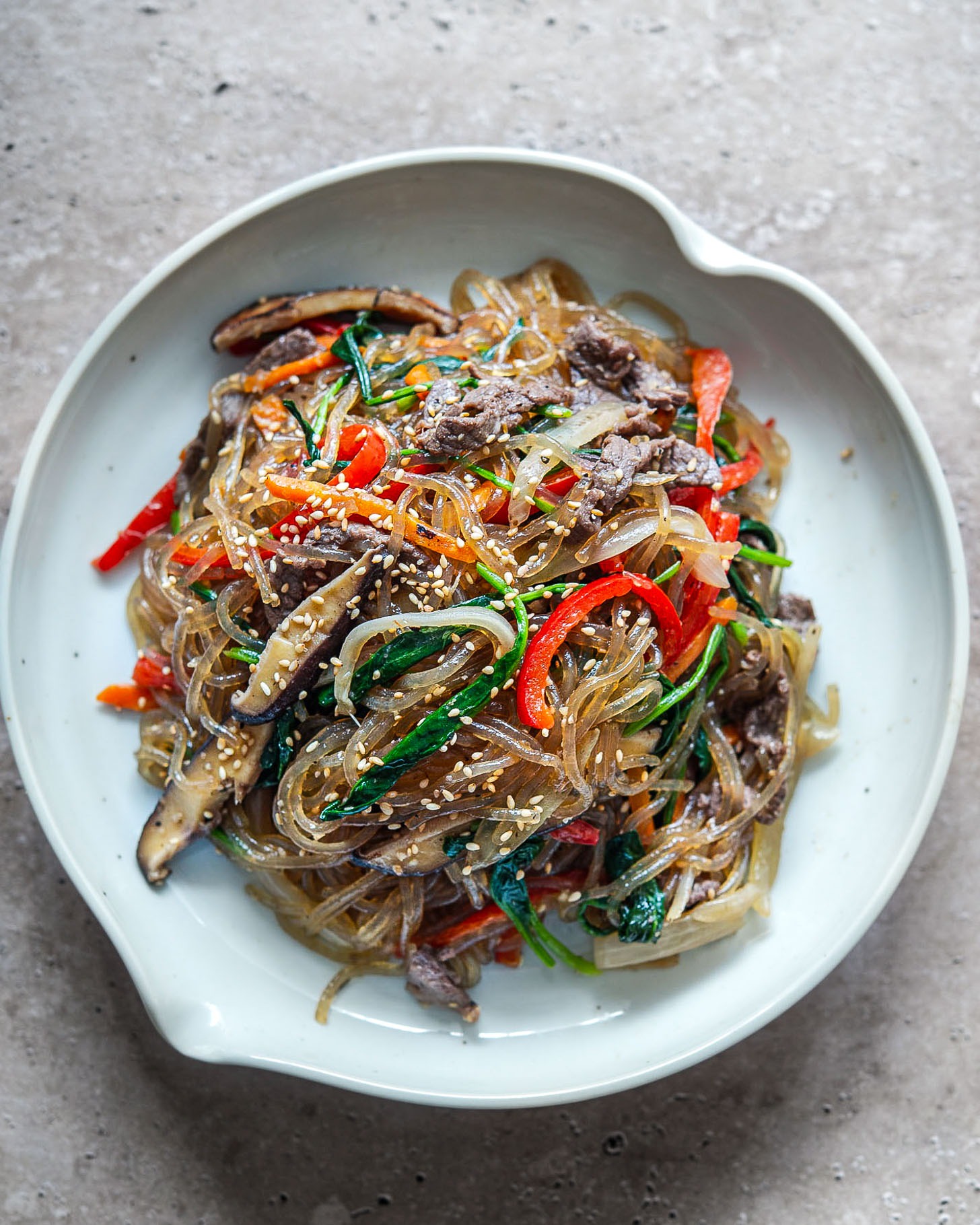
Japchae Beyond Celebrations
While japchae remains a celebratory dish at heart, it has found its way onto everyday Korean tables and into the global food consciousness. Korean restaurants worldwide list it as a staple, and home cooks outside Korea have embraced it for its versatility. Japchae can be made vegetarian or vegan simply by omitting the meat, and it works as a main dish, a side dish (banchan), or even a room-temperature salad. It reheats beautifully with a splash of water and a quick toss in a hot pan, making it ideal for meal prep. Once you’ve made japchae from scratch, you’ll understand why Koreans have been serving it at their most important gatherings for four hundred years.
Explore Korean Snacks with Daebak
Love Korean food? Get authentic Korean snacks and ramen delivered straight to your door with the SnackFever Box by Daebak.


