


Table of Contents
K-drama romance has its own visual grammar, a set of instantly recognizable plot devices that fans around the world can spot within seconds. A sudden wrist grab in a crowded street, a back hug under fluorescent office lights, a confession whispered in the falling snow: these moments are not just clichés, they are the emotional currency of Korean romance storytelling. From the chaebol heir to the childhood friend who never said anything, every trope carries a specific feeling that K-drama writers have refined into an art form.
This guide breaks down the most iconic K-drama romance tropes, the dramas that made them legendary, the writers who mastered them, and where you should start if you want to fall in love with the genre.

Enemies to Lovers: A Business Proposal
The enemies-to-lovers trope thrives on tension, the kind that makes two characters argue across a conference table before they ever hold hands. In A Business Proposal (2022), food researcher Shin Ha-ri shows up to a blind date pretending to be her chaebol friend and ends up face to face with her CEO, Kang Tae-moo. Their mutual irritation slowly thaws into a fake-dating contract, then into a real romance built on grocery runs and grandparent-approved Sokcho trips. The drama works because it leans into the trope with full self-awareness, turning every classic beat into a wink at the audience.
Forced Cohabitation: Personal Taste
Few K-drama setups create faster intimacy than two people sharing a roof against their will. Personal Taste (2010), starring Son Ye-jin and Lee Min-ho, places an architect into a traditional hanok with a woman who believes he is gay, leading to bathroom collisions, late-night soju, and accidental tenderness. The forced cohabitation trope works because it strips away social armor and lets characters witness each other's smallest, truest moments, the way someone makes ramyeon at 2 a.m. or sulks after a bad day.
Fake Dating: Touch Your Heart
Fake dating is the K-drama trope that promises a contract and delivers genuine feelings. Touch Your Heart (2019) follows a scandal-ridden actress who takes a job as a secretary to a strait-laced lawyer to research a role, only to find herself catching feelings between filing briefs. The structure is reliable: a deal, a slow erosion of pretense, a moment when the agreement is no longer enough. Pretending to date in K-drama almost always reveals what the characters wanted to feel all along.
Amnesia and Memory Loss: Stairway to Heaven
The amnesia trope is melodrama at its purest. Stairway to Heaven (2003) crystallized it: a childhood love, a tragic accident, a heroine who forgets the man who shaped her entire emotional life. Memory loss in K-drama is rarely just a plot device. It becomes a way to ask whether love survives without recognition, whether the body remembers even when the mind forgets. Generations of viewers have cried through this trope in dramas like Winter Sonata and Snow Queen.
Age Gap Boss and Secretary: What's Wrong with Secretary Kim
The boss and secretary dynamic gives K-drama writers a built-in power gap to play with. What's Wrong with Secretary Kim (2018), starring Park Seo-joon and Park Min-young, takes a vain corporate vice-chairman and the secretary who knows him better than he knows himself. When she suddenly resigns after nine years, he discovers feelings he never named. The trope works because the workplace setting allows constant proximity without obvious romance, until one quiet evening when it can no longer be ignored.
Childhood Friend Reunion: Reply 1988
If enemies-to-lovers thrives on conflict, the childhood friend reunion thrives on history. Reply 1988 (2015) turned five Ssangmun-dong neighbors into a national obsession, with viewers debating for months which of Deok-seon's friends would become her husband. The childhood friend trope hits hard because the love is already there, woven into shared meals, shared homework, and shared grief. The romance is not about discovery, it is about recognition.
.jpg)
Chaebol and Common Girl: Boys Over Flowers
The chaebol-and-common-girl trope is K-drama's Cinderella. Boys Over Flowers (2009) launched Lee Min-ho into global stardom as Gu Jun-pyo, the curly-haired heir who terrorizes a working-class transfer student before falling for her resilience. The trope is more than wealth fantasy. It is a class drama in costume, asking what love looks like when one person can buy entire restaurants and the other counts coins for the subway. The genre keeps revisiting it because the stakes are always real.
The Signature Physical Tropes
Beyond the major story patterns, K-drama runs on a vocabulary of physical gestures. The wrist grab, often debated for its consent politics, is the trope where a sudden pull communicates jealousy or protection without a word. The back hug telegraphs vulnerability, a confession without eye contact. The piggyback ride, usually following soju, lets a strong silent type carry both the drunk heroine and his unspoken feelings home. The drunken confession says what sobriety cannot, and the next morning becomes either denial or romance.
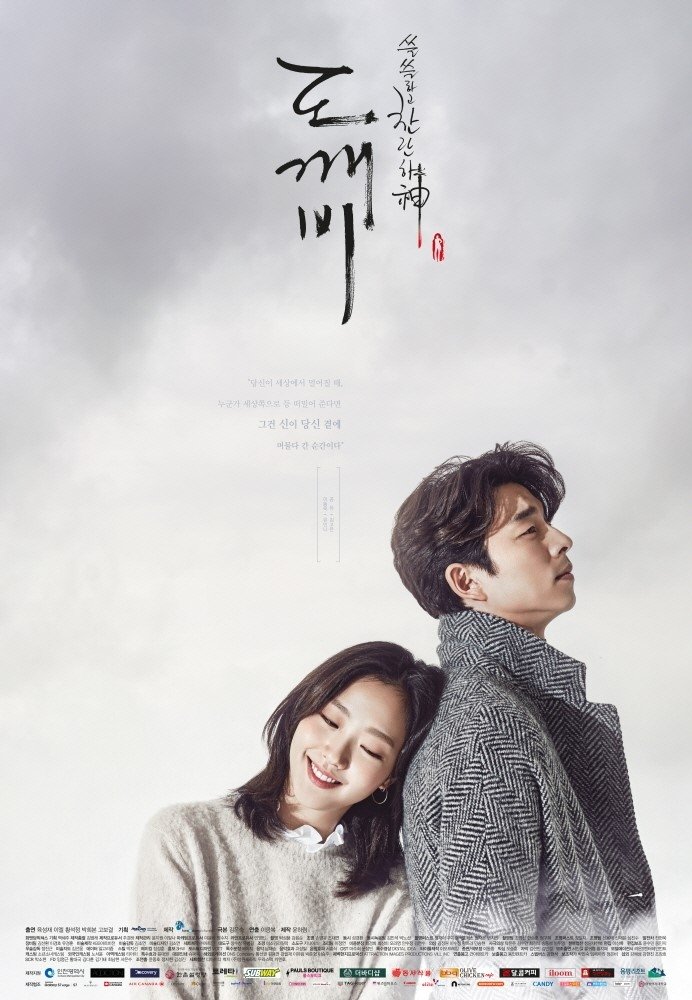
The umbrella in the rain is borrowed from melodrama tradition but reinvented every year, two people pressed together as the city blurs around them. The white knit beanie crying scene, popularized by Cheonsa actress Choi Kang-hee and countless idol-actresses since, packages heartbreak into a single iconic frame. And the snow first kiss, eternalized by Goblin's Gong Yoo and Kim Go-eun standing in a flurry of buckwheat petals, has become so symbolic that international fans now associate Korean winter with romance itself.
How K-Dramas Subvert Their Own Tropes
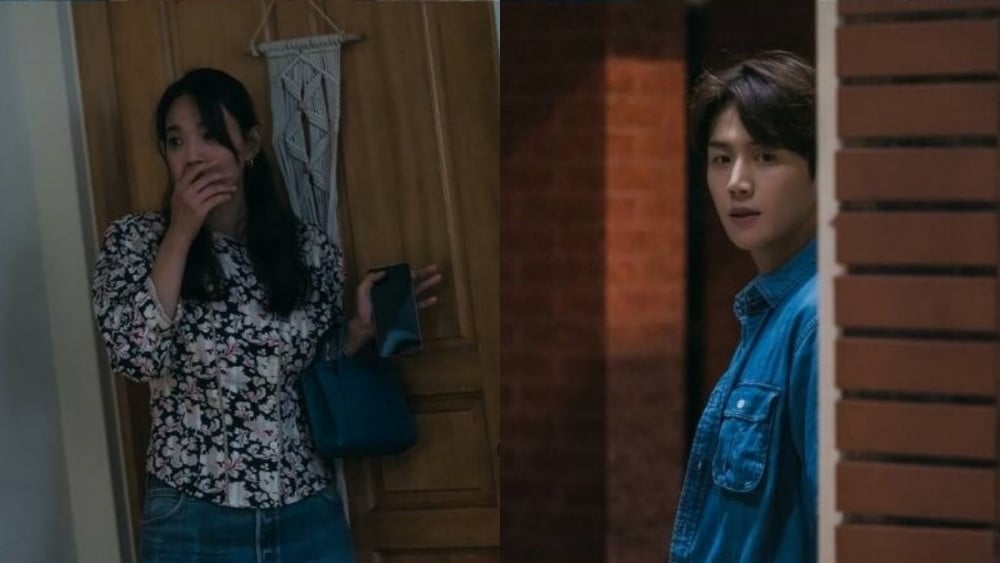
The best K-dramas know the rules well enough to break them. My Mister (2018) refuses every neat romantic gesture, building an unlikely bond between a middle-aged engineer and a young woman through quiet meals and shared silence, never collapsing into conventional romance. Hometown Cha-Cha-Cha (2021) takes the chaebol-and-common-girl formula and inverts it: the Seoul-bred dentist meets a small-town handyman who is rich in time and care rather than money. These subversions matter because they show K-drama writers thinking critically about the tropes that built the industry.
The Writers Who Mastered the Tropes
Kim Eun-sook is the most decorated romance writer in modern K-drama, with Lovers in Paris, Secret Garden, Descendants of the Sun, Goblin, Mr. Sunshine, and The Glory on her resume. Her trademark is glossy banter combined with epic emotional stakes. The Hong Sisters, Hong Jung-eun and Hong Mi-ran, built their reputation on witty fantasy romance through My Girlfriend Is a Gumiho, Master's Sun, and Hotel del Luna, layering supernatural twists onto classic tropes. Park Ji-eun, who wrote My Love from the Star and Crash Landing on You, turned high-concept premises into cultural events.
Starter K-Dramas for Trope Lovers
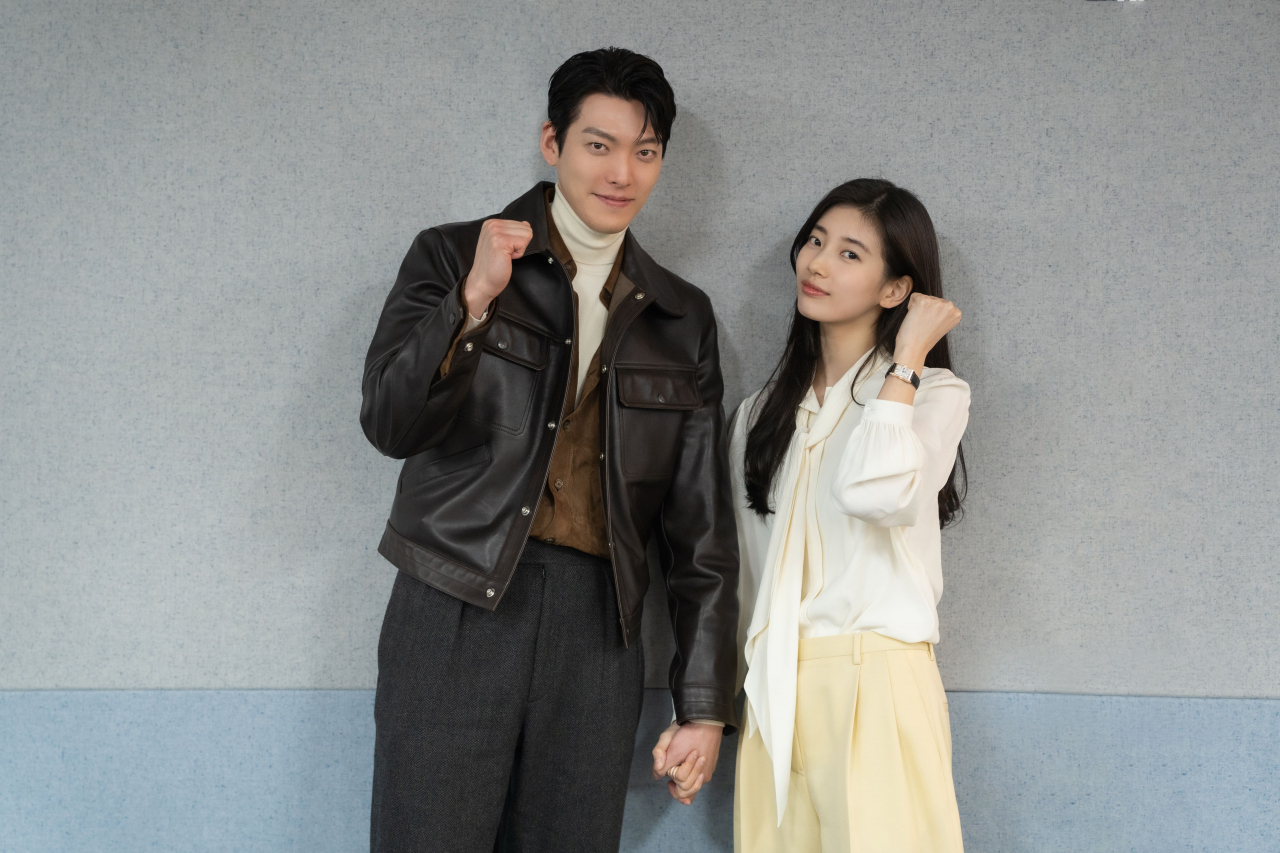
For viewers new to Korean romance, a tightly curated starter list helps. A Business Proposal is the perfect introduction, a love letter to every trope packed into 12 quick episodes. Goblin combines fantasy with the snow first kiss and aging-immortal angst that defines Kim Eun-sook's work. Crash Landing on You delivers cross-border romance, fake cohabitation, and Hyun Bin in uniform. What's Wrong with Secretary Kim handles the boss-secretary trope with charm to spare. Reply 1988 is the slow-burn childhood friend ode that has converted countless skeptics into K-drama fans for life.
Why These Tropes Travel
K-drama romance tropes resonate globally because they treat emotion as the main plot. Where Hollywood often resolves romance in a montage, K-drama lingers, devoting whole episodes to the ache of a missed phone call or a returned umbrella. The tropes are familiar enough to feel comforting, yet executed with such craft that each new drama feels like the first time. Whether it is a wrist grab or a snow kiss, the goal is the same: to slow time down until the feeling becomes unforgettable.
Explore More of Korea with Daebak
Want to bring a little piece of Korea into your life? The Daebak Box is packed with the best Korean snacks, ramen, and cultural goodies delivered monthly to your door.


