


Table of Contents
If you have ever visited South Korea and walked into a GS25, CU, or 7-Eleven at any hour of the day or night, you already understand that Korean convenience stores are not like other convenience stores. They are part dining room, part community gathering space, part snack museum, and part midnight kitchen. For many Koreans, especially students and young workers living in cities, they are also a primary source of daily meals. Korean convenience store food is not an afterthought. It is a culture.
Want to taste it at home? Browse our Korean snacks collection or try the SnackFever Box.
The Korean Convenience Store Landscape
South Korea has over 50,000 convenience stores serving a population of 51 million, giving it one of the highest convenience store densities in the world. The three major chains are GS25, CU (formerly FamilyMart), and 7-Eleven Korea, with a smaller presence from Ministop and Emart24. Each chain competes fiercely on food quality and menu innovation, releasing new products every few weeks and collaborating with pop culture brands, chefs, and media properties to attract customers.
The competition has driven extraordinary innovation. Korean convenience stores offer a range of ready-to-eat meals, fresh desserts, premium sandwiches, specialty coffee, and carefully curated snacks that would be at home in a sit-down cafe in most other countries. The hot food section, the refrigerated meal section, and the ramyeon station (where you can prepare instant noodles on the spot) represent three entirely different dining experiences available in the same tiny shop.
The Hot Food Counter
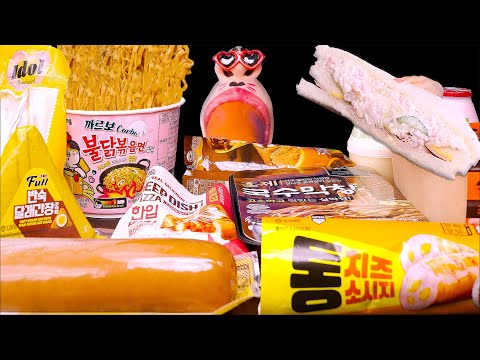
Every Korean convenience store has a heated display case near the register offering a rotating selection of hot ready-to-eat items. The staples are odeng (fish cake skewers in broth), steamed buns (jjinppang) filled with red bean or cream, corn dogs, sausages, and fried chicken pieces. These are inexpensive, satisfying, and available around the clock.
Fish cake skewers in particular are a convenience store institution. A long wooden skewer threaded through folded fish cake slices, simmered in light broth, priced at a few hundred won each: simple, warm, and deeply satisfying. Convenience stores keep the broth warm in a dedicated container, and many stores offer paper cups of the broth for free alongside purchased skewers, continuing the pojangmacha tradition in a modern setting.
Convenience store fried chicken has become a significant business in its own right. Some Korean convenience stores now feature branded fried chicken prepared to order or held hot, including specific flavor variations unique to each chain. The quality gap between convenience store chicken and standalone fried chicken restaurants has narrowed considerably over the past decade.
Ramyeon at the Convenience Store
Korean convenience stores provide everything needed to prepare and eat instant noodles on-site: a hot water dispensing machine, small aluminum pots or microwave-safe containers, chopsticks, and dedicated seating areas (often upstairs or in a small annex). The process is deeply ritualistic for many Koreans. Select your ramyeon from a shelf of dozens of options, fill the pot with hot water, add the flavor packet, wait three minutes, and eat at the counter while watching the city go by outside.
Most convenience stores also stock a selection of add-in ingredients: processed cheese slices, eggs (boiled eggs sold individually), sliced spam, and kimchi are common additions that Koreans incorporate into their convenience store ramyeon to elevate the meal. The "convenience store chef" aesthetic, where people customize their instant noodles and document the results on social media, has become a recognizable element of Korean food culture online.
Kimbap and Onigiri
Convenience store kimbap is a staple of Korean daily life. These small, tightly rolled rice and seaweed cylinders come in individually wrapped portions, refrigerated and ready to eat. Fillings vary from classic tuna mayo and kimchi to more premium options like bulgogi, shrimp tempura, and cream cheese with vegetables. They are filling, portable, inexpensive, and significantly better than their unassuming packaging suggests.
Japanese-style onigiri (triangular rice balls) are also widely available, adapted with Korean flavors like spicy tuna and kimchi. The crossover between Japanese and Korean convenience store food culture has been one of the more interesting developments of the past decade, with each country's chains borrowing ideas from the other while maintaining distinct national identities.
Premium Ready-to-Eat Meals
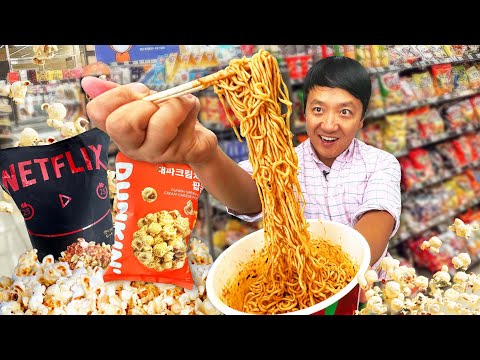
Korean convenience stores have invested heavily in refrigerated meal sections offering microwaveable dishes that rival home cooking in quality. Dosirak (lunch boxes) filled with rice, assorted banchan, and a main protein (grilled chicken, braised tofu, or spicy pork) are a lunchtime staple for office workers. Bibimbap cups, seolleongtang (ox bone soup) pouches, and even premium galbi-tang (short rib soup) now appear regularly on convenience store shelves.
The collaboration between convenience store chains and celebrity chefs began in earnest around 2015 and has produced some genuinely impressive results. CU's partnerships with popular Korean cooking personalities have resulted in limited-edition meals that sold out within days and generated significant media coverage. The premium convenience store meal segment represents a real evolution in Korean food retail.
Sandwiches and Baked Goods
Korean convenience store sandwiches deserve special attention. Unlike the sad, pale sandwiches found in many Western convenience stores, Korean versions are soft, well-filled, and carefully designed. The most popular styles include club sandwiches with layers of ham, egg, and vegetables; egg mayo on fluffy white bread; and sweet-leaning combinations like strawberry cream cheese on shokupan (Japanese-style milk bread).
Freshly baked pastries, croissants, cream buns, and specialty breads from in-store bakeries (or daily deliveries from contracted bakeries) are increasingly available at larger Korean convenience stores. GS25's "Gourmet 494" line of premium baked goods became a breakout hit, with items selling out by mid-morning on weekdays. The competition for the best convenience store bread has become surprisingly fierce among Korean food enthusiasts.
Drinks
Korean convenience store drinks represent their own extensive ecosystem. Fresh-brewed coffee from automated machines at every chain (typically branded by the chain itself) is affordable and surprisingly good, driving a significant decline in standalone coffee shop visits for quick morning coffees. Convenience store "cafe" sections at larger stores offer lattes, cold brews, and seasonal drinks at roughly half the price of independent cafes.
The refrigerated drinks section is a deep catalog of Korean-specific beverages: barley tea (boricha), corn silk tea (oksusu cha), banana milk, coffee milk, aloe vera juice, and scores of functional health drinks targeting immunity, digestion, and energy. Korean convenience stores stock significantly more non-carbonated, non-alcoholic drink options than their Western equivalents, reflecting Korean preferences for lower-sugar, functional beverages.
The Best Korean Convenience Store Snacks
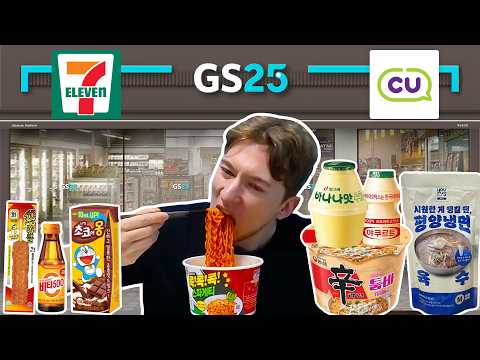
The snack wall of a Korean convenience store is where the magic really concentrates. Honey butter chips (one of the most legendary Korean snack launches in history), various flavors of Crunky chocolate, Pepero sticks, Choco Pie, Binggrae banana milk, and dozens of chip varieties fill the shelves. New limited editions appear constantly, often tied to K-pop group collaborations, seasonal flavors, or cultural moments.
Korean convenience stores are also one of the best places to find food items trending on social media before they reach other retail channels. The combination of rapid product development cycles, tight feedback loops from social media monitoring, and short product shelf lives means convenience stores act as a real-time laboratory for Korean food trends. If a new flavor is going viral on TikTok or Instagram, it will likely appear in a convenience store near you in Korea within weeks.
The Combo Culture
Korean convenience stores promote specific food and drink pairings that have become cultural rituals: chimaek (fried chicken plus beer), ramen plus triangle kimbap, coffee plus a soft baked bread. Many chains offer meal bundles that discount the classic pairings, reinforcing the cultural habits while offering value. These combos are marketed actively on social media and through in-store signage, building a shared language around what goes with what.
After-midnight convenience store runs are a specific social ritual among Korean young people. After late-night studying, a night out, or simply a long day, the convenience store serves as a gathering point: you pick up ramyeon, odeng, some chicken, split a few snacks, and sit together at the plastic chairs outside (or the tables inside) eating and talking. It is a deeply affordable form of social life that is genuinely warm and communal.
Experience the Best Korean Snacks at Home
You do not need to find a Korean convenience store near you to explore the snacks that make Korean mart culture so compelling. The SnackFever Box delivers a curated seasonal selection of authentic Korean snacks, including many of the most beloved convenience store staples, directly to your door.
Final Thoughts
Korean convenience stores represent a model of what the format can be when it is taken seriously as a food destination rather than an emergency supply stop. The quality, variety, and cultural richness of food available at a 24-hour Korean convenience store is genuinely impressive, and understanding it is a window into how Koreans eat, socialize, and experience daily life. Next time you are in Korea, skip one sit-down meal and spend that time exploring a GS25 or CU. You will not be disappointed.


