


Table of Contents
Korea is one of the most mountainous countries in Asia, with peaks covering roughly 70 percent of the land. That geography has shaped daily life. According to surveys cited by Korean media and outdoor brands, around seven in ten Koreans say they hike at least occasionally, and mountains sit inside or just outside almost every major city. The result is a distinct culture of urban trekking, color-saturated gear, summit ramyeon, and rice wine on the way down.
Why Koreans Hike: A National Pastime
Hiking in Korea is less an extreme sport than a weekly social ritual. Subway lines deliver hikers to trailheads inside Seoul, Busan, and Daegu in under an hour. The Korea National Park Service operates 22 national parks, almost all of them mountain parks, and the agency reports tens of millions of annual visits. Middle-aged hikers, the ajumma and ajusshi who dominate weekend trails, treat the mountain as a place for fitness, fresh air, and shared meals. Younger Koreans have joined them in growing numbers since the pandemic, fueling a wave the press now calls "K-hiking."
Bukhansan: Seoul's Backyard Fortress
Bukhansan National Park sits on the northern edge of Seoul and is regularly described as one of the most-visited national parks per square kilometer in the world. Its three signature peaks are Baegundae at 836.5 meters, Insubong at 810.5 meters, and Mangyeongdae at 799.5 meters. The Bukhansanseong fortress wall, first built in 132 AD and rebuilt in 1711, runs 9.5 kilometers across the ridgeline and remains a popular route for hikers who want history with their views. From Seoul City Hall, most trailheads are reachable in 40 to 60 minutes by subway and bus, which makes Bukhansan a true Saturday-morning mountain.
Seoraksan: The Autumn Foliage Capital
Seoraksan, in Gangwon Province, was designated Korea's fifth national park in 1970 and named a UNESCO Biosphere Reserve in 1982. Its highest peak, Daecheongbong, rises to 1,708 meters and is the centerpiece of an autumn pilgrimage that draws hikers from across the country every October. The Korea Meteorological Administration tracks foliage onset each year, with peak color usually arriving in the third or fourth week of October. Sinheungsa Temple, a short walk from the main entrance, anchors the lower part of the park with its 14.6-meter bronze Unification Great Buddha.
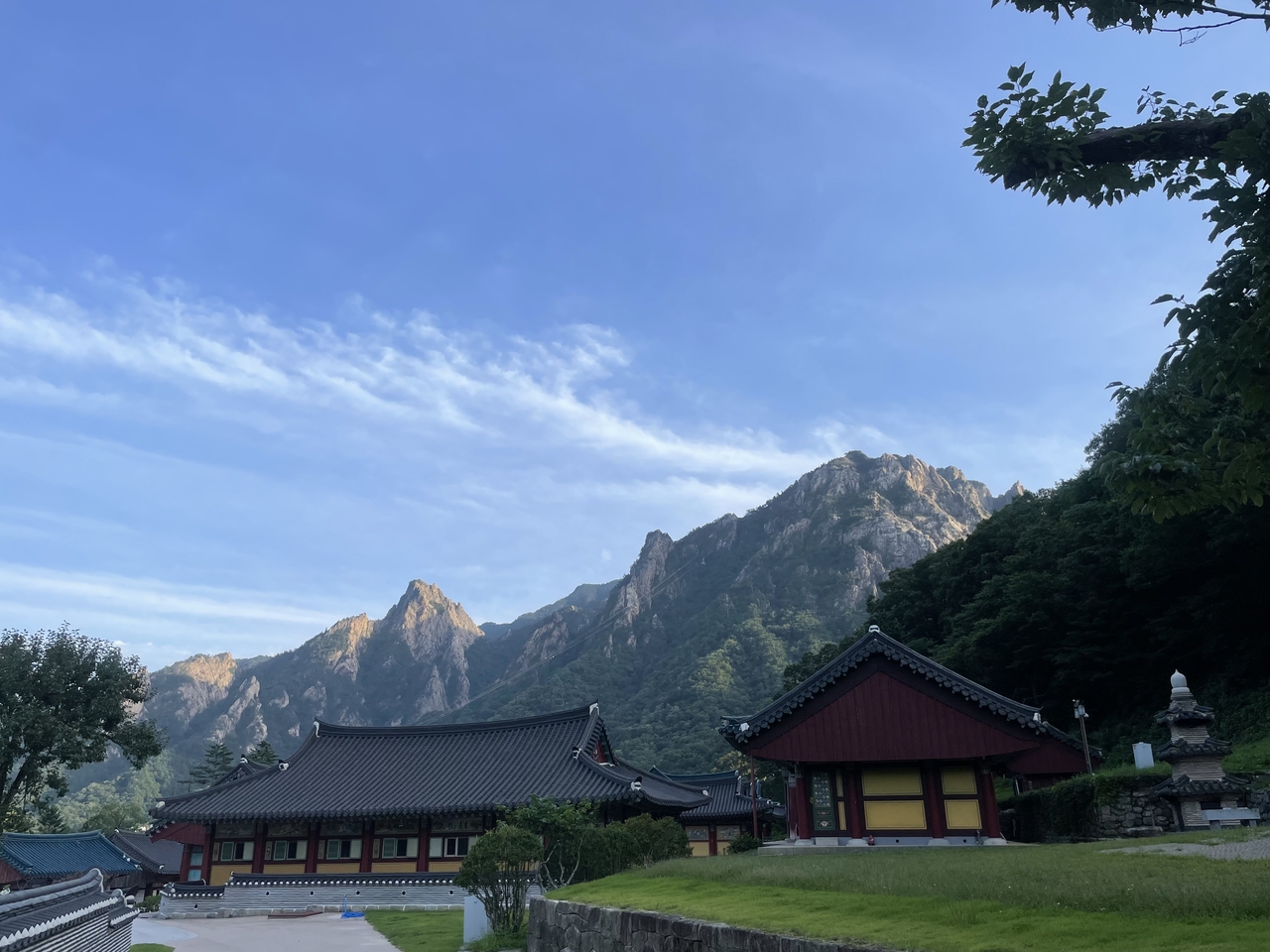
Hallasan: The Volcano at the Center of Jeju
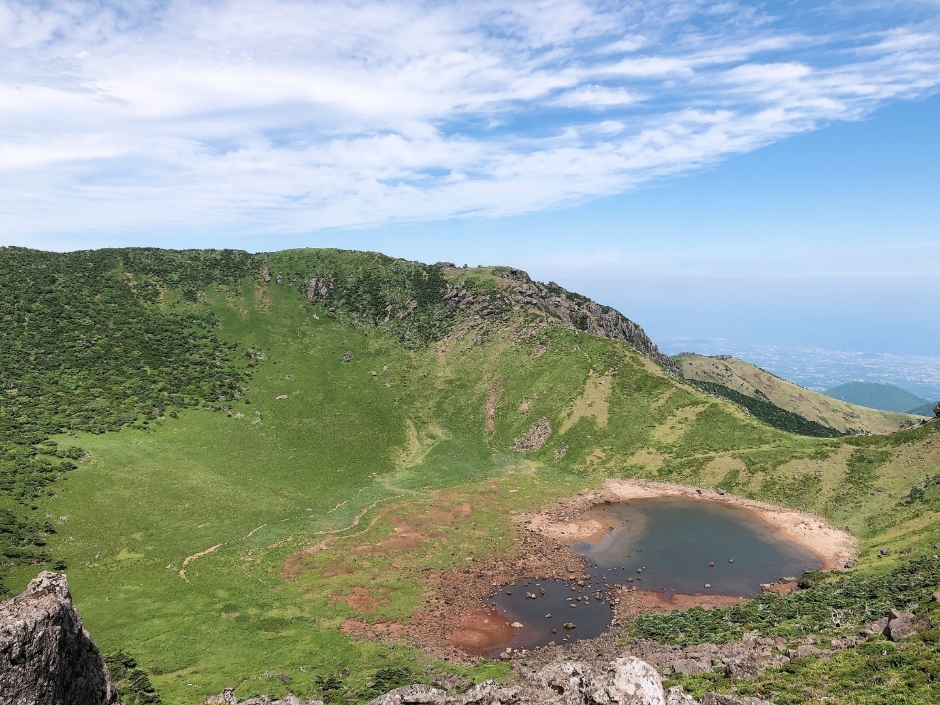
Hallasan, the shield volcano that forms the spine of Jeju Island, is South Korea's tallest mountain at 1,947 meters. Its summit holds Baengnokdam, a crater lake roughly 500 meters in diameter and 108 meters deep, ringed by some 360 parasitic cones. Only two trails, Seongpanak and Gwaneumsa, reach the summit, and both require advance reservations booked through the Hallasan National Park website. The mountain closes its summit routes during heavy snowfall, which can fall as deep as 15 centimeters even in late December, according to weather authorities cited by The Korea Herald.
Jirisan and Namsan: From Three-Day Traverse to City Stroll
Jirisan, straddling three provinces in the south, was Korea's first designated national park in 1967. Its main ridge supports a classic three-day traverse, with hikers timing their final push to catch sunrise over Cheonwangbong, the 1,915-meter east peak that Koreans associate with new beginnings. At the opposite end of the spectrum sits Namsan in central Seoul, a 262-meter hill capped by N Seoul Tower. The Namsan loop is a 30 to 60 minute walk that delivers the city's most photographed skyline and a glimpse of why even a quick climb counts as hiking here.
Neon Gear, Mountain Brands, and Trail Fashion
Korean hikers are easy to spot in a global crowd. The standard kit, especially among hikers over 50, includes high-visibility jackets, hiking pants, technical gloves, a sun hat with a long brim, and trekking poles. Domestic brands Black Yak, K2, Nepa, Kolon Sport, and Discovery Expedition dominate the segment and built their growth on bright color blocking that doubles as a safety signal on busy trails. Black Yak, founded in 1973, made its name partly through a long-running stamp challenge that rewards hikers for summiting 100 Korean peaks. Industry coverage from Korea Bizwire notes that younger hikers are now driving demand toward sneaker-style hiking shoes and slimmer silhouettes.
Summit Ramyeon, Mountain Makgeolli, and Pajeon
The food rituals are as fixed as the gear. At the top, hikers boil instant ramyeon on portable stoves and slice gimbap from convenience-store rolls. On the way down, the unwritten rule is makgeolli and pajeon, the cloudy rice wine paired with crisp green-onion pancakes at restaurants clustered around park entrances. Some hikers also buy makgeolli from vendors who carry it up to mid-mountain shelters in heavy backpacks, a tradition that surprises many foreign visitors.

Apps, Permits, and Practical Tips
Most Korean hikers navigate with domestic apps such as Sangilsaem (산길샘), which renders the Korea National Park Service's trail data offline, alongside global tools like AllTrails and Komoot. For Hallasan, permits for the Seongpanak and Gwaneumsa summit routes must be booked through the park website, and rangers check QR codes at entry gates. Bear bells are common in Jirisan, where Asiatic black bears have been reintroduced, and dawn starts are standard practice for sunrise hikers heading to Cheonwangbong or Daecheongbong. Trail signs are usually marked in Korean and English, and most major parks have shelters that sell water and basic supplies.
When to Go: Seasons on the Korean Mountain
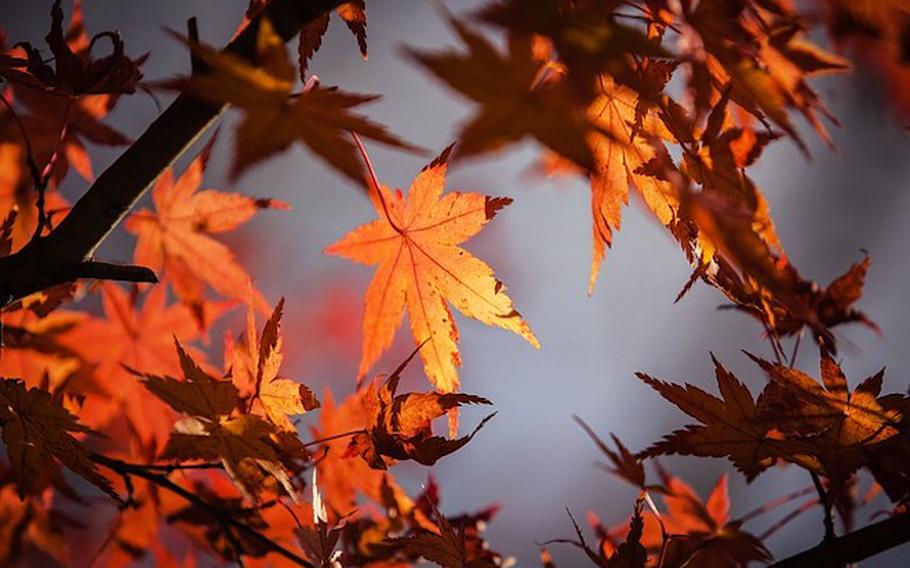
Autumn is the marquee season, with October foliage at Seoraksan and Naejangsan drawing the largest crowds of the year. Spring runs a close second, when royal azaleas bloom across Hwangmaesan and Sobaeksan in late April and early May. Summer brings heat and humidity, but high-elevation routes on Hallasan, Seoraksan, and Jirisan stay cooler than the cities. Winter transforms Hallasan and Deogyusan into snow-capped destinations, although trails may close on short notice. The Korea Meteorological Administration publishes foliage and bloom forecasts for 21 major mountains each season, which most hikers consult before booking trains and pensions.
Explore More of Korea with Daebak
Want to bring a little piece of Korea into your life? The Daebak Box is packed with the best Korean snacks, ramen, and cultural goodies delivered monthly to your door.


