


Table of Contents
Tinder may dominate the global dating-app conversation, but step inside South Korea and the picture flips. Foreign apps underperform here, while a wave of homegrown platforms like Amanda, Glam, Sky People, Goldspoon and Noondate set the tone, each with its own quirky rules, verification rituals and social filters. The result is one of the most unusual dating-app ecosystems on the planet, tightly bound to Korean ideas about university, work, MBTI and what counts as a serious relationship.
This guide walks through why Korea built its own dating-app universe, the major players you will see on the Play Store charts, the etiquette behind profiles and verification, the role of traditional 소개팅 (sogaeting) blind dates and 미팅 (miting) group dates, and a few practical notes for foreigners visiting Seoul who want to understand how singles really meet.

Why Korea has its own dating-app universe
Korea is a tiny country with extreme smartphone penetration, dense urban living and one of the lowest fertility rates in the world. Singles in their 20s and 30s are highly online, but they also carry strong cultural expectations around university brand, job title, family background and physical appearance. Western apps like Tinder feel too random and too anonymous for those filters, which is why Korean developers built local services that gatekeep upfront. By 2024, Tinder had only about 420,000 monthly users in Korea, behind a stack of homegrown apps with stricter screening and Korean-language profiles.
Online dating in Korea has grown into a roughly 70 billion won (about 53 million USD) industry with around 170 services and millions of users. What sets the local market apart is not just scale but the philosophy: most popular Korean apps reject users who fail looks, education or income checks before they ever see a match.
Amanda (아만다): photo-gatekept and ruthless
Amanda is the household name. The name comes from a Korean pun meaning roughly "I do not just meet anyone," and the app has surpassed 6 million cumulative members since its 2013 launch. To join, applicants historically had to submit photos that 20 existing members rated, with an average score of three out of five required to enter. Even after recent softening of the rules, Amanda remains famously selective and is widely viewed as Korea's number one dating app by brand recognition. Once you are in, the experience is closer to a curated swipe deck than a flea market.
Glam (글램): AI face authentication and a tier system
Glam, run by startup Cupist, launched in 2016 and now claims around 6.7 million cumulative users and 25 million matches. Its hook is an AI-driven face authentication step plus an attractiveness tier system. New sign-ups are evaluated, sorted into a tier and then mostly shown to members of the same tier. Glam skews male-heavy, around 86 percent men by some 2023 data, and uses 24-hour monitoring to fight fake profiles and romance scams. It is a useful case study in how Korean apps openly bake appearance ranking into the product.

Sky People (스카이피플) and Goldspoon (골드스푼): elite filters
Sky People takes the SKY universities concept (Seoul National, Korea, Yonsei) and turns it into an admissions gate. Male users must verify graduation from one of Korea's top schools, while female users mainly upload selfies. The app started at around 145,000 users and has grown into a premium service marketed on workplace and school verification. Goldspoon goes a step further on wealth, with the name referencing the Korean "gold spoon" slang for those born into rich families. Men need to prove markers like a Gangnam address, an imported car, a salary over 70 million won (about 53,000 USD) or a high-prestige job. According to the developer, the acceptance rate hovers around 20 percent, and only around 30 percent of all applicants make the cut.
Both apps draw constant criticism for reinforcing class and gender hierarchies, but they keep growing because they map directly onto how many Korean families still think about marriage. Diamatch, similar in spirit, screens by university and major company employment.
Noondate (눈데이트) and the daily 8 pm match
Noondate is the soft, mass-market alternative. Two profile cards arrive every day at noon and 8 pm, picked by the app from location and preference data. If both sides like each other, a chat opens. The brand has been running since 2011, claims more than 68 million cumulative matches and is one of the longest used dating apps in the country. A 2024 Rakuten Insight survey found more than 53 percent of Korean respondents aged 45 to 54 mostly used Noondate, which gives a sense of how mainstream and family-friendly the app feels compared to the more aggressive swiping apps.
Verification culture: ID cards, business cards and selfies
The thing that surprises foreigners most about Korean dating apps is how much paperwork can be involved. Beyond a phone number, many apps ask for or strongly reward additional verification: a university ID for student apps, a corporate business card or company email for white-collar apps, and a selfie matched against profile photos to confirm you are a real person. Some elite apps require a salary slip or proof of degree. Profile prompts almost always include university, job, height and MBTI as standard fields, and group photos are very common, in sharp contrast to the close-up solo selfies that dominate Western apps. The cumulative effect is that a Korean dating profile reads more like a stripped-down resume than a personal essay.

MBTI culture and the dating algorithm
MBTI is no longer a fun side quiz in Korea, it is a dating filter. Surveys suggest about a third of Korean dating-app profiles list an MBTI type, and asking "What is your MBTI?" is a normal first-date question. Apps and games built around MBTI compatibility have boomed, including Krafton-affiliated MBTI Sogaeting, which lets users go on chatbot blind dates with virtual characters representing all 16 types and crossed 10 million downloads within a month of release. Matchmaking giant Duo says clients now routinely ask for MBTI compatibility to be added as a matching factor alongside academic background, occupation and family details.
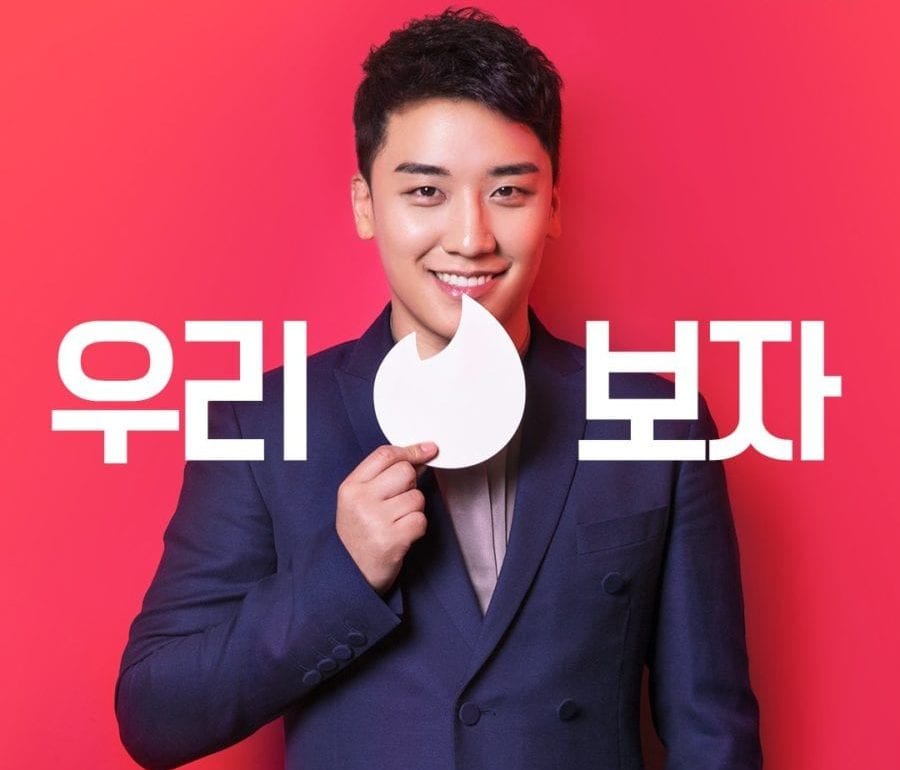
Tinder Korea, Bumble and 1km: niche but useful
International apps still exist, but they occupy specific niches. Tinder Korea is the strongest option for foreigners and Koreans who want to meet foreigners, with the highest concentration of English speakers in places like Itaewon, Hongdae and Gangnam. Bumble has a smaller but loyal base. 1km is a hyperlocal Korean app that matches users within a one kilometer radius and includes interest-based "culture clubs" for movies, hiking or studying, which makes it popular near university campuses. Azar adds real-time translated video chat with users from 190 countries, while MEEFF leans heavily on the "K-pop and language exchange" foreigner crowd.
소개팅, 미팅 and Duo: when offline matchmaking still wins
Apps have not killed Korea's offline matchmaking traditions. 소개팅 (sogaeting) is the classic one-on-one blind date set up by a mutual friend, usually over coffee, and remains the single most common way Koreans meet a serious partner. 미팅 (miting) is the group version, with even numbers of men and women from different schools or companies meeting in a bar or noraebang. A newer trend called rotation sogaeting works like Western speed dating, with eight to 32 people switching seats for short timed conversations, often blindfolded for the first round. At the high end, professional agencies like Duo and Gayeon run paid matchmaking with detailed questionnaires covering 150-plus factors, from parents' education to debt. Duo has run this model for more than 30 years in Korea and is essentially the polar opposite of an algorithmic swipe app.
Safety, scandals and the 연애세포 mindset
Korea's dating-app boom has come with serious safety problems. Romance scams have surged, with state-run counselling requests for app-related scams jumping from 22 in 2019 to 88 in 2023. Police have arrested individuals scamming millions of dollars through dating apps, and one operator was fined for creating fake accounts using real users' photos. Korean media coins terms like 연애세포 (yeonae-sepo), or "dating cells," to describe singles whose romantic interest has gone dormant after one too many disappointing matches. LGBTQ+ users mostly turn to Jack'd and Grindr, since most mainstream Korean apps still operate on a male-female default. Reading reviews, checking verification badges and meeting first in public cafes are basic but essential precautions.
A foreign visitor's quick guide to Korean dating apps
If you are visiting Seoul as a tourist, the realistic shortlist is short. Tinder remains the easiest entry point in English and concentrates around Itaewon, Hongdae and Gangnam. Bumble works in similar zones. Azar can be fun for quick video chats, and MEEFF is the go-to for language exchange and K-pop friendships that sometimes turn into dates. Apps like Amanda, Glam, Sky People and Goldspoon are essentially Korean-only experiences, requiring Korean phone numbers, ID-style verification and often Korean-language conversation, so they are difficult to use as a short-term visitor.
Whichever app you pick, the local etiquette is consistent. Use a clear face photo, include at least one group shot, list MBTI and an honest occupation, and meet first at a busy cafe. And do not be surprised if your match asks where you went to university before they ask about your weekend, that is just how Korean dating apps work.
Explore More of Korea with Daebak
Want to bring a little piece of Korea into your life? The Daebak Box is packed with the best Korean snacks, ramen, and cultural goodies delivered monthly to your door.


