


Table of Contents
If you ask a Korean what they eat for breakfast, you will rarely hear cereal, granola, or buttered toast. The Korean morning has always favored something hot, brothy, and built around a bowl of rice. Even today, with cafes and convenience stores on every corner, the most beloved morning foods in Korea are the ones that warm you from the inside out and set you up for a long day ahead.
These three classics, juk (rice porridge), gukbap (soup with rice), and gilgeori toast (Korean street toast), are the trio you will find Koreans eating before work, after a late night, or on the way to the office. Each one tells a slightly different story about how Koreans think about breakfast: nourishing, generous, and never boring.
Why Korean Breakfast Looks Nothing Like a Western One
Traditional Korean breakfast is, in essence, a smaller version of lunch or dinner. A bowl of rice (bap), a hot soup or stew (guk or jjigae), and a handful of small side dishes (banchan) like kimchi, seasoned spinach, or grilled fish form the backbone of the morning table. The idea is simple: a hearty, warm meal gives you the energy to face the day, especially during long Korean winters.
As life in Seoul sped up, fewer households cook a full bapsang every morning. Many Koreans now grab something on the way to work or eat at small neighborhood restaurants that open at dawn. Yet even these modern options stay loyal to the tradition of hot, savory, rice-based meals. That is exactly why these three foods are so beloved.
1. Juk (죽): Korea's Comforting Rice Porridge
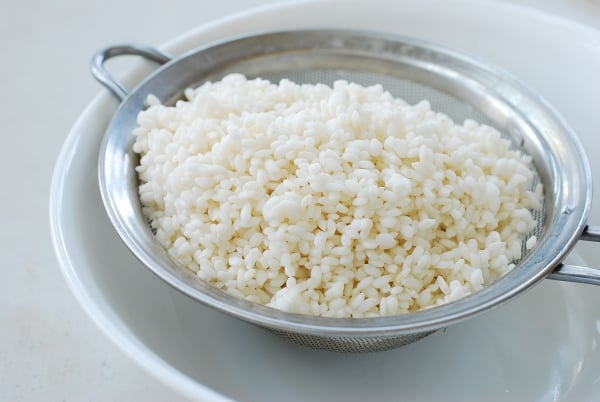
Juk is the gentlest way to start a Korean morning. It is a slow-cooked rice porridge that simmers grains of rice in water or broth until the kernels soften and break down into a silky, soothing texture. Easy to digest and warming to the stomach, juk is what Korean mothers serve when you are tired, stressed, or recovering from a cold. It is also a go-to breakfast for elderly family members, busy office workers who want something light, and travelers nursing a hangover after a heavy night out.
The Many Faces of Juk
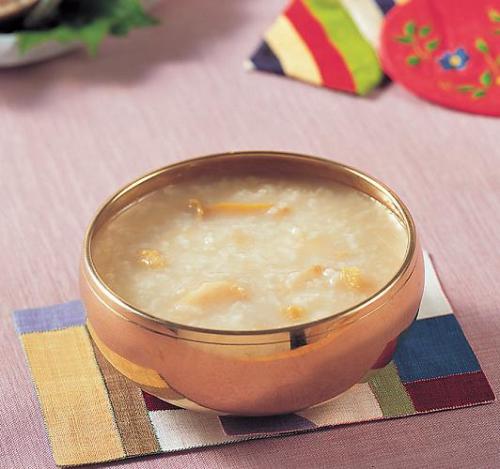
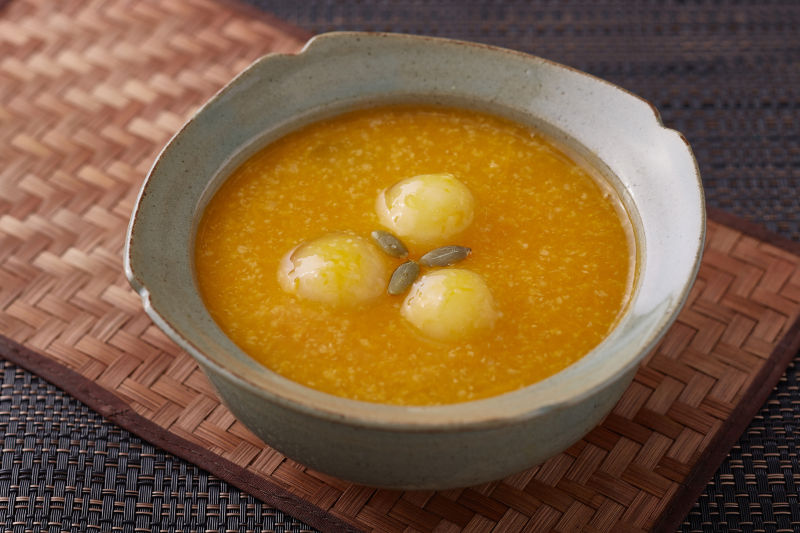
There is a juk for every mood and season. Jeonbokjuk, made with sliced abalone and the seafood's mineral-rich entrails, was once served in royal Joseon courts and is still considered the king of porridge in Korea. Hobakjuk, a velvety yellow porridge of mashed sweet pumpkin and sweet rice, is loved for its naturally sweet flavor and creamy finish. Patjuk, made with red beans, traditionally appears on the winter solstice, while chaesojuk packs the bowl with vegetables for a lighter, vegan-friendly start to the day.
Where to Eat Juk in Korea
For decades, juk lived mostly in home kitchens. The franchise Bonjuk changed that, opening porridge specialty shops across Korea that serve dozens of juk varieties from morning until night. Today you can find a steaming bowl of jeonbokjuk or yachaejuk in airports, hospitals, office districts, and quiet back-alley restaurants. If you visit Korea, ordering juk for breakfast is one of the easiest ways to taste a piece of everyday Korean comfort.
2. Gukbap (국밥): A Bowl of Soup, A Scoop of Rice
Gukbap is the breakfast of choice for anyone who wants something more substantial. The name literally means "soup and rice," and that is exactly what it is: a bowl of long-simmered broth poured over a scoop of steamed white rice. The result is hearty, satisfying, and famously good at chasing away a chill or a hangover. Koreans often eat gukbap before the workday begins, and traditional gukbap restaurants in markets and train stations open before sunrise to feed the early crowd.

Choose Your Gukbap
Gukbap is more of a category than a single dish. Soegogi gukbap features tender brisket and radish in a spicy red broth balanced by the sweetness of beef bone stock. Dwaeji gukbap, a Busan specialty, fills the bowl with a milky pork bone broth and slices of boiled pork. Kongnamul gukbap puts crunchy soybean sprouts and an egg into a clear, refreshing broth, the kind of soup that feels designed for a fragile morning stomach. Seonji gukbap, made with coagulated ox blood, is the old-school choice for serious gukbap fans who want maximum richness in the morning.
The Hangover Cure Tradition
Gukbap is closely tied to the Korean tradition of haejangguk, or "soup to chase the hangover." Many gukbap shops stay open through the night and into the early hours, serving steaming bowls to drinkers heading home and shift workers heading to work. The combination of hot broth, rice, and salty banchan is widely believed to be one of the fastest ways to feel human again after a long night of soju and Korean BBQ.
3. Gilgeori Toast (길거리 토스트): Korea's Sweet and Savory Street Sandwich
Not every Korean morning starts with a bowl. For commuters who need something portable, the answer is gilgeori toast, the iconic Korean street toast that has been fueling office workers and students since the 1990s. At its core, it is a humble grilled sandwich: two slices of buttery white bread filled with a thick vegetable omelette of cabbage, carrots, onion, and egg, plus ham, cheese, and the signature finish of a light dusting of sugar and a squiggle of ketchup. The flavor profile that Koreans call danjjan, sweet and salty at the same time, is exactly what makes it addictive.

From Yeouido Stands to Global Stardom
In financial districts like Yeouido, mom-and-pop toast carts open before 7 a.m. to serve suited workers rushing out of subway stations. Long-running shops such as Changdong Halmeoni Toast in northern Seoul have been making oversized "daewang" toasts, almost as big as an adult palm, for more than three decades. Modern chains like Isaac Toast, founded in 1995, have turned the format into a nationwide phenomenon, with more than 900 stores in Korea and outposts in Malaysia, Macau, and Taiwan. British YouTubers Josh Carrott and Ollie Kendal even opened a Korean toast pop-up in London's King's Cross station, where it sold out daily.
Why Koreans Love It for Breakfast
Gilgeori toast hits every note a morning meal needs: warm, filling, eaten in minutes, and easy on the wallet at around 3,000 to 5,000 won. Cheese melts into the omelette, the cabbage adds crunch, the ketchup and sugar combine into that uniquely Korean danjjan flavor, and you can finish it on the subway without making a mess. It is the rare Korean breakfast that you grab with one hand while your coffee sits in the other.
The Bigger Picture: Korean Breakfast Is Worth Setting an Alarm For
What makes Korean breakfast special is its insistence on warmth and flavor first thing in the morning. Whether you reach for a soothing bowl of jeonbokjuk, a hearty serving of soegogi gukbap, or a golden street toast wrapped in paper, you are tapping into centuries of Korean morning rituals built around real food, hot broth, and small comforts. Many of these dishes started life as humble meals for farmers, market workers, and travelers, and they have stayed beloved because they actually work: they wake you up, fill you up, and feel like a hug after a long night.
Next time you are in Seoul, try skipping the hotel buffet for one morning. Wander into a tiny gukbap shop near a market, line up at a corner toast stand, or order a bubbling pot of juk in a quiet alley. You will see exactly why Koreans treat breakfast as the meal that decides how the day will go.
Explore Korean Snacks with Daebak
Love Korean food? Get authentic Korean snacks and ramen delivered straight to your door with the SnackFever Box by Daebak.


