


Table of Contents
From October 20th to October 27th, the Korean Center Inc. (KCI) hosted its 3rd Annual Chuseok Festival, a fully virtual celebration of Korean culture, traditions, and community. The week-long program featured live panel discussions, craft demonstrations, music performances, an online silent auction, and an inspiring youth art festival, all stitched together by a tireless team of volunteers behind the scenes. To pull back the curtain on how it all came together, we spoke with KCI's Chuseok Festival Manager, Jenny Lee Kirk.

The Korean Center Inc. (KCI)
The Korean Center Inc. was established in 1974 to help Korean immigrants adapt and settle into life within the San Francisco Bay Area community. As the community grew, the organization expanded to better serve it, with programming that has come to reflect the community's evolving history and needs.
Asked what issues within the community KCI aims to address, Kirk explained, "KCI aims to promote Korean culture throughout the community and serve as a resource for the Korean community and the overall community there. They have a wide variety of senior programs. One of the most important ones is the senior meal program. They also provided valuable resources throughout the pandemic to the community, including translating important information into Korean. They also provide language classes, a lot of workshops, and classes around Korean food and Korean cultural activities."
On the impact she has seen KCI have on the Korean community in the Bay Area, Kirk shared, "They've fed thousands of Korean seniors and, unfortunately, with the rise of hate crimes against the Asian American community, they've also really taken a stand in being supporters of those that are victimized, raising the banner and the awareness around the issues. In fact, it was one of the pillars of the Chuseok Festival. It was not just about raising awareness of Korean culture and creating a community after a difficult pandemic year, but also rallying behind the Asian American community as they've struggled even more so in the last two years."
What Putting On the Festival Means
For Kirk, the Chuseok Festival is about more than programming, it is about resilience. "I think it's a way to still get together and show resilience," she said. "Everybody, especially this community, has been really beaten down over the last few years by the pandemic on a lot of different levels. It was a way of saying just because things are different and things aren't better yet, doesn't mean we are going to give up and deny ourselves celebrating ourselves, what makes us different, and the Chuseok holiday. We're not letting anything stop us. It was real determination."
Kirk also hopes more people simply learn that KCI exists. "I would love more people to know that it's there, that it exists. The Korean community is a much smaller community in San Francisco than Los Angeles or New York, so sometimes I meet friends of friends from a wide variety of backgrounds that don't know about KCI. Many people are introduced to KCI through the language program. Certainly with the rise in K-pop and K-food, a lot of people now are interested in the Korean language and that's how they're starting to learn more about KCI. Learning a language is a great way to learn about a culture, but KCI does so much more than that. The Chuseok Festival, because it's been so popular since its inception, has been a great gateway to that."
The Chuseok Festival: From In-Person to Online
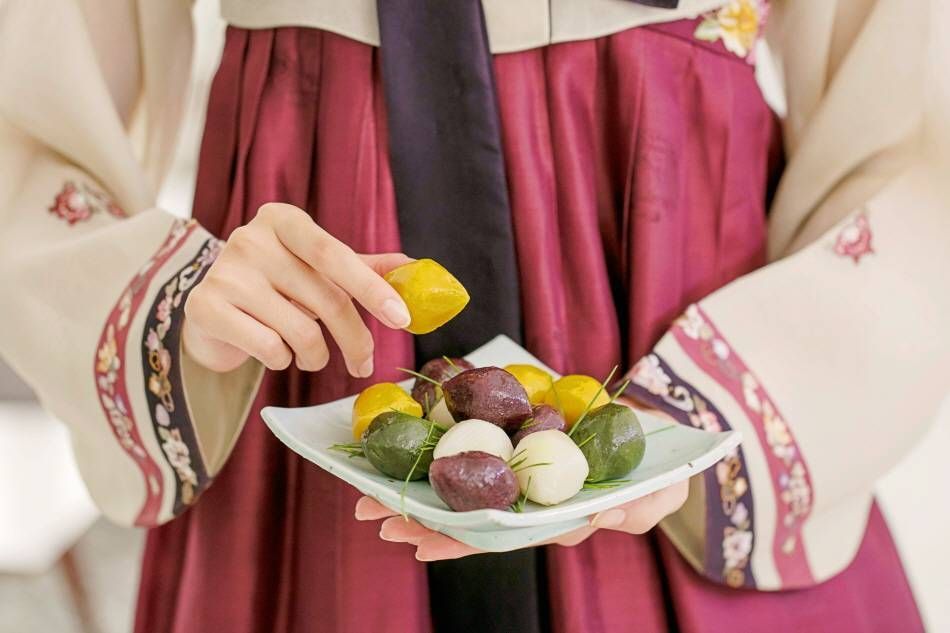
The Chuseok Festival is the Bay Area's largest public event celebrating, showcasing, and promoting Korean culture, cuisine, music, arts, and community. It serves as a way to explore and discover Korean culture across communities and generations while celebrating an important traditional Korean holiday.

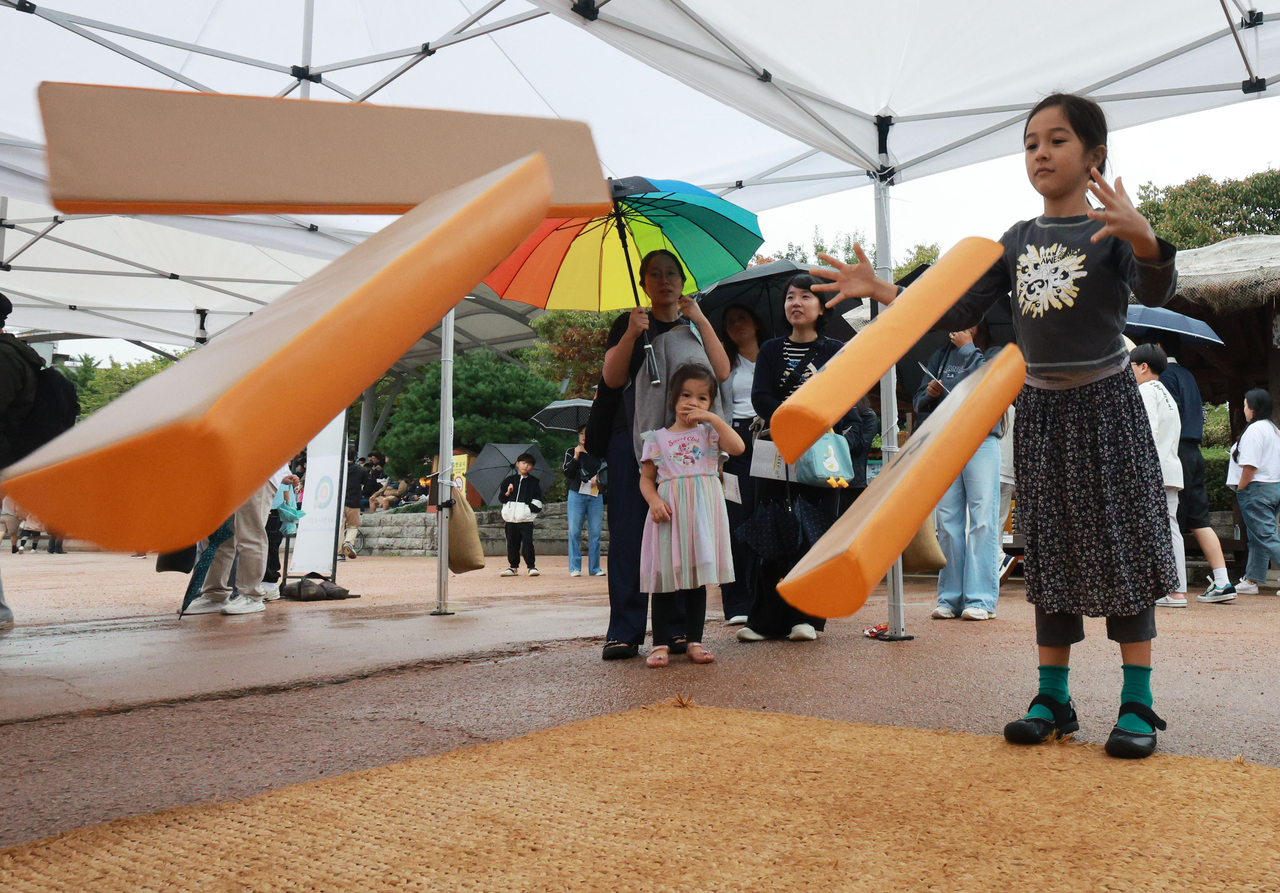
How did the Chuseok Festival change when it moved from in-person to online? Kirk reflected, "I've been volunteering with the Chuseok Festival since its inception year, 2019. That was the one and only year it was in person, so it certainly was a much different feeling. It was a one day event and everyone could gather. It was much easier to showcase Korean American vendors and makers because it's in person and everybody can have booths set up, so people can walk around, talk, actually touch things, and have an experience. It's also a lot easier to experience Korean food and drink when you can actually eat and drink it beyond a screen."
"The experience is very different, so the team last year had to figure out how to pivot to continue to share those experiences in a way when we can't all be together. But because we're online and virtual, now we can reach a much bigger audience, so there are pros and cons to both sides. After seeing how many people we reached last year with the virtual festival, we were already planning a small virtual component of the in-person festival this year to begin with because we wanted to keep up that reach to a greater audience beyond the Bay Area. But when the pandemic wasn't quite waning down the way we all hoped, we pivoted to virtual programming and had to greatly expand and change all of our programming ideas."
Programming, Speakers, and Community Response
The pivot to virtual was fast and required a lot of decisions in a short time. "We had given ourselves a date as to whether or not we were going to make a decision on whether we felt it was safe and responsible to move forward with a large in-person event," Kirk explained. "Two other core members of the planning team and I met almost every day: brainstorming ideas and saying, 'I know this person,' who could be a resource or guest. I've been living in Seoul for almost two years now so I asked myself, since we're going virtual, who do I know in Korea that can help bring Korea to the audience?"
The team also surveyed volunteers with a questionnaire ranking programming ideas from 1 to 5 so they could see beyond the three core planners and select speakers, performers, and events the community actually wanted to see.
The response, she said, was the part that recharged everyone's batteries for next year. "It's really exciting and heartwarming, and it really makes you feel good about what you're doing. Everybody was putting in incredibly long hours and everybody also was working a full time job as well on top of it. When you hear those words of appreciation and read those messages about how much fun people had, how much it made a difference, or how impactful it was to hear Marilyn Strickland speak, and other guests, you just know that all the hard work really paid off and that you are making a difference."
Kirk's Experience as Festival Manager
Kirk's road to becoming Festival Manager began with a Facebook post. "A friend of mine also volunteers with the festival with KCI. Before the first festival happened, she put a post on Facebook that the First Korean Chuseok Festival in San Francisco was going to be kicking off and she was trying to help find vendors for it, asking anybody that had a wide network to help. She tagged me in this post, which I thought was funny because obviously I'm not Korean, but I do have a very large network in San Francisco. I told everybody I could, including my good friend Jane."
"Jane was talking to another mother at her school pick-up, and she ended up being the original founder of the Chuseok Festival. They were lamenting about how it was going really well, but marketing had really been a pain point for the festival. Then Jane messaged me and was like, 'I volunteered you to help out in this festival.' So I volunteered, and it obviously was a really great experience. Spring and Eun-Joo, two core members of KCI and the Chuseok Festival team, are really wonderful people. All the volunteers are wonderful. It's a lot of hard work but a lot of fun, and they do so much in the community. They asked me again last year if I would help out again at the marketing side as it went virtual, so I did it all remotely from Seoul for the festival last year. Then, it just grew again this year."
What does the role of Festival Manager actually involve? "It is a lot of project management at the end of the day. You're managing a lot of different moving pieces all at one time. At the very beginning when it was still an in-person festival, you're coordinating with the volunteer coordinator who is then coordinating with 80 to 100 volunteers. You're coordinating with the programming planning team, who is all reaching out to try to lock in performers, both traditional Korean performers or K-pop dancers. You're also coordinating with the food vendors team because you're trying to get as many food trucks and Korean food vendors to the festival as possible."
"It really is having to keep track of a lot of different threads of communication, a whole lot of people, and who's doing what, so some people don't overlap and something doesn't fall through the cracks. You have to be very detail oriented and very good at communication. You also have to be very adaptable because anything can change, as we saw again this year when we moved from in-person to virtual. I think it takes a lot of patience, a lot of understanding, and a lot of teamwork. It really does take a village. It never would have happened without the incredible people and other volunteers that we had helping as well."

The Biggest Challenge: Scheduling Tetris
The hardest part of the whole operation? "I think the biggest challenge is managing everyone's schedules. It definitely was like the old school game Tetris," Kirk said. "We were able to lock in certain speakers very well; we actually lucked out on that aspect. But trying to find the time during the week where all of the speakers and panelists could all be together at a time when people would actually tune in, and also trying to spread events out throughout the week so that we wouldn't have all of our programming on one day, was incredibly challenging."
"There's a lot of following up because you might ask a certain panelist what their availability is and you don't hear for a week. You really need to be very proactive in following up, making sure that you're checking off all the boxes, and that you're getting things done in a timely manner to make sure that everything flows and appears to be effortless to everyone watching."
KCI's Chuseok Festival was undoubtedly an exciting and inspirational experience to be a part of, both as a volunteer and as the audience, thanks to the hard work of Ms. Kirk and the rest of the festival's volunteer team. For more information on the Korean Center Inc. and ways you can show support to the community and organization, please visit their official website.
Written by: Karena
Explore More of Korea with Daebak
Want to bring a little piece of Korea into your life? The Daebak Box is packed with the best Korean snacks, ramen, and cultural goodies delivered monthly to your door.


