


Table of Contents
I've been tracking Korean lifestyle exports for over a decade, and one category quietly outperforms almost everything except K-beauty for cross-border discovery: 문구, Korea's stationery scene. The late-August window when Seoul students refresh their pencil cases isn't a niche moment. It's a design economy in its own right, and if you've ever watched a K-drama desk scene and thought "why is her planner so pretty," this is the industry behind it.
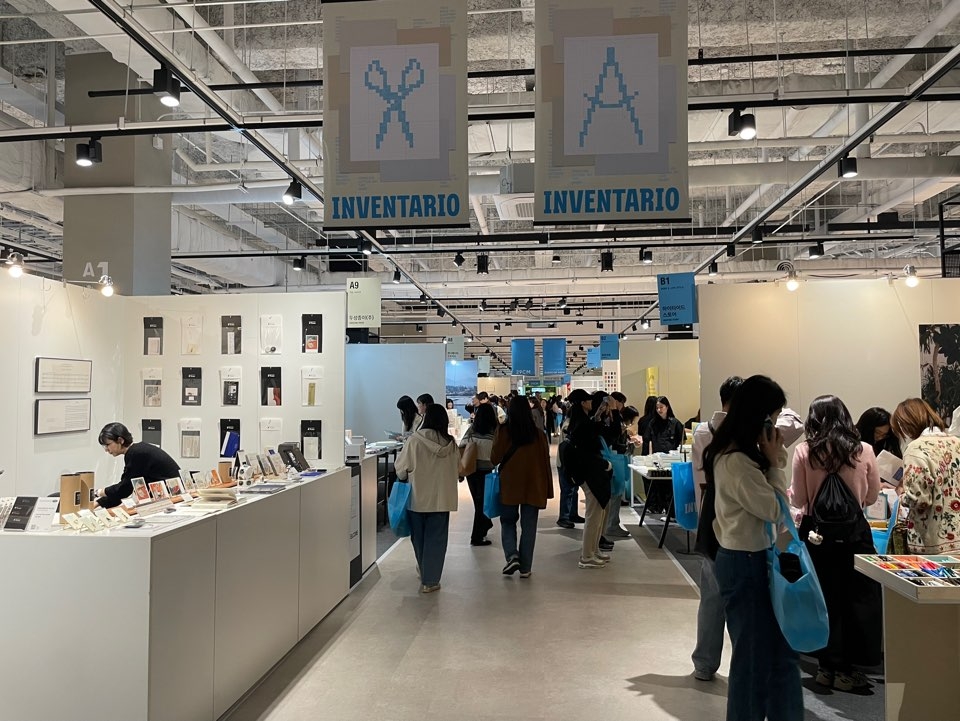
Why Korean students spend more on stationery than most Americans spend on coffee
Korea's back-to-school stationery cycle runs on a two-peak calendar. First peak lands in late February for the March 학기 (semester) opening, second in August for the September return. The domestic 문구 category has been valued in the hundreds of billions of won in recent industry counts, and even as offline stationery shops have shrunk (Korea Herald reported the retail count fell from around 10,000 in 2018 to fewer than 4,000 in 2025), online purchases of stationery and office supplies more than doubled in the same period. Practical read: the money didn't leave the category, it just moved to Instagram-friendly SKUs.
The appeal point Western retailers keep missing is that Korean students don't buy stationery as commodities. They buy it as an aesthetic system. A pen case is styled like an outfit, a planner is styled like a bullet-journal spread that could be posted, and the sticker on a notebook cover functions as a small identity marker. The highest-margin brands in Seoul aren't the ones selling the cheapest pens. They're the ones selling coordinated worlds you can photograph.
Kakao Friends and BT21: how character IP became a stationery empire
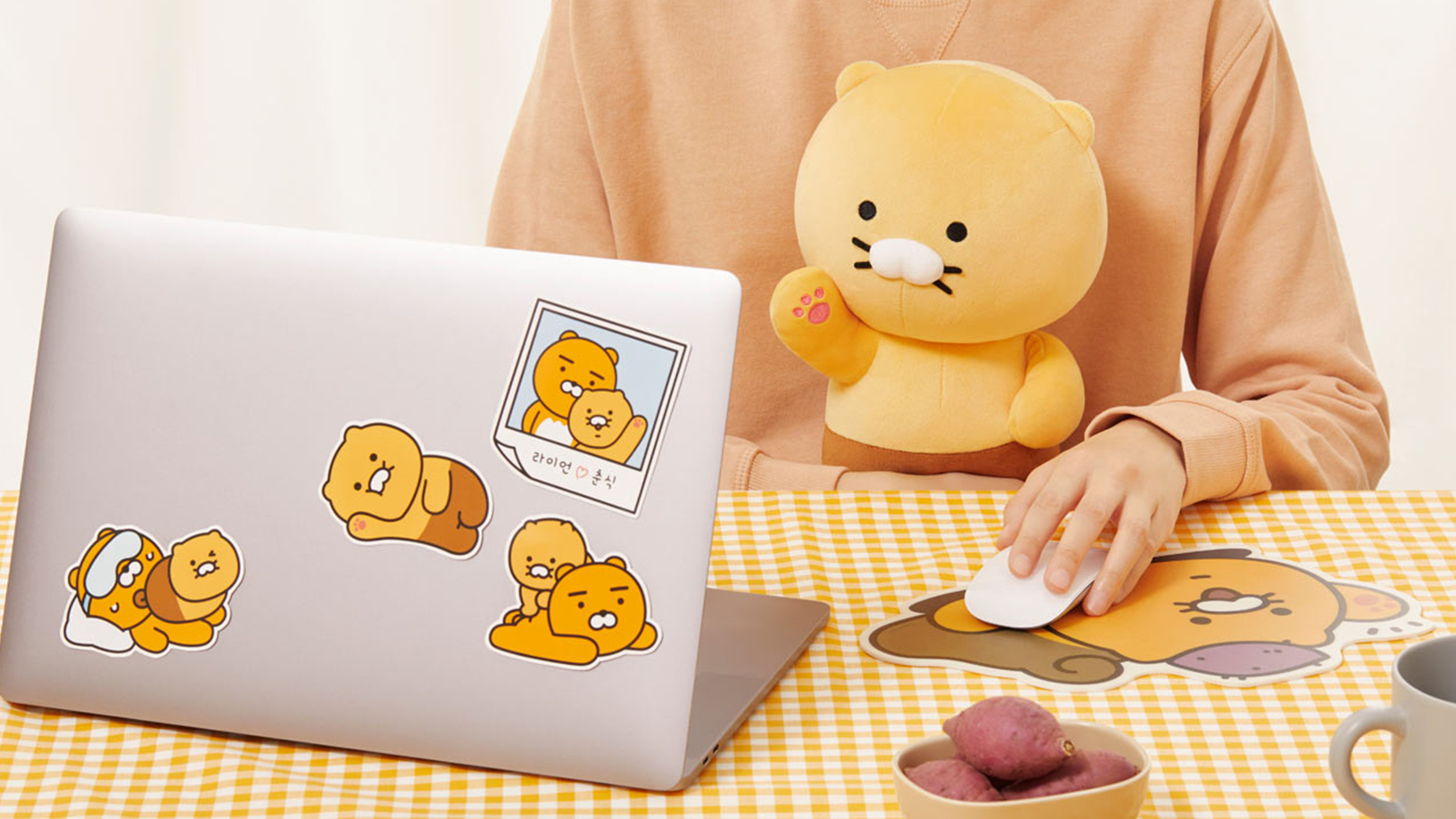
If you want to understand the Korean stationery business, follow the character licensing money. Kakao Friends started as free KakaoTalk emoticons in 2012 and now anchors a merchandise operation running flagship stores in Gangnam, Hongdae, and Busan, with product lines that lean heavily into 다이어리 (diaries), 스티커 (stickers), and pen sets. Ryan (the round lion) and Choonsik (the yellow homebody cat) are stationery workhorses because their low-contrast silhouettes reproduce cleanly on covers, tabs, washi tape, and mini memo pads.
BT21, the character line HYBE co-created with LINE Friends around BTS, has been a serious side-revenue stream for the label, extending album-and-tour income into everyday consumer categories. That's the part fans don't always articulate: buying a BT21 highlighter set isn't a K-pop tax, it's a way to keep a bias visible in the mundane spaces (a desk, a bag, a class notebook) where fandom actually lives day to day. Korean labels understood this earlier than Western ones, which is why HYBE and JYP now treat character IP as a second album cycle rather than an afterthought.
Iconic (아이코닉): the 스티커북 franchise that turned planners into content
Iconic is the brand that quietly rewrote how Korean planners get sold. Their 스티커북 (sticker book) format bundles hundreds of tiny functional stickers (date tabs, weather icons, mood trackers, food doodles) into one bound volume, so decorating a spread doesn't require rummaging through a dozen loose sheets. That's a tiny design decision with a huge behavioral consequence. It turned the barrier to "pretty page" from ten minutes to ten seconds, and it made Korean 다꾸 (diary decorating) culture something you can post on TikTok before your coffee gets cold.
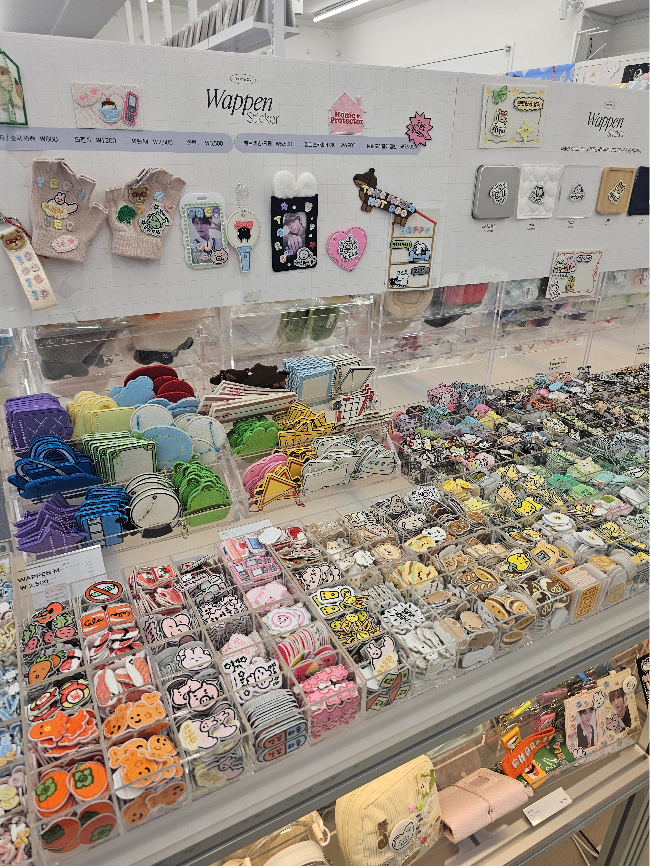
Why fans love Iconic specifically: the color palette is muted enough to look grown-up on a college desk but soft enough to photograph well on Instagram. Rollbahn (the Japanese Delfonics notebook) built its Korean cult first, then Iconic engineered a homegrown answer that undercut it on price without losing the design polish. It's the classic Korean playbook. Adopt an imported aesthetic, iterate faster, sell it back at a sharper price point, and add the licensed characters your audience already loves.
Artbox (아트박스): the mall anchor everyone underestimates
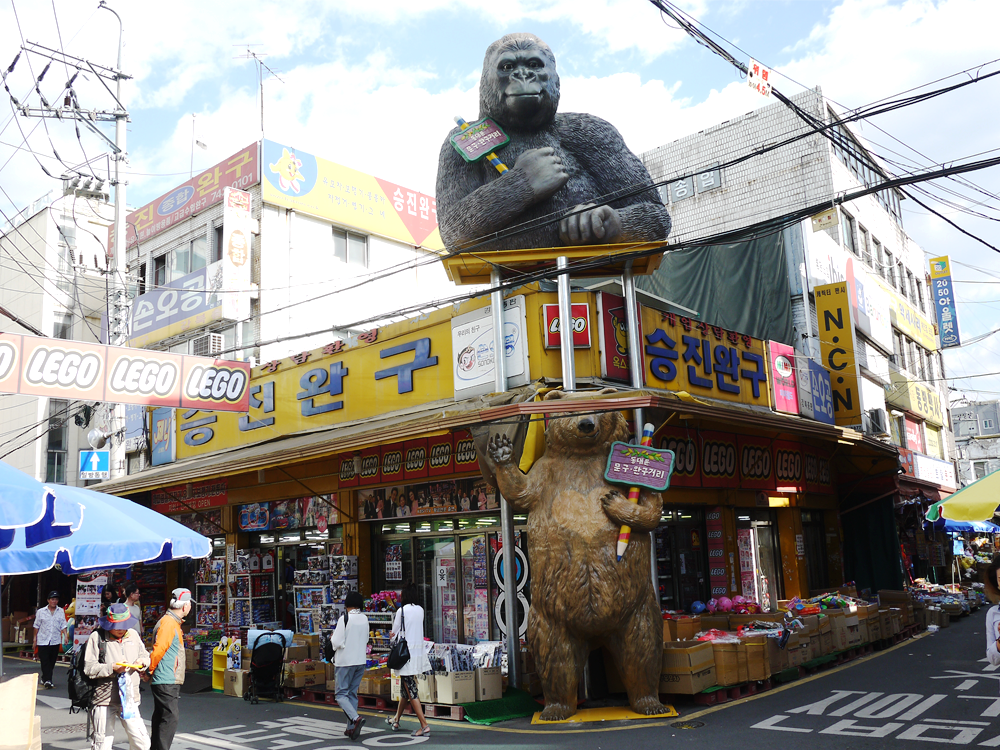
Artbox has been running since 1984, which in Korean retail is dinosaur-level tenure, and it survived by never overthinking its target: teens and 20s who want cute, cheap, and functional in the same bag. Walk into almost any Kyobo Book Centre and you'll find Artbox on the same floor for a reason. Kyobo sells the study books, Artbox sells the pen you'll actually use to underline them. That co-location is not accidental, it's category strategy.
The appeal point I always try to explain to buyers outside Korea: Artbox is Korea's daily-use aesthetic default. It isn't aspirational, it isn't premium, it's the shop you drift into when you have twenty minutes and 5,000 won burning a hole in your pocket. That casualness is what makes it hard for foreign competitors to enter. You can copy the SKUs, but you can't copy the fact that every Korean student between the ages of 12 and 25 has spent a lunch break there at some point.
Monopoly Design Company: the quiet-luxury tier for grown-up desks
Monopoly Design Company (모노폴리) plays a different game. Their planners, notebooks, and Ardium-line goods target Korean office workers and older students who want a desk that reads styled without going full clinical minimalist. Cream tones, soft grids, textured covers, low-key sans-serif typography. It's the closest Korea has to a Muji-of-Seoul in paper goods, but with more warmth and a subtle 정 (jeong, that Korean warmth-of-relationship feeling) in the details, like fold-out annual overviews, built-in ribbon bookmarks, and pockets sized for a T-money card.
This tier matters because it's where Korean stationery grows up. When a student finishes 수능 (the college entrance exam) and moves into university or a first job, they typically trade cartoon character covers for Monopoly-style muted spreads, and the industry has built entire product lines around that transition moment. The under-discussed genius is that the same customer stays in the category for a decade instead of aging out at 19.
The K-drama planner spike (or, the Woo Young-woo effect)
Netflix's Extraordinary Attorney Woo (이상한 변호사 우영우) is the case study I pull out when explaining PPL to Western agencies. Park Eun-bin's character kept a very specific bullet-journal-style planner on screen, and after the show hit in mid-2022, the exact style sold out across Korean retailers within days. This isn't a one-off. K-drama desk scenes function as slow-drip product catalogues, and Korean stationery brands quietly negotiate to be on them.
The mechanic behind the scenes: production designers on Korean dramas source props through relationships with brand PR teams, and a well-placed planner or highlighter on a lead character's desk becomes a de facto CF (commercial film) with a viewership that traditional ad buys can't touch. That's the industry insight most explainers skip. K-drama isn't only entertainment, it's the biggest ongoing lifestyle-product demonstration Korea exports, and stationery has quietly been one of its most consistent winners.
Explore More of Korea with Daebak
Want to bring a little piece of Korea into your life? The Daebak Box is packed with the best Korean snacks, ramen, and cultural goodies delivered monthly to your door.


