


Table of Contents
Korean hot springs, known as oncheon (온천), are one of the country's quietest pleasures. While Japan's onsen culture is famous worldwide, Korea has its own tradition of mineral bathing stretching back to the 8th century, with mildly alkaline waters, generous jjimjilbang facilities, and hanok inns clustered around the spring source. This guide covers the best oncheon towns, what to expect inside the baths, and how to plan a trip from Seoul.
Korean Oncheon vs Japanese Onsen
Both cultures share a love of mineral bathing, but the experiences feel different. Most Korean springs are mildly alkaline simple thermal waters, gentler in temperature and softer on skin than the sulfur-heavy Japanese onsen. Korean facilities almost always sit inside a wider jjimjilbang complex with kiln saunas, ice rooms, sleeping halls, and food courts, so a soak becomes a half-day social outing rather than a quiet, ryokan-style ritual. Pools are gender-separated and nude indoors, while outdoor co-ed pools require swimwear.
Onyang Oncheon: The Oldest Hot Spring in Korea
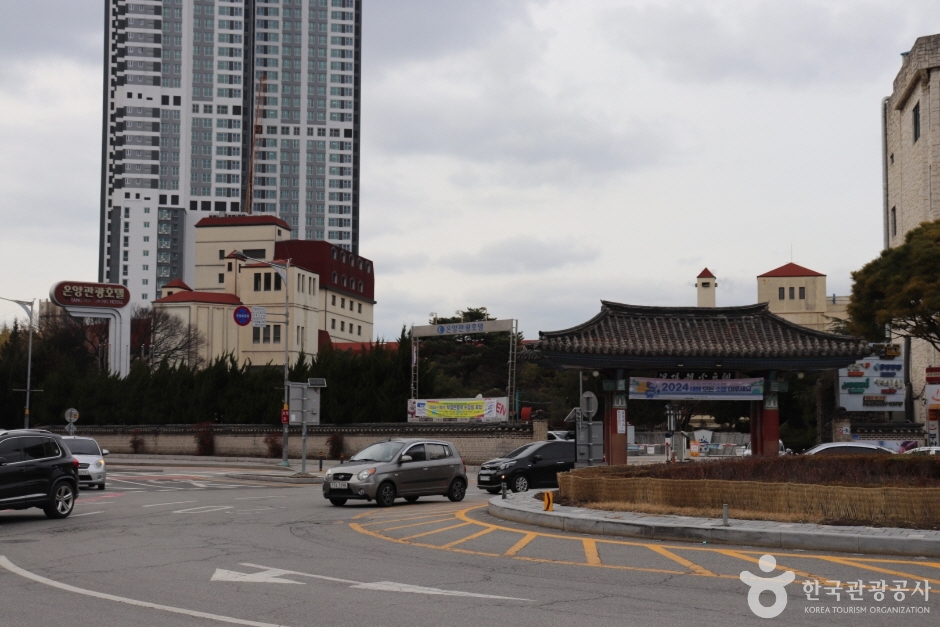
Onyang, in Asan city about 90 minutes south of Seoul, is the oldest documented hot spring in Korea, with records reaching back to the 8th century. Joseon kings including Sejong the Great traveled here to treat aches and skin conditions, and the area still feels like a small spa town built around the historic Onyang Hot Spring Hotel. Water emerges between 44 and 60 degrees Celsius and is mildly alkaline, said to soothe muscle pain and fatigue. Day-use bathhouse admission usually runs 10,000 to 11,000 won, and Line 1 of the Seoul subway runs directly to Onyangoncheon Station.
Bugok Oncheon: Korea's Hottest Sulfur Spring
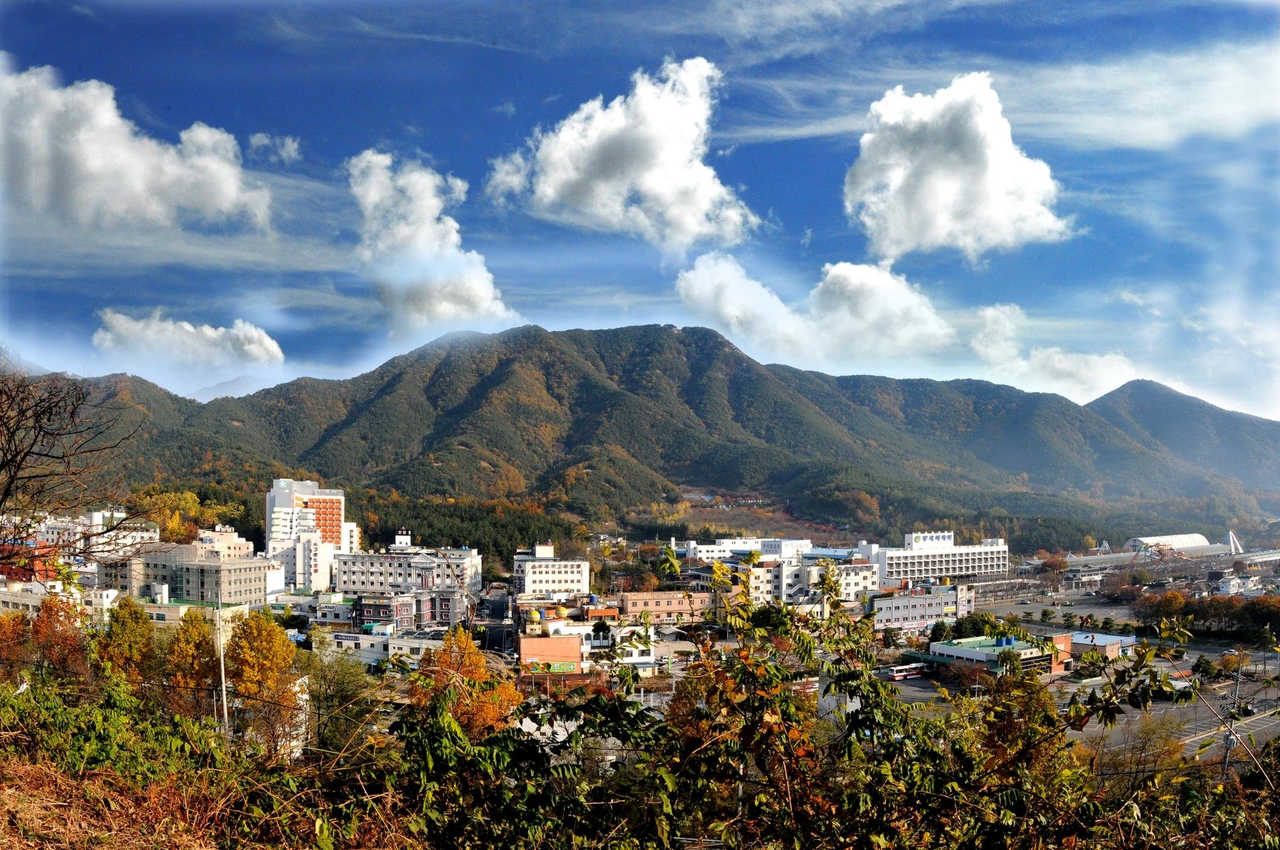
Down in Changnyeong, South Gyeongsang Province, Bugok produces the hottest natural spring water in Korea at 78 degrees Celsius. Discovered in 1973, the sulfur-rich source delivers more than 6,000 tons of water a day and is famous for soothing skin and respiratory conditions. Bugok was designated Korea's first official hot spring city in 2023, and the area is currently expanding with a new yellow clay road, light street, and renovated family bathhouses. The annual Bugok Hot Spring Festival in late March draws steady crowds, and visitor numbers have climbed back above 2.8 million per year.
Suanbo Oncheon: The Royal Alkaline Waters
Suanbo, in Chungju, North Chungcheong Province, has flowed for tens of thousands of years and was a favorite of King Taejo, founder of the Joseon dynasty. Its water is mildly alkaline at around 53 degrees Celsius, rising from 250 meters below ground with lithium, calcium, sodium, fluoride, and magnesium. Suanbo is the only spring in Korea where the water quality is centrally managed by the city, with a 2,000-ton municipal tank feeding 27 oncheon facilities. The historical nickname "king's hot spring" still appears on signs around town.
.jpg/alternates/LANDSCAPE_910/1.%20By%20Deokgu%20Spa%20World%20%202.jpg)
Deokgu Oncheon: The Forest Spa of Uljin
Tucked into the Taebaek mountains in Uljin, Deokgu is the only spring in Korea where mineral water rises naturally to the surface under its own pressure, with no mechanical pumping required. The water stays around 42.4 degrees Celsius year round and is government-designated as a therapeutic hot spring. Deokgu Spa World pairs gender-separated bathhouses with a small outdoor water park, jade and amethyst saunas, and open-air pools that look out onto the mountain range. Bathhouse admission costs around 11,000 won for adults, while spa world entry ranges from 26,000 to 38,000 won depending on season.
Yuseong Oncheon and Asan Spavis
Yuseong, in the heart of Daejeon, sits about an hour from Seoul by KTX and is the easiest mid-trip oncheon stop. The historic Yuseong Hotel, opened in 1915, draws from a 42 to 45 degree spring with medicinal herb, seaweed, and chlorophyll-tinted waterfall pools. Closer to Seoul, Asan Spavis is the modern face of Korean spa culture: a German-style water therapy complex in Asan with neck showers, full-body waterfalls, fish therapy pools, and snow sledding in winter. Spavis admission costs 29,000 to 39,000 won and pairs well with a hanok stay in nearby Oeam Folk Village.

What to Expect Inside a Korean Oncheon
A typical oncheon visit starts at the front desk, where you pay a flat fee, drop your shoes in a locker, and pick up a numbered key bracelet. Inside the gender-separated bathhouse you store your clothes, then shower thoroughly before entering any pool. Expect several baths at different temperatures, a cold plunge, herbal or jade pools, a steam room, and a dry sauna. Many oncheon also offer the famous Korean body scrub from seshin attendants for an extra 20,000 to 40,000 won, leaving skin remarkably smooth. Outside the bathhouse, the connected jjimjilbang area is co-ed and worn in pajama-style uniforms, with kiln rooms, snack bars, and overnight sleeping floors.
Etiquette and What to Bring
The most important rule is simple: shower thoroughly, soap and all, before entering any communal pool. Swimwear is not allowed in indoor gender-separated baths, where bathing is fully nude. Outdoor co-ed pools, such as those at Sanbangsan or Asan Spavis, require swimwear and caps. Bring or rent a small bathhouse towel rather than a large beach towel, keep your voice low, and avoid putting your head or hair into the water. Tattoos are generally tolerated at major resorts, but some traditional hotel baths may still ask guests to cover them with a small towel.
Best Season and Hanok Stays Nearby
Autumn and winter are the peak oncheon seasons, when the contrast between cold air and steaming pools is most dramatic. Snowy outdoor soaks at Deokgu, Forest Resom Have9, or Sanbangsan Carbonate Hot Springs on Jeju are the classic winter scene. Many oncheon towns also offer hanok-style accommodation: traditional wooden inns with ondol heated floors, paper-screen windows, and breakfast served in courtyard rooms. Onyang, Asan, and Suanbo all have hanok options within a short walk of the springs, making it easy to combine a long soak with a cultural overnight stay.
How to Get to Korean Hot Springs from Seoul
Onyang is the easiest day trip: take Line 1 of the Seoul Metro directly to Onyangoncheon Station, about 90 minutes from central Seoul. Yuseong is roughly an hour by KTX to Daejeon, then a short subway ride to Yuseong Oncheon Station. Bugok and Deokgu require more planning, with KTX to Busan or Pohang followed by a regional bus, so both are best visited as overnight stays. Suanbo is reachable by intercity bus from Seoul's Dong Seoul Terminal in around two hours. Bathhouse-only entry generally runs 8,000 to 15,000 won, while spa-world and water-park admission ranges from 25,000 to 55,000 won depending on season.
Explore More of Korea with Daebak
Want to bring a little piece of Korea into your life? The Daebak Box is packed with the best Korean snacks, ramen, and cultural goodies delivered monthly to your door.


