


Table of Contents
Ten years ago, if you wanted to know what a Korean idol was wearing at the airport, you had to squint at grainy fansite photos and hope someone in the comments would tag the brand. Now the whole ecosystem runs on a different clock. Fans identify a jacket within the hour, the brand's Instagram tags them, and the piece sells out on Naver Smart Store by dinner. K-fashion caught up to K-pop and K-beauty on the export ledger, and mid-tier brands like CHERRYKOKO are the ones actually driving that shift.

Why CHERRYKOKO Ended Up on So Many Idols
CHERRYKOKO was founded in 2005 by Ji Dong Hyun, and for its first decade it looked like any other mid-tier Seoul label: a Dongdaemun-adjacent brand aiming somewhere between Stylenanda and the mall crowd. What made it break out wasn't the runway. It was the stylist rolodex. In Korea, the people picking wardrobe for music-show performances and airport departures are a small guild, and once one of them clips a piece for a shoot, the same rack tends to move across three or four idol groups in the same week. That's the mechanic behind the CHERRYKOKO story.
The brand's aesthetic sits in the sweet zone Korean stylists love: sophisticated but not stiff, casual but photograph-ready, priced so a label can afford to buy multiples in every color. Idols like IU and Hyuna, actresses like Jo Yoon-hee and Jung In-sun, have all worn CHERRYKOKO pieces to shoots, events, and airport pulls. IU's rack in particular tends toward soft neutrals and clean silhouettes, which is exactly CHERRYKOKO's shelf. Hyuna is the opposite pole, but she'll still reach for a CHERRYKOKO cropped knit when the brief calls for something playful and off-duty.

The Idol-Stylist Loop: Why 3M Weekly Impressions Beats a Print Ad
Here is the thing most Western fashion coverage misses. Korean mid-tier brands don't really run print ad campaigns. The whole marketing budget is invested in stylist seeding, plus a small in-house PR team feeding samples to K-drama costume departments. One outfit worn on M Countdown or a Music Bank stage lands roughly three million weekly impressions between the live broadcast, KBS/Mnet YouTube uploads, fan-cam edits on TikTok, and the airport arrival photos two days later. Compare that to what a single-page Vogue Korea ad would cost, and the math is obvious.
That is why CHERRYKOKO launched a dedicated celebrity-sighting Instagram (@cherrykoko_celeb) back in November 2019. It wasn't vanity. It was a receipt page. Buyers browsing the site want proof that the piece is idol-approved, and the celeb IG functions as a searchable lookbook: which piece, which idol, which broadcast. That closes the loop between the visual moment and the checkout button, which is why Korean mid-tier fashion drops sell through in days rather than weeks.
Musinsa, Naver Smart Store, and the 2-Week Trend Cycle
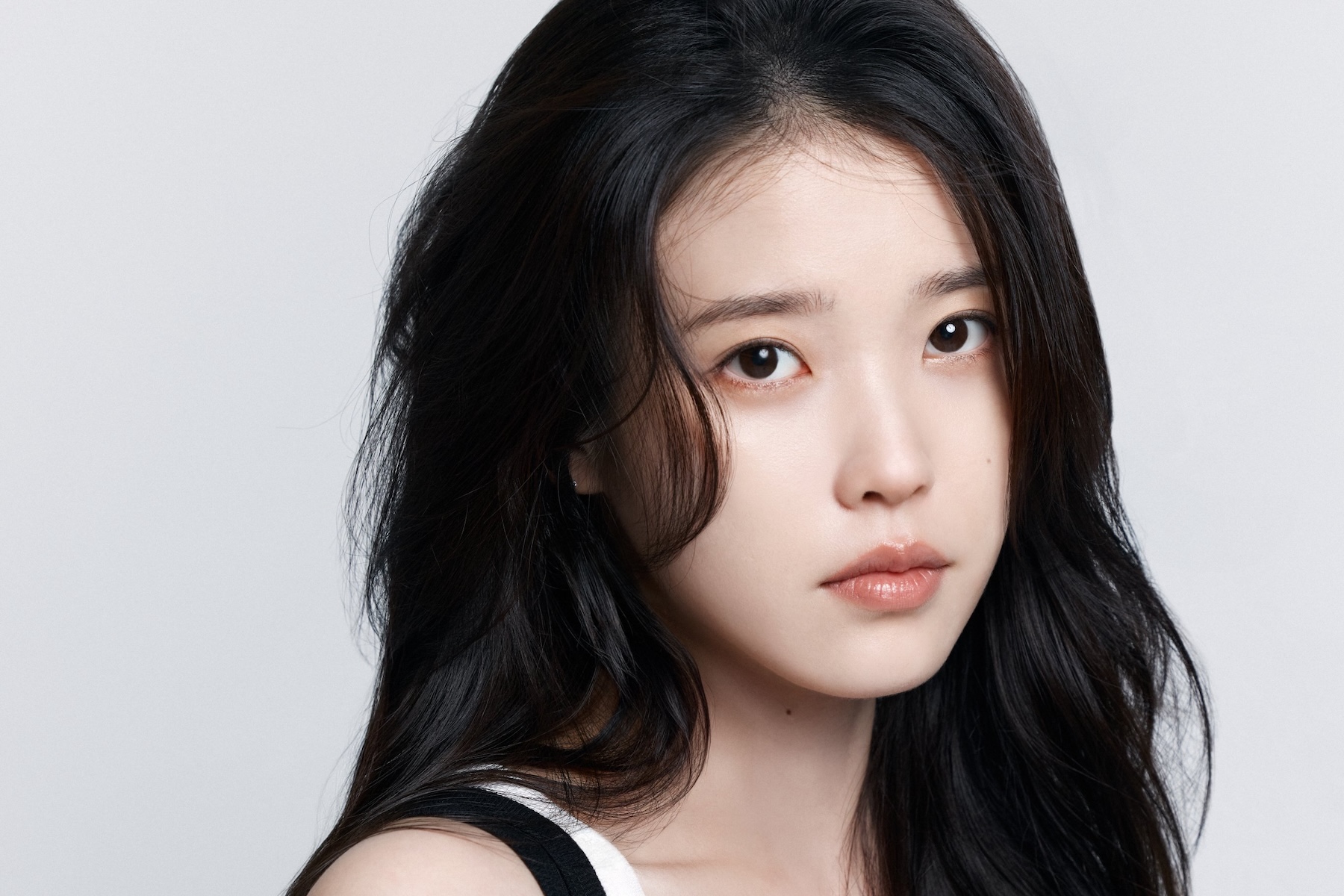
The other piece of the puzzle is speed. A Western fast-fashion brand runs on an 8 to 12 week design-to-shelf cycle. Korean mid-tier fashion runs on 2 to 3 weeks. If a music-show fancam blows up on Tuesday, the same silhouette can be sampled, sourced, and photographed for a Musinsa (무신사) drop by the following Wednesday. That agility is why CHERRYKOKO and its peers survived the SHEIN wave that wiped out mid-tier brands elsewhere. You can't out-cheap SHEIN, but you can absolutely out-cool them by tying your drop to what an idol wore three days ago.
Musinsa is worth understanding in this context. It's the marketplace where roughly 70 percent of Korean 20-somethings buy their clothes, and it's how a Seoul label goes national inside a single week. CHERRYKOKO listing on Musinsa alongside the airport-photo push is what turned it from a Dongdaemun boutique into a brand that ships to Los Angeles, Manila, and Kuala Lumpur through Naver Smart Store's cross-border stack.
The Twice, ITZY, aespa Effect on Sales
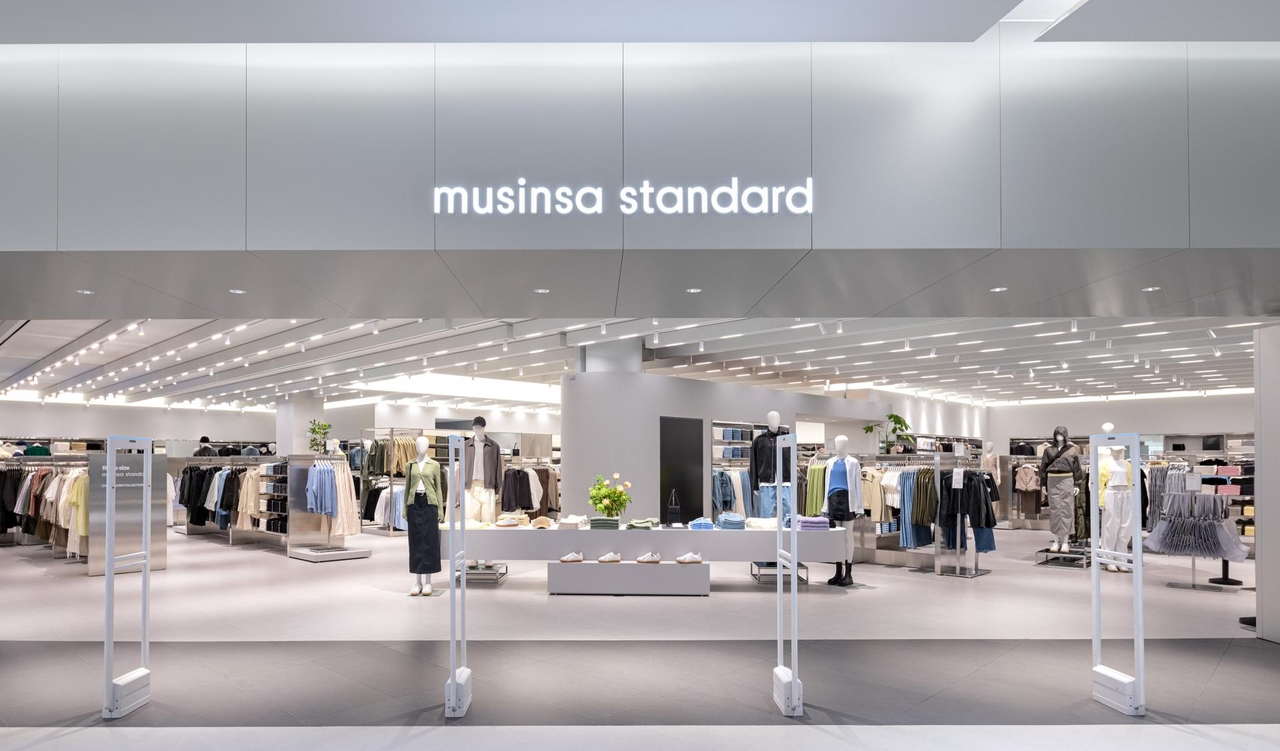
Ask anyone running a Korean fashion analytics dashboard what happens when a fourth-gen girl group idol is spotted in a piece, and they'll pull up the same graph shape. The 24-hour sales window after a Twice, ITZY, or aespa sighting typically shows a 200 to 400 percent spike, tracked through 무신사 and Style Share dashboards. Winter's Prada campaign photos moved not just Prada but the entire tonal-neutral rack across Korean mid-tier labels for weeks. Same with Karina, same with Chaeryeong. That's the ripple, and it's why CHERRYKOKO's celeb Instagram is essentially a live product signal.
The reason it works so consistently is 정 (jeong), Korean fandom's version of loyal attachment. Fans don't just want to look like an idol; they want to buy the exact piece to feel the emotional connection. That's a different purchase motive than Western celebrity endorsement, which is more aspirational than participatory. Korean fashion labels have figured out that jeong-driven buying converts at rates print media never touched.
How the Brand Actually Ships to You
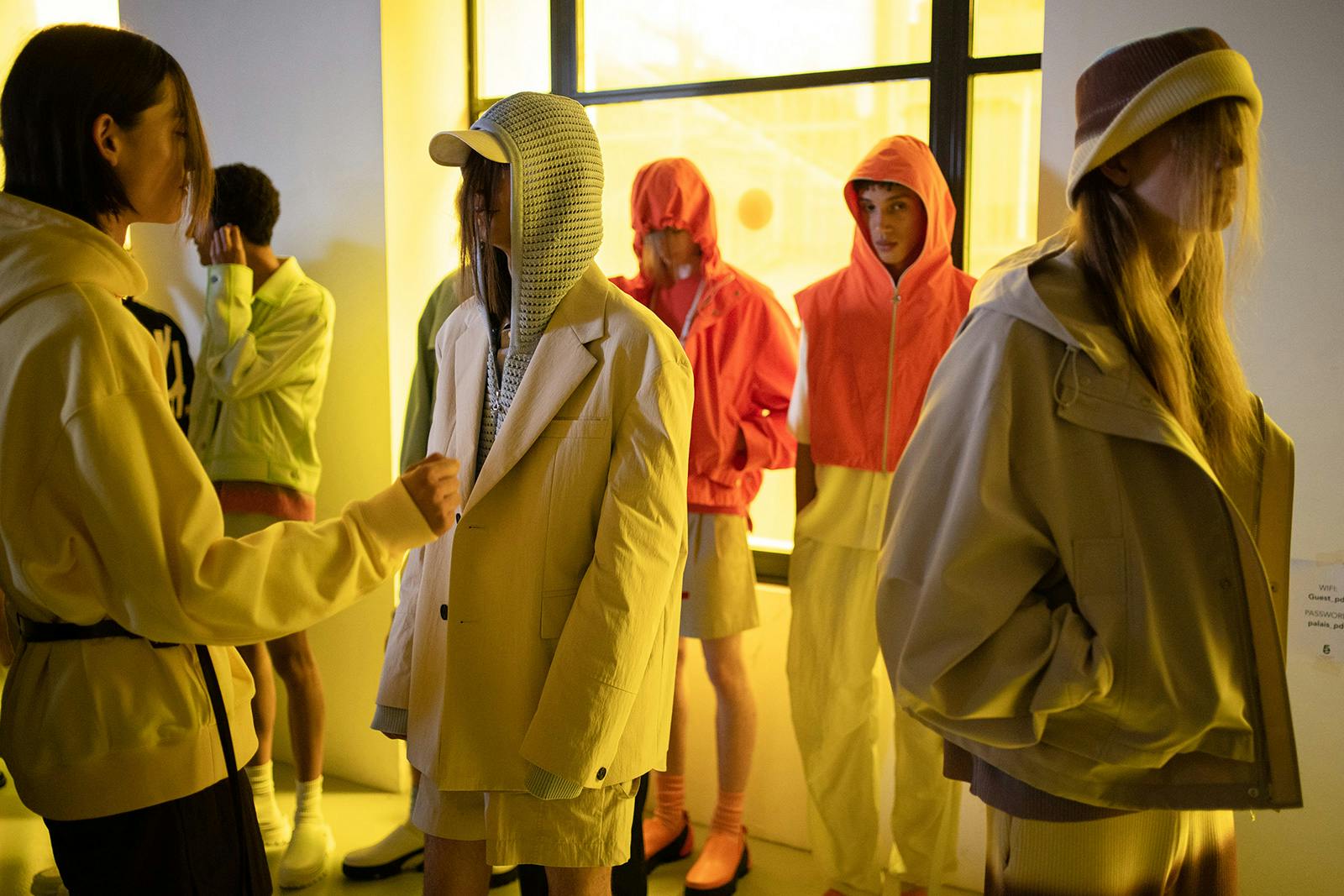
Practically speaking, CHERRYKOKO sells everything from accessories to outerwear across a price range that stretches from casual daily wear to statement outerwear. The outlet tab is where most first-time international buyers land, since discounts routinely hit 70 percent. The online store runs in Korean, English, Japanese, and Chinese, which is a small tell about where the export volume actually comes from (hint: Southeast Asia and Japan are much bigger for K-fashion than most people realize).
If you're a K-pop fan chasing an airport look you saw on IU or a stage outfit reminiscent of a Twice fancam, CHERRYKOKO is one of the reliable mid-tier entry points into what Korean stylists actually pull from. It's not hyper-Westernized. It's not trying to translate Seoul aesthetics for Milan buyers. That's precisely why the audience keeps growing: it's Seoul cool, direct from Seoul, shipped to your door.
Explore More of Korea with Daebak
Want to bring a little piece of Korea into your life? The Daebak Box is packed with the best Korean snacks, ramen, and cultural goodies delivered monthly to your door.


