


Table of Contents
Bubble tea is not Korean by origin (Taiwan invented it in the 1980s), but Korea has fully adopted the chewy, sweet, milky drink and remade it in its own image. Walk a single block in Hongdae or Gangnam and you will pass three or four bubble tea shops, each crowded with high school students, college dates, and office workers carrying signature plastic cups with oversized straws. Korean bubble tea, called beobeul ti (버블 티) or simply milk tea, is now a daily ritual for many young Koreans.
This guide walks through how Korean bubble tea culture works: the most popular shops, the brown sugar boba craze, the flavors Koreans actually order, the cafe culture around the drink, and where to try authentic Korean-style bubble tea outside Korea.
How Korea Discovered Bubble Tea
Bubble tea entered Korea in the early 2000s through small Taiwanese-style cafes near university districts, but it stayed a niche drink for nearly a decade. The real explosion came in 2018 and 2019, when Taiwanese chains like Gong Cha, Tiger Sugar, and Jenjudan opened high-design flagship stores in Hongdae and Gangnam and pushed bubble tea into mainstream Korean youth culture.
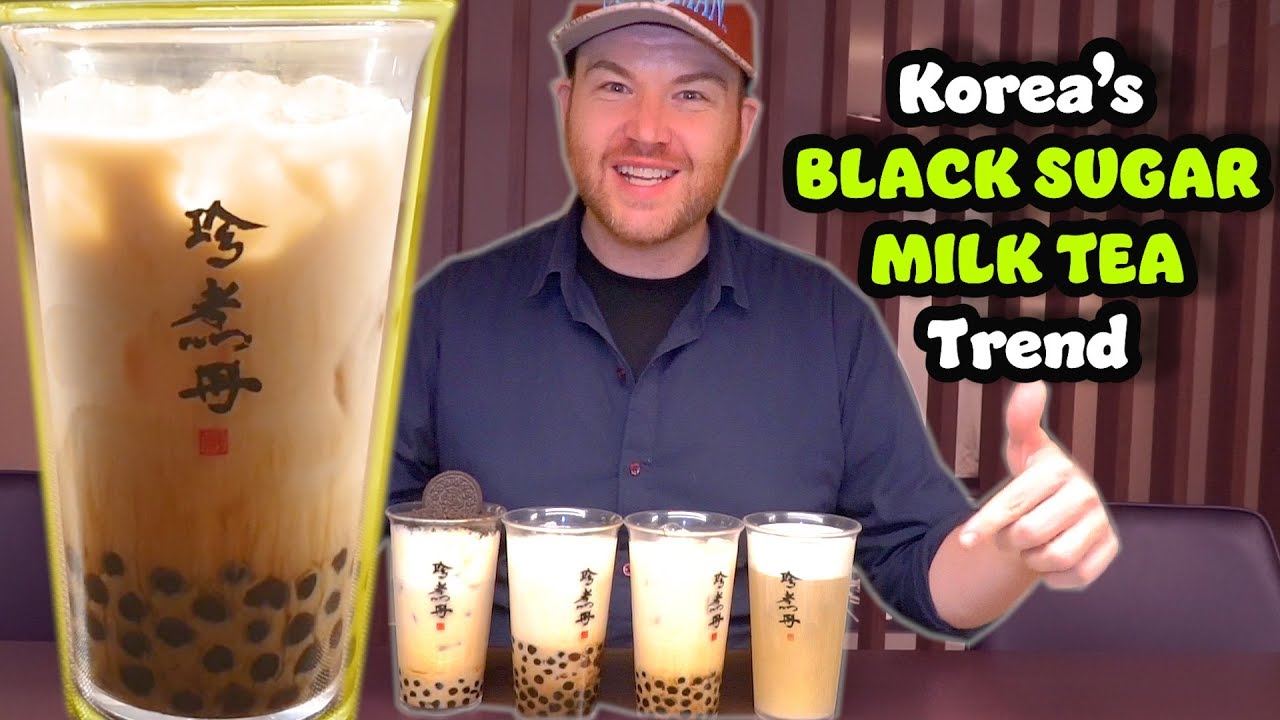
The format that hooked Korean drinkers was not the original taro or fruit boba. It was heuktang beobeul (흑당 버블), the brown sugar bubble milk drink, with its dramatic dark streaks of brown sugar syrup running down the inside of the cup and chewy pearls cooked in caramelized sugar. The look was made for Instagram, and Korean cafes responded by reformatting their entire menus around it.
The Major Korean Bubble Tea Chains
Korea's bubble tea market is dominated by a mix of imported Taiwanese chains and local brands. Gong Cha is the most ubiquitous, with hundreds of stores across the country and one of the deepest milk tea menus. Tiger Sugar set the brown sugar trend on fire when it opened in Korea, and Jenjudan (the Korean transliteration of "tapioca") became a celebrity-favorite chain with sleek modern interiors.
Homegrown chains have also carved out strong followings. Cofioca in Apgujeong famously hosts K-pop sightings (EXO members have stopped by repeatedly), Happyong (행복당) is known for thick brown sugar boba in Daegu, and dozens of indie cafes in Hongdae offer artisanal twists like Earl Grey boba, matcha boba, and fruit-tea boba with fresh fruit and chia seeds.
The Brown Sugar Boba Craze
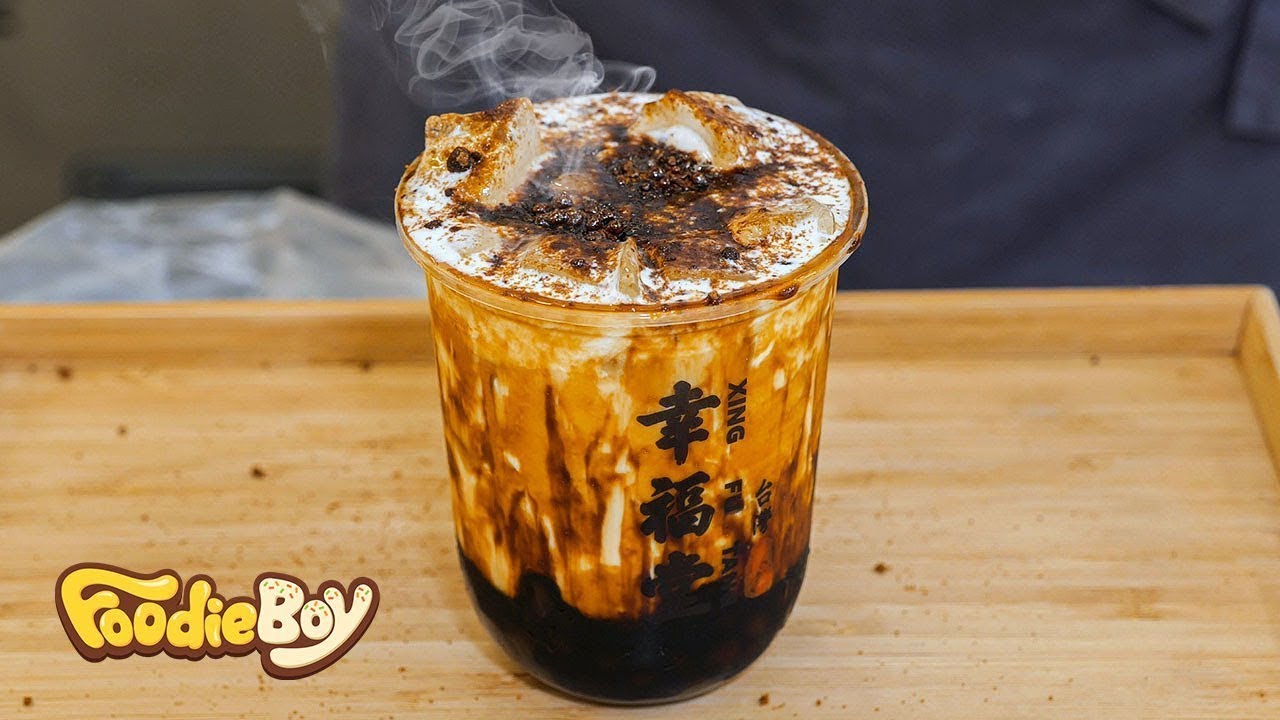
Brown sugar boba (heuktang beobeul) became Korea's defining bubble tea innovation. The drink involves cooking tapioca pearls in dark brown sugar syrup until they caramelize and absorb the sticky-sweet flavor, then pouring them into a cup with fresh milk so that the syrup forms striped streaks down the inside walls of the cup. The drink is shaken before drinking to combine the flavors.
For a stretch around 2019, the lines at Tiger Sugar and Jenjudan often ran an hour long, and brown sugar boba became a viral export from Korean food influencer videos. The trend has since cooled into a steady classic on most menus, but ordering it is still considered the "default" first-time bubble tea experience in Korea.
What Koreans Actually Order
The default Korean bubble tea order is a milk tea with regular tapioca pearls and 50 percent sweetness. From there, Korean drinkers tend to customize aggressively. Sweetness levels are typically 0, 30, 50, 70, or 100 percent, with most younger Koreans staying around 30 to 50 percent. Ice levels also vary from "less ice" to "no ice," and many shops let you choose whole milk, oat milk, or even fresh dairy.

Popular flavor categories include classic milk teas (black tea, jasmine, oolong), brown sugar series (with regular boba or with fresh milk and no tea), fruit teas (peach, strawberry, mango), and cheese tea (Korean cafes call this chijeu pom, with a thick salty-sweet cheese foam on top). Toppings beyond classic boba include grass jelly, pudding, red bean, and ai-yu jelly.
Bubble Tea Etiquette in Korean Cafes
Korean bubble tea cafes are built around a particular kind of social use: study sessions, dates, after-school meetups, and casual catch-ups. Most shops have generous seating, free Wi-Fi, and a quiet atmosphere that encourages staying for an hour or two. You order at the counter, receive a buzzer or wait time, and pick up your drink.
It is normal to camp at a table for hours with a single drink, especially in study cafes near universities. The Korean cafe ritual of ordering a bubble tea and a slice of cake or a sweet pastry has become its own cultural shorthand for "casual hangout," and many K-dramas use a bubble tea scene to signal that two characters are becoming friends rather than colleagues.
Making Korean-Style Bubble Tea at Home
Making Korean-style bubble tea at home is straightforward if you can find tapioca pearls. The brown sugar boba version requires three steps: cook the pearls in boiling water until tender, transfer them to a pan with dark brown sugar and a splash of water and reduce until caramelized, then layer the pearls and syrup in a cup before pouring in cold milk. Skip the tea entirely if you want the pure brown sugar milk version.
For a classic milk tea, brew a strong black tea (Assam or Ceylon works well), let it cool, then mix with sweetened condensed milk and ice. Stir in your cooked tapioca pearls and serve with a fat straw. The whole process takes about 30 minutes including cooking the pearls from dry.
Where to Try Korean-Style Bubble Tea Outside Korea
Most major cities outside Korea now have Gong Cha, Tiger Sugar, or Kung Fu Tea locations, all of which deliver something close to the Korean-style experience. Korean-specific chains have also expanded internationally: Cofioca and Sulbing (the bingsoo shop with bubble tea options) have flagship locations in major US and Southeast Asian cities. For a closer-to-Seoul vibe, look for Korean cafes near universities or Koreatowns rather than airport-mall chains.
Explore Korean Snacks with Daebak
Love Korean food? Get authentic Korean snacks and ramen delivered straight to your door with the SnackFever Box by Daebak.


