


Table of Contents
17 janvier 2020. Le premier single en avant-première pour Map of the Soul: 7 est dévoilé, et au lieu d'un teaser de chorégraphie K-pop tape-à-l'œil, Big Hit Entertainment offre au monde un film d'art de six minutes tourné dans le Los Angeles Theatre de style espagnol. Aucun membre n'apparaît à l'écran. Les danseurs ne sont pas des idoles coréennes. Il s'agit d'une troupe de danse contemporaine slovène. Pour quiconque suit les mécanismes de l'industrie de la K-pop, ce n'était pas un teaser. C'était une déclaration de principe.

Le « drop » qui n'était pas conçu pour les vues YouTube
Chaque grand retour de K-pop repose sur un chiffre : le nombre de vues YouTube en 24 heures. C'est la métrique qui vaut à un PDG de label un appel de Billboard. Alors, quand BTS sort un prélude qui est une pièce de danse contemporaine sans paroles ni membres, sur une bande-son symphonique-trap mélancolique, l'industrie s'arrête. Ce n'était pas conçu pour 100 millions de vues en une journée. C'était conçu pour être montré aux programmateurs de festivals de cinéma.
Et ce fut le cas. Le film d'art Black Swan 아트 필름 a été soumis au Marché du Film, le marché du court-métrage qui se déroule parallèlement au Festival de Cannes. La présence de contenu K-pop au marché de Cannes a marqué un changement de catégorie. Les budgets des vidéoclips en K-pop en 2020 étaient généralement consacrés à la conception des décors et aux répétitions de chorégraphie liées aux émissions de musique télévisées. Big Hit a plutôt investi le budget dans une cinématographie éligible aux festivals, des prises plus longues et une véritable troupe européenne avec un crédit de directeur artistique. Le MV existait indépendamment du nombre de vues. C'était un élément de positionnement culturel.
Pourquoi les ARMYs adorent cette partie : Les fans de BTS avaient passé trois ans à défendre le groupe contre les critiques qui les qualifiaient de « simple groupe d'idoles ». Black Swan est sorti et la conversation a basculé du jour au lendemain. Soudain, le New York Times publiait des articles sur la danse contemporaine. Cette validation a frappé durement une base de fans, et c'est la raison pour laquelle la chanson est encore citée comme un tournant dans la lore de BTS.
Pourquoi Big Hit s'est envolé pour la Slovénie pour une troupe de danse
Voici le secret que la plupart des fans ignorent. La chorégraphie K-pop suit un circuit très strict. Son Sung Deuk est le directeur de performance de longue date de BTS, et des labels comme SM et JYP ont des équipes internes similaires. Les collaborateurs externes sont généralement des noms comme Kasper de 1MILLION Dance Studio ou Yumeki Choreography. Contacter une compagnie de danse contemporaine européenne n'est tout simplement pas la façon de faire. L'écosystème interne des chorégraphes est trop efficace, trop bon marché, trop fermé.

Alors, quand Big Hit a engagé la MN Dance Company de Slovénie pour interpréter Black Swan avec son propre vocabulaire de danse 컨템포러리 댄스 contemporaine, le message à l'industrie était clair. BTS est positionné comme un groupe d'art, et non comme un groupe d'idoles. Le crédit de directeur de la chorégraphie 안무 디렉터 est allé à une troupe européenne extérieure dont le cadre artistique était entièrement distinct des conventions de la K-pop. C'est un signal budgétaire et de réputation. Vous ne faites pas venir la MN Dance Company à moins de vouloir dire au monde que vos artistes appartiennent à la même conversation que la tradition Pina Bausch.
C'est aussi la raison pour laquelle les groupes plus jeunes ont eu du mal à reproduire ce mouvement. La collaboration ne fonctionne que si l'artiste a déjà suffisamment de poids culturel pour côtoyer une troupe contemporaine européenne sans que la troupe ne semble être utilisée comme un accessoire. En 2020, BTS avait ce poids. Très peu de groupes ont réussi depuis.
La curation de Martha Graham par RM : comment BTS a gagné le respect critique occidental
Les paroles de Black Swan débutent par une phrase de Jimin que le public anglophone n'a peut-être pas immédiatement saisie : « le cœur ne s'emballe plus ». Cette phrase est un écho direct du célèbre essai de Martha Graham où elle écrit : « Un danseur meurt deux fois. Une fois quand il arrête de danser, et cette première mort est la plus douloureuse. » La citation de Graham apparaît à l'écran au début du film d'art. RM l'a sélectionnée.
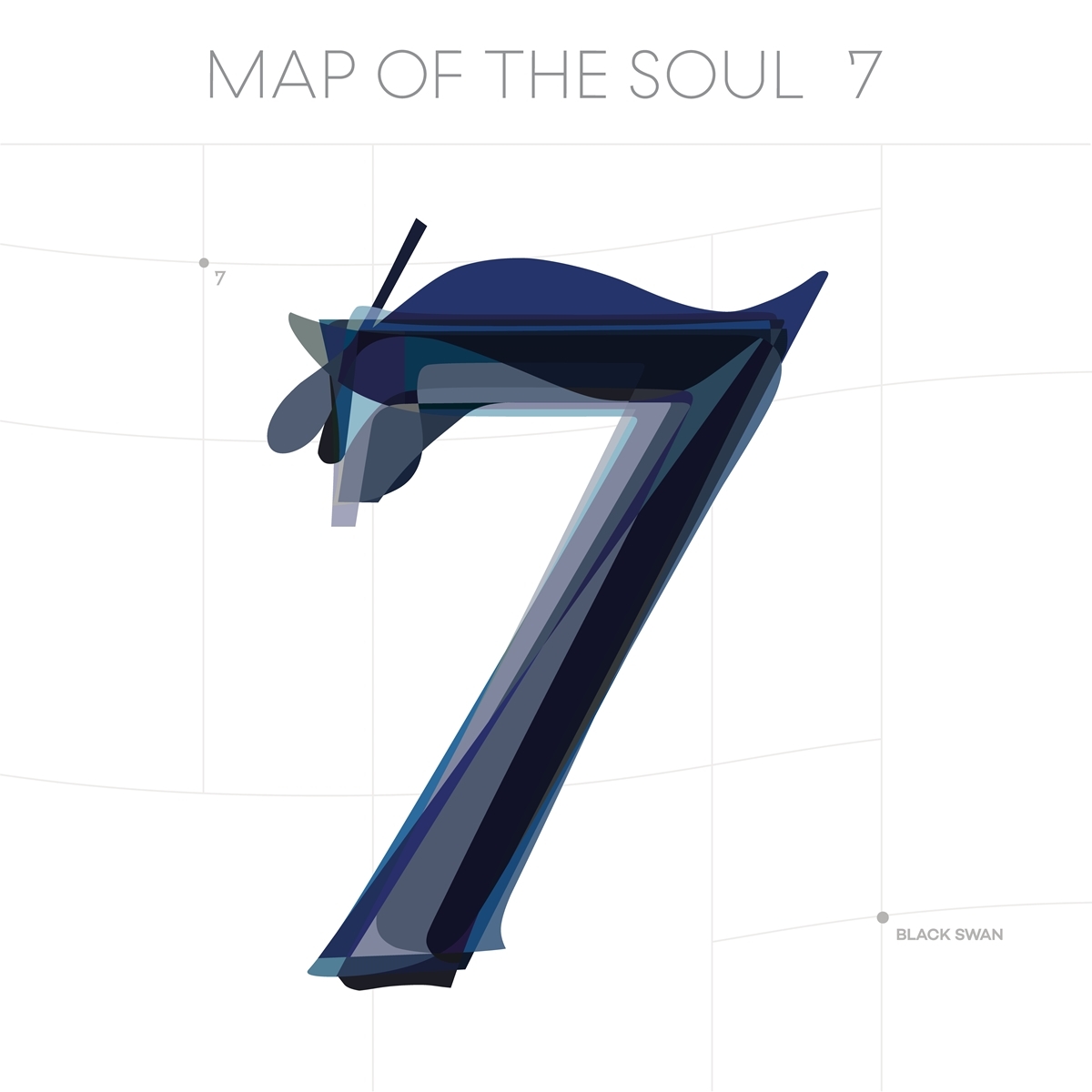
Voici l'aperçu de l'industrie que la presse occidentale a tendance à sous-estimer. Les leaders des groupes de K-pop n'ont presque jamais l'autorité curatoriale sur le cadre intellectuel d'un album. L'équipe A&R du label fait la curation. Le producteur fait la curation. Le travail du leader se limite généralement à donner des interviews et à écrire occasionnellement une chanson auto-composée. Le rôle de RM chez Big Hit était différent dès le début. Il parle couramment l'anglais, il lit en anglais, et la structure HYBE de Bang Si Hyuk lui a donné un véritable contrôle d'auteur sur les références qui entraient dans l'univers de BTS. Le cadre de Carl Jung de Map of the Soul, les références à Demian de Hermann Hesse dans Wings, le clin d'œil à Martha Graham ici, tout cela a été dirigé par RM.
Cette couche curatoriale est la raison la plus importante pour laquelle BTS a obtenu des articles sur Pitchfork et des couvertures de Rolling Stone qu'aucun autre acte K-pop n'a obtenu à l'époque. Les critiques musicaux occidentaux répondent à la curation littéraire parce que cela leur donne quelque chose à écrire au-delà des visuels. RM leur a donné un essai de Graham à citer. C'est ça le mécanisme.
Black Swan en tant que jeu de concept coréen : la mortalité au plafond de maturité de la K-pop
Les voies de concept de la K-pop ont un plafond tacite. Les groupes débutants se voient attribuer la jeunesse, l'école, le premier amour, l'été. Les groupes en milieu de carrière ont droit à la romance, au chagrin, à la découverte de soi. La mortalité est essentiellement hors de portée jusqu'à ce qu'un groupe ait gagné le droit d'y aller. Les groupes plus jeunes qui tentent des thèmes sombres ou existentiels ont tendance à être perçus comme un jeu de costumes, et non comme une expérience vécue.

En janvier 2020, BTS était actif depuis huit ans. Ils avaient acquis le droit de demander : « Que se passe-t-il si je n'aime plus ça ? » L'anxiété centrale de la chanson n'est pas le chagrin. C'est la peur que la chose qui donne un sens à votre vie, la musique, puisse un jour cesser de vous émouvoir. C'est une question d'artiste en milieu de carrière. Un groupe débutant qui la chanterait semblerait performatif. BTS qui la chante semblait mérité.
C'est aussi pourquoi Black Swan a résonné si profondément auprès des auditeurs coréens de la génération Y qui vieillissaient et sortaient de la démographie typique de la K-pop. La chanson leur a donné la permission d'intégrer la K-pop dans le même espace émotionnel que leurs propres anxiétés du début de la trentaine. Ce chevauchement démographique est rare dans le genre et explique en partie pourquoi Map of the Soul: 7 reste l'album le plus vendu de BTS en Corée.
Le modèle que d'autres groupes copient encore
Parcourez la liste de HYBE après 2020 et vous verrez les empreintes de Black Swan partout. L'ère The Chaos Chapter de TXT a misé sur une mise en scène sombre et existentielle avec les titres Frost et Eternally. Les concepts vampiriques Border et Dimension d'ENHYPEN ont largement emprunté aux visuels mélancoliques et contemporains que Black Swan a rendus viables. Même en dehors de HYBE, les ères Maniac et Charmer de Stray Kids chez JYP ont fait écho au modèle Black Swan de concept sombre plus film d'art axé sur la danse.

Le mécanisme ici est simple. Les équipes A&R de la K-pop observent ce qui fonctionne pour le leader du marché et s'adaptent. Avant Black Swan, les concepts sombres ou introspectifs étaient considérés comme commercialement risqués pour les groupes de garçons de moins de trois ans. Black Swan a prouvé qu'un film d'art sur la peur de perdre la passion pouvait vendre 4 millions d'unités d'albums la première semaine. Cela a brisé le modèle de risque. Soudain, la réunion de planification de chaque label incluait une diapositive intitulée « voie introspective ». Le lien entre BTS Black Swan en 2020 et BTS Yet to Come en 2022 est le même registre émotionnel, et toute la quatrième génération de HYBE a depuis travaillé sur des variations de ce modèle.
BTS a également lancé le projet Connect, BTS en même temps que Black Swan, commandant 22 artistes dans 5 villes dont Londres, Berlin, Buenos Aires, Séoul et New York pour des installations d'art contemporain. Ce déploiement parallèle a renforcé le cadrage. Black Swan n'était pas une chanson qui se trouvait être accompagnée d'un film d'art. Elle faisait partie d'une campagne culturelle intégrée positionnant BTS comme mécènes de l'art contemporain, et non comme des consommateurs. Cette distinction est ce qui a fait basculer la conversation critique occidentale et a donné à l'industrie de la K-pop la permission de penser plus grand que les vues YouTube.
Six ans plus tard, Black Swan est toujours projeté dans les cinémas d'art et d'essai de Séoul lors des rétrospectives de BTS. C'est cela, plus que les chiffres de streaming, qui constitue l'héritage.
Envie de plus de culture K-pop tous les mois ?
Daebak Box vous apporte chaque mois une sélection organisée de snacks coréens authentiques, d'articles de style de vie et d'objets de collection K-pop en édition limitée. Connectez-vous à la culture derrière la musique que vous aimez.


