


Table of Contents
La culture des bars coréens repose sur bien plus que l'alcool. Elle est bâtie sur la bâche orange d'un pojangmacha au bord de la route, le lieu jaune séché suspendu dans une allée d'Euljiro, et la règle tacite selon laquelle le buveur le plus jeune sert d'abord l'aîné. Des tentes de rue de Jongno aux salons de whisky d'Apgujeong, les lieux de consommation en Corée du Sud reflètent des décennies de changement social, d'identité régionale et le rôle central de l'anju, la nourriture qui accompagne toujours la boisson.
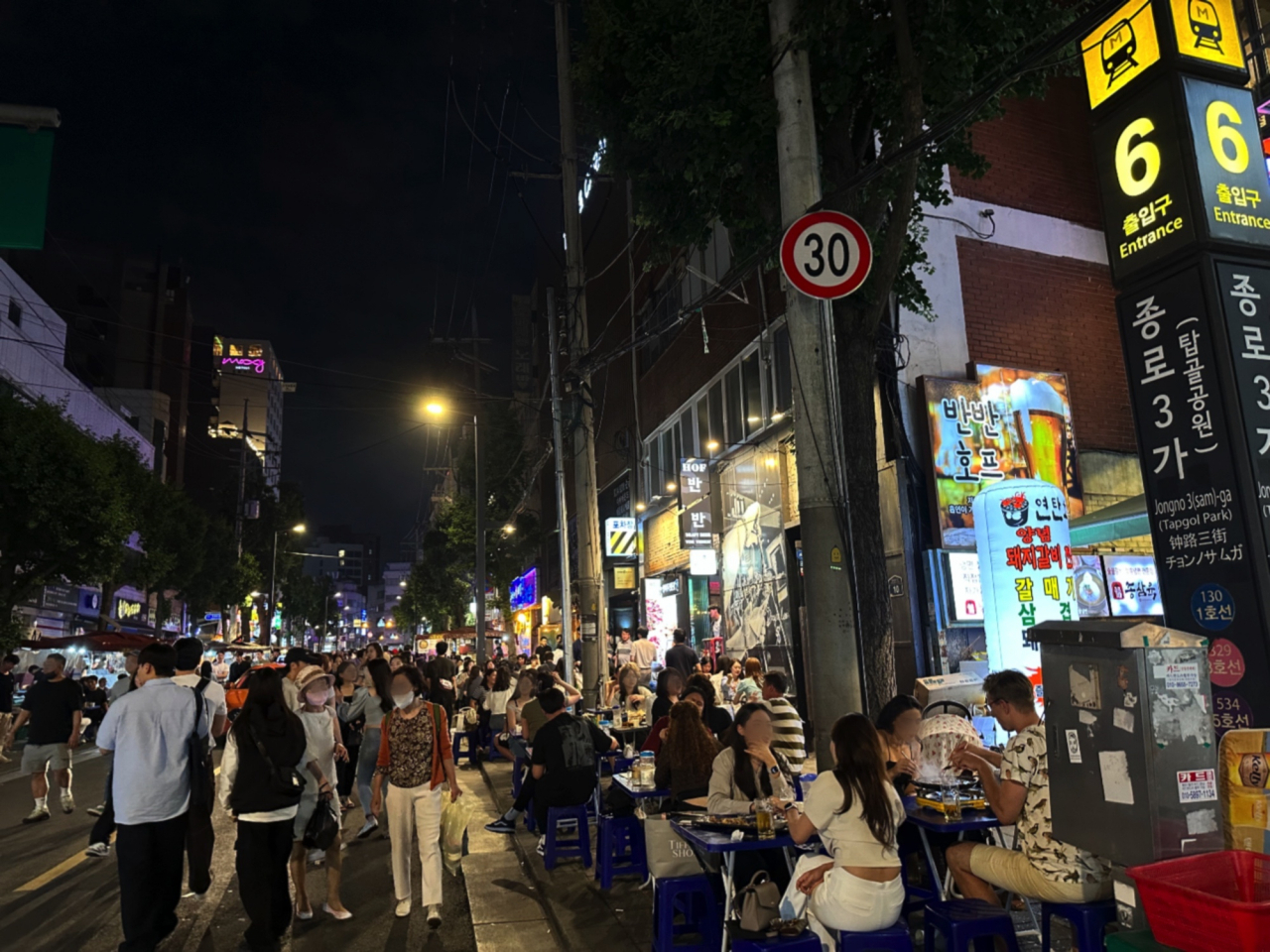
Pocha et Pojangmacha : le classique de la tente orange
Le pojangmacha, souvent abrégé en pocha, est le symbole le plus reconnaissable de la consommation d'alcool en Corée. Le terme signifie littéralement chariot couvert, et le format moderne remonte aux années 1950, lorsque des colporteurs ont commencé à faire rouler de petites charrettes le long du Cheonggyecheon à Séoul. Dans les années 1970, alors que la culture du travail palli-palli du pays prolongeait les heures de bureau jusque tard dans la nuit, des tentes à bâche orange avec des tabourets en plastique et un seul réchaud à charbon étaient devenues un élément incontournable du trajet domicile-travail après le travail. Le Korea Herald note que la rue Pojangmacha de Jongno 3-ga attire toujours de longues files d'attente, les touristes faisant la queue pendant plus d'une heure pour une place en extérieur, même si les stands empiètent techniquement sur les trottoirs publics.
Une distinction est importante sur le terrain. Les pojangmacha de rue sous tente cuisinent directement sur le chariot et fonctionnent généralement sans licence, tandis que les silnae pocha intérieurs sont des bars sous licence qui empruntent l'atmosphère décontractée. Les deux servent du soju et de la bière, mais seules les tentes originales ont le charme officieux que les drames coréens ont transformé en un raccourci national pour les confessions nocturnes.
Hopejip : Le pub de bière coréen et le boom du Chimaek
Le mot hopejip vient de l'allemand Hof, et ces pubs de bière décontractés sont l'endroit où la plupart des Coréens rencontrent pour la première fois le poulet frit servi à la pression. La combinaison de poulet et de bière, appelée chimaek, est devenue l'accord signature de la Corée. Selon une enquête citée par KED Global, le poulet frit à la coréenne a été le plat coréen le plus apprécié des consommateurs internationaux pendant quatre années consécutives jusqu'en 2023, devant le kimchi et le bibimbap en termes de préférence.
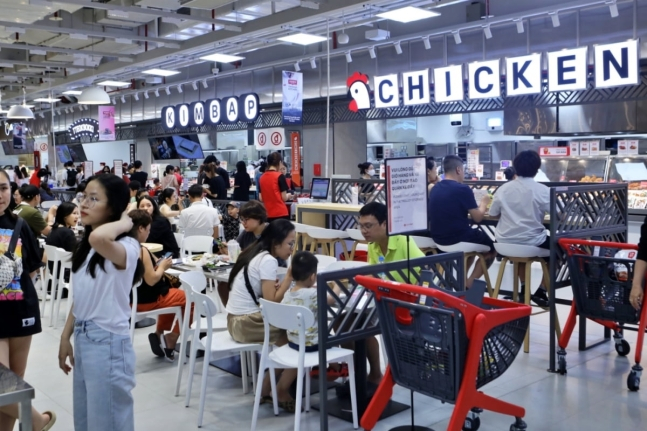
Un menu hopejip propose généralement des variantes de poulet frit, de la salade d'escargots de mer golbaengi muchim, du calmar séché et de la crêpe aux fruits de mer et ciboulette appelée haemul pajeon. Des marques comme Kyochon, BBQ, BHC et Kkanbu ont exporté le modèle à l'étranger, mais l'expérience hopejip originale reste domestique, avec des sets de table en papier, des chopes de lager pâle et des tables qui se remplissent peu après la fin des heures de bureau.
Allée Euljiro Nogari et la boisson industrielle ancienne
Si les pojangmacha représentent la consommation d'alcool de rue, l'allée Euljiro Nogari représente la version de l'employé de bureau. Au sud de Cheonggyecheon, la zone était historiquement remplie d'imprimeries et de grossistes en électricité, et un groupe de pubs s'est développé autour d'eux. Manseon Hof est l'adresse la plus célèbre de l'allée, servant des verres de bière pression pour environ 3 000 wons accompagnés de nogari grillé, du jeune lieu jaune séché, pour 1 000 wons pièce. Le Korea Herald décrit dix-sept pubs fonctionnant le long de la bande, avec des chaises en plastique rouge vif débordant sous des toits parsemés de drapeaux en été.
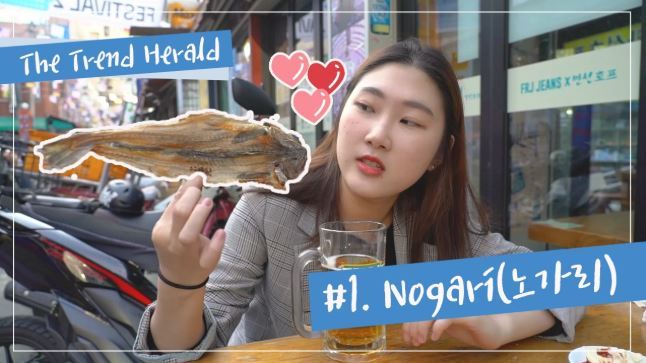
La pression de la rénovation plane sur l'allée depuis des années, les responsables de Séoul hésitant à plusieurs reprises entre la démolition et la préservation. Pour l'instant, le format sans prétention perdure, attirant aussi bien les retraités qu'un public plus jeune en quête de l'esthétique industriel-chic qui s'est répandue dans les cafés et galeries d'Euljiro.
Maisons de Makgeolli : le retour du vin de riz
Le Makgeolli, ce vin de riz non raffiné et trouble, était un aliment de base de la classe ouvrière jusqu'aux années 1980 avant que l'alcool occidental ne le supplante. Il est revenu dans les années 2010 et 2020 grâce aux makgeolli jip dédiés, où les jeunes consommateurs apprécient sa teneur en alcool plus faible, de 6 à 8 %. Le Korea Times a documenté des bars suljip modernes comme Soobul à Gwanghwamun et Mowmow à Itaewon qui expérimentent des variations de mûre, d'omija, de raisin vert et de châtaigne sur la boisson traditionnelle.
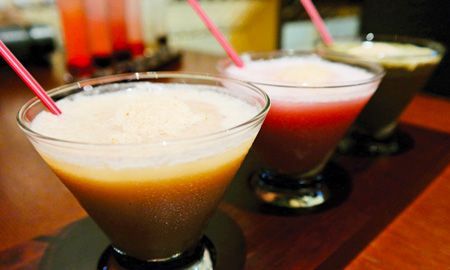
Des bars comme Damotori à Yongsan et Mr. Ahn's Craft Makgeolli ont créé des dégustations autour de brassins régionaux, tandis que les jujeom traditionnels des quartiers universitaires comme Sinchon et Hyehwa associent le makgeolli au bossam et à la crêpe au kimchi. La boisson qui définissait autrefois le travail agricole est désormais le signe d'un renouveau artisanal.
Bars à whisky, bars à vin et le virage haut de gamme
Les années 2020 ont remodelé le paysage de la consommation d'alcool haut de gamme en Corée. Les importations de whisky ont bondi, et Itaewon, Apgujeong Rodeo et Cheongdam accueillent désormais un nombre croissant de bars à whisky de style speakeasy. Les bars à vin ont explosé en popularité après 2020, lorsque les données douanières ont montré que les importations de vin dépassaient celles de whisky en volume avant que le whisky ne reprenne la tête. Hannam-dong, Seongsu et Yeonnam ont absorbé une grande partie de cette croissance, avec des bars à vin naturel et des suljip à petite échelle côtoyant les salons de cocktails.
Les hybrides de bars karaoké connus sous le nom de noraebang avec service d'alcool coexistent toujours avec ces établissements haut de gamme, tandis que des établissements de divertissement controversés comme les room salons et les danranjujeom existent comme une catégorie culturelle distincte que les observateurs ont tendance à discuter mais rarement à recommander.
Anju : La nourriture qui accompagne la boisson
Aucun lieu de consommation coréen ne fonctionne sans anju, les en-cas et les plats qui partagent la table avec l'alcool. L'office de tourisme de Séoul, Visit Seoul, décrit le chimaek comme l'incontournable de fin de soirée livré sur les couvertures de pique-nique du fleuve Han, où le poulet frit et la bière en conserve arrivent en vingt minutes. D'autres anju classiques incluent le jokbal, des pieds de porc coupés en tranches servis froids avec une sauce aux crevettes, et le bossam, du porc bouilli enveloppé dans de la laitue avec des huîtres crues en hiver.
Les menus des pojangmacha proposent principalement des dakbal (pieds de poulet épicés), des brochettes de gâteaux de poisson odeng, des gâteaux de riz tteokbokki à la sauce gochujang et du boudin noir sundae. Les anju séchés comme le calmar, les cacahuètes et les combinaisons calmar-cacahuètes appelées ojingeo ttangkong restent sur la table à chaque nouvelle commande. Les bars à crêpes, appelés jeon jip, sont spécialisés dans la crêpe aux fruits de mer et ciboulette haemul pajeon et le kimchi jeon, tous deux traditionnellement accompagnés de makgeolli les jours de pluie, un accord enraciné dans l'idée que le son de la pâte à frire imite celui de la pluie.
Où les Coréens boivent : Les rues de bars de Séoul
Les différents quartiers de Séoul ont des identités de consommation différentes. Hongdae reste le centre de la jeunesse et de la scène indépendante, ancré par les étudiants universitaires et les salles de musique live. Itaewon conserve son profil international et LGBTQ-friendly, se remettant par étapes de la bousculade d'Halloween 2022. Apgujeong Rodeo et Cheongdam représentent le niveau des salons haut de gamme, tandis que Gangnam concentre les karaokés et les dîners de groupe axés sur les affaires. Gyeongnidan et Haebangchon ont bâti leur réputation sur la bière artisanale, bien que l'ère COVID-19 ait clairsemé plusieurs bars de musique live de longue date. Euljiro dégage une ambiance industriel-chic avec son allée nogari, et Jongno 3-ga abrite la rue pojangmacha la plus concentrée encore en activité dans le centre de Séoul.
L'étiquette de la boisson et l'essor de la consommation solitaire
L'étiquette de la boisson coréenne reste un code culturel reconnaissable. Le plus jeune membre sert d'abord le plus âgé, en utilisant les deux mains pour manipuler la bouteille ou recevoir une tasse. Les buveurs tournent la tête d'environ quinze degrés loin des invités plus âgés lorsqu'ils prennent leur première gorgée. Les recharges ne se font que pour les verres vides, pas pour les verres partiellement pleins.
Le changement le plus récent est le honsul, la consommation solitaire, qui s'est répandue rapidement à la fin des années 2010 et s'est accélérée pendant la pandémie. Les rayons de vin des supérettes, les bouteilles de makgeolli individuelles et les bars honsul-friendly avec des sièges au comptoir se sont multipliés à Séoul. Combiné au lent déclin des sessions de boisson forcées après le travail, le changement signale une culture qui évolue vers le choix personnel sans abandonner la tente commune.
Découvrez la Corée avec Daebak
Envie d'intégrer un petit bout de Corée à votre vie ? La Daebak Box regorge des meilleurs snacks coréens, de ramen et de douceurs culturelles livrés chaque mois à votre porte.


