


Table of Contents
La poterie coréenne est l'une des traditions artisanales les plus influentes d'Asie, façonnée par plus de mille ans d'innovation à travers trois styles emblématiques : le céladon Goryeo vert-jade, le baekja Joseon d'un blanc pur, et la faïence buncheong brute et moderniste. Ces œuvres ont établi des records aux enchères, inspiré les maîtres de thé japonais et Bernard Leach, et continuent de définir l'identité visuelle de la Corée, du chaudron des Jeux olympiques de Pyeongchang aux décors des K-dramas.
Ce guide présente les trois styles principaux, les villes historiques de fourneaux où ils furent fabriqués, les maîtres vivants qui perpétuent cet artisanat, ainsi que les musées, festivals et boutiques où l'on peut aujourd'hui admirer et acheter de la poterie coréenne.
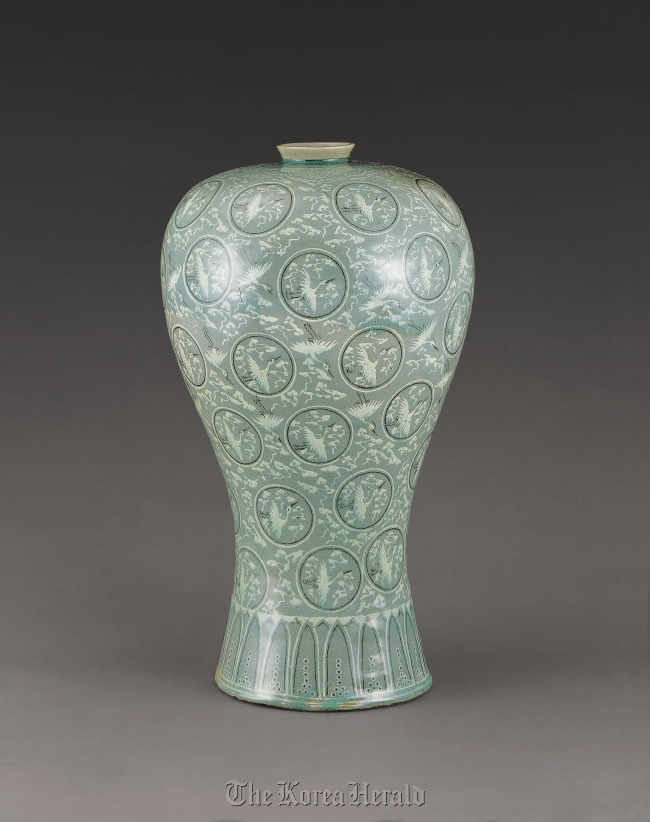
Cheongja (Céladon) : La gloire vert-jade de Goryeo
Le cheongja, ou céladon, est la poterie qui a fait la renommée du Royaume de Goryeo (de 918 à 1392) à travers toute l'Asie de l'Est. Son subtil glaçage bleu-vert était si admiré que l'écrivain chinois du XIIe siècle, Taiping Laoren, a classé la « couleur vert-jade lumineuse » de Goryeo parmi les « meilleures sous le ciel ». Les fours royaux produisaient des flacons de cosmétiques, des brûle-encens, des bols à thé, des vases à eau kundika et l'emblématique maebyeong, un vase à « prunes » à épaulement haut.
Les potiers de Goryeo ont perfectionné une technique coréenne unique appelée sanggam (incrustation), dans laquelle des motifs sont sculptés dans l'argile, remplis d'engobe noir et blanc, puis émaillés et cuits. Le contraste des grues blanches nettes et des nuages sombres sur le glaçage céladon translucide est ce qui rend des pièces comme le Trésor national n° 68 inestimables ; le collectionneur Chun Hyeong-pil a vendu 20 maisons dans le centre de Séoul pour en empêcher une de tomber entre les mains japonaises pendant la période coloniale.
Baekja (Porcelaine Blanche) : L'esthétique discrète de Joseon
Lorsque la dynastie Joseon (de 1392 à 1910) a remplacé Goryeo, ses idéaux confucéens de retenue, de modestie et de pureté ont transformé la céramique coréenne. Le goût de la cour est passé des incrustations élaborées au baekja, une porcelaine d'un blanc pur produite pour la maison royale dans les fours officiels de Bunwon à Gwangju, juste à l'extérieur de Séoul. Les formes sont devenues plus simples, les parois plus minces, et l'émail blanc est devenu une affirmation de caractère moral.
La forme de baekja la plus célébrée est le « pot lune », ou dalhangari, une sphère blanc laiteux construite en joignant deux bols hémisphériques au centre. La plupart des pots lunes s'affaissent légèrement pendant la cuisson, produisant ce que les conservateurs appellent la « symétrie de l'asymétrie ». Seuls environ 20 grands exemplaires subsistent dans le monde, c'est pourquoi un seul pot lune du XVIIIe siècle s'est vendu 4,56 millions de dollars chez Christie's en 2023, et un autre a rapporté 2,83 millions de dollars en 2025.

Buncheong : La grès moderniste avant son temps
Entre la chute du céladon Goryeo et l'essor de la porcelaine blanche Joseon, les potiers coréens ont produit le buncheong, un grès gris-vert recouvert d'engobe blanc, puis incisé, estampillé, peint ou brossé de motifs audacieux, presque caricaturaux. Fabriqué grosso modo de la fin du XIVe au XVIe siècle, le buncheong est brut là où le céladon est raffiné, et sa décoration libre et gestuelle semble étonnamment moderne.
Les maîtres de thé japonais se sont emparés de la beauté rustique du buncheong pendant la guerre d'Imjin (1592 à 1598), lorsque les potiers coréens ont été emmenés de force à Kyushu et sont devenus les fondateurs de la poterie Arita et Karatsu. Trois cents ans plus tard, l'esprit du buncheong a atteint l'Occident par l'intermédiaire de Bernard Leach et du mouvement mingei japonais, influençant la poterie d'atelier dans le monde entier. Une bouteille buncheong du Cleveland Museum of Art provenant de la province de Jeolla montre un corb souriant sculpté en lignes sgraffito audacieuses, le genre d'esprit chaleureux qui attire les potiers contemporains vers ce style.

Les villes historiques de fourneaux
Chaque style de céramique coréenne est lié à une région. Gangjin dans le Jeolla du Sud et Buan dans le Jeolla du Nord étaient les deux grands centres du cheongja Goryeo, approvisionnés en argile riche en fer et en forêts de pins pour les longues cuissons en réduction qui produisaient le célèbre glaçure bleu-vert. Aujourd'hui, le Musée du Céladon Goryeo et les sites de fours reconstruits à Daegu-myeon, Gangjin, sont les meilleurs endroits pour comprendre comment cet artisanat fonctionnait.
Le baekja Joseon était centré sur les fours royaux de Bunwon-ri à Gwangju, avec Yeoju, Icheon et Mungyeong comme producteurs régionaux importants. Icheon, à environ 90 minutes au sud-est de Séoul, est toujours la capitale de la poterie coréenne. Environ 300 artisans en activité et 40 fours traditionnels opèrent dans et autour du village de céramique d'Icheon, où les maîtres vivent et travaillent sur place aux côtés du quartier des galeries modernes de Ye's Park.
Maîtres vivants et la désignation "Maître Artisan"
Le gouvernement coréen reconnaît officiellement ses meilleurs potiers par la désignation de « maître artisan », un titre recommandé par les pairs pour les artisans qui ont travaillé dans le métier pendant des décennies et atteint le plus haut niveau technique et artistique. La plupart des récipiendaires travaillent la poterie depuis 50 à 60 ans avant que le grade ne soit accordé.
Parmi les noms à retenir, citons le maître du céladon Yu Hae-gang, le maître de la porcelaine blanche Kim Pan-gi, le maître Seo Gwang-su basé à Icheon, qui brise personnellement toute pièce de baekja qui ne répond pas à ses normes, et le maître Kim Seyong, connu pour ses pièces de céladon double paroi sculptées à la main et collectionnées dans le monde entier. Des céramistes contemporains tels que Lee Kang-hyo (dont le vase buncheong est exposé au V&A) et le regretté Park Seo-bo poussent la tradition vers l'art des galeries et des installations.

Où voir et acheter de la poterie coréenne
Pour une immersion profonde, le Musée national de Corée à Yongsan, Séoul, possède la collection la plus complète de céladon, de baekja et de buncheong au monde, y compris des dizaines de Trésors nationaux. De l'autre côté de la rivière, à Itaewon, le Leeum Museum of Art (géré par la Fondation Samsung) expose une collection privée de 36 trésors céramiques désignés nationalement, souvent associés à des pièces contemporaines comme le « Vase traduit » de Yee Sookyung. Les grands musées américains, dont le Met, le Cleveland Museum of Art, l'Asian Art Museum SF et l'Art Institute of Chicago, ont tous des galeries coréennes dédiées.
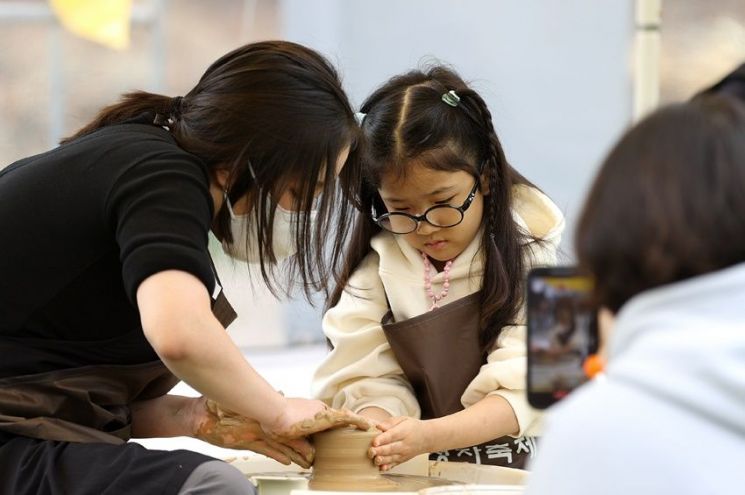
Pour le shopping et les ateliers, le village de céramique d'Icheon et Ye's Park sont les destinations incontournables, avec des cours de tournage pour les visiteurs de tout niveau. Les galeries d'Insadong, dans le centre de Séoul, proposent à la fois des pièces patrimoniales et contemporaines. Le festival annuel du céladon de Gangjin, fin février, attire plus de 50 000 visiteurs pour des démonstrations de tournage, de peinture sur céladon et de maîtres, tandis que Mungyeong organise son propre festival de céramique traditionnelle chaque mai.
La poterie coréenne dans les K-dramas et la culture populaire
Si vous avez regardé Mr. Sunshine, Pachinko ou Itaewon Class, vous avez vu la poterie coréenne utilisée comme un raccourci visuel pour l'identité culturelle. Le chaudron des Jeux olympiques d'hiver de Pyeongchang 2018 a directement pris sa forme du pot lune, et les décorateurs de K-dramas contemporains intègrent régulièrement des pièces de baekja et de buncheong dans les bureaux d'érudits et les scènes de thé. Des pots lunes de l'ère Joseon apparaissent également dans les résidences officielles des présidents coréens, et les reproductions sont un cadeau diplomatique populaire.
Découvrez l'artisanat coréen avec SULSUL
Rapportez chez vous un morceau de la tradition artisanale vivante de Corée avec la SULSUL Box de Daebak, comprenant un norigae fait à la main, une broche libellule et un kit de bracelet noué à faire soi-même qui célèbrent l'artisanat traditionnel coréen.


