


Table of Contents
Peu de paysages capturent le côté paisible de la Corée comme ses champs de thé vert vallonnés. Des chemins bordés de cèdres de Daehan Dawon à Boseong aux parcelles de montagne sauvages de Hadong et aux plaines volcaniques d'Osulloc à Jeju, la région du thé coréen offre aux voyageurs mille ans de culture dans une seule tasse parfumée. Ce guide présente les trois meilleures régions de thé, ce qui rend le thé vert coréen unique et comment planifier un voyage autour de la récolte de mai.

Boseong : le champ de thé le plus photographié de Corée
Niché dans les douces collines du Jeollanam-do, Boseong est la capitale coréenne du thé vert. L'attraction phare est Daehan Dawon, où des rangées de théiers ondulent sur une colline de 350 mètres bordée de grands cèdres. La plantation est responsable d'environ 40 % de la production de thé coréen et compte plus de 5,8 millions de théiers sur des pentes en terrasses, ce qui en fait la plus grande et la plus emblématique plantation du pays.
Daehan Dawon est apparue dans des dramas comme Summer Scent et The Legend of the Blue Sea, et son pont d'observation donne sur la mer du Sud par temps clair. L'entrée est de 4 000 wons pour les adultes, et la plantation est ouverte tous les jours de 9h à 18h entre mars et octobre.
Le Festival du thé vert de Boseong en mai
Chaque année en mai, Boseong accueille le Festival du thé vert de Boseong (Dahyangje), une célébration de cinq jours qui coïncide avec la récolte de printemps. Les visiteurs peuvent cueillir des feuilles de thé avec les agriculteurs, les torréfier dans un chaudron en fer forgé, fabriquer leurs propres bols à thé et parcourir le sentier de randonnée "Tea Fields Healing Trekking". Le festival 2026 aura lieu du 1er au 5 mai au Parc culturel du thé coréen et dans les champs de thé environnants, avec entrée gratuite.
Pour les visiteurs d'hiver, le Festival des lumières de Boseong illumine des millions de LED à travers les théiers de la mi-novembre au début janvier, attirant plus de 300 000 visiteurs chaque année.

Hadong : le thé sauvage original du Silla du VIIIe siècle
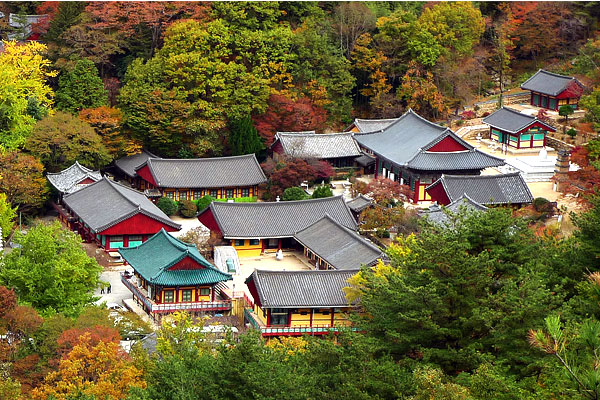
Si Boseong est la vitrine du thé coréen, Hadong en est le berceau. Selon les archives historiques, un émissaire nommé Daeryeom revint de Tang en Chine en 828 après J.-C. sous le règne du roi Heungdeok de Silla, et le roi ordonna que les graines soient plantées sur les pentes du Jirisan. Ces buissons originaux poussent encore à l'état sauvage autour de Ssanggyesa, un temple fondé en 722 après J.-C. qui est largement considéré comme la première ferme de thé de Corée.
Contrairement aux rangées bien entretenues de Boseong, le thé de Hadong pousse en parcelles sauvages le long des ruisseaux et des collines, entretenu par des familles depuis des générations. L'UNESCO a reconnu l'agrosystème traditionnel du thé de Hadong comme un système agricole du patrimoine mondial d'importance mondiale, et le thé est toujours cueilli à la main, trié sur des nattes de paille, frotté à la main et séché sur du papier hanji, tout comme il y a mille ans.
Le Festival culturel du thé sauvage de Hadong
Organisé chaque année en mai au Centre culturel du thé et dans les jardins autour du temple Ssanggyesa, le Festival culturel du thé sauvage de Hadong est l'endroit idéal pour déguster le thé le plus ancien de Corée. La 27e édition a proposé 50 programmes sur cinq jours, avec des cours de fabrication de thé, une promenade sur la route du mille-parfum du millénaire, des cérémonies du thé dirigées par des moines à Ssanggyesa, et le concours du plus bel endroit de thé de Corée. Les réservations se font via le site officiel du comté de Hadong.

Musée du thé Osulloc de Jeju : une expérience de thé moderne
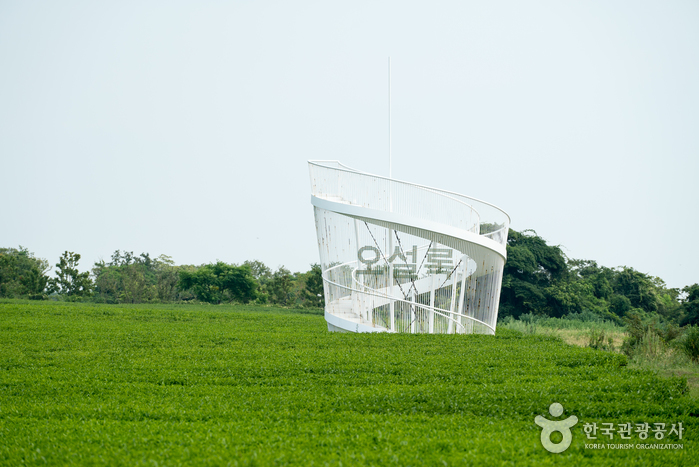
Pour une expérience de thé plus contemporaine, direction le sud, vers l'île de Jeju. Le musée du thé Osulloc a ouvert ses portes en 2001 en tant que premier musée du thé de Corée, fondé par Amorepacific, le conglomérat derrière des marques de beauté comme Innisfree, Laneige et Sulwhasoo. Le musée est situé à côté du jardin de thé de Seogwang, la plus grande plantation de thé unique de Corée, prospérant dans le sol volcanique et le climat subtropical doux de Jeju.
L'entrée est gratuite, et les visiteurs peuvent déguster de la glace au thé vert, du tiramisu au matcha, des lattes au thé préparés à la main, et une exposition tournante sur l'histoire du thé coréen. Juste à côté, l'Innisfree Jeju House sert des desserts bio au thé vert avec vue sur les champs de thé, complétant ce qui est devenu l'une des destinations les plus visitées de Jeju avec environ deux millions de visiteurs annuels.
Ce qui rend le thé vert coréen différent
Le thé vert coréen est classé en fonction du moment de la récolte plutôt que de la région. La première cueillette, l'Ujeon, est récoltée avant les pluies de gogu fin avril et est la qualité la plus rare. Le Sejak, qui signifie « langue de moineau fine », est cueilli sur les nouveaux bourgeons tendres début mai, avant l'ipha (le début de l'été). Le Jakseol, ou « langue de moineau », désigne ces jeunes feuilles qui ressemblent à la langue d'un petit oiseau lorsqu'elles sont enroulées.
Deux cultivars coréens clés produisent la majeure partie du thé du pays. Le Jaesong est le cultivar tolérant au froid dominant à Boseong, tandis que le Nokwoo (souvent mélangé à des souches sauvages indigènes) a le profil plus rond et plus noisetté prisé à Hadong. Le traitement coréen combine généralement la cuisson à la vapeur et la cuisson à la poêle, ce qui donne au thé fini une saveur qui se situe entre le sencha herbacé du Japon et le longjing torréfié de Chine.
Comment s'y rendre depuis Séoul
Boseong est la plus facile des trois régions à atteindre en transports en commun. Prenez le KTX de la gare de Yongsan à Séoul jusqu'à Gwangju Songjeong (environ 1 heure 45 minutes), puis transférez-vous vers un train local Mugunghwa ou un bus interurbain jusqu'à Boseong (environ 1 à 1,5 heures). Des bus interurbains directs depuis le Central City Terminal de Séoul (gare routière express) desservent également Boseong en environ 5,5 heures.
Pour Hadong, prenez le KTX jusqu'à Suncheon ou Jinju, puis un bus local jusqu'à la ville de Hadong (environ 4,5 à 5 heures au total depuis Séoul). Jeju est accessible par un vol d'une heure depuis Gimpo ou Incheon, et Osulloc est desservi par le bus 255 ou à 40 minutes en voiture de l'aéroport international de Jeju.
Le nouvel essor des cafés coréens de thé
Le thé coréen connaît un succès mondial. Les boissons glacées au matcha sont devenues la catégorie à la croissance la plus rapide dans les cafés coréens, certains établissements faisant état d'une croissance à trois chiffres d'une année sur l'autre, et les cafés de Séoul comme METCHA Cafe Migliore construisent désormais des menus entiers autour des feuilles locales de Boseong et Hadong. Les exportations de thé vert coréen ont atteint des records alors que la génération Z adopte les lattes au matcha, les Pepero au thé vert et les Choco Pies au matcha dans le cadre d'un mouvement de bien-être plus large.
Le résultat pour les voyageurs est qu'il n'est plus nécessaire de se rendre à Jeollanam-do pour déguster un excellent thé vert coréen. Mais rien ne remplace le fait de siroter du Sejak dans le champ où il a été cueilli le matin même, avec le parfum du cèdre et de la terre humide dans l'air.
Quand visiter et meilleurs endroits pour les photos
Les deux premières semaines de mai, pendant la récolte du Sejak, sont imbattables : les champs sont d'un vert éclatant, des festivals ont lieu à Boseong et Hadong, et les températures moyennes sont agréables, entre 18 et 22 degrés Celsius. L'entrée bordée de cèdres de Daehan Dawon, la plateforme d'observation au sommet de la colline et le sentier de la forêt de bambous sont les trois spots photo classiques de Boseong. À Hadong, dirigez-vous vers les buissons sauvages au bord du ruisseau sous le temple Ssanggyesa, et à Jeju, les haies du jardin de thé de Seogwang, à côté du bâtiment en pierre de thé d'Osulloc, sont magnifiques à l'heure dorée.
Explorez davantage la Corée avec Daebak
Envie d'apporter un petit bout de Corée dans votre vie ? La Daebak Box est remplie des meilleurs snacks coréens, ramens et produits culturels livrés chaque mois à votre porte.


